
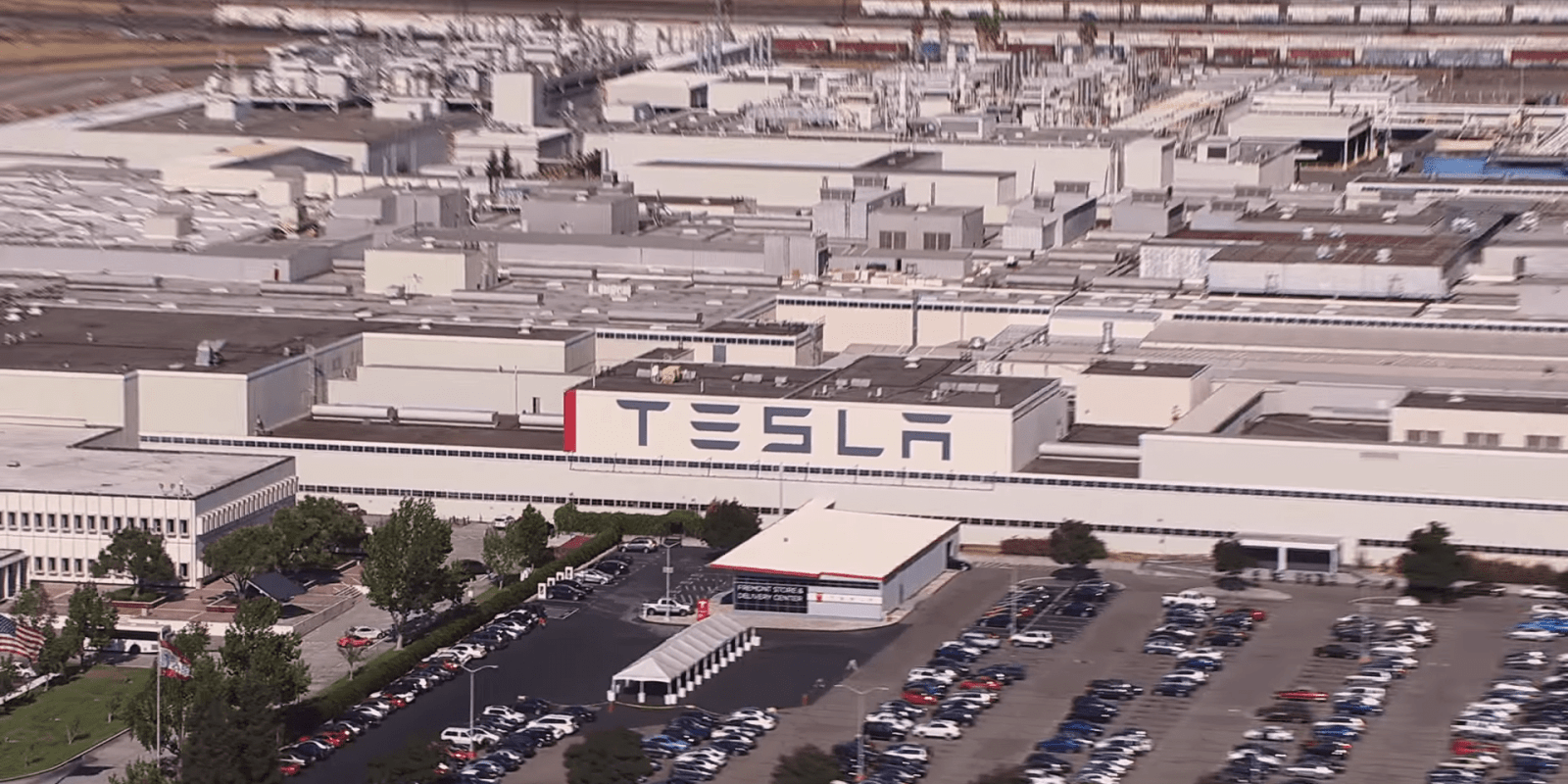
Tesla goes on trial today over allegations that its flagship Fremont factory subjected thousands of Black workers to racial slurs, segregation, and lower pay. The case is brought by the state of California, covers more than 6,000 workers, and carries no cap on damages.
It’s the biggest of the many discrimination cases Tesla has been fighting since 2017, and the first one brought by a government agency to reach a full trial.
What California says happened at Fremont
The California Civil Rights Department (CRD, formerly the DFEH) filed the suit in February 2022, after a nearly three-year investigation prompted by hundreds of worker complaints.
The allegations are hard to read. According to the complaint, supervisors and managers regularly used the n-word, workers referred to the factory as a “plantation,” and Black employees were called “slaves.” The CRD says swastikas and racist graffiti showed up in common areas and bathrooms, and that management ignored years of documented complaints.
Then there’s the pay. California’s analysis found Black workers at Fremont earned about $1,533 a month less than white workers between June 2018 and June 2024. The state also says Black employees were funneled into the hardest, lowest-paid jobs, disciplined more harshly, and passed over for promotion.
The complaint even points to Tesla’s staffing: roughly one HR person for every 604 to 740 employees. Not much of a place to take a complaint.
“Tesla operates a racially segregated workplace where Black workers are subjected to racial slurs and discriminated against in job assignments, discipline, pay, and promotion,” CRD Director Kevin Kish said when the case was filed.
A pattern going back years
None of this is new for Tesla. The company has been fielding racism claims out of Fremont since at least 2017.
The most famous is Owen Diaz, a former elevator operator who won a $137 million jury verdict in 2021, one of the largest individual discrimination awards in US history. Tesla got it slashed to $15 million on appeal, Diaz rejected it, and a second jury cut the award again to $3.2 million.
That’s been the playbook. Settle the loudest plaintiffs, break up the class, push the rest into private arbitration. Tesla partly settled the long-running Vaughn v. Tesla class action in July, but roughly 580 Black workers are still pressing individual claims.
And the state case is only one front. The federal EEOC sued Tesla in 2023 over “systematic racial harassment and retaliation against Black workers,” and that case is now in mediation. We laid out the full picture in April: Tesla is facing up to $14.5 billion in lawsuits across autonomy, securities, and discrimination claims, and discrimination is not the biggest chunk, but the many cases add up.
The trial
The trial is a bench trial, meaning Judge Peter Borkon decides the outcome, not a jury. It opens today in Alameda County Superior Court in Oakland and is scheduled to run through October 30.
Tesla scored one win on the way here: a 2025 ruling that kept the workers from proceeding as a single class. But California is prosecuting this one itself, so there’s no class to decertify and no arbitration clause to hide behind. And under California law, there’s no ceiling on what the state can win.
Tesla says it “does not tolerate discrimination” and that it fires workers who engage in misconduct. However, the lawsuit argues that Tesla indeed fired some offenders, but they were later rehired through contract work. The company declined to comment on the trial.
Electrek’s Take
Tesla has been fighting racism allegations out of one factory for the better part of a decade, and it keeps losing the fights it can’t make quietly disappear. Private plaintiffs, a state civil rights agency, and the federal EEOC are all coming at the same conduct at the same plant. Three separate fronts.
Top comment by Simon
The term “a few bad apples” is regularly misused, the full phrase is "a few bad apples spoil the bunch" which means basically the opposite.
What makes this trial different is that Tesla’s usual escape hatches are closed. It couldn’t arbitrate California into silence, and there’s no jury to sway. Just a judge, six years of pay records, and a complaint that uses words like “plantation” and “slaves.” If Borkon finds even part of that credible, the number won’t be capped.
These lawsuits have been honestly hard to read. It’s hard to imagine a modern workplace at a top company like Tesla using this kind of language.
The usual excuse is “a few bad apples”, but the scale of it at Fremont makes it systematic. Hopefully, this trial helps address that.
With electricity rates up almost 10% last year and expected to keep climbing, going solar is one of the best ways to protect yourself against rising costs. And with lease and PPA options, you can do it with zero upfront cost and start saving immediately. If you want to find the best deal, check out EnergySage. It’s a free service with hundreds of pre-vetted installers competing for your business, so you save 20 to 30% compared to going it alone. No sales calls until you pick an installer. Get your free quotes here.


FTC: We use income earning auto affiliate links. More.




Comments