
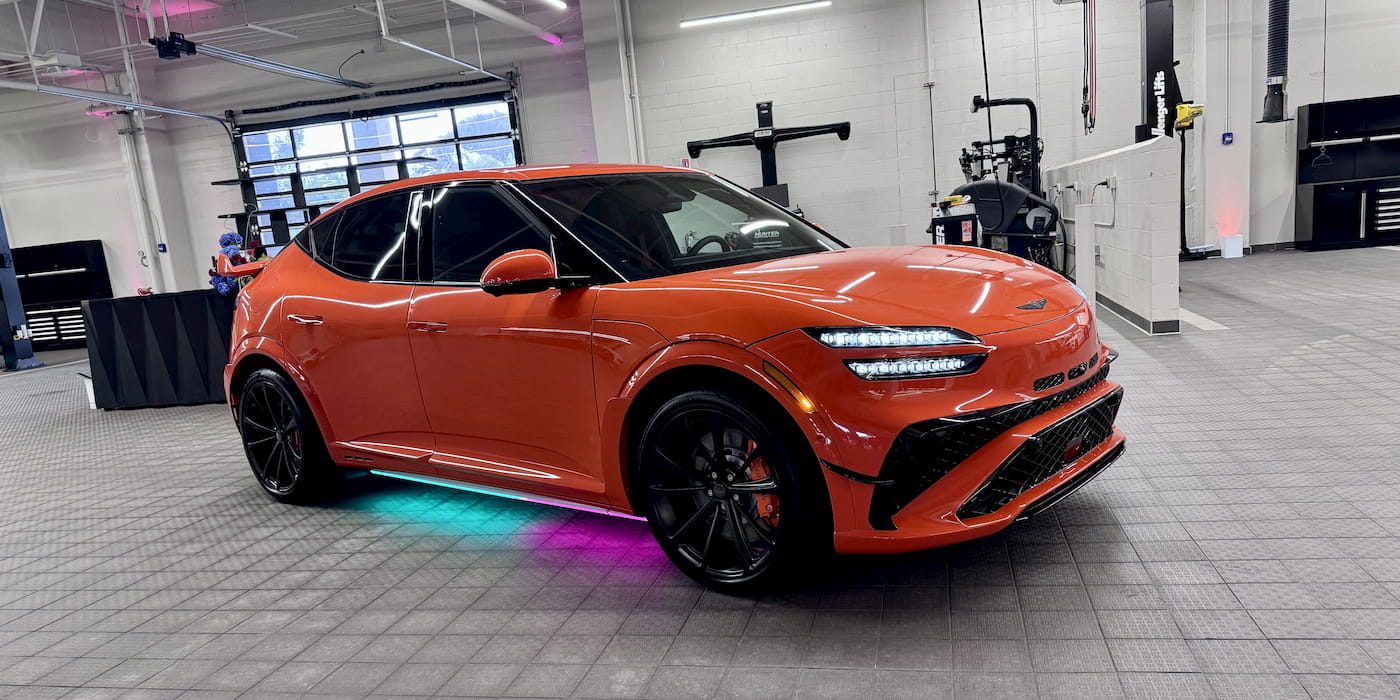
Hyundai Motor Company, including Genesis, is about to get very busy, with plans to launch more than 100 new or updated vehicles by 2030, including its first extended-range EVs (EREVs).
Hyundai plans new vehicle blitz with EVs and EREVS
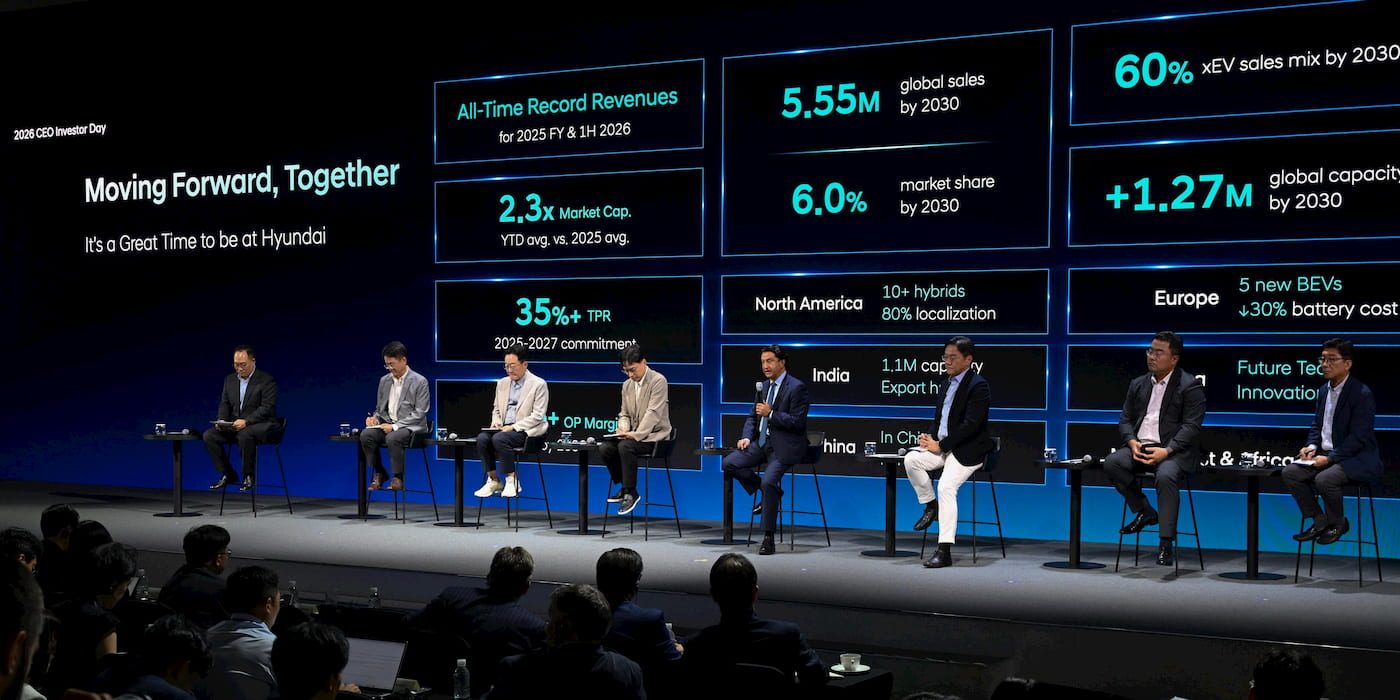
While many are pulling back, Hyundai is going on the offensive. Hyundai announced plans to launch over 100 new or refreshed vehicles by the end of the decade during its 2026 CEO Investor Day on Wednesday.
“Our fundamentals have never been,” Hyundai’s CEO, José Muñoz, said. As the third-largest automotive group and second most profitable, Hyundai has “the ability to invest while others are pulling back,” Muñoz explained.
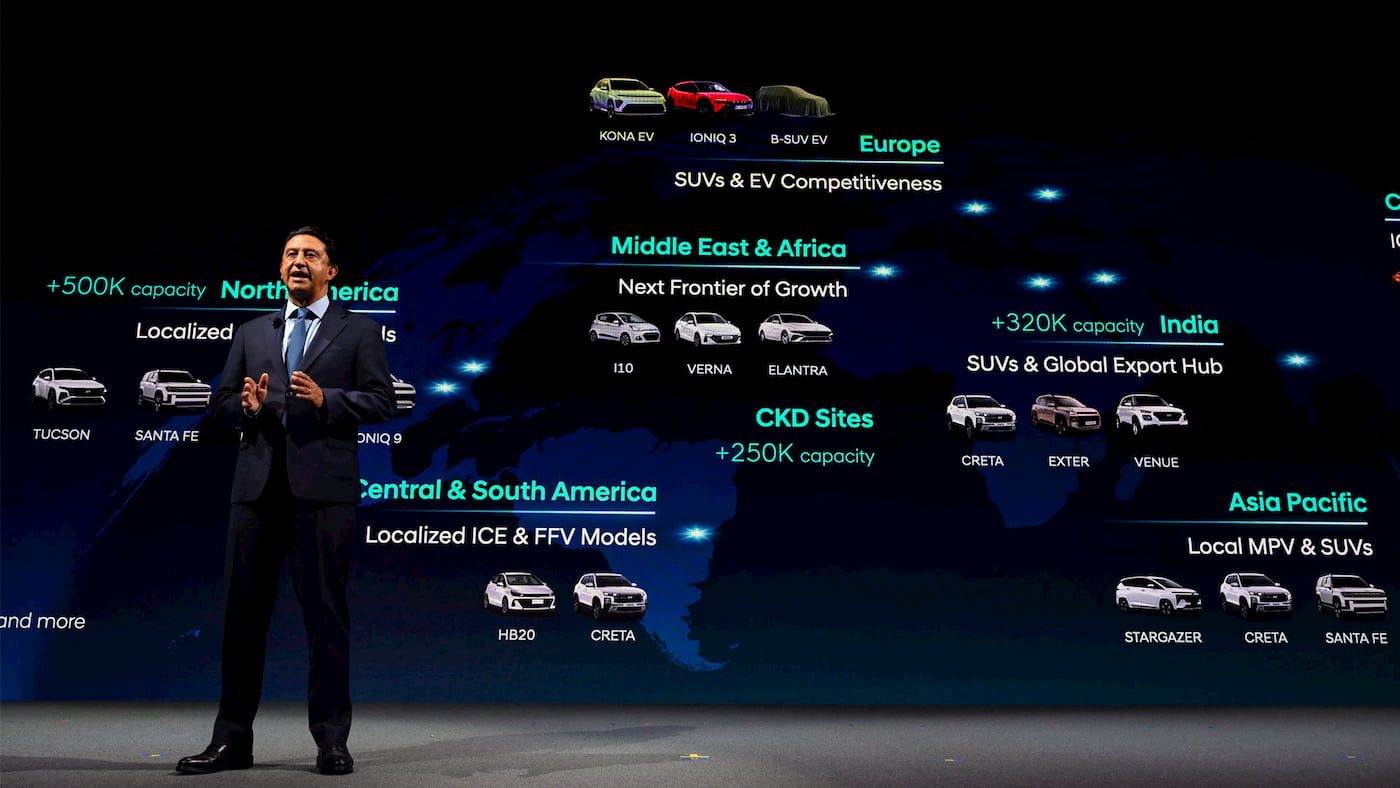
Hyundai will launch over 100 new vehicles globally by 2030, including 58 in North America, 49 in Korea, 41 in Europe, 26 in India, and 22 in China.
The first of which includes the new Elantra, IONIQ 3, the new Tucson and Tucson Hybrid, the Santa Fe EREV, a new A-segment EV SUV for India, a new global B-segment SUV, and another B-segment SUV for Europe.
The new Tucson and Tucson Hybrid will launch later this year, followed by the Santa Fe EREV in the first half of 2027, Hyundai’s first extended-range electric vehicle (EREV).
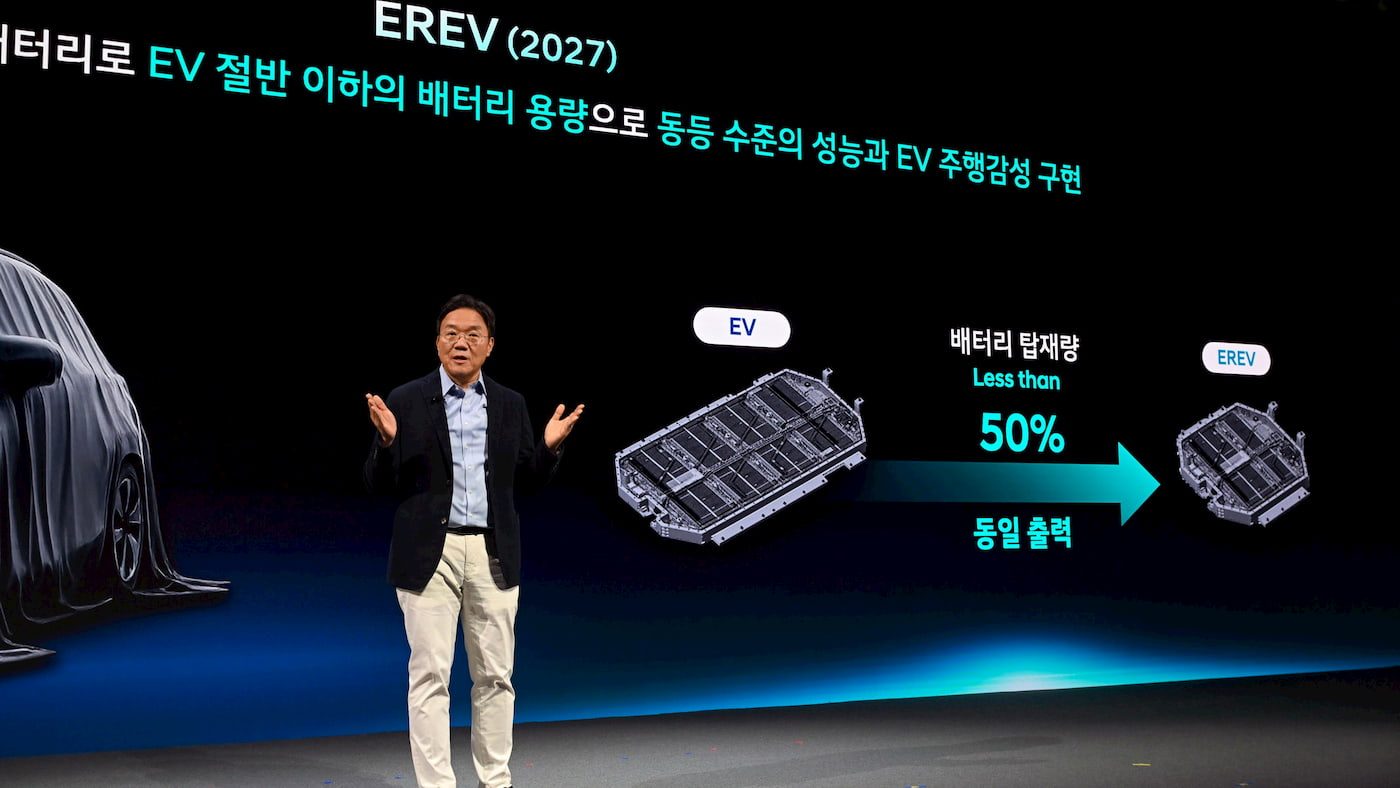
Hyundai expects the Santa Fe EREV will deliver over 600 miles of combined driving range. It uses a battery electric drivetrain for an “EV-like” experience and a small gas engine that serves as a generator to charge the battery when it gets low.
The new Santa Fe EREV will be built at Hyundai’s manufacturing plant in Alabama and sold in the US.
New batteries, software, and other advanced tech
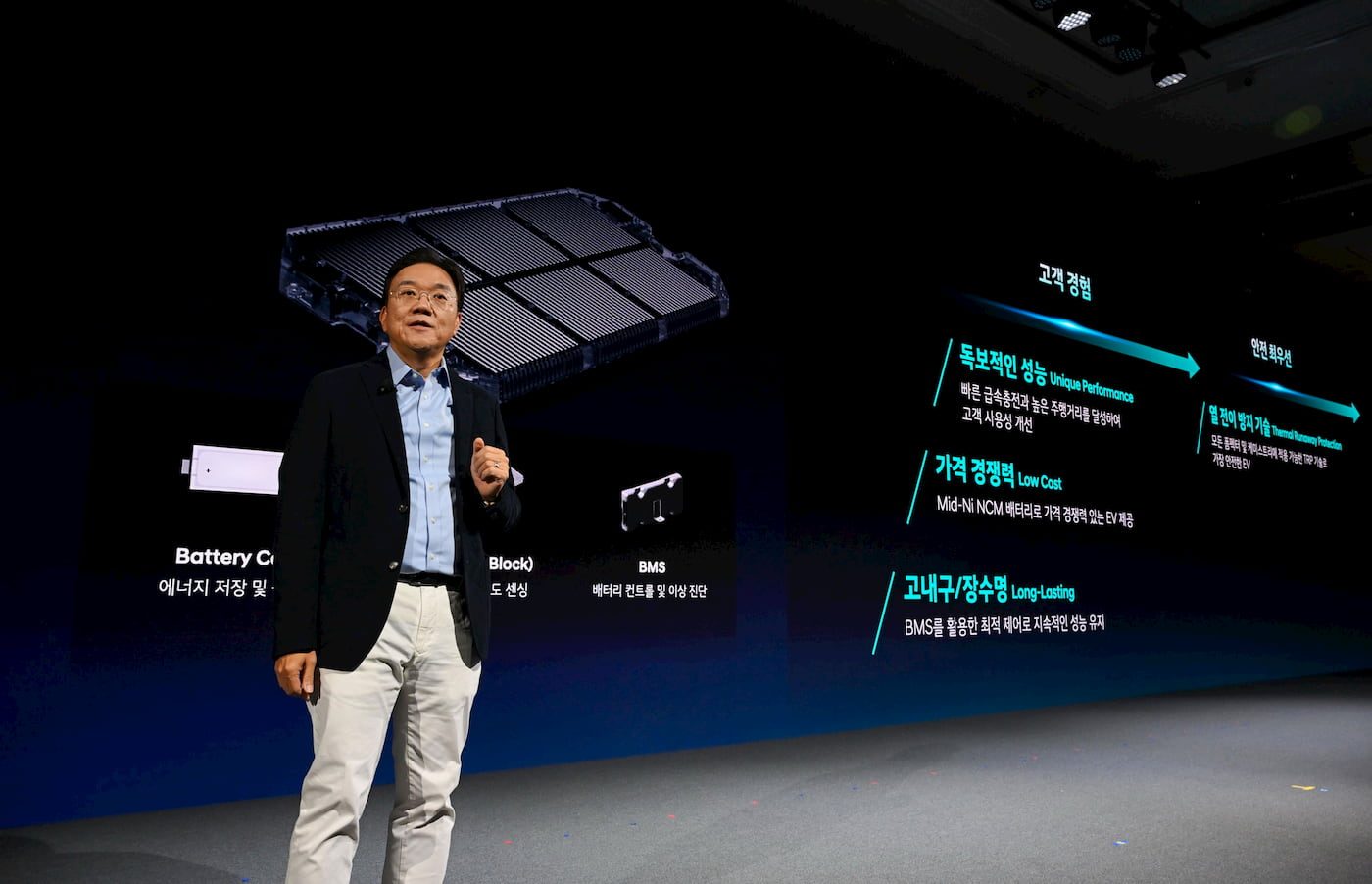
It will be powered by Hyundai’s new in-house battery cells, which the company said deliver more than double the output of its previous high-nickel cells. They also cut charging time by 40%.
The new high-performance cells will debut in the EREV in the first half of 2027. Hyundai said new EVs will launch next year with mid-nickel NCM cells that slash battery costs by about 30%.
Hyundai plans to launch 10 new hybrid vehicles in North America by 2030, starting with the Genesis GV80 Hybrid, set to launch in September.
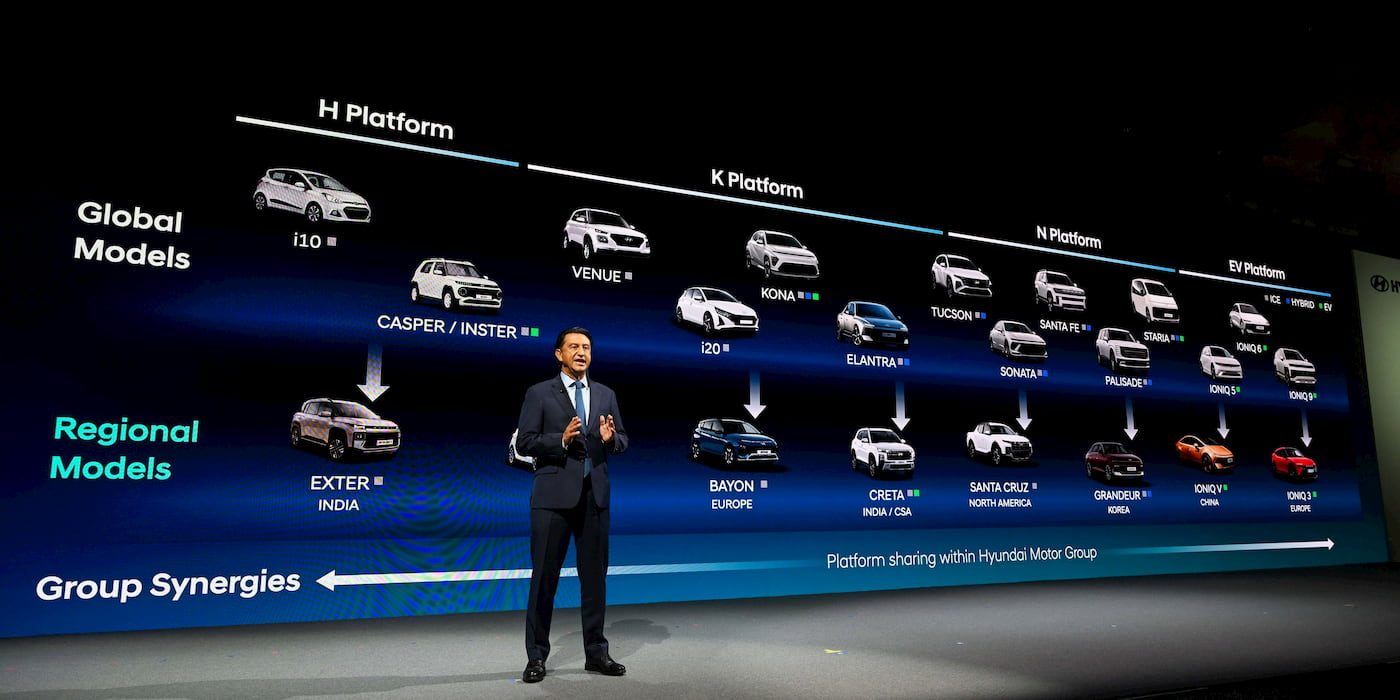
In Europe, Hyundai will cover 85% of the market with a fully electrified lineup, including five new SUVs and light commercial vehicles. By 2030, Hyundai aims to sell 420,000 EVs in Europe, up from 116,000 last year.
Hyundai’s first compact EV from its IONIQ series, the IONIQ 3, went on sale this month. The electric hatch offers 309 miles (497 km) of range and is Hyundai’s first vehicle in Europe equipped with its next-gen Pleos Connect infotainment platform.
Korea will serve as “the cradle of Hyundai Motor’s global growth” with new manufacturing innovations.
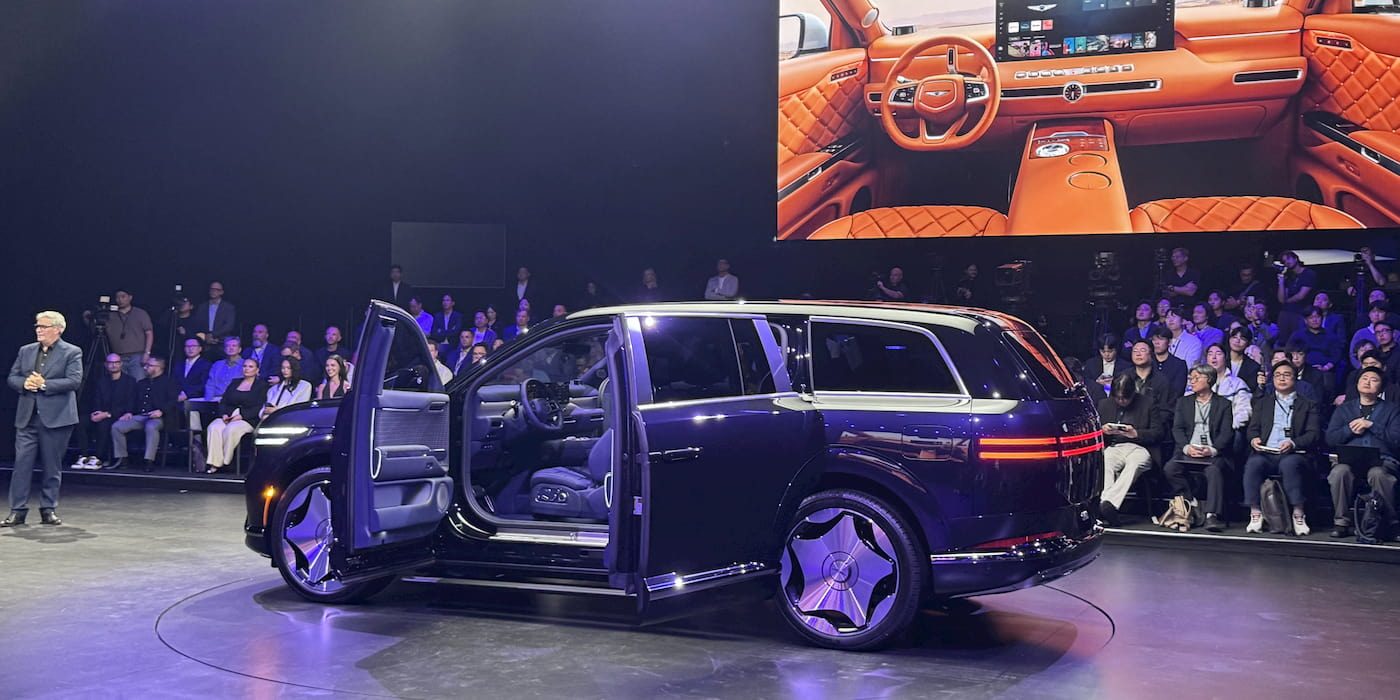
The flagship Genesis GV90, which Hyundai revealed in San Francisco last week (see our photos from the event), will go into production at Hyundai’s new Ulsan EV plant.
As a software-defined factory (SSF), Hyundai’s Ulsan EV plant uses 108 advanced manufacturing methods, including AI quality control and inspection.
In China, Hyundai will lean on local partnerships as part of its comeback plans. Starting with the IONIQ V, the company will introduce new vehicles, including another EV and an EREV in 2027. By 2030, Hyundai plans to sell over 500,000 vehicles in China.
Genesis expands into new luxury segments
Genesis, on the other hand, has “grown faster than any luxury marque in history” over the past decade, Muñoz said.
Over the next decade, Genesis plans to establish itself as a true global luxury powerhouse. The GV90 and new hybrid options will enable it to tap into some of the hottest segments in the luxury space.
The flagship GV90 embodies everything Genesis has to offer in terms of luxury and technology, which will eventually trickle down into other vehicles and segments.
Top comment by Dirk Diggler
Hyundai figured out that, shortly, there will be a small handful of truly global automotive companies. They plan on being one.
By 2030, Genesis aims to expand to over 40 markets with 350,000 in annual sales. Following Italy, France, the Netherlands, Tunisia, and Morocco earlier this year, Genesis will enter Spain by the end of 2026. It also plans to expand into India and Asia Pacific in the near future.
To support the aggressive product blitz, Hyundai will expand global production capacity to 1.27 million units by 2030.
This includes 500,000 units in North America, 320,000 units in India, 200,000 units in Korea, and 250,000 units for CKD production.


FTC: We use income earning auto affiliate links. More.



Comments