
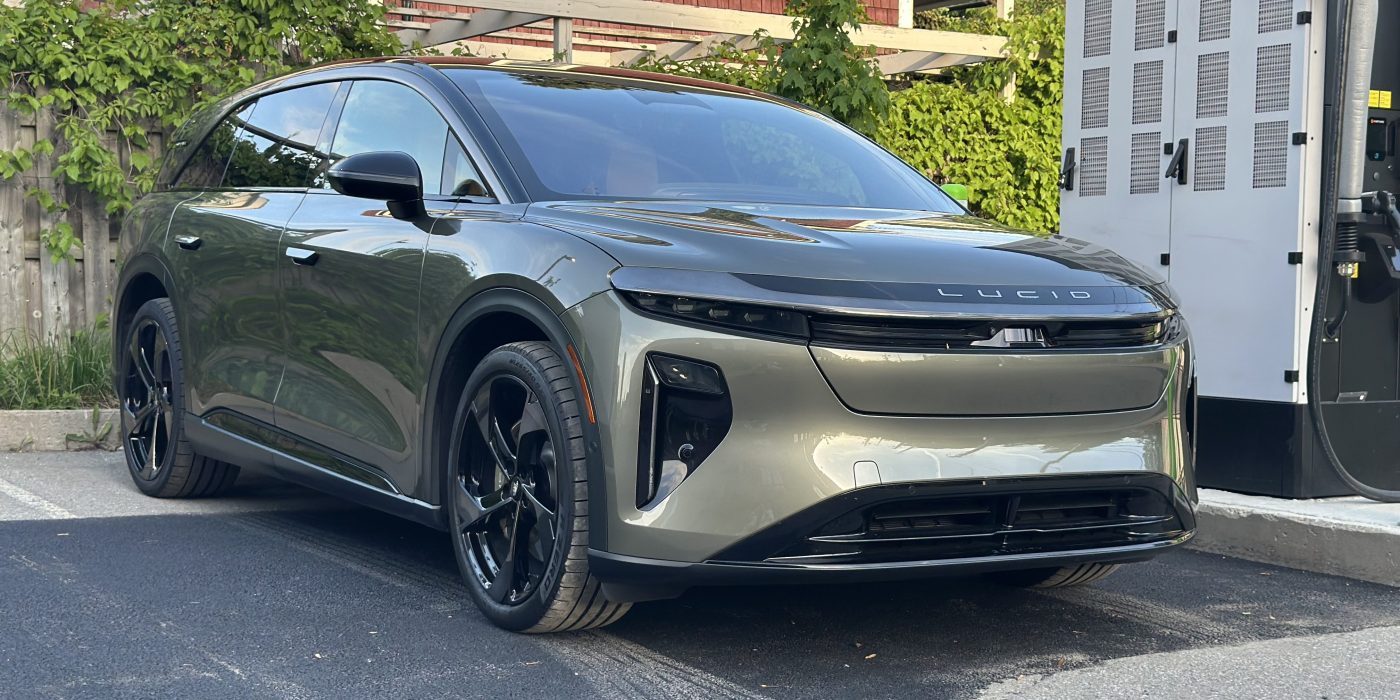
Saudi billionaire Prince Alwaleed bin Talal has disclosed a 5% stake in Lucid Group, and the market read it as a fresh vote of Saudi confidence in the cash-strapped EV maker.
Lucid (LCID) shares jumped as much as 25% on Tuesday after the filing surfaced, even though the disclosure itself is passive and mostly a technical formality.
What the filing actually says
In a Schedule 13G filed with the SEC on July 28, Prince Alwaleed reported owning 19,513,000 Class A shares of Lucid. That’s exactly 5.00% of the 390,256,808 shares outstanding as of April 29, 2026. The event date triggering the filing was July 23.
A 13G is the passive version of an ownership disclosure. Alwaleed certified that the shares were “not acquired and are not held for the purpose of or with the effect of changing or influencing the control of the issuer.” So no board fight, no activist campaign. He holds sole voting and dispositive power over the full stake.
Crossing 5% is what forces the filing in the first place. That’s the news here: a well-known Saudi investor now sits at the threshold where the SEC makes you show your hand.
One thing to be clear about, because it’s easy to conflate: this is Prince Alwaleed personally, whose offices sit inside Kingdom Holding Company. It is not Saudi Arabia’s Public Investment Fund. Different pocket, same country.
Another Saudi backer stacked on top of the PIF
That distinction matters because Lucid’s cap table already runs through Riyadh.
The PIF has been the company’s lifeline since it first put more than $1 billion into Lucid back in 2018 to fund the Arizona factory. Add up the equity raises, stock sales, and credit facilities and the sovereign fund has poured in roughly $9.5 billion since then. In April, a PIF affiliate took $550 million in convertible preferred stock, and Lucid recently drew about $800 million more from a Saudi-backed facility to keep the lights on.
Then there’s Uber, which bought 11.5% of Lucid earlier this year as part of a $500 million robotaxi deal built around the Gravity SUV. So a second deep-pocketed Saudi name showing up at 5% fits the pattern investors already believe.
Why a passive filing moved the stock 25%
On the fundamentals, a 5% passive stake shouldn’t be a 25% event. But Lucid isn’t trading on fundamentals right now.
The stock is down about 77% over the past year and only recently bounced off a low of $2.37, this after a 1-for-10 reverse split last August that reset the share count. The company cut roughly 18% of its workforce in June, is on its third CEO era under Silvio Napoli, and ended Q1 with bloated inventory that put its 25,000-unit production goal in doubt.
That’s the setup for a squeeze. Heavy short interest, a low nominal share price, and a beaten-down name mean any headline that sounds like “the Saudis are buying more” gets amplified fast. The buyers pile in, the shorts cover, and you get a 20% candle off news that, on paper, changes very little about the business.
Electrek’s Take
Let’s separate the signal from the pop. The pop is short-squeeze mechanics. A heavily shorted $6 stock down 77% on the year will lurch 20% on any Saudi headline, and this one qualifies. Don’t confuse the move with a change in the story.
Top comment by N1
Saudi money appears to be the lifeline for Lucid, as without those investments, Lucid would have been long gone years ago or sold off.
The signal is real, though, and it’s not nothing. A Saudi royal outside the PIF putting his name on a 5% stake reinforces the one thing that’s kept Lucid alive: the Kingdom does not want this company to fail. That’s the whole bull case at this point. Lucid still burns cash, still can’t sell Gravity in the volumes it needs, and by some analyst math needs another $5 billion-plus over the next few years. The Air and Gravity are genuinely excellent EVs, and the Gravity in particular drives like a dream. Great products were never the problem. Selling enough of them is.
So Alwaleed’s stake is a confidence marker, not a turnaround. It tells you the Saudi backstop is intact.
Though it could also mean the Saudis are thinking of taking the whole thing private, which wouldn’t be too difficult at this point, given the size of their stake between Alwaleed and PIF.
If you’re buying an EV, powering it with home solar can cut your charging costs to nearly zero. With electricity rates up almost 10% last year and expected to keep climbing, going solar is one of the best ways to protect yourself against rising costs. And with lease and PPA options, you can do it with zero upfront cost and start saving immediately. If you want to find the best deal, check out EnergySage. It’s a free service with hundreds of pre-vetted installers competing for your business, so you save 20 to 30% compared to going it alone. No sales calls until you pick an installer. Get your free quotes here.


FTC: We use income earning auto affiliate links. More.


Comments