

Germany is preparing to tighten the rules governing shared electric scooters, proposing new legislation that would make rental operators like Lime and Bolt directly liable for damages caused by their vehicles.
The proposed law aims to close what officials describe as a legal loophole that has often left accident victims without compensation. Under the current system, injured parties generally need to prove that the rider was at fault. That can be nearly impossible when the rider leaves the scene or cannot be identified.
Instead, the new legislation would place strict liability on rental operators as the registered owners of the scooters. Riders themselves would also be presumed at fault unless they can demonstrate otherwise. The proposal would even extend to incidents involving improperly parked scooters that block sidewalks and create hazards for pedestrians.
According to Germany’s Federal Ministry for Justice and Consumer Protection, the change reflects a simple principle: companies that profit from shared micromobility services should also bear the risks those services create.
Top comment by Mrvc
Some kind of blanket liability insurance included in the rental isn't a terrible idea. But automatically finding the scooter (rider) at fault seems problematic.
The proposal would apply to rental e-scooters and certain self-balancing vehicles, though notably not to electric bicycles.
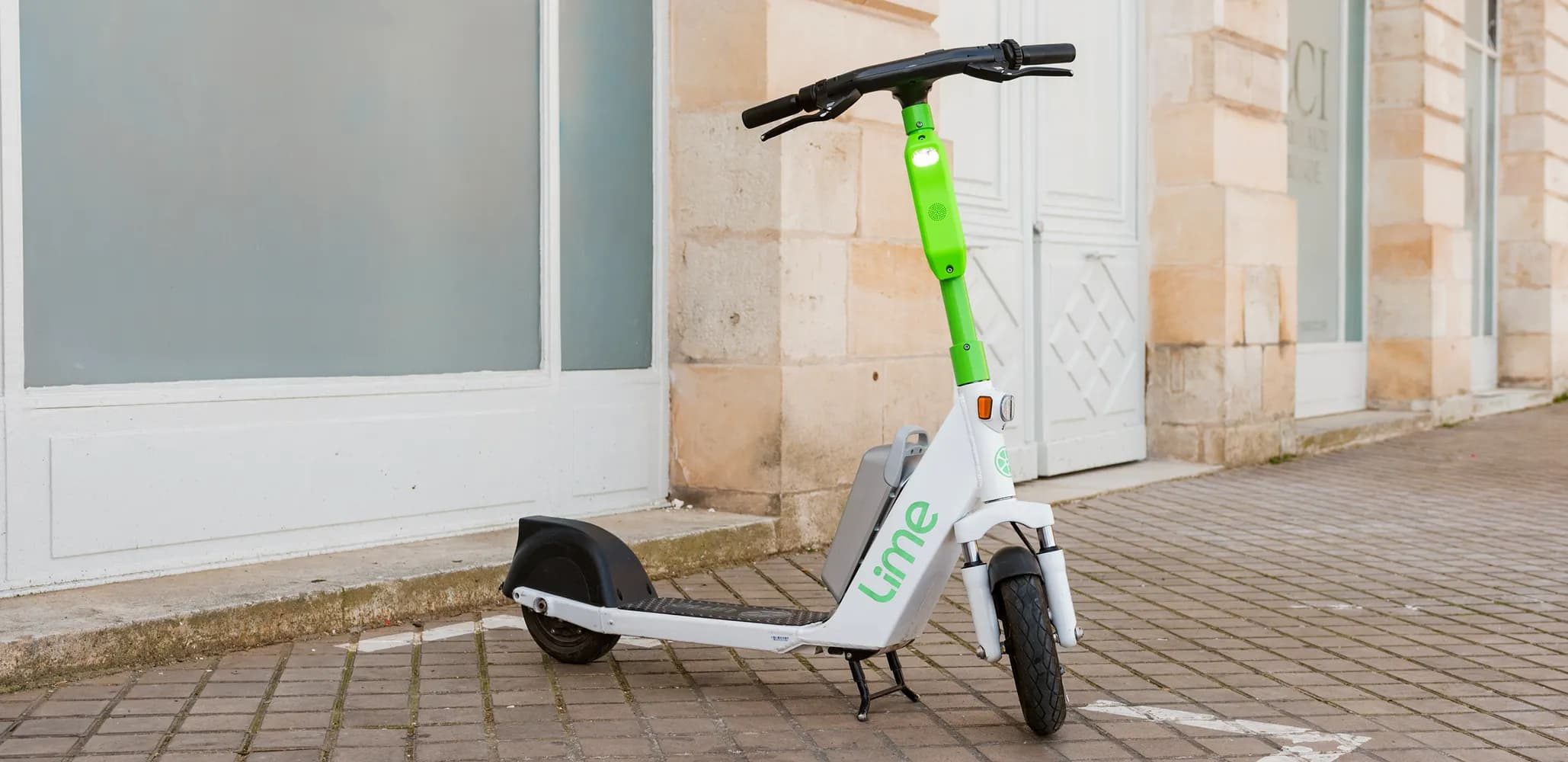
The move comes as e-scooter use has surged across Germany. The number of insured e-scooters grew from around 180,000 in 2020 to nearly one million by 2023, according to local media. At the same time, third-party damage claims climbed from roughly 1,150 to 5,000 annually. While rental scooters accounted for only about 20% of insured scooters in 2023, they were involved in approximately 40% of insurance claims, highlighting their outsized role in accident statistics.
Germany isn’t alone in rethinking shared scooters. Several European cities have already taken stronger action. Paris voted to eliminate rental e-scooters in 2023, Madrid revoked operators’ licenses in 2024, Prague removed shared scooters earlier this year, and Brussels is set to do the same in 2027.
While shared e-scooters continue to offer a convenient transportation option for many riders, Germany’s proposal signals a growing expectation that operators should share greater responsibility for the safety impacts of their fleets.


FTC: We use income earning auto affiliate links. More.


Comments