
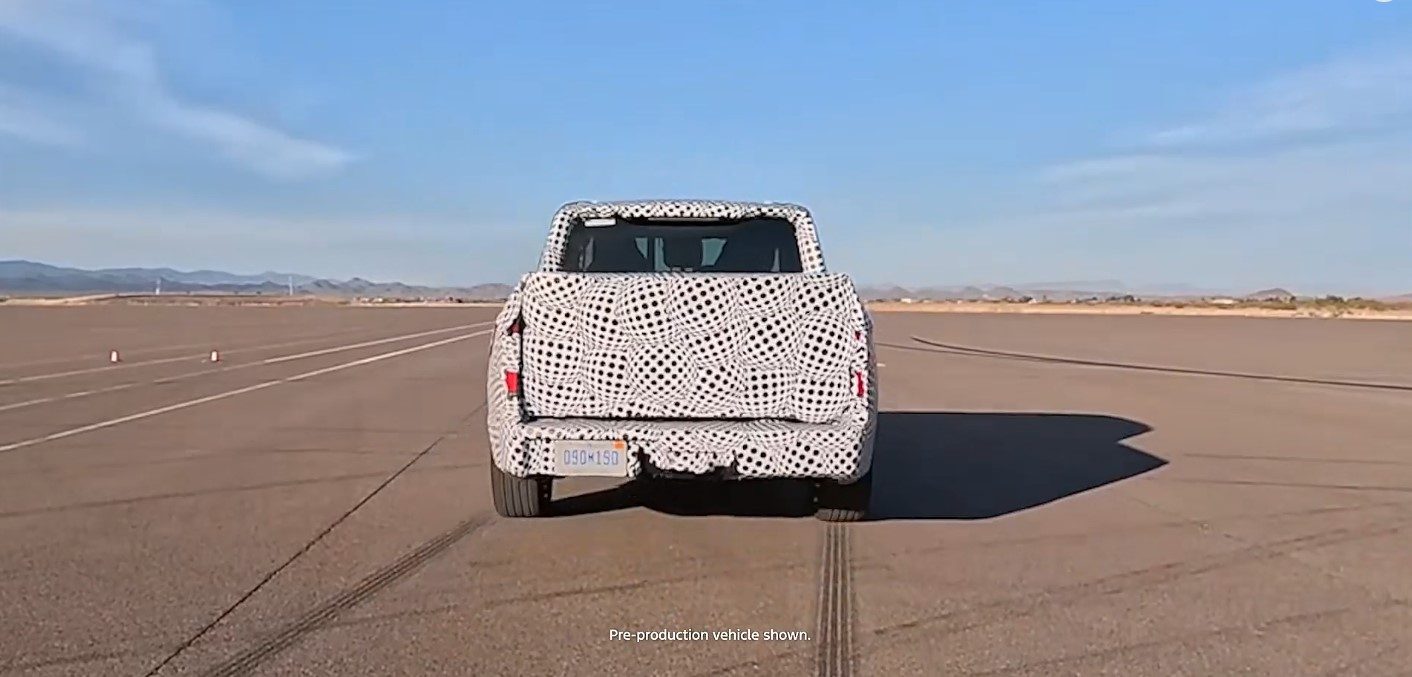
Ford’s new Universal Electric Vehicle (UEV) platform is set to underpin a series of low-cost EVs, but can it compete with China?
Can Ford’s UEV platform compete with Chinese EVs?
Ford is done with big electric trucks and SUVs. The company is now betting on smaller, more affordable EVs based on the new UEV platform.
The first vehicle based on the new platform is a four-door midsize electric pickup that will start at around $30,000.
Ford has yet to confirm (or deny) plans to sell UEV-based vehicles in Europe, but CEO Jim Farley hinted that it’s a possibility. During an interview with Autocar, Farley explained how Ford’s new EV platform can challenge Chinese brands.
According to Farley, some Chinese EV makers “have really cheap batteries.” He added that their control systems “aren’t that efficient” because the batteries are larger and heavier than necessary.
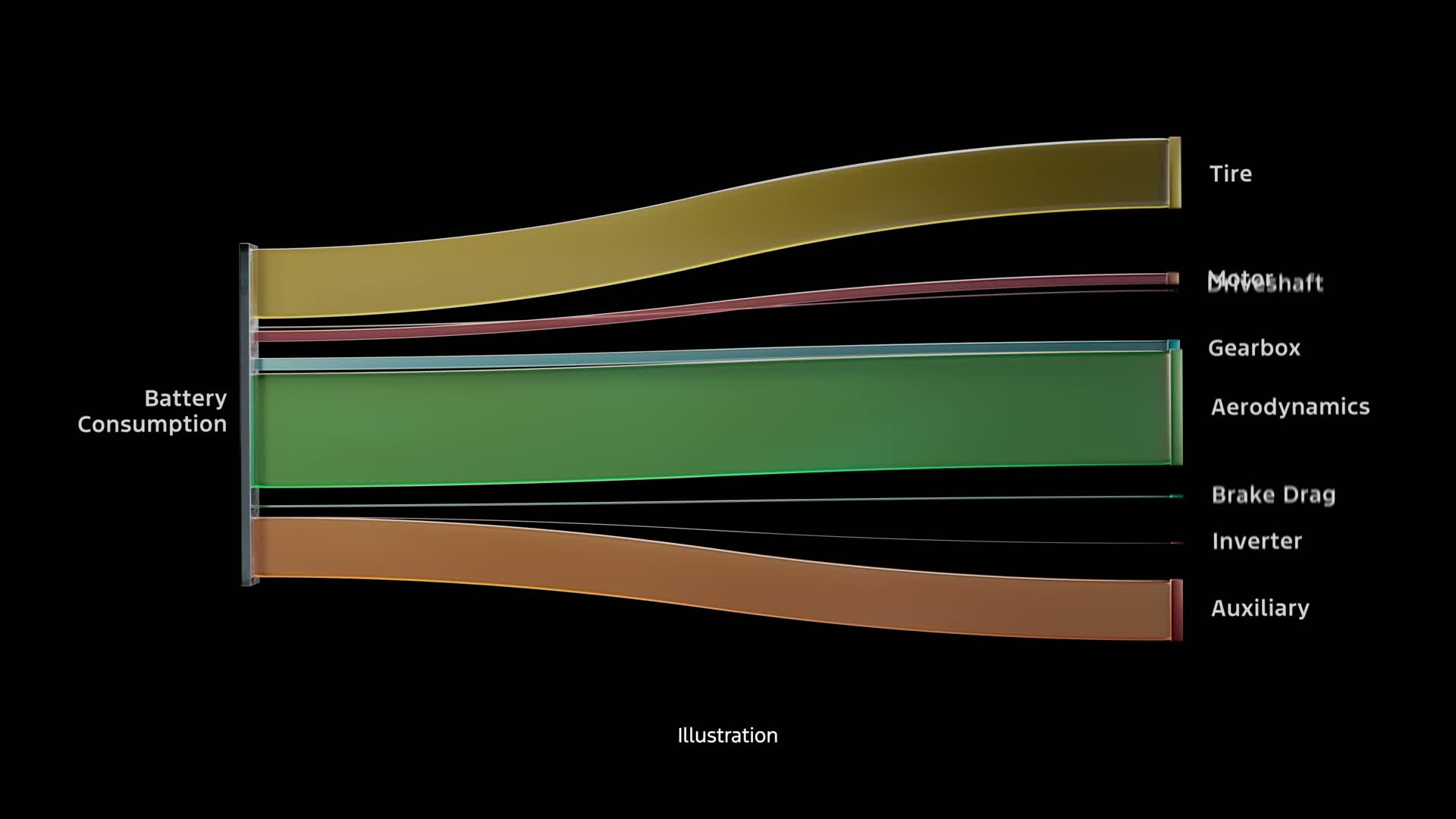
“We’ve found 20-30% gains in efficiency but we had to get people over from motorsport to do it,” Farley explained. Central to Ford’s UEV platform is improved aerodynamics and smaller, more efficient batteries.
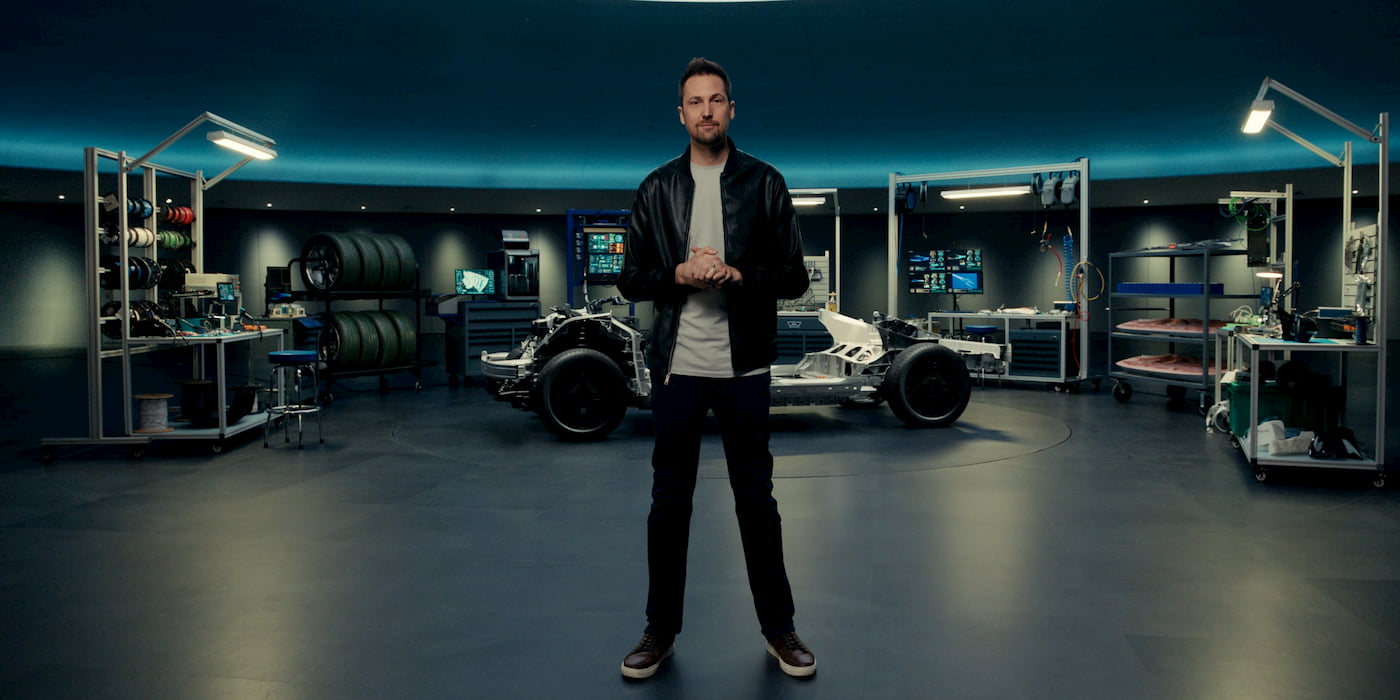
More than half of the aerodynamics team on the UEV platform in California are from the Formula 1 world.
“One of the biggest gifts that Formula 1 ever gave Ford was our skunkworks team in California. Almost every one of them either comes from Formula 1 or is a huge F1 fan,” Farley told Autocar.
Recruiting from the F1 world is not easy, Farley said, “But when people see what we did with this skunkworks, they will say: ‘Wow, that’s cooler engineering than a hypercar.”
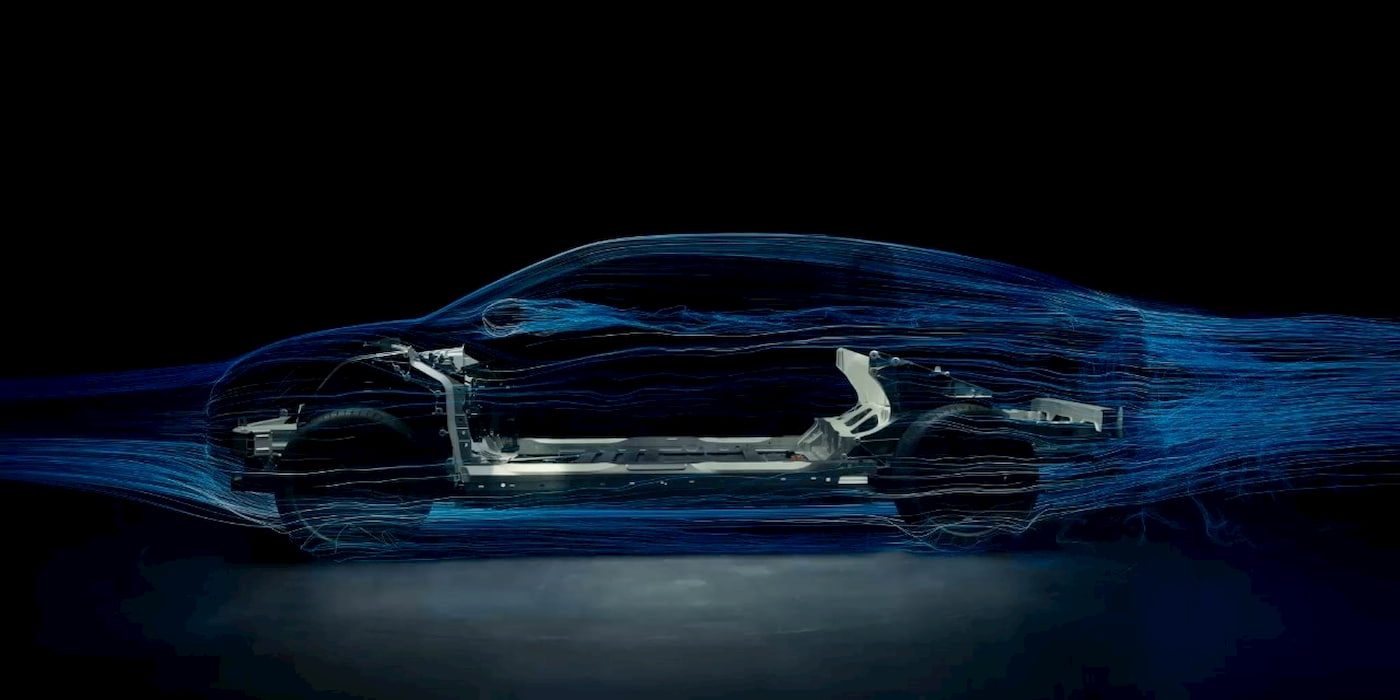
Ford claims its upcoming midsize pickup is 15% more aerodynamically efficient than any truck sold in the US.
If the same battery were used on the most aerodynamically efficient midsize gas truck in the US, Ford said, its EV pickup would achieve nearly 50 miles or a 15% longer driving range. On the highway, it offers a 30% improvement.
Ford is also using prismatic lithium iron phosphate (LFP) batteries. The LFP batteries are cheaper and unlock more interior space. However, Ford is still using licensed tech from China’s CATL to build them in the US.
The midsize EV pickup will have more interior passenger space than a Toyota RAV4, Ford said. And that’s not even including the front trunk (frunk) or bed.
Ford will use gigacasting, or “unicastings,” to reduce the number of parts from 146 to build the current Maverick to just two for its upcoming pickup.
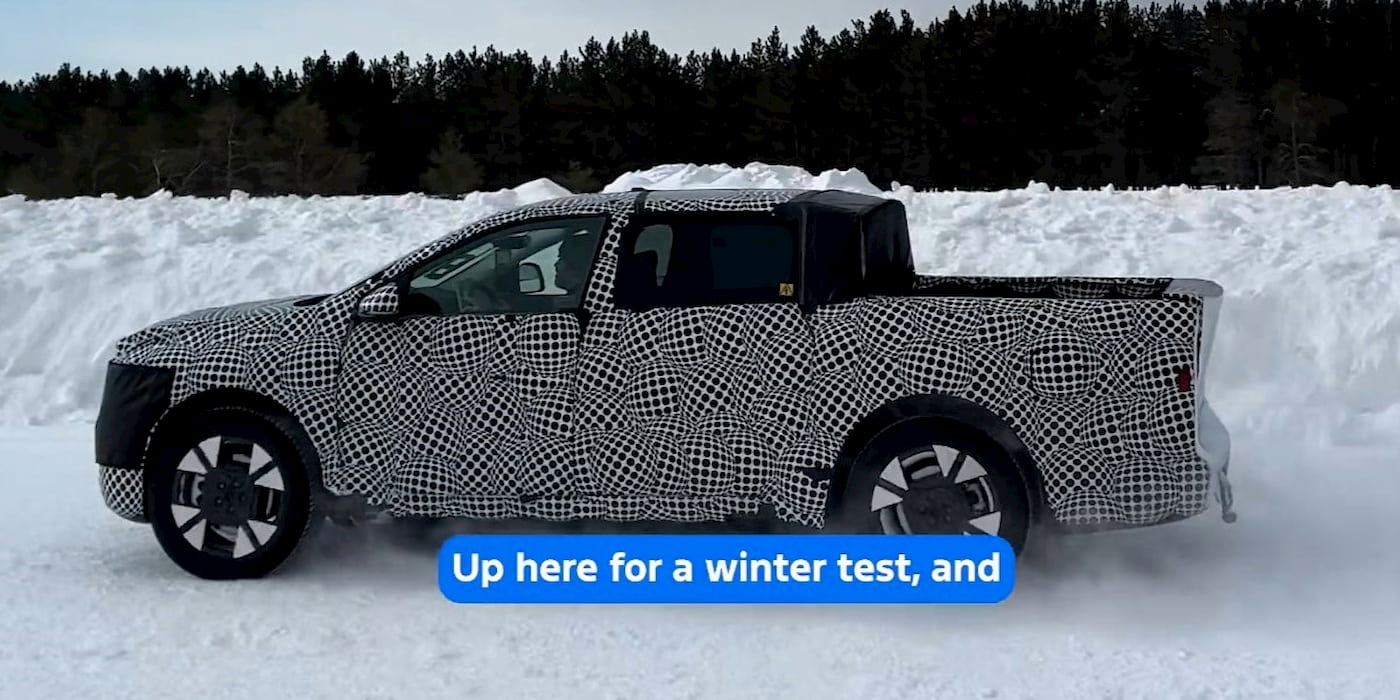
Ahead of its 2027 launch, Ford is now testing the new pickup on public roads. A prototype was caught driving around Long Beach with a hidden QR code in its camouflage that links to a “secret” website offering a closer look at the UEV platform.
While it’s still not official, Ford could use the platform for future EVs in Europe, likely to launch after the two models’ launch, through its partnership with Renault. That means it likely won’t happen until after 2028.
Electrek’s Take
While Ford may eventually bring the UEV platform to Europe to compete with Chinese rivals, it will first rely on partnerships with Volkswagen and Renault to cut costs and bring vehicles to market more quickly.
Top comment by Leonard Bates
Good for Ford. I have expressed disdain for their squishy commitment to EVs, but this feels like they are serious about trying to field something compelling.
While Ford plans to prove the platform in the US first, it’s quickly losing ground in Europe to low-cost Chinese brands like BYD.
According to the most recent registration data from ACEA, BYD registered over 26,000 vehicles in Europe last month, up 158% from May 2025. Ford registered 18,105 vehicles in Europe in May, down 32% from a year ago.
BYD already surpassed Ford in global vehicle sales last year. Its new Blade Battery 2.0 and Flash Charging system unlocks a WLTP driving range of up to 600 km (372 miles) and fast charging in under 10 minutes.
Will Ford’s UEV platform compete globally? Let us know your thoughts in the comments below.


FTC: We use income earning auto affiliate links. More.


Comments