
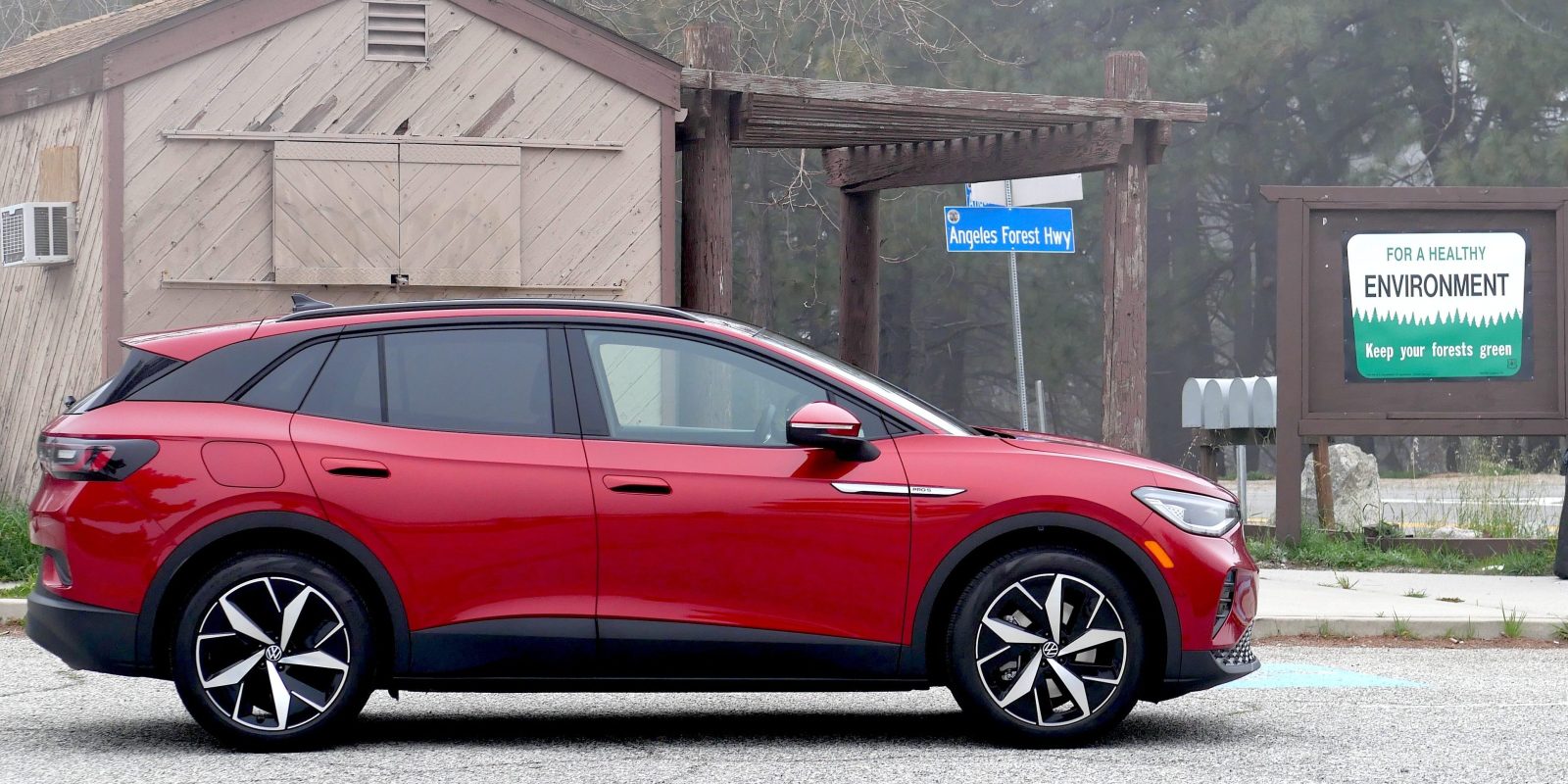
VW says it will stop building the ID.4 in the US, and instead shift focus to production of a gas-guzzling, pollution-spewing, 18mpg three row land yacht.
The change comes just as gas prices have risen dramatically and after republicans inflated the price of every EV by $7,500, ensuring Americans have even fewer affordable choices during an affordability crisis.
VW announced today that it is “updating its Chattanooga production strategy” for its plant in Tennessee. This will include ending production of the US-built ID.4 EV within the next couple weeks, and instead shifting its focus to production of an updated version of the Atlas, which has been built in the plant since 2018. VW will now move workers from the ID.4 line to the Atlas one.
The Atlas is a huge, three-row SUV which gets as little as 18mpg, making it one of the worst gas guzzlers available today. It uses 5-6x as much energy as the ID.4 it’s replacing.
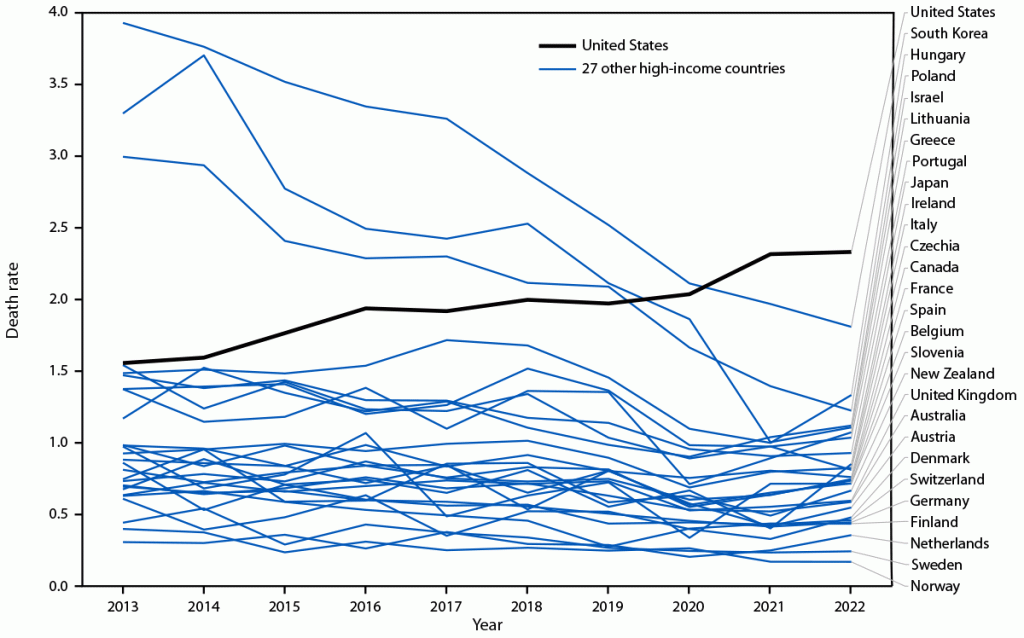
As a 20-inch longer and 5-inch taller vehicle, that means it’s harder to park and harder to see other vulnerable road users. Ballooning vehicle sizes have contributed to the US nearing an all-time high in pedestrian deaths, up 50% in the last decade, while other countries have seen a decline.
VW started building its ID.4 electric SUV in Chattanooga in 2022. The move was a response to President Biden’s manufacturing policy, encouraging automakers to bring high-tech EVs to the US, with both manufacturing and consumer incentives tied to domestically-produced vehicles.
The policies all told resulted in over 200,000 EV jobs and nearly $200 billion in investment in US manufacturing.
However, VW has never been a particularly strong brand in the US. Despite being one of the world’s largest automakers, it does better in Europe than North America. The Atlas is its second-highest selling vehicle in the US, behind the Tiguan.
But here’s the thing: in the last full year in the US, VW’s EV sales went up, and everything else went down. While the Atlas did outsell the ID.4, the Atlas went down in sales and the ID.4 went up. ID.Buzz sales also rose dramatically, and as a reward for that, VW cancelled it in the US for 2026.
Sales numbers changed in Q4, though. When republicans inflated the price of every EV in the US by $7,500, it led to a spike in EV sales prior to retirement of the credit, and then a drop after. Since then, EV sales have been depressed, as buyers either purchased an EV ahead of time or are now waiting in the hope that a sane government will re-institute these policies.
The rising prices haven’t just affected EVs, though. Prices of everything have risen as a response to chaotic tariff policy and genocidal foreign misadventures. Americans need more affordable choices, not less, and the Atlas, with its extreme inefficiency, will saddle Americans with high costs that are only getting higher as gas prices spike nationally and globally.
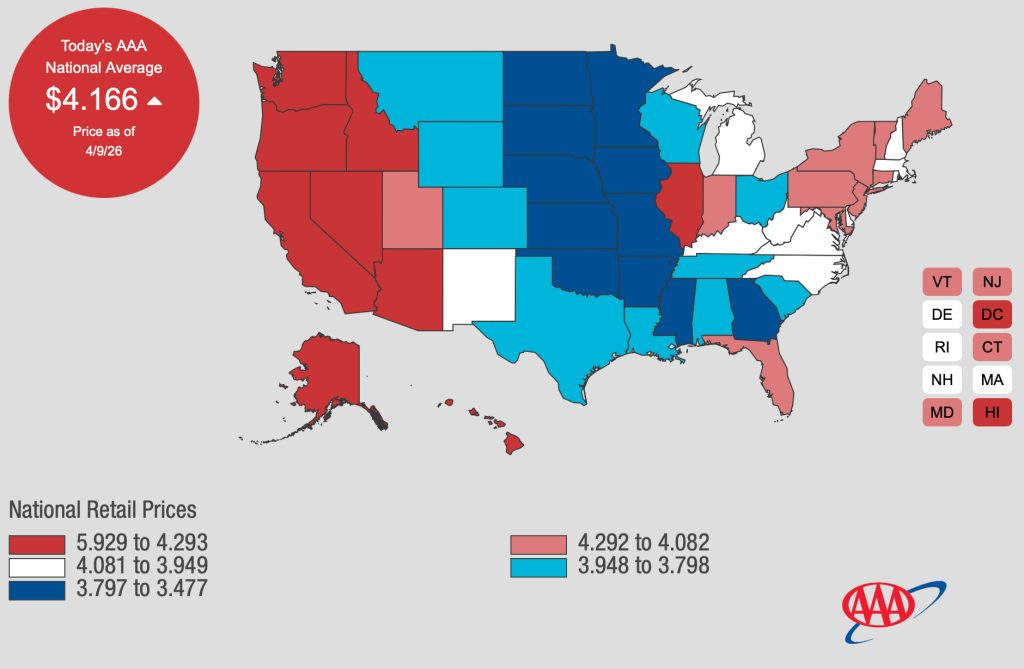
This oil price spike has driven EV interest both in the US and overseas, and EVs are seeing spikes in sales in many countries at the moment, including Germany, where BEV sales are skyrocketing.
The move also comes as it remains apparent that climate change is the largest issue ever to affect humanity. In the coming decades, it will cost the world trillions of dollars per year and is already costing US households thousands per year, not to mention the additional thousands in health costs from pollution.
Transportation is the largest contributor to climate change in the US, with personal vehicles making up the majority of transportation emissions. Wasteful vehicles like the Atlas, which uses 5-6x as much energy as the vehicle it’s replacing, doom the world to decades of pain as a result of their wastefulness.
But the fossil shills in US government have decided to ignore the scientific facts of climate change and instead to raise your costs and poison you, to please their fossil fuel masters.
Automakers have been quick to respond. Even though it is clear that EVs are the better choice for drivers, for all of society, and for the health of manufacturers who need to pick up their EV game in order to compete with China (which is now the largest auto exporter in the world, with the EV shift bringing huge benefits for its cities), automakers are taking this opportunity of a transitory change in US policy to shelve long-term manufacturing plans, write-down investments, and generally make the worst possible decision.
VW’s move here is an example of that. It has now deprived the US of manufacturing of a high-tech model that signifies where the industry is going, and will replace it with manufacturing of a garbage model that is an example of everything wrong with transportation. It causes climate change, pollution, pedestrian deaths, and a more isolated and spread-out society. It’s also the very sort of excess that has encouraged unpopular oil wars of the sort that we are currently in yet another of.
Top comment by DynamicPresence
I think the increase in ID.4 sales is more related to the stop-sale they had for most of a year due to the door handle recall, not because it suddenly gained popularity.
That being said, for some reason VW has never had a very good sales strategy in the United States. They just can't seem to figure out if they're going to be a premium middle-class vehicle or compete on price with stripped-down vehicles like the Jetta and Atlas. Throw in their suspect engine reliability and they've never been a serious sales threat in the US. US sales only account for about 5% of Volkswagen Auto Group's global sales, despite the US being the largest or second-largest auto market for most of the last 100 years.
VW will continue selling the ID.4 in the US through the current model year, focusing on current inventory which VW expects will last through the end of the year. It reiterated plans for a future updated ID.4, though didn’t state whether this version would be built in the US or not.
Workers will be transferred to other positions in the plant or be offered early retirement for those who wish to take it, after consultation with the union (the plant unionized in 2024).
The ID.4 last received an update in the 2024 model year, which you can read our review of here.
If you’re interested in getting one of the remaining ID.4s before production shifts overseas, use our links to contact your local dealers about the 2026 VW ID.4.


FTC: We use income earning auto affiliate links. More.



Comments