
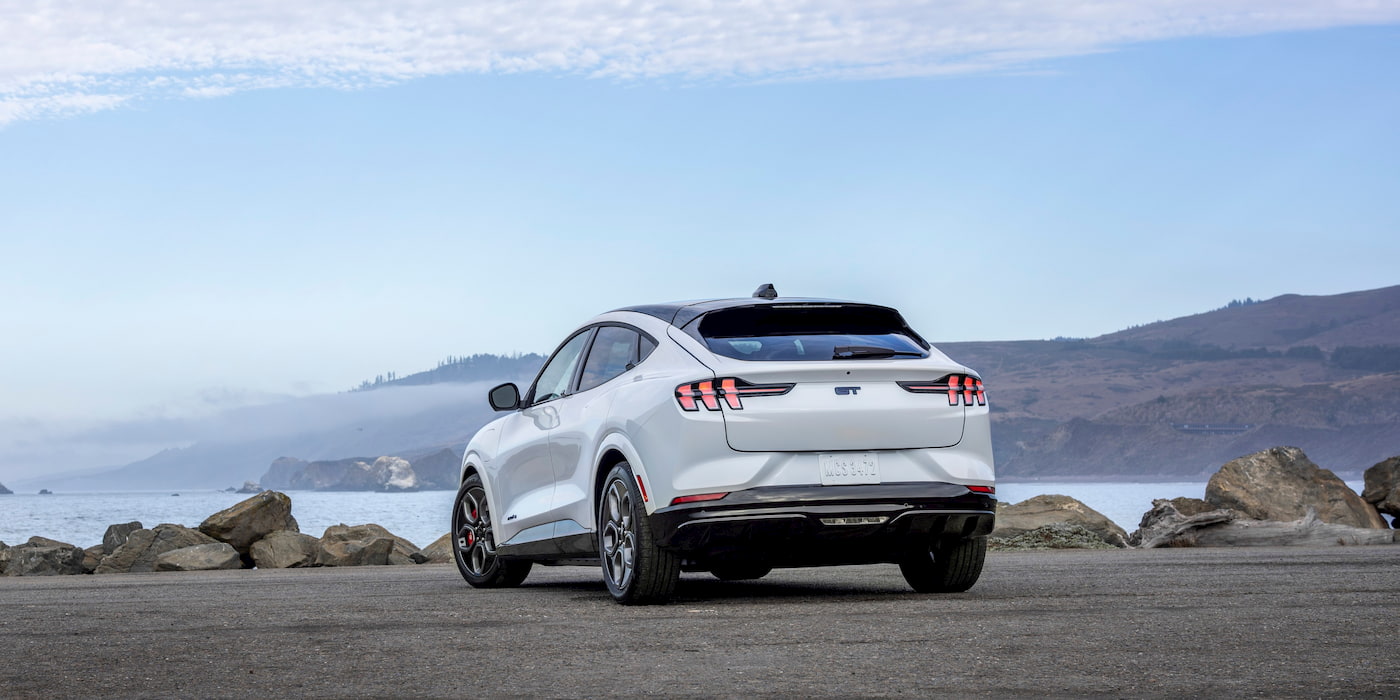
Ford says some drivers are “embracing an electric future,” with no plans to buy another ordinary gas car after experiencing the difference firsthand.
Ford EV drivers don’t want to go back to gas
After two lifelong Ford drivers, Tom and David, purchased their first electric vehicles, neither will go back to an internal combustion engine (ICE).
“They will always love the cars of their past, but they are embracing an electric future,” Ford said after sharing their stories.
Tom’s grandparents bought a 1966 Mustang, which was passed down to six children. It sat in a barn for 14 years until his parents restored it, and he drove it to high school every day.
“It has become quite literally the family photo album,” Tom said. However, it came time for an upgrade with three children, so the Mustang Mach-e was the best fit. It still carries the Mustang name, but the interior is spacious enough to fit three kids comfortably, and the added frunk provides extra storage.


While the extra space is nice, it’s how the Mach-E drives that really makes the difference. Tom’s children call the Mach-E’s instant acceleration, “the zoomies,” and constantly ask him to hit it so they can feel the power.
Even better, he wakes up with a full charge every morning, so there’s no need to stop and fill up at the gas station.
If you ask Tom if he’d go back, the answer is pretty clear. “I do not miss having a gas car in the least bit,” Tom said. Between the “zoomies,” in-car karaoke, spacious interior, and ability to plug in at home, the Mach-E is the right fit.


For David, a mechanical engineer who collects classic Ford cars, the answer is the same. “I can’t buy another new internal combustion engine car,” David said, explaining how EV tech is simply superior.
David chose the F-150 Lightning because of its smooth, nearly silent ride. He didn’t realize how much “noise fatigue he experienced with a gas engine on long trips until driving the electric pickup.
Where are the EV options?
While the story centers on two Ford owners, most drivers who go electric, regardless of the brand, feel the same way.
Ford currently offers three fully electric vehicles in the US: The F-150 Lightning, Mustang Mach-E, and E-Transit van.

In comparison, crosstown rival GM offers more than a dozen EVs across the Chevrolet, GMC, and Cadillac brands. Even Toyota will offer more EV models than Ford, with the new C-HR and bZ Woodland joining the lineup this year.
To make matters worse, in December, Ford announced it had ended production of the F-150 Lightning and plans to replace it with an extended-range electric vehicle (EREV) version.

Ford was also expected to introduce a three-row electric SUV that was later cancelled in 2024 due to high battery costs. Instead, the company is betting on smaller, more affordable EVs based on its new Universal EV Platform.
Top comment by Jason
An daily-during-winter EV side benefit I feel doesn't get talked about enough is just being able to pre-heat or temporarily idle your car in any shared or private garage without feeling like you're slowly poisoning every living being in the building.
Maybe we can get Tom and David's takes on that.
“We took a radical approach to a very hard challenge: Create affordable electric vehicles that delight customers in every way that matters – design, innovation, flexibility, space, driving pleasure, and cost of ownership,” Ford’s CEO Jim Farley said after unveiling the new platform last August.
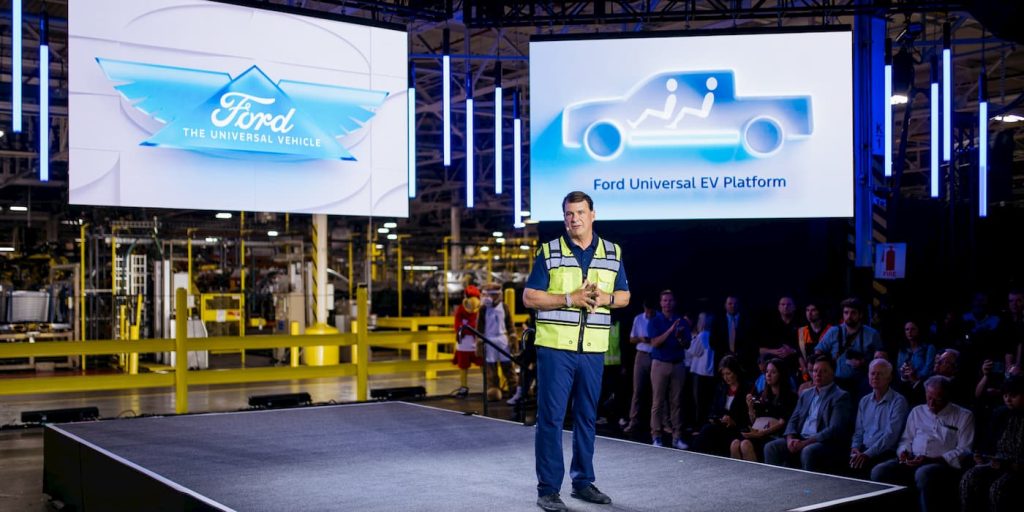
The first vehicle based on the platform will be a midsize four-door electric pickup, starting at around $30,000. Ford aims to begin deliveries in 2027.
According to Ford, the EV pickup will have a lower cost of ownership than a Tesla Model Y and more space than a Toyota RAV4. It will use LFP batteries produced at its Blue Oval Battery Park plant in Michigan to cut costs.
In the meantime, Ford will fill the gap over the next few years with hybrids and EREVs until its next-generation electric vehicles arrive.


FTC: We use income earning auto affiliate links. More.


Comments