
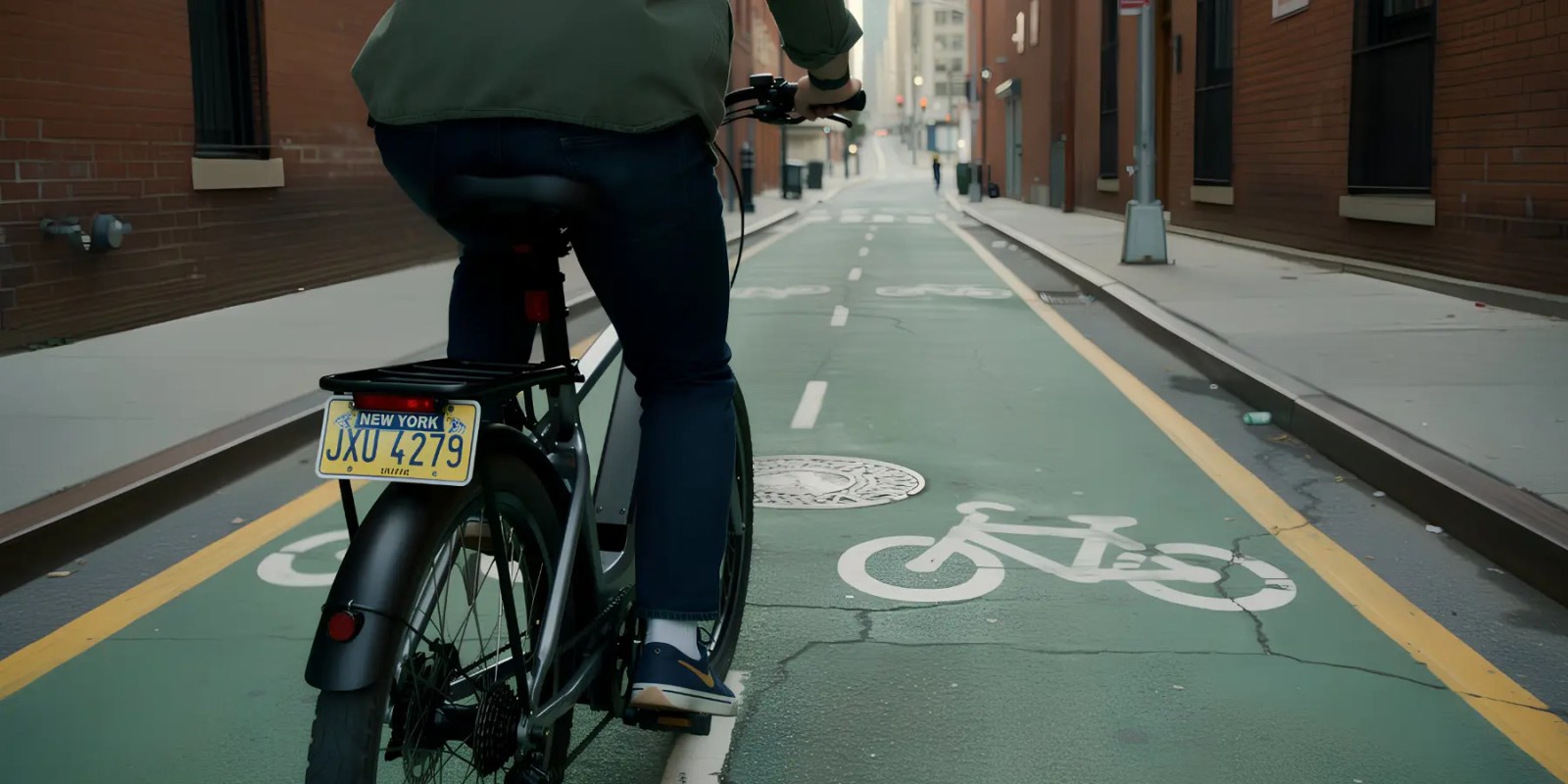
Last week, news of California lawmakers attempting to require license plates for electric bicycles took the internet by storm. But the Golden State isn’t the only one trying to slap tags on e-bikes this year.
New York lawmakers are once again grappling with a proposal that could fundamentally change how electric bikes operate in the state. Known as Priscilla’s Law – formally introduced as S2599A/A339A – the previously passed-over bill would require electric bicycles to be registered and display license plates, similar to motor vehicles.
And after being recommended for passage again last month by the New York State Assembly Standing Committee on Transportation, the idea is very much back on the table.
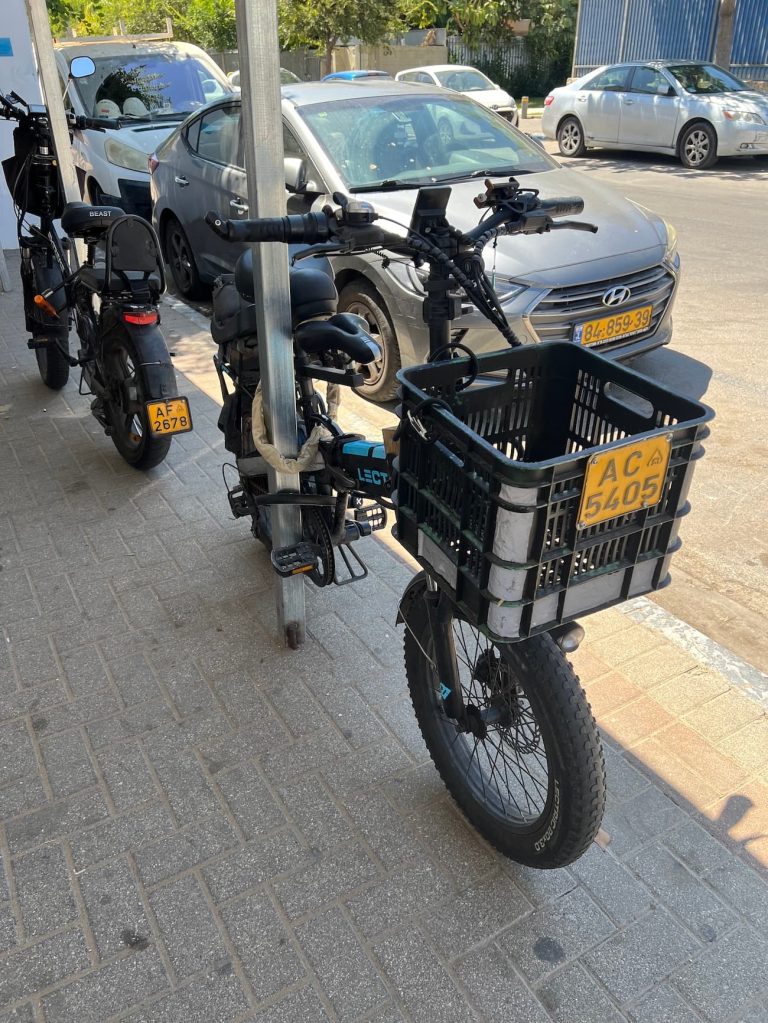
The proposal isn’t brand new. Versions of the bill were introduced last year, but momentum appears to be building as concerns continue over e-bike-related safety issues, particularly in dense urban areas like New York City. The legislation would direct the state to create a registration system for electric bicycles, including unique identifying plates that could be used by law enforcement.
Supporters argue that the bill is less about cracking down on electric bicycles themselves and more about addressing dangerous behavior. Complaints about e-bikes often focus on riders blowing through red lights, riding the wrong way on one-way streets, weaving aggressively through traffic, or using sidewalks in ways that endanger pedestrians. From this perspective, license plates aren’t about taxing or restricting everyday riders, but about accountability.
With visible identification, the argument goes, enforcement could be targeted toward repeat offenders and the most egregious violations, rather than broad, often controversial crackdowns. In theory, it could give police a way to ticket truly reckless riding without resorting to blanket enforcement actions that affect delivery workers, commuters, and casual riders alike.
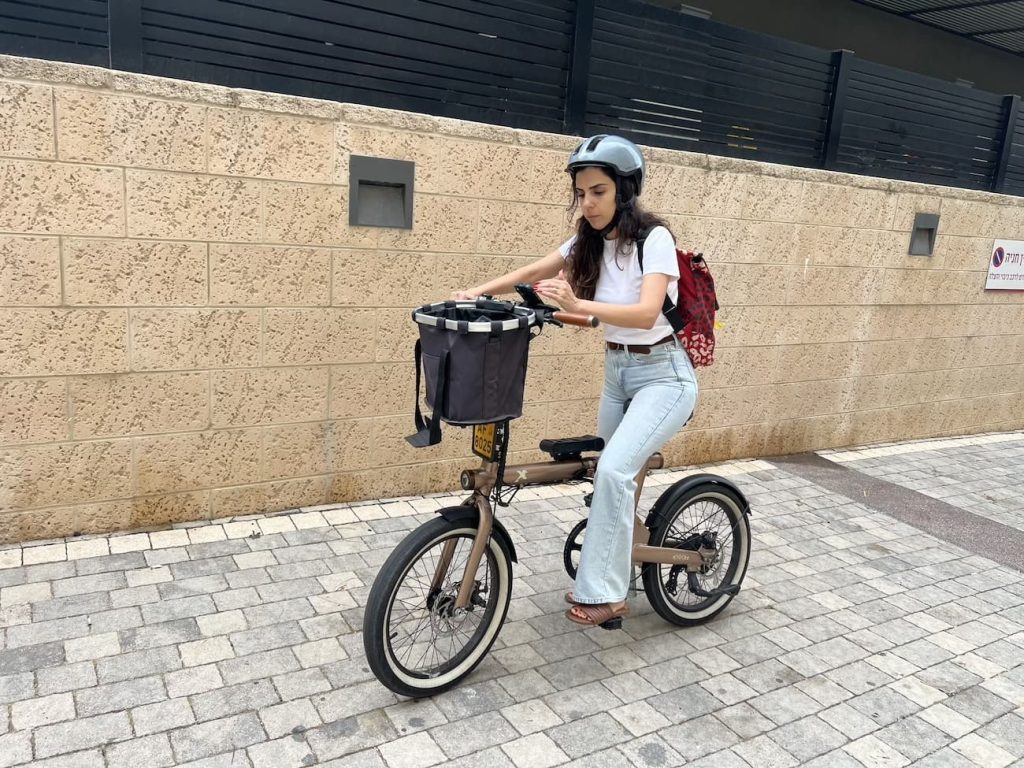
But critics see plenty of potential downsides. One of the biggest concerns is friction. Requiring registration, plates, and likely fees introduces a new layer of bureaucracy for a vehicle class that has largely thrived because of its simplicity. For many riders, especially those using e-bikes as an affordable alternative to cars, added costs and paperwork could be enough to push them back toward less sustainable transportation options.
There’s also the question of scope. Electric bicycles already occupy a wide spectrum, from low-speed pedal-assist commuters to higher-powered throttle-enabled machines that blur the line with mopeds. A one-size-fits-all registration requirement could end up sweeping in riders who pose little risk, while doing less to address the small subset of high-speed or illegal e-bikes that generate many of the complaints.
Top comment by GoldApple
Overregulation without enforcement feasibility breeds selective enforcement. And selective enforcement breeds lawsuits. Once you require plates for e-bikes, why not electric scooters? Why not powered wheelchairs? Why not mobility devices? Why not skateboards with motors. Regulation creep doesn't stop. It expands.
Advocacy groups have also raised equity concerns. Many e-bike riders in New York rely on them for work, including delivery riders who may already face significant economic pressure. Adding registration requirements could disproportionately impact these riders if costs or enforcement are unevenly applied.
At the same time, public frustration over unsafe riding is real, and lawmakers are under pressure to respond. Priscilla’s Law represents one attempt to thread that needle – improving safety and accountability without banning or severely restricting e-bikes outright.
Whether it ultimately passes, and what the final version might look like, remains to be seen. But with renewed legislative attention and growing debate, 2026 could be the year New York seriously considers putting license plates on electric bikes – not necessarily to regulate bicycles themselves, but to regulate the riders using them.
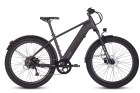
Note: The lead image is an AI-generated example of a potential New York e-bike license plate requirement


FTC: We use income earning auto affiliate links. More.


Comments