
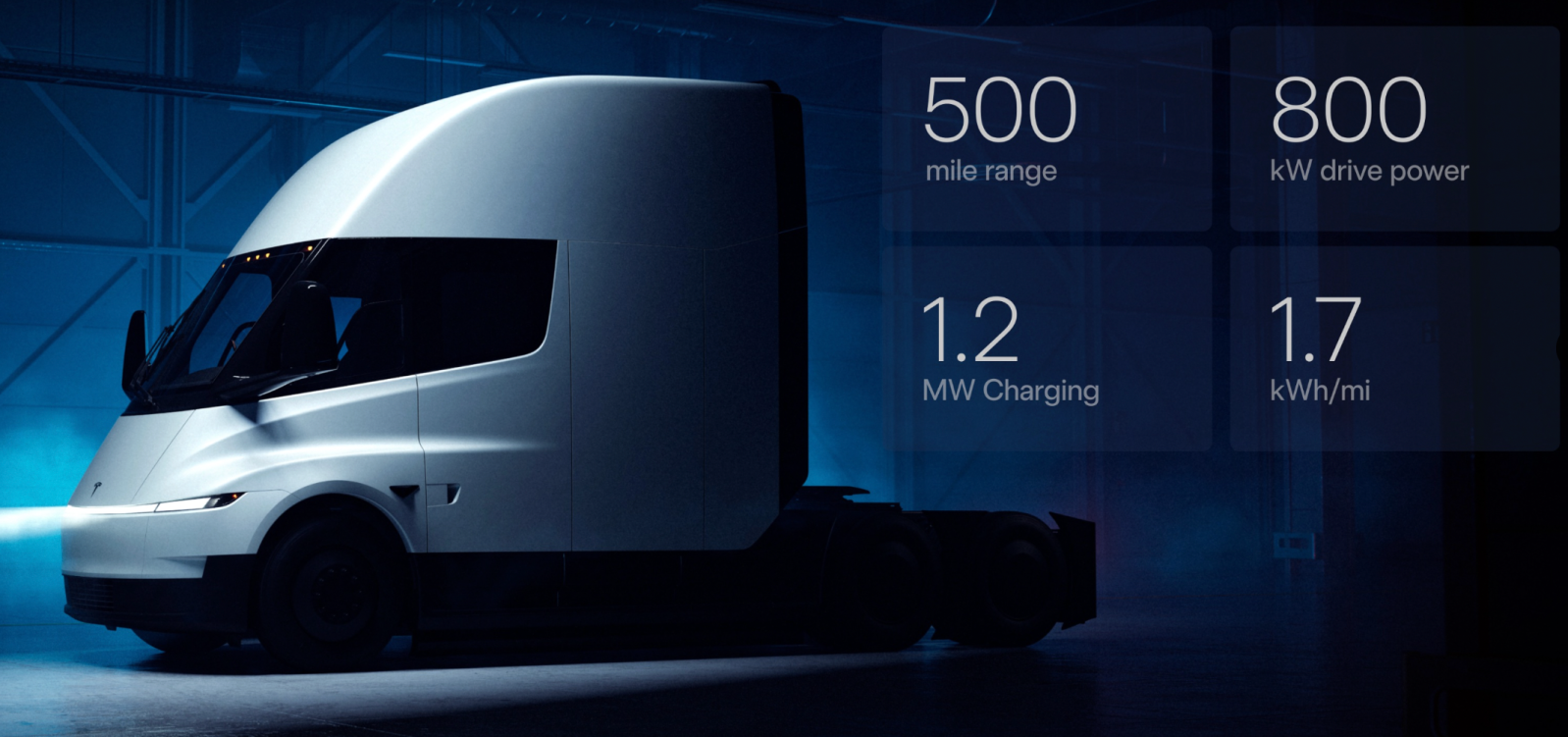
Tesla has updated the design of its upcoming electric semi truck, Tesla Semi, with a redesigned chassis, new headlights, and more.
During Tesla’s annual shareholders meeting yesterday, there wasn’t much discussion of the Tesla Semi, but Musk reiterated that the vehicle, unveiled in 2017, will enter volume production next year.
But Tesla did disclose that the electric semi truck has been updated to be “more efficient”, have an “increased payload”, and now “designed for autonomy.”
The automaker released a new image of the updated Tesla Semi. Here’s a comparison with the previous version:
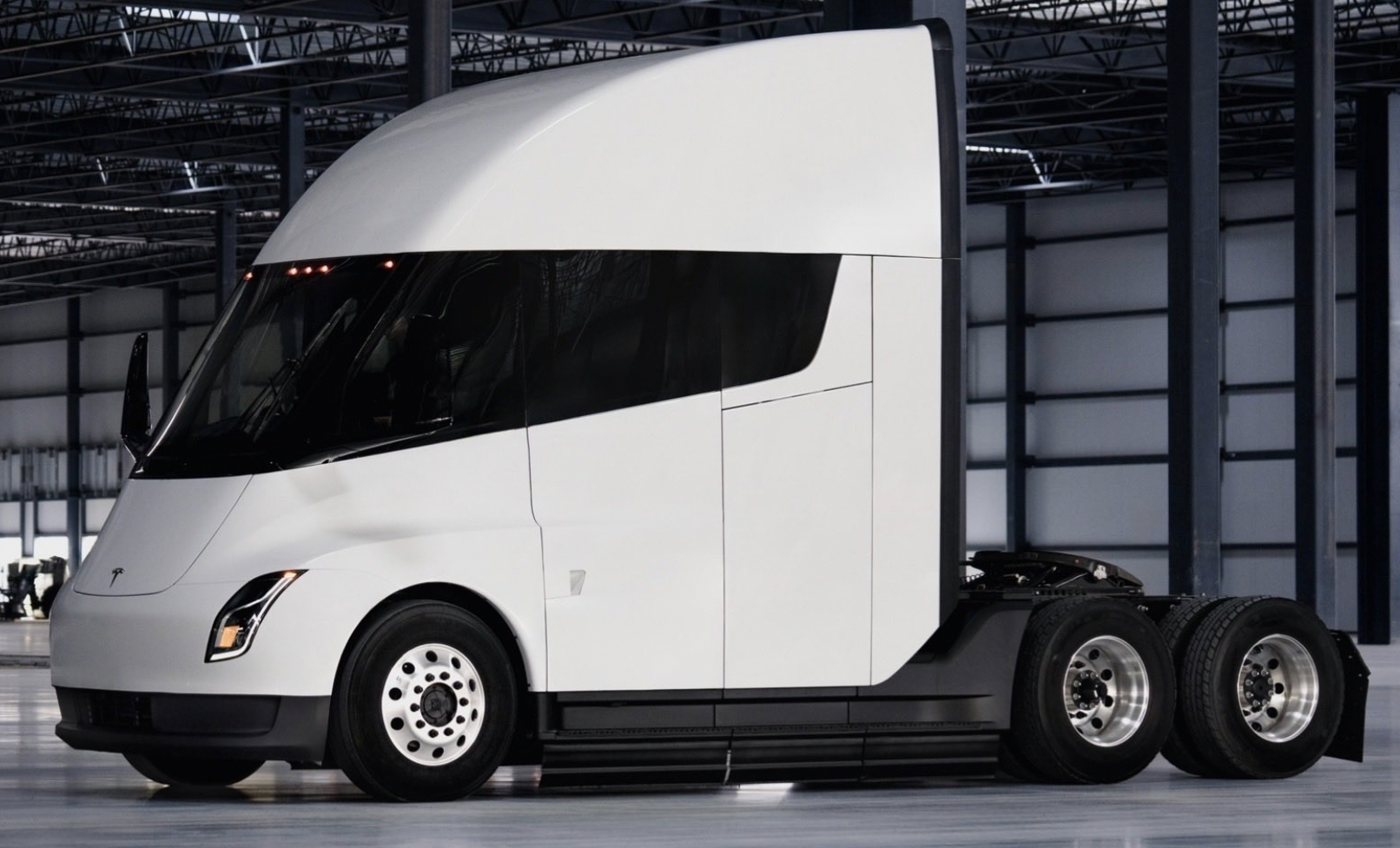
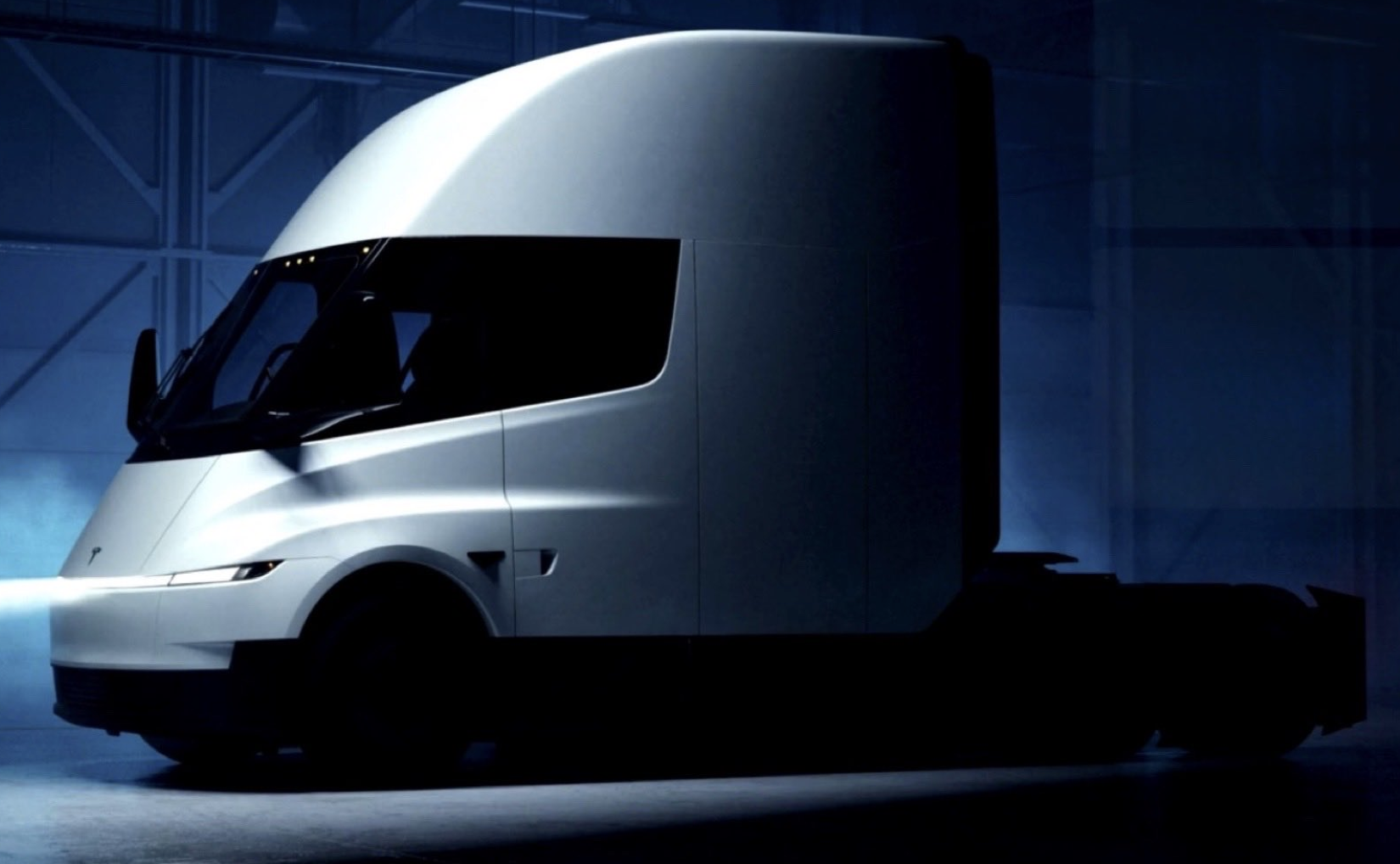
We can see that the wrapped windshield has been scaled down significantly. There’s also a new front bumper, and the roof angle is now more rounded.
There are also new headlights that resemble those in the updated Model 3.
One confusing thing is the reference to the updated design making the Tesla Semi “more efficient,” even though the automaker quoted the previously announced 1.7 kWh per mile efficiency in Tesla’s redesign announcement:

That said, real-world tests of the Tesla Semi have yielded an efficiency of 1.55-1.73 kWh per mile.
Dan Priestley, head of the Tesla Semi program, commented on the changes without going into details:
Immense number of improvements in next year’s Semi stemming from pilot fleet learnings and amazing innovations from the Tesla teams working on it.
Priestley had denied an Electrek report earlier this year that pointed to further delays in Tesla Semi production and deliveries, but Tesla recently confirmed the delay, and Musk reiterated it at the meeting this week.
Tesla is set to bring the electric truck to production at its new factory in Nevada around the second quarter of 2026, with volume production aimed for the second half of the year.
Electrek’s Take
Currently, the biggest unknown about the Tesla Semi is its sticker price.
Top comment by Rob Guerney
The stock stays higher if they keep pretending they are going into production rather than admit defeat. Tesla will sell few, if any without subsidies, if they actually go into production. The industry will stick to the established players, they have reputations, service and parts networks. To establish a network, Tesla would have to spend millions/billions and may no longer have the proflts to do so to build a network. Fleets may buy a few to test, but the test cycle is 5-7 years.
I've also been saying in here, that i dont think they have enough weight on the front axle, this sounds like that is part of the redisign to achieve "inreased payload capacity". They may have had to move the batteries forward and the interior may be much different, and some of the aerodynamics may be lost. But if my theory is correct, it shows they knew little about the industry when they released the original design. They already got rid of the frunk, and replaced it with the HVAC system, but that probably wasnt enough.
Most fleet managers are smart enough to not commit a lot to a new player, and new design, unlike Hertz, who drastically overbought Tesla's to disastrous results.
Tesla had initially announced a starting price of $150,000 for the 300-mile version and $180,000 for a 500-mile version, but that was all the way back in 2017, and the automaker never publicly updated pricing since.
We reported that an early Tesla Semi customer claimed there was a “dramatic” price increase.
Even with a higher sticker price, the cost of operations of the Tesla Semi should be low enough to make it viable for many applications.


FTC: We use income earning auto affiliate links. More.




Comments