
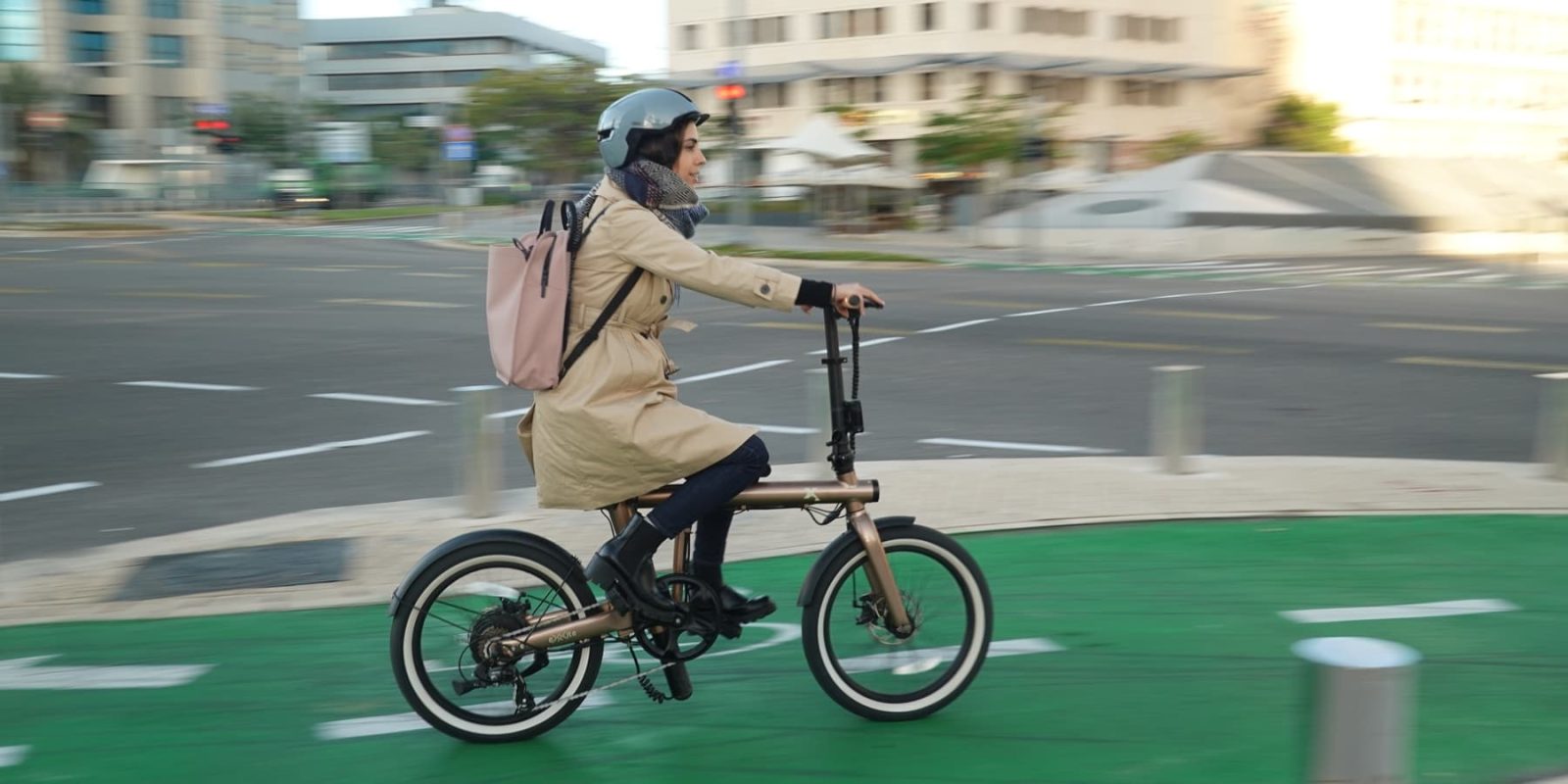
As more riders switch to using two wheels for many of their journeys around town, it’s important to remember that the convenience of an e-bike doesn’t mean it’s totally maintenance-free. Even if you’ve chosen a model designed to minimize maintenance, there are still a few things that can creep up on you. Here are three areas I recommend taking a look at before winter hits.
The other day, I finally got around to doing a once-over on my wife’s e-bike to perform all three of these checks – and it’s a good thing I did.
She’s a year-round rider who commutes to work each day on her bike, which I love, but it also means her ride takes a beating over time. I’m the one who handles the e-bike maintenance in our home (hey, we all have our specialties), and so I try to do periodic checks on her bikes since I don’t get a sense of them like I do my own bikes several times a week.
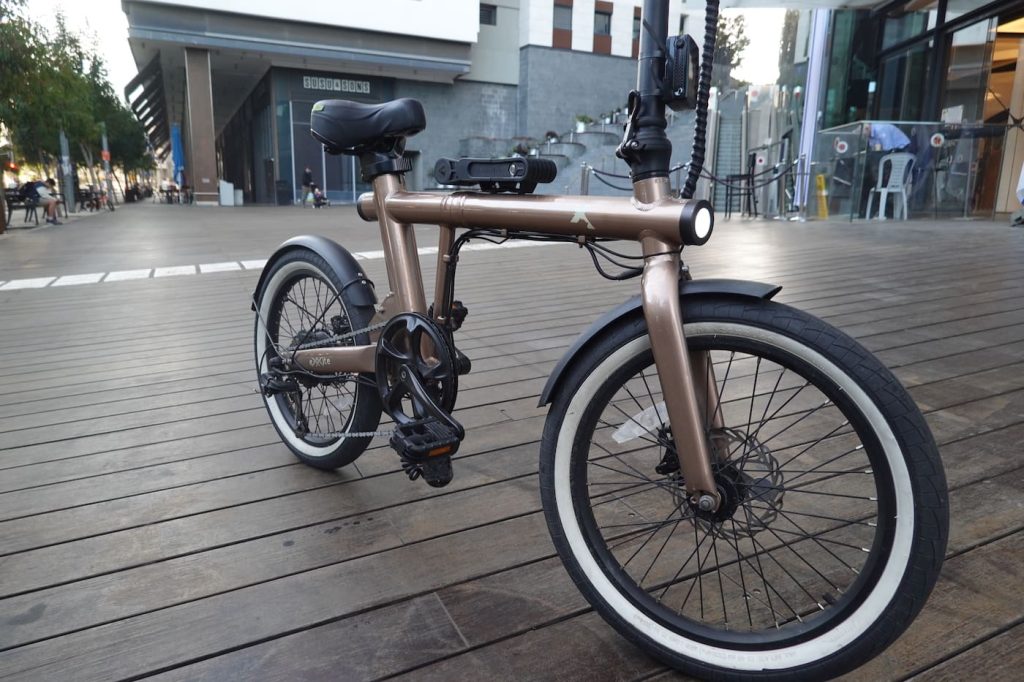
So there I was, with her bike flipped upside down in the middle of the living room like a good apartment-dwelling cyclist.
What started as a quick once-over turned into a reminder that there are three critical maintenance checks every e-bike rider should do before winter (or really, any time). I figured I’d turn my own experience into a friendly PSA, because if your bike looks anything like hers did, it’s time for some TLC.
The three areas that can often get away from riders are their tires, their brakes, and their spokes (especially on a hub motor e-bike). Here’s why they’re so important, why they’re so easy to forget, and what to do about them.
1. Replace those worn-out tires
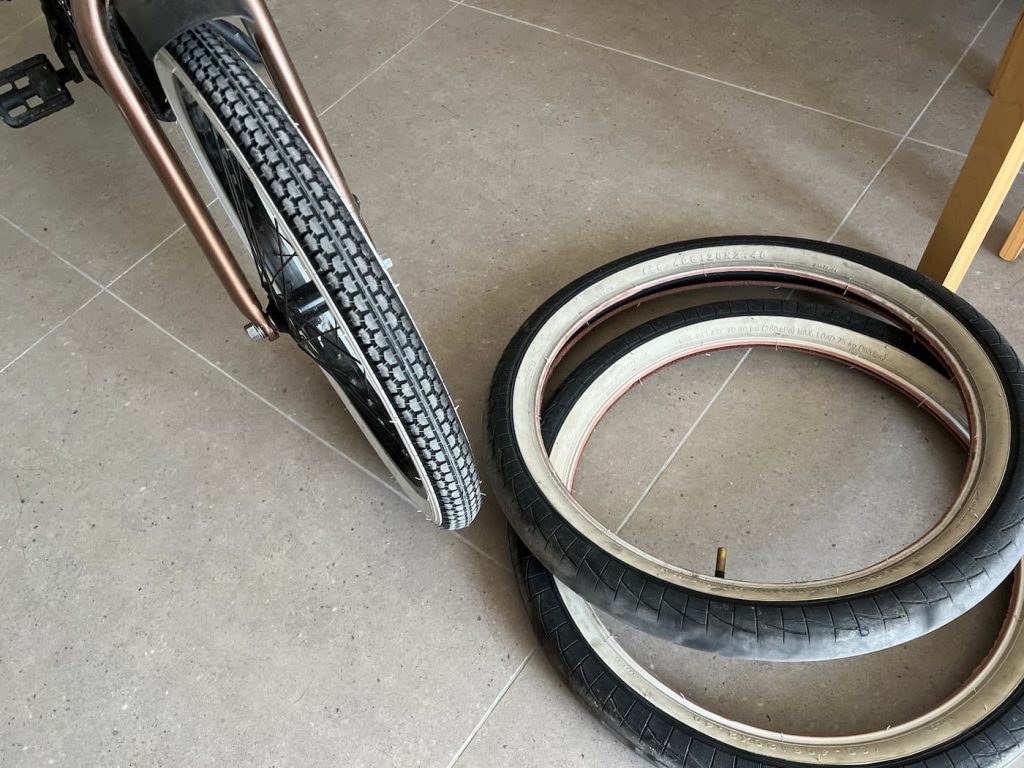
My wife started riding to work daily just over two years ago, and she’s been on the same set of tires since then. Her stock tires were already a street tread that bordered on slicks, but when I went to do her few-month checkup, I realized her rear tire was basically bald and the front wasn’t far off. That’s not great under our normal conditions, but it’s downright dangerous heading into winter, when wet roads, fallen leaves, and potentially snowy or icy patches are just waiting to steal your traction.
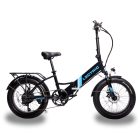
She wanted to stick with whitewall tires, and unfortunately, there aren’t many great options for whitewall tires in a 20″ size, so she ended up with slightly narrower tires. But I did swap on some new street options, and now she’s set for the winter.
Tires can get away from new riders since they aren’t a touch point, and riders aren’t often looking at their tires each day the same way they are other parts of the bike that are closer to eye level. But new tires give you better grip, better stopping power, and a lot more peace of mind.
If your tires are looking cracked, slick, or just plain tired – replace them. For winter, I like to recommend tires with a more aggressive tread pattern, or even studded tires if you’re riding in snow and ice. It’s a cheap investment for a major safety upgrade.

2. Inspect (and replace) broken spokes
Broken spokes can become a common problem on hub motor e-bikes after a few years, especially lower-cost models that prioritize budget pricing. That’s the trade-off: you get better pricing up front, but you pay for it on the backend with components just not lasting as long.
While I had the wheels off of my wife’s bike for the tire swap, I gave the spokes a quick check – and found three broken ones in her rear wheel. That might not sound like a big deal, but broken spokes, especially in hub motor wheels, can throw the whole thing out of balance. Over time, it can lead to wheel wobble, motor strain, or worse – a dangerous crash.
And to make matters worse, broken spokes are a runaway condition. As soon as one goes, there’s more load on the others near it, meaning if they are already weakened, they’ll start popping too. That leaves even fewer spokes supporting the load, and suddenly you start hearing wind chime sounds from your rear wheel, followed by an awfully rough ride. So if you ever notice one broken spoke, it’s time to replace it right away.

I measured her spokes, found a 10-pack of replacements that were only a few millimeters off, and replaced the broken spokes (if you can land within 2-3mm of the right length, you’re probably fine). This job is a bit trickier and will require truing the wheel afterwards, so it’s best to let a bike shop handle this task if you aren’t up for learning to true your own wheel. But with a half hour of work and only minimal swearing, I had her wheel as good as new.
A lot of new riders just assume spokes last forever, and while good ones nearly do, budget bikes with wheels that just weren’t that well built to begin with (or used cheap spokes) can start showing their age in a few years. It’s a good reminder that just because the wheel spins doesn’t mean it’s healthy. Grab each spoke and give it a gentle squeeze – if any are loose or broken, don’t wait to fix them.
3. Check your brake pads (seriously)
Brakes are the third thing that is an “out of sight, out of mind” situation for a lot of riders. Your brakes might feel fine with the proper cable length or well-bled hydraulic lines, but your pads could be so worn down that you’ll soon run out of braking power.
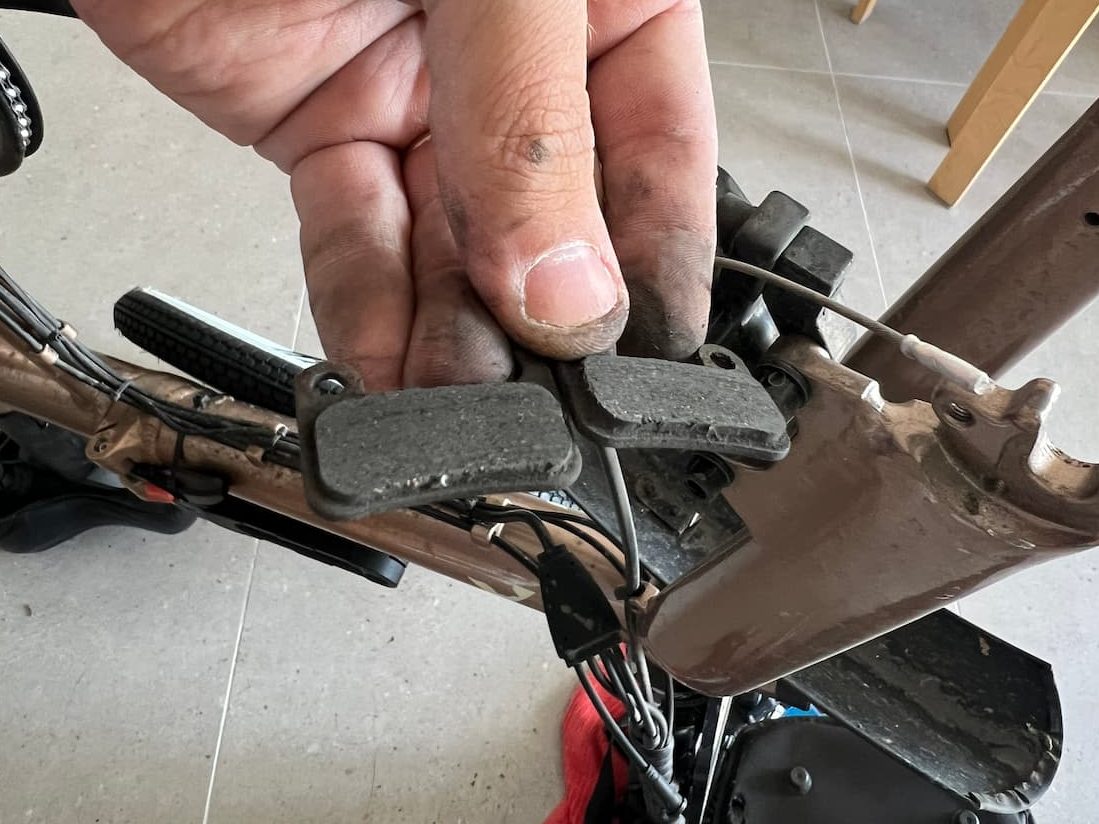
While I already had her wheels off to change tires, I popped my wife’s brake pads out to inspect them. This is the one area she actually passed. Her pads showed wear but still had some good life left in them. For folks who don’t ride too fast, or don’t bomb down hills, or are just petite riders, brake pads can last a long time. But if you carry cargo, ride faster, or are a heavier rider, your brake pads can wear down to the bare metal quicker than you might think.
Brake pad wear can sneak up on you, especially if your e-bike has more weight and speed than a typical pedal bike. Pull the pads and check the thickness – if they’re worn down to 1mm or less, it’s getting close to time for new ones. It’s a five-minute job that can literally save your life. And while you’re at it, clean your rotors and make sure the braking surface is oil-free and smooth.
This wasn’t a major repair day. All three of these checks, plus the two repairs, took a bit over an hour or so. It was more or less a quick maintenance session that reminded me how easily small issues can snowball if you’re not paying attention.
While I know to watch for these things on my bikes, my wife is a newer rider who, like countless others, might not be thinking about the details when the bike is just a tool to get to work.
So let this be a reminder that whether you ride daily or just occasionally, now’s the time to give your e-bike a pre-winter tune-up. Tires, spokes, brakes – they’re the hidden things many riders forget about day-to-day, but they can be the difference between a safe, smooth ride and a mid-commute disaster.
What other components would you recommend occasionally doing a bit of a deeper inspection on? Let me know in the comment section below!


FTC: We use income earning auto affiliate links. More.


Comments