
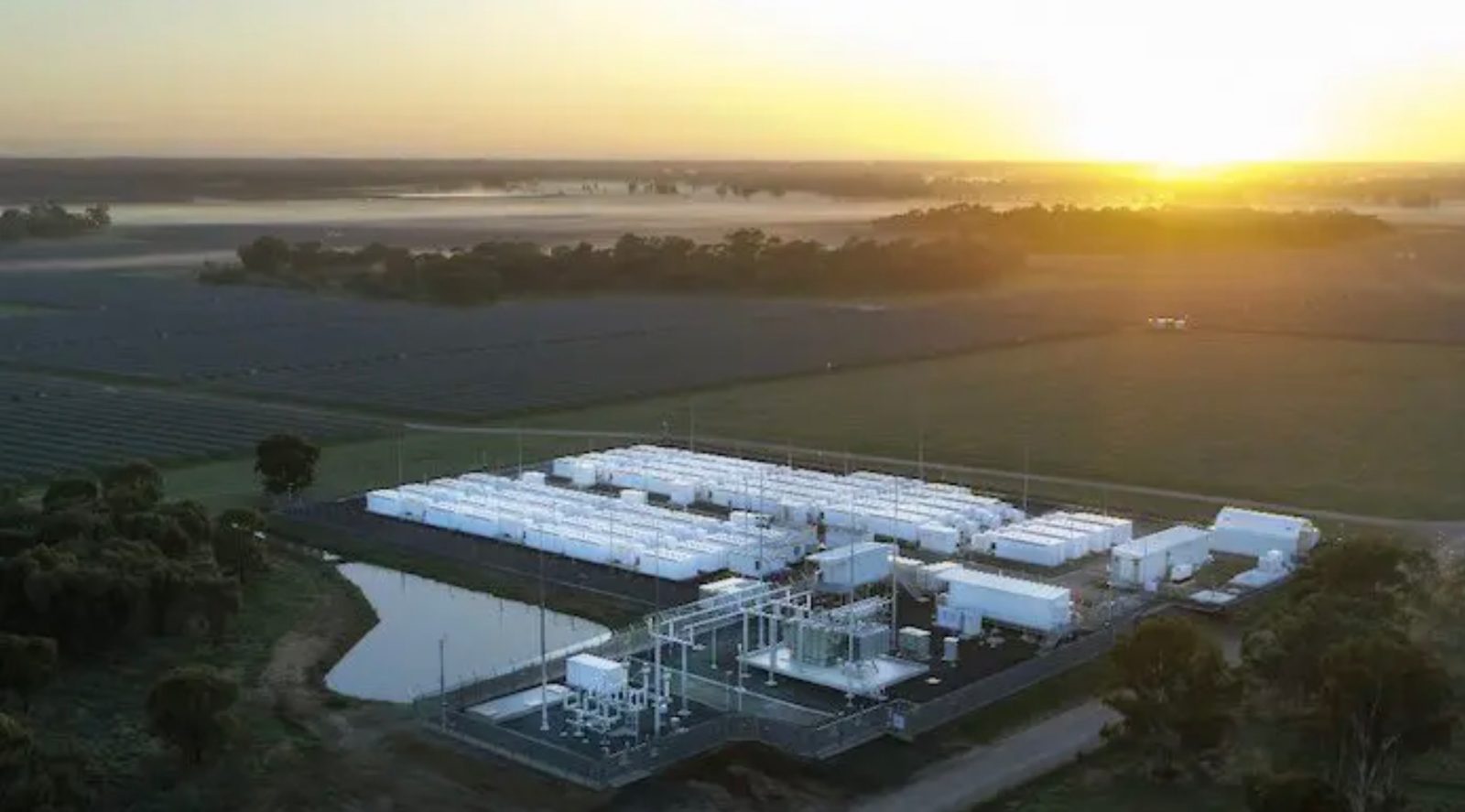
A giant new Tesla Megapack project with 300 MWh of energy capacity has come online in Australia to help stabilize the grid and make better use of renewable energy.
Energy storage is currently the missing link in the renewable energy solution.
Many countries are cleaning up their grids by heavily investing in clean energy sources like solar and wind, but the intermittent nature of those energy sources can be a problem.
That’s where battery systems come into play. They allow storage of the energy when solar and wind electricity production outpaces demand and send the energy back into the grid when needed.
The first successful example of a large-scale lithium battery storage system deployment was the “Tesla big battery” in South Australia.
Australia has deployed a lot of rooftop solar power, but its grid hasn’t caught up to that new capacity.
Since the success of the Tesla Big Battery, the country has embraced energy storage and Tesla’s Megapack has been the battery of choice.
Top comment by Brett Chandler
I wish there were a greater sense of "energy literacy" out there. Most people see a project like this and jump to the conclusion that it's for backup in the event of an outage, when it's almost never used like that.
Most of us are at least vaguely aware of the idea that demand rises and falls during the day, but little sense of what we do to address this variation.
Last year, we reported on a new project called “Riverina and Darlington Point Energy Storage Systems,” which will consist of three clusters of battery packs located in the Murrumbidgee Shire, the Riverina region of New South Wales.
- 60MW / 120MWh Riverina Energy Storage System 1
- 65MW / 130MW Riverina Energy Storage System 2
- 25MW / 50MWh Darlington Point Energy Storage System
It was announced that the project will use Tesla Megapacks.
Today, Edifiy Energy and Federation Asset Management, the two companies behind the project, confirmed that they have turned on and connected the Tesla Megapacks to the grid.
They will use Tesla’s energy management software, including the new “virtual synchronous generator” mode – which basically mimics a fossil fuel peaker plant – to help stabilize the grid and make better use of the region’s growing solar power capacity.


FTC: We use income earning auto affiliate links. More.




Comments