
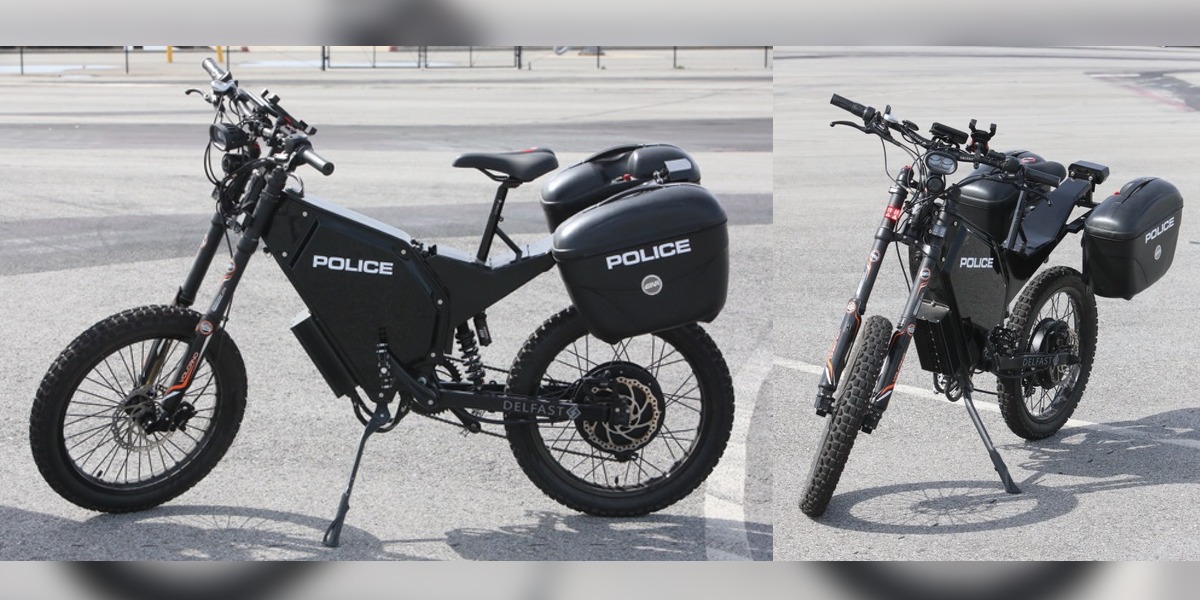
Police departments have been increasingly turning to electric bicycles as a new tool for patrols, and in at least some cases, federal money is helping put officers in the saddle.
The latest example comes from Clinton, where the local Police Department and County Sheriff’s Office recently received five all-terrain e-bikes for use in areas that officers previously had to patrol on foot.
The Recon Power Bikes include three units for the Police Department, including one designated for its mental health co-responder, along with two bikes for the Sheriff’s Office. The bikes and additional equipment were fully funded through the Edward Byrne Memorial Justice Assistance Grant.
That program is one of the primary sources of federal criminal justice funding distributed to state and local governments, and in this case, some of that money is being used to give officers a new form of electric transportation.
The e-bikes have already been in service for a couple of weeks. With speeds of up to 20 mph (32 km/h) and a claimed range of up to 50 miles (80 km), they can cover significantly more ground than officers on foot or pedal bikes while still accessing trails, parks, and other areas where patrol cars aren’t particularly useful.
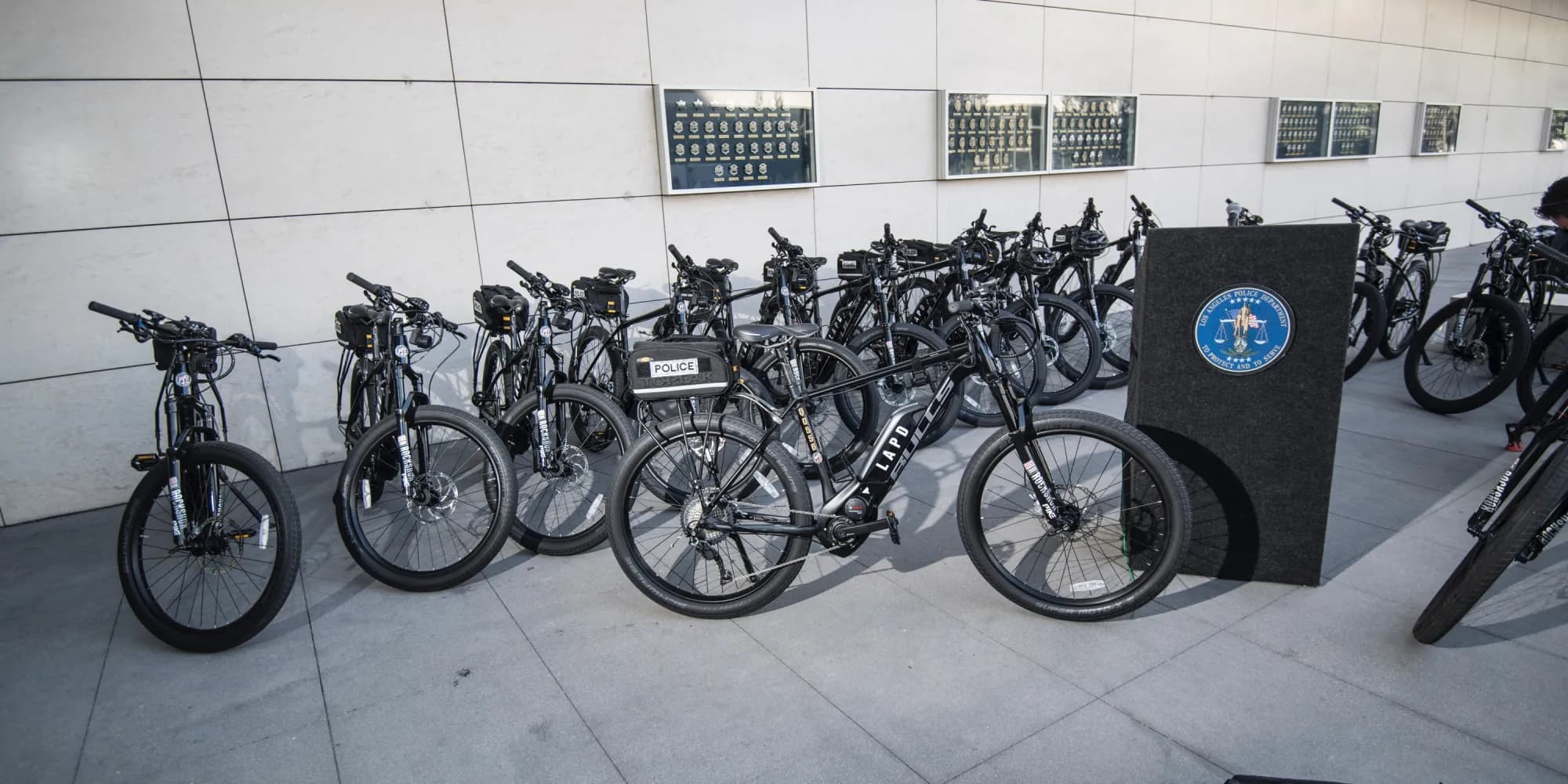
It’s part of a broader trend we’ve been watching as police departments increasingly adopt e-bikes for everything from trail patrols to downtown policing and community engagement.
The appeal isn’t hard to understand. Compared to patrol cars and motorcycles, e-bikes are relatively inexpensive to purchase and operate. They don’t require gasoline, can squeeze through areas inaccessible to larger vehicles, and allow officers to cover considerably more ground than traditional bicycle or foot patrols.
They can also make police more approachable. An officer rolling slowly through a park or downtown area on a bicycle is much easier to interact with than one sitting behind the windows of a patrol car.
E-bikes obviously aren’t replacing police cruisers anytime soon, but they don’t need to. They’re increasingly filling the sizable gap between foot patrols and full-sized vehicles.
And with federal grant money potentially covering the entire cost, it’s not hard to see why more departments are giving electric two-wheelers a try.
via: Clinton Herald


FTC: We use income earning auto affiliate links. More.


Comments