
Electric cars are often marketed as having “x” miles of EPA-estimated range, but that doesn’t mean that’s how many miles you’ll be able to get out of yours. That’s the reality facing a growing number of Redditors who are sharing their EV commuting experiences online — and their real-world results might surprise you!
In a recent post to r/electricvehicles, a Redditor going by TallWall6378 shared that they weren’t seeing anything like their Ford E-Transit’s EPA-rated 116 miles of range per charge – they were getting a lot more!
“All summer I get 140 miles range in my 116 mile rated Ford E-transit due to my typical 40 mph windy road drive into town, with very little use of friction brakes,” writes TallWall6378. “And that’s with 1,800 pounds payload as my baseline (verified today on scales). So about 20% better than rated, but kind of an unusual vehicle.”
Van-tastic range
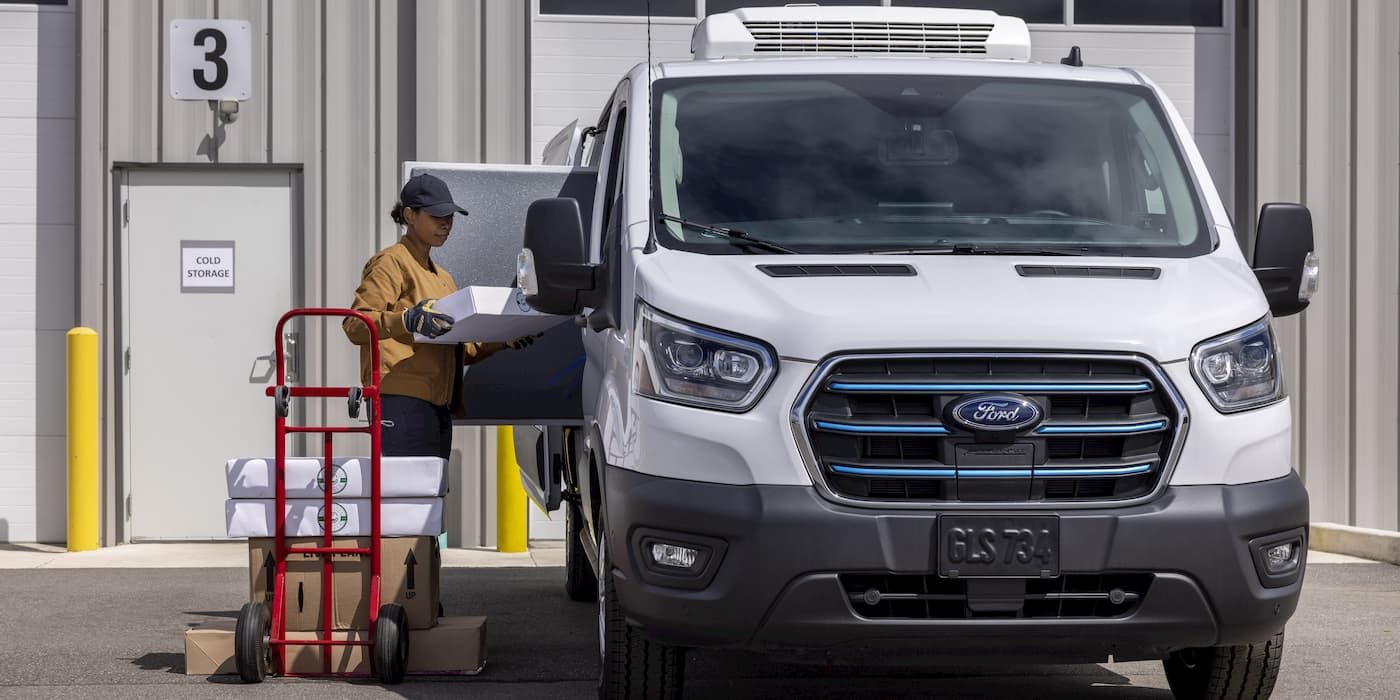
TallWall6378’s real-world range results are impressive – but they were quickly one-upped by another E-Transit owner going by FlatDiscussion4649. “I’m doing slightly better with the same vehicle @ 150 miles in summer (2.2 miles per Kw),” they wrote. “I always keep it in ‘eco’ mode and I try not to use more than 30% of the power available when accelerating. I drive about 60 miles per trip and at least 20 miles of that is at 60 mph, Probably another 20 miles at around 50 mph and the rest @ 30-40 mph.”
Other Redditors quickly piled on, sharing not only their anecdotal experiences but photos of their in-dash range guess-o-meters (GoMs) for additional back up and validation.
Range guess-o-meters
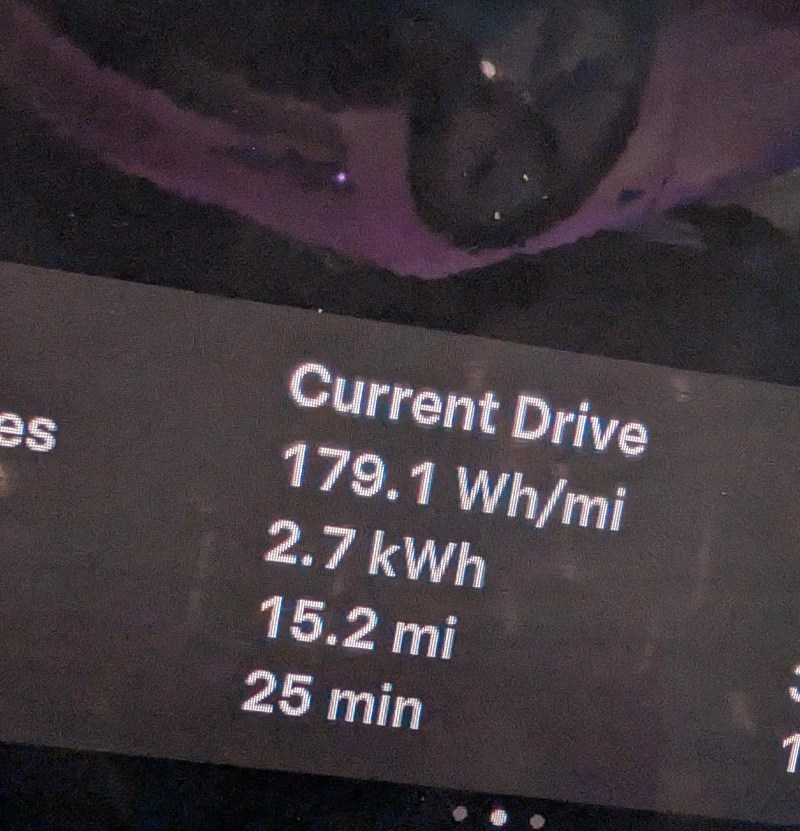
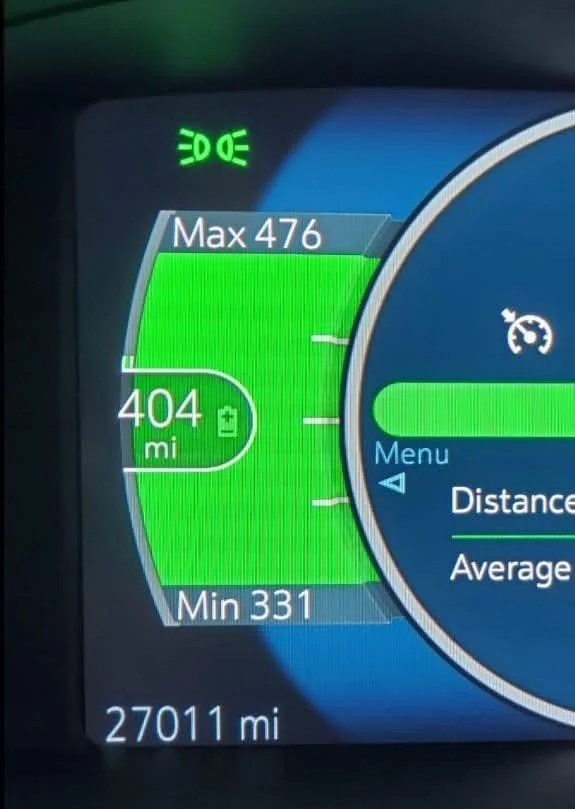
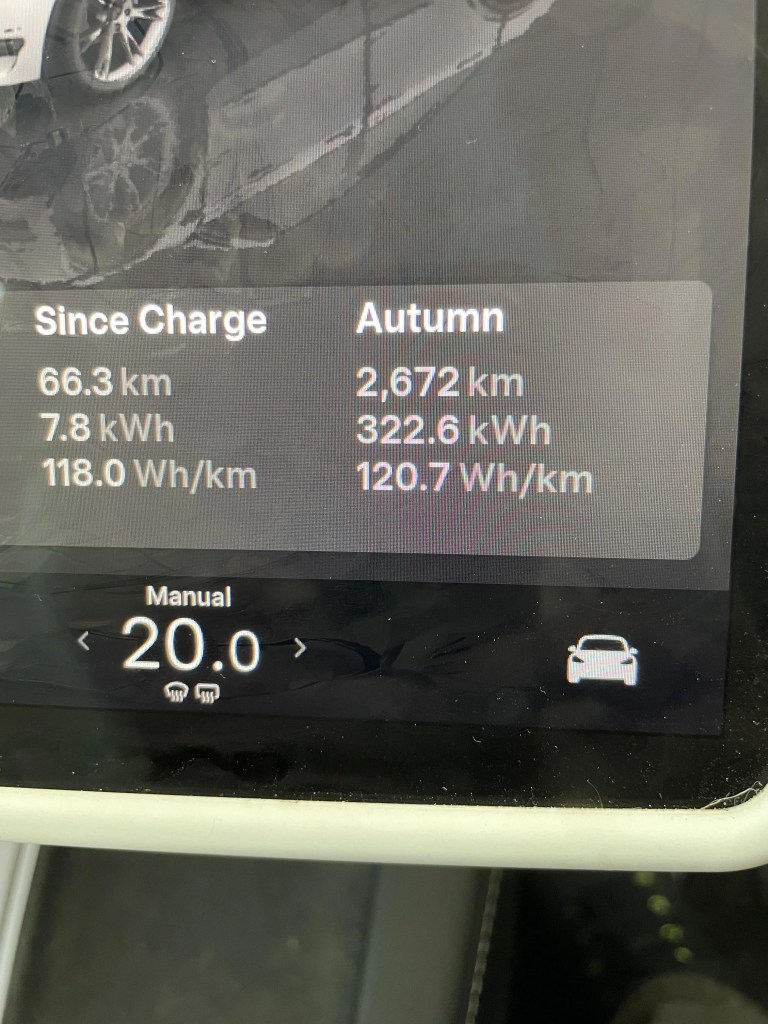
That last GoM works out to about 5 miles of driving per kWh of battery capacity, and jifff’s description of their commute might sound pretty familiar to suburban parents. “Over 8km/kwh (5mi/kwh?),” they write, “my commute/suburb is mostly 30kmh zones with speed bumps and schools everywhere 😝”
Others piled on. “The EPA says my Kia does 240 miles on a charge,” writes Traditional-Forum. “In good weather I get 100 extra miles on a regular basis! Certainly some of it is driving style, but it is widely reported that these early Kia EV’s are hyper efficient.”
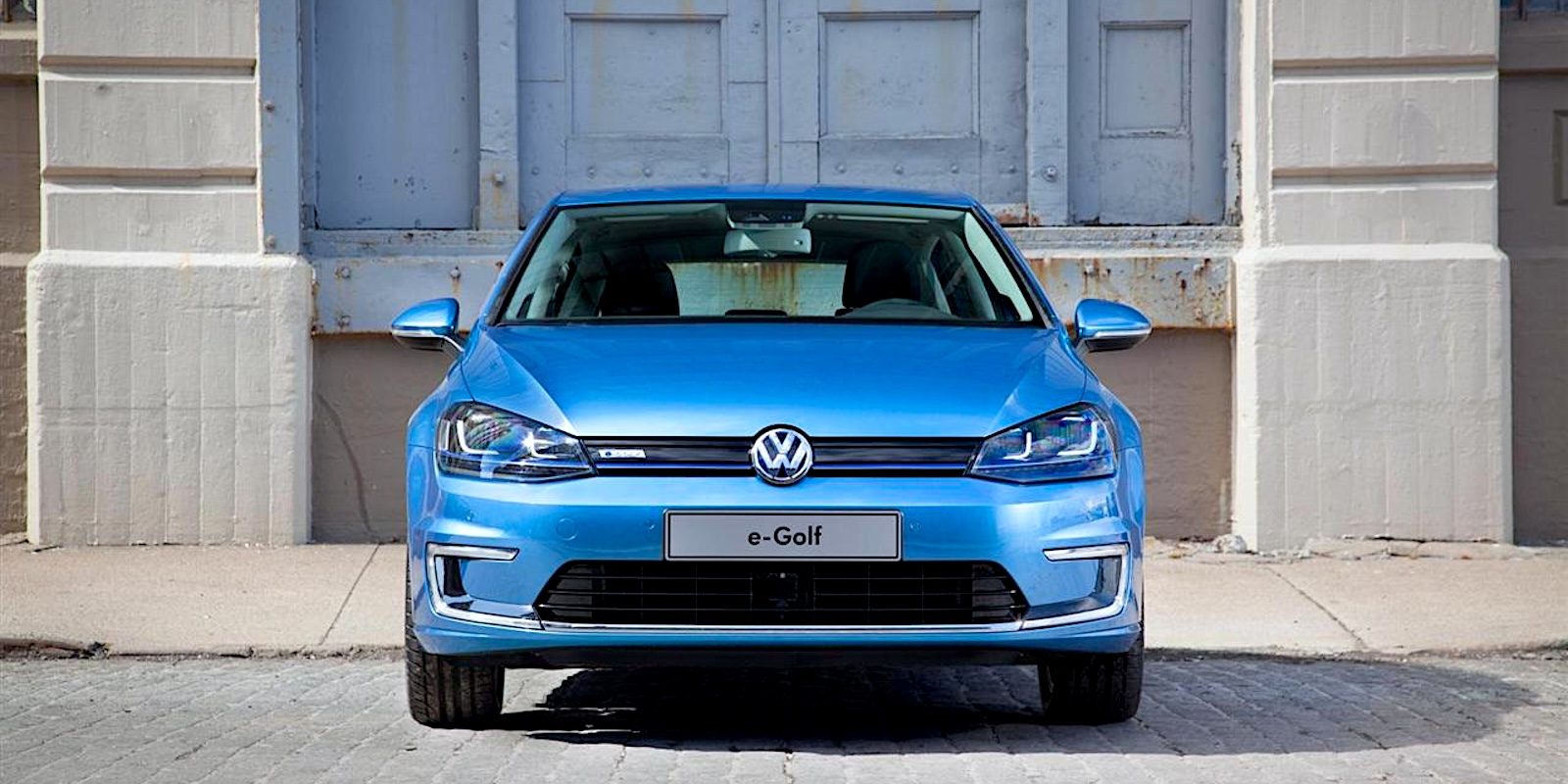
My favorite personal EV range story, though, is the one shared by a user going by pimpbot666, who wrote about one of my personal favorites, the Volkswagen eGolf.
When my wife drives the ’19 eGolf to work, she comes back with some crazy numbers.
eGolf has 125 miles EPA rated range. We usually show around 135 miles on the guess-o-meter in moderate weather on a full charge after some average around town and a little freeway driving.
Her commute is 52 miles round trip, over a ridge that peaks 900 feet above sea level. The house is at 180 feet above sea level. This has a lot of stop and go traffic.
She leaves with 135 miles and comes home with … 110 miles on the guess-o-meter. Average consumption shows up to 5.5mi/kWh when she commutes. Normally, we see around 4 to 4.5 miles/kWh.
The next day when we charge it back up to 100%, the guess-o-meter will show up to 155 miles, but drops fast in average driving.
Taken altogether, these real-world snapshots prove that whether it’s an affordable VW eGolf or a late-model Lucid Air, EV drivers out in the real world are seeing range that’s meaningfully and measurably better than the EPA range estimates might suggest, underscoring the fact that those range estimates aren’t “ideal scenarios,” as many EV critics suggest, but rather exactly what it says on the tin: estimates.
What’s more, by the EPA’s own admission, their range estimates are a bit conservative. “The city and highway driving ranges determined from this testing are adjusted to account for real-world factors that are not represented on the laboratory test procedures,” reads the EPA’s official explainer site. “These factors include such things the impact of air conditioning, of cold temperatures, and of high speed and aggressive driving behavior. Although the regulations allow some optional approaches, the most common approach is to use a factor of 0.7 to adjust all the test parameters, including range. For example: An EV achieves 200 miles on the highway laboratory test. Real-world highway driving range → 200 x 0.7 = 140 miles to account for aggressive driving and HVAC use.”
What they’re getting at there is that (as ever) when it comes to efficiency, it is often more important how you drive than what you drive – and beating the EPA estimated range estimate isn’t just theoretically possible … a lot of people are already doing it.
Top comment by JeezElonWTF?
I’m glad to see that so many people are taking their time, driving conservatively and getting more than their GoMs predict. I’ve always had a different experience in my Teslas of course. I’ve learned to be chill around corners and turns for the sake of the tires. But I enjoy the acceleration way too much. I chalk it up to charging from my solar panels during the day when I’m working from home. So I think of the miles as almost free.
How about you guys? Are your real-world range results better or worse than what the EPA thinks you’ll get, or are you making them look like chumps? Head on down to the comments and let us know.
SOURCES: Reddit, EPA; featured image via Volkswagen.

If you’re considering going solar, it’s always a good idea to get quotes from a few installers. To make sure you find a trusted, reliable solar installer near you that offers competitive pricing, check out EnergySage, a free service that makes it easy for you to go solar. It has hundreds of pre-vetted solar installers competing for your business, ensuring you get high-quality solutions and save 20-30% compared to going it alone. Plus, it’s free to use, and you won’t get sales calls until you select an installer and share your phone number with them.
Your personalized solar quotes are easy to compare online and you’ll get access to unbiased Energy Advisors to help you every step of the way. Get started here.


FTC: We use income earning auto affiliate links. More.





Comments