
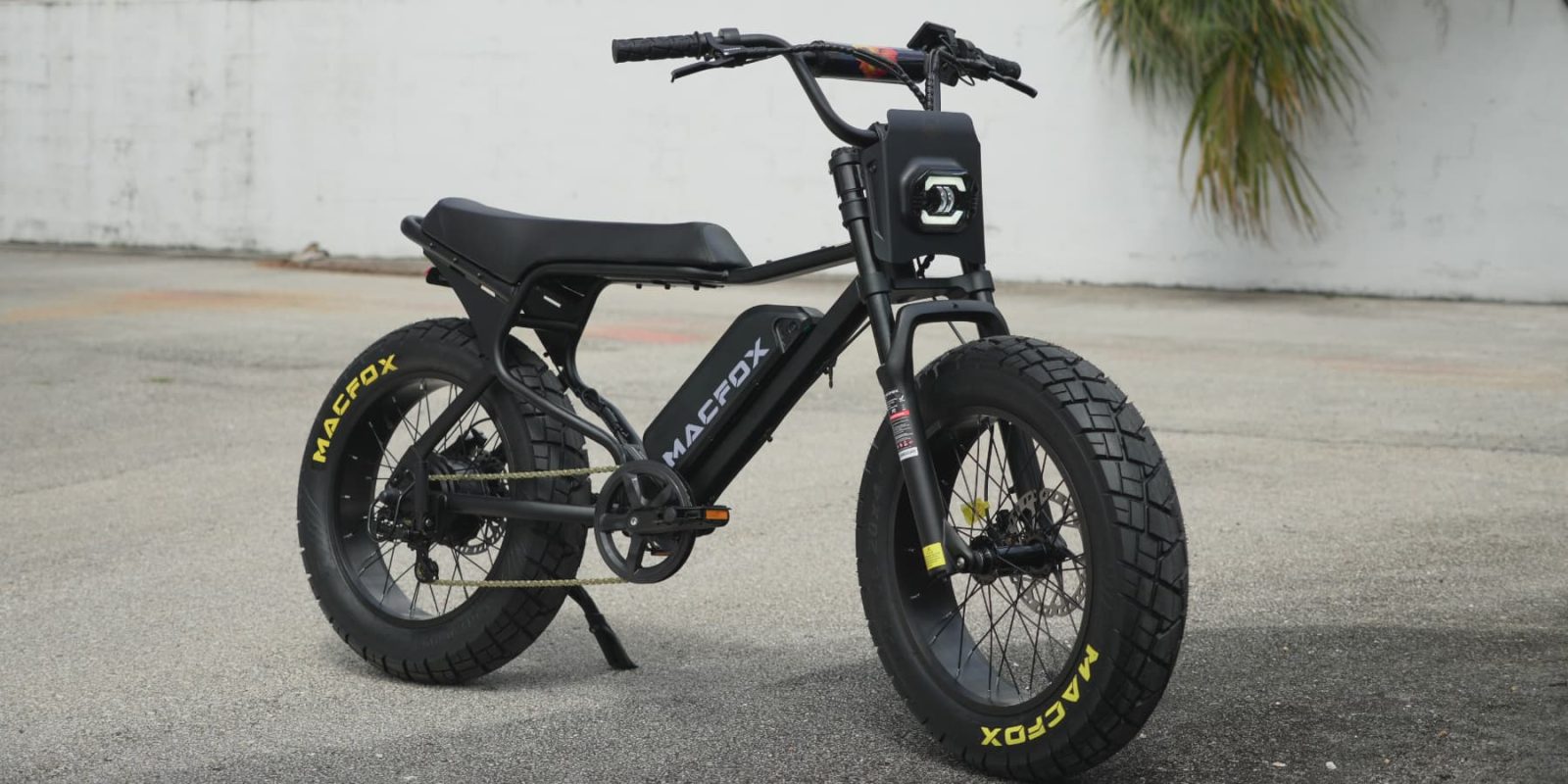
Illinois just signed a sweeping new electric bicycle law that, among many other changes, finally answers a question that has been hanging over the rapidly growing market for high-powered electric bikes: What exactly are we supposed to do with all of these 35 and 40 mph “e-bikes” that don’t fit into the normal three-class electric bicycle system?
The answer, at least in Illinois, is to treat them more like motorcycles.
It’s a solution to a growing issue in the e-bike industry, which spans a wide range of electric two-wheelers. Even the term itself has become problematic, as “e-bikes” has been applied to everything from electric-assisted children’s bikes to full-size electric motorcycles from manufacturers like Zero and Harley-Davidson.
More specific legal terms such as “electric bicycles” has helped differentiate the various types of e-bikes further. “Electric bicycles” are a legal group, typically split into Class 1, 2, or 3 models in most states that are widely accepted as street legal in the US and can have top speeds of between 20 to 28 mph (32 to 45 km/h) depending on the class. Further down the spectrum are more powerful e-bikes that still fall below traditional full-size electric motorcycles and are sometimes referred to as “e-motos.” They can often reach speeds of 35 to 40 mph – or more – and fall outside the widely agreed-upon electric bicycle classification system.
These faster models are generally not legal for use on public roads in most states and thus are considered off-road only vehicles, despite many being predominantly operated on-road in spite of legal restrictions.
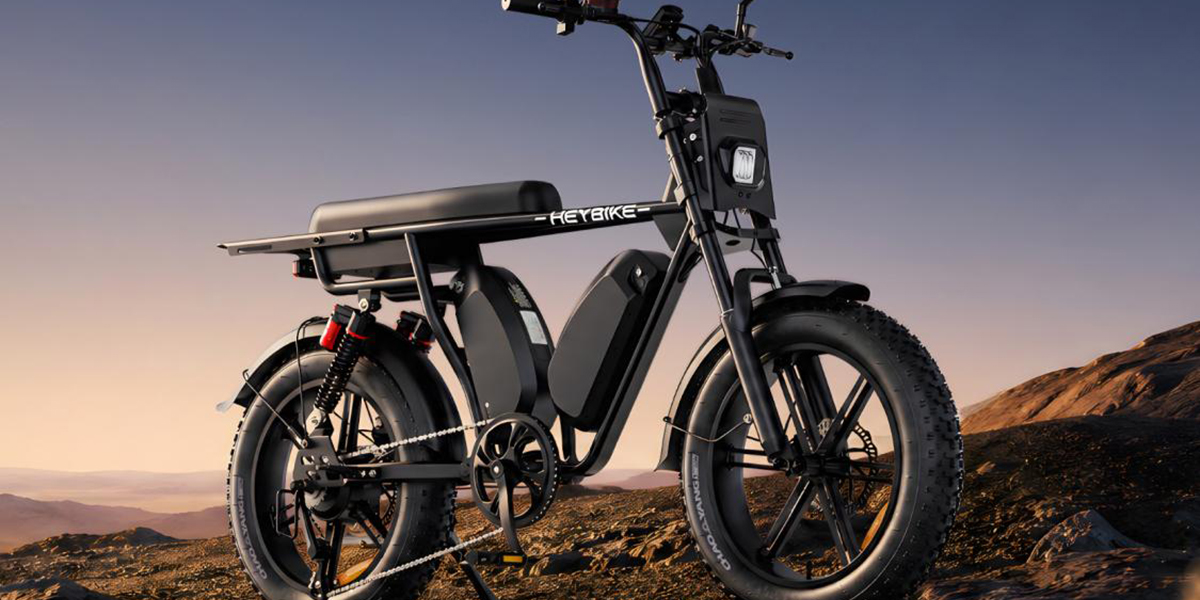
Illinois’ new law theoretically creates a path to legally ride these machines on public roads. However, there’s one rather large problem: Most of the fast e-bikes currently being sold in the US probably can’t actually use that path.
Governor JB Pritzker signed SB 3484 into law this week as Public Act 104-0854, with the new rules taking effect on January 1, 2027. The legislation creates Illinois’ first comprehensive statewide regulations covering high-speed e-bikes, e-motos, and other electric micromobility devices.
The law maintains the familiar Class 1, 2, and 3 system for what it now calls “low-speed electric bicycles”, but it also addresses the increasingly common machines that fall outside of those classes.
In particular, the term “electric motor-driven cycles” is used for devices with nominal motor ratings above 750W and up to 8,000W, and now gives them a much clearer legal framework. They’re now legally able to be operated on public roads, provided they are registered, titled, and insured in the state. For the many commonly available 1,500W, 2,000W, or 3,000W e-bikes capable of reaching 35 to 40 mph (56 to 64 km/h) that have become increasingly common online, that means they will be treated as a motor-driven cycle in Illinois rather than pretending they’re still electric bicycles.
If you want to ride a 40 mph (64 km/h) electric two-wheeler on public roads, requiring it to be registered and insured like a motor vehicle isn’t exactly crazy. Illinois’ new rules require riders of these high-powered machines to have a valid driver’s license, title, registration, and insurance, just like a motorcycle. They also aren’t allowed to use sidewalks, bicycle lanes, or bicycle paths. It largely makes reasonable sense since the machines are well past the capabilities of traditional electric bicycles, or what Illinois now calls “low-speed electric bicycles.”
The state is basically telling riders of these higher power machines, “Want to ride your 40 mph e-bike legally? Ok, just register it.”
Except, well… good luck with that.
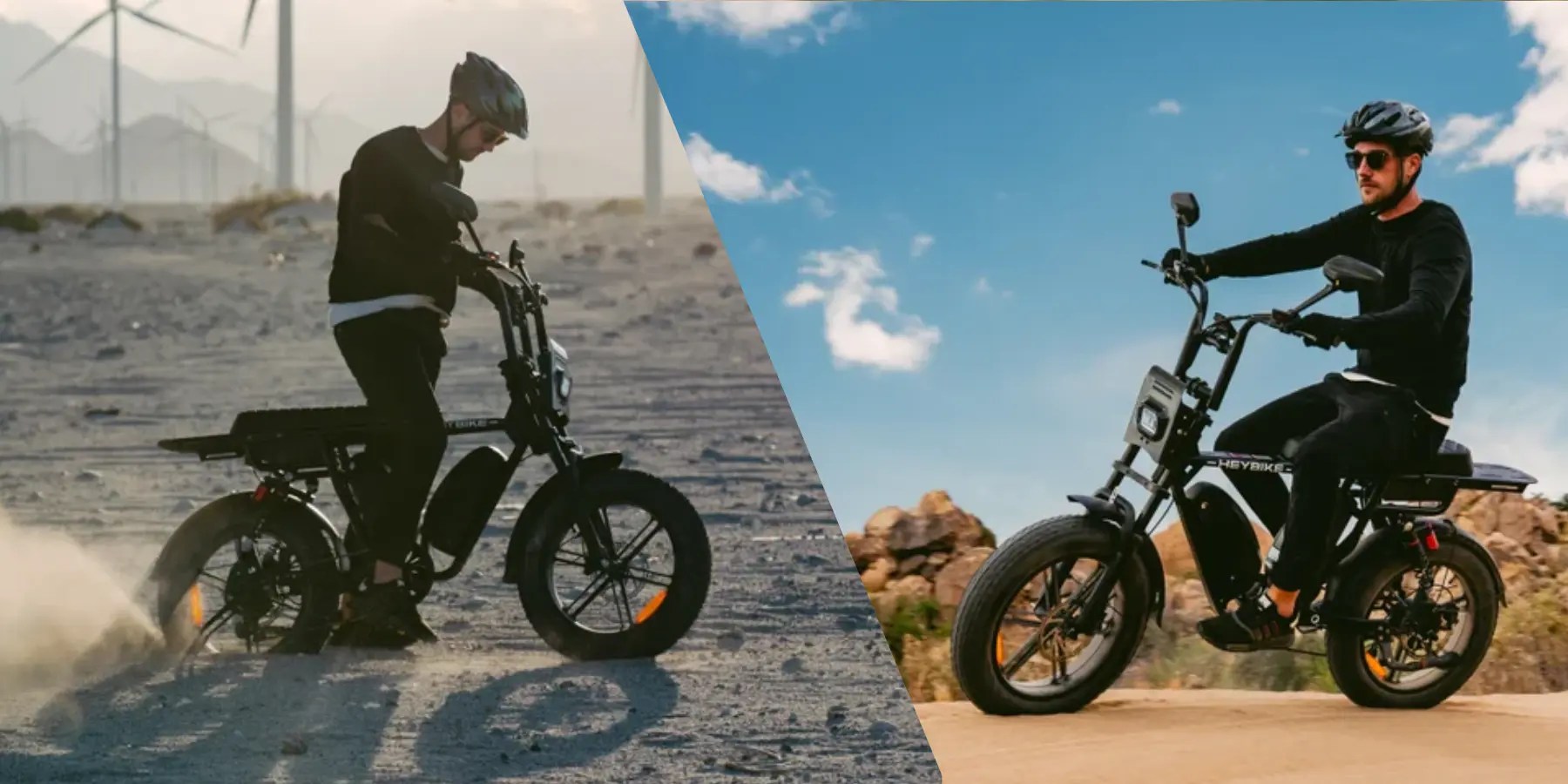
The problem with registering a “40 mph e-bike”
The problem is that most of these machines weren’t manufactured as motor vehicles in the first place.
Take your typical 2,000W fat-tire e-bike capable of 40 mph (64 km/h). It probably has a serial number stamped somewhere on the frame, but that’s not necessarily a legitimate motor-vehicle VIN. It probably didn’t come with the type of manufacturer’s documentation associated with a road-legal motorcycle that will be required at the DMV, and it almost certainly wasn’t manufactured and certified as complying with the applicable Federal Motor Vehicle Safety Standards (FMVSS).
That’s important because Illinois didn’t simply say, “Bring us your fast e-bike and we’ll give you a license plate.”
The actual law says that an electric motor-driven cycle covered by the new titling provision needs a vehicle identification number before a certificate of title can be issued. It further says that if the vehicle isn’t properly manufactured or equipped for general highway use, it isn’t eligible for registration.
And elsewhere, the law requires motor-driven cycles to conform with federal vehicle safety standards as well as Illinois’ own equipment requirements.
That’s a much taller order than bolting on a mirror and some turn signals. In other words, if it wasn’t built to be a street-legal motorcycle, you can’t just make your fast e-bike street legal yourself.
Why can’t manufacturers just put VINs on them?
They theoretically could – but doing it properly means taking the much bigger step of manufacturing these machines as motor vehicles.
A legitimate 17-digit VIN isn’t simply a long serial number somebody stamps into a frame.
Motor vehicle manufacturers need an appropriate World Manufacturer Identifier, or WMI, incorporated into their VINs. US-based manufacturers can receive a WMI by applying to the SAE, while manufacturers outside the United States (where almost all of these fast e-bikes are built) obtain their identifier from the appropriate WMI-issuing organization in their own country.
But the VIN paperwork isn’t really the hard part. The bigger hurdle is federal motor vehicle compliance.
NHTSA uses a self-certification system, meaning the federal government doesn’t individually “approve” each motorcycle model before it goes on sale. Instead, the manufacturer takes legal responsibility for certifying that its vehicle complies with all applicable Federal Motor Vehicle Safety Standards and permanently affixes the appropriate certification label. Manufacturers also have federal identification and VIN reporting obligations.
In other words, a Chinese factory can’t simply take the same $1,499 40 mph fat-tire e-bike it already exports to the US, stamp 17 characters into the head tube, and declare it as registerable.
It would need to approach that product as an actual road-going motor vehicle, with the appropriate VIN system, federal filings, certification, labeling, safety compliance (a long list of test and compliant components), and documentation necessary for the vehicle to ultimately be titled and registered.
And for the thousands of high-powered e-bikes that are already sitting in people’s garages without all of that? That’s where things get especially murky.
Illinois does have procedures for specially constructed vehicles, but nothing in this new law appears to create a simple conversion process where an owner can add motorcycle equipment to an existing nonconforming e-bike and suddenly make it federally compliant. In fact, the explicit federal-safety-standard requirement in the new law makes that prospect look particularly difficult.
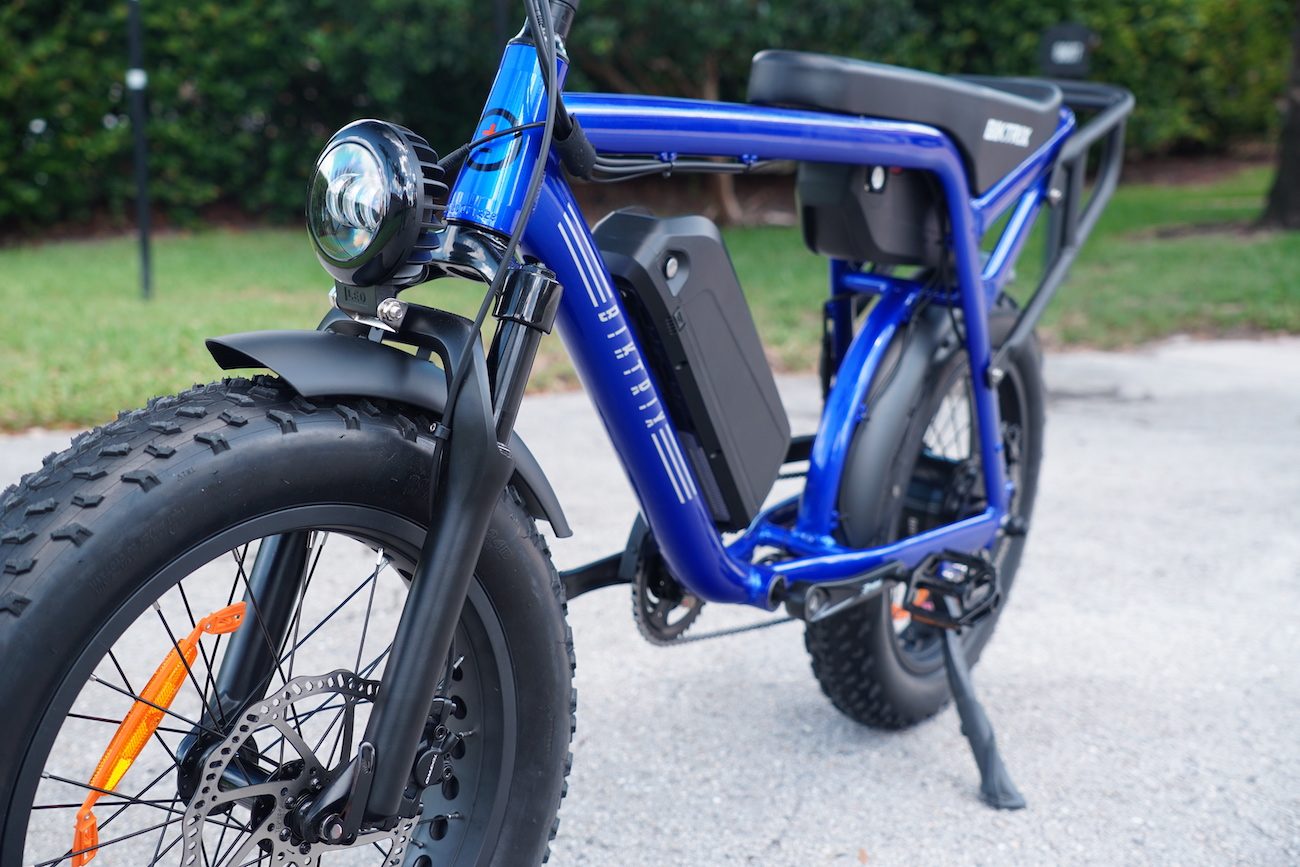
So Illinois has created an interesting paradox.
Top comment by PurpleCone
I think it unlikely the Illinois market is big enough to push manufacturers in this direction by itself. But if other states start joining in, they will see which way the wind is blowing and the next generations of bikes will be made with these sorts of requirements in mind. Further, a clear legal framework may entice other manufacturers to enter this market. If there's money to be made, real change can happen pretty fast.
On paper, the state now has a way for many of these increasingly popular 35 and 40 mph e-bikes to exist legally on public roads. Instead of simply banning them, Illinois is essentially saying: “Fine. If it performs like a motor vehicle, register and insure it like one.”
But in practice, the overwhelming majority of today’s fast e-bikes weren’t built with the paperwork or federal motor-vehicle compliance necessary to actually be titled and registered for highway use. Thus, owners may find that the state’s newly created pathway to legality leads directly to a locked door.
Perhaps the biggest impact of this law, then, won’t be on the fast e-bikes already on Illinois roads. It could be on the next generation.
Will manufacturers begin changing the way they build their out-of-class e-bikes to make them federally compliant and give riders the chance of registering them for on-road use? That remains to be seen.


FTC: We use income earning auto affiliate links. More.



Comments