
When New Jersey passed one of the country’s most restrictive e-bike laws earlier this year, plenty of riders, advocates, and bike shops warned that it would have consequences. Now, just a few weeks after the law officially took effect, those predictions appear to have come true.
Bike shops across the state are reporting declines in e-bike sales ranging from 20% to an astonishing 90%, with many saying customers are simply deciding that owning an e-bike in New Jersey is no longer worth the hassle.
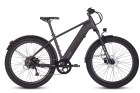
The law, which took effect on July 19, requires every e-bike in the state to be registered, from the slowest Class 1 pedal-assist models all the way through faster Class 3 bikes. Riders under 17 without a driver’s license must pass an MVC licensing test to obtain a special e-bike license, while Class 2 throttle-equipped e-bikes and Class 3 models also require insurance, similar to owning a car.
The result has been widespread confusion. Some customers reportedly believe e-bikes have simply been banned outright. Others tell dealers they’ll just buy online and ignore the requirements. And many are choosing not to buy an e-bike at all.
The impact on local businesses has been severe. One New Jersey dealer said sales plunged 90%, another reported a 63% decline, while others described losing between 20% and 60% of their e-bike business. Several shops have already laid off employees, closed rental operations, downsized, or warned they may not survive through the end of the year.
Perhaps most troubling are the unintended consequences for the very people e-bikes help the most. Dealers who specialize in mobility-focused transportation say disabled customers are returning newly purchased e-bikes or abandoning plans to buy them altogether because they fear they won’t qualify for licensing or insurance requirements. One retailer described customers losing transportation to work or school because of the new rules.
What’s particularly frustrating is that many of these problems were predictable. The law treats a low-speed 15-20 mph (25-32 km/h) throttle-equipped Class 2 e-bike much more like a motorcycle than like a bicycle, despite its similar performance to a standard Class 1 pedal-assist bike. Bike shops and advocacy groups have instead urged lawmakers to exempt low-speed e-bikes under 20 mph (32 km/h) from licensing, registration, and insurance requirements while focusing regulation on higher-speed, higher-powered machines that more closely resemble electric mopeds.
Top comment by Scott Z
This law was a joke from the start. I live near Princeton NJ and when I heard about this law my biggest fear is what it means for those with less money. I see many e-bikes behind restaurants and carwashes. The employees there rely on these bikes to get to a job and all NJ did was make it harder and more costly for our less fortunate neighbors to make a living. This law will not increase safety for anyone and only raise the cost of living for our less fortunate. The simple fix is to make a standard on what an e-bike is. If the bike only has pedal assist, is under a certain amount of power and has an adjustable seat to pedal range than is should be an e-bike with no requirements of insurance or registration. Then the state can classifie other more powerful bike to moped or motorcycle status and have them follow the laws that have been in place for decades.
It’s hard to argue with that logic. If the goal was to improve safety, discouraging people from riding bicycles and pushing them back into cars seems like an odd way to do so, especially when cars are the very things supposedly making e-bikes “unsafe”.
Electrek’s Take
I’ve been warning about this ever since the bill was proposed. Laws like these might sound reasonable if you’re only thinking about the handful of reckless riders making headlines, but in practice, they end up sweeping ordinary e-bike riders into a regulatory mess that makes cycling less attractive.
The numbers coming out of New Jersey are exactly what many of us feared: fewer e-bike sales, fewer people riding, struggling local bike shops, and mobility options disappearing for people who depend on them.
There’s absolutely a conversation to be had about regulating high-speed electric motorcycles masquerading as bicycles. But requiring registration, licensing, and insurance for low-speed e-bikes that have been safely sharing bike paths for years is a solution that appears to have created far more problems than it solved.


FTC: We use income earning auto affiliate links. More.



Comments