
The window to claim a 30% tax credit on your solar panel project is closing July 4th, which means you’ve got just one month left to safe harbor your project and preserve your eligibility – keep reading to find out how.
Under the IRS “safe harbor” rules, taxpayers can preserve their eligibility for certain incentives and credits by committing to a project before the incentive deadline expires, even if the project won’t be fully completed until months later. With just one month remaining before the solar tax credits expire, understanding how safe harbor works could mean the difference between thousands of dollars in tax savings and missing out entirely.
Those safe harbor rules are laid out fully in IRS Notice 2018-59, which lays out the full details of what’s allowed and what isn’t. As you read through it, pay close attention to section 3:
SECTION 3. METHODS FOR ESTABLISHING BEGINNING OF CONSTRUCTION
.01 In general. This notice provides two methods for a taxpayer to establish that
construction of energy property has begun for purposes of the ITC under § 48. A
taxpayer may establish the beginning of construction by starting physical work of a
significant nature as set forth in section 4 of this notice (Physical Work Test).
Alternatively, a taxpayer may establish the beginning of construction by meeting a safe
harbor based on having paid or incurred five percent or more of the total cost of the
energy property as set forth in section 5 of this notice (Five Percent Safe Harbor).Both methods require that a taxpayer make continuous progress towards
completion once construction has begun (Continuity Requirement). Section 6 of this
notice discusses the Continuity Requirement and provides a safe harbor for satisfying
this requirement (Continuity Safe Harbor).
We covered some of these topics and touched on Section 48E of the Federal tax code last month. You can read that original article in full – along with a comprehensive disclaimer reminding you that I am absolutely not an accountant – below.
SKIP THE STORY: I’m ready to start now!
If you still want that 30% solar tax credit, the new panic date is July 4

The Trump Administration’s decision to repeal of the 30% home solar tax credit in 2025 looked like the end of the road for subsidized residential rooftop solar projects, but homeowners can still get it under certain circumstances – until America’s 250th birthday, that is.
The 30% federal tax credit (Section 25D) for residential solar is, of course, still dead. The credit was very publicly expired on December 31st, 2025 — but that just meant you couldn’t get that 30% back for systems you bought. See, Section 25D (the one that the Trump Administration killed) only applied to taxpayers with an ownership interest in their PV systems, but leases?
Leases are still on the table, though. And – just as we’ve seen with electric vehicle tax credits over the years, the rules for leases are a little bit different than those for purchases.
What that means for home solar is that, under Section 48E of the Federal tax code, qualified solar companies that own a PV system can continue to claim a credit of up to 30% on those through the end of 2027, and if you’re leasing your system or entering into a power-purchase agreement (PPA) with a solar installer, the company can pass some or all of that incentive on to you. The “catch” is that they can only pass along tax credits they actually recieve, and while while Section 48E technically survives through the end of 2027, many solar companies are racing to “safe harbor” projects before July 4, 2026 – the date many in the industry see as the last meaningful chance to lock in the full 30% credit.
The new federal bill sets strict deadlines for commercial solar projects to receive the full 30% tax credit. Projects that begin construction by July 4, 2026 must be placed in service within four calendar years. For projects that begin construction after July 4, 2026, the credit is only available if the project is placed in service by December 31, 2027.
That July-December window is pretty tight, and is likely to seem even tighter if a prolonged conflict in Iran creates a larger impact on global shipping and supply chains. That said, for solar projects initiated before the big 250th party, the 30% solar tax credit could mean a lower monthly payment on a lease or PPA, or even totally eliminated up-front costs.
Those details are ultimately between you and the company you decide to move forward with. The key takeaway, however, is that the 30% solar incentive isn’t dead dead. It’s just mostly dead – and if you’re shopping for solar, sooner is going to be a lot better for you than later.
More about Section 48E
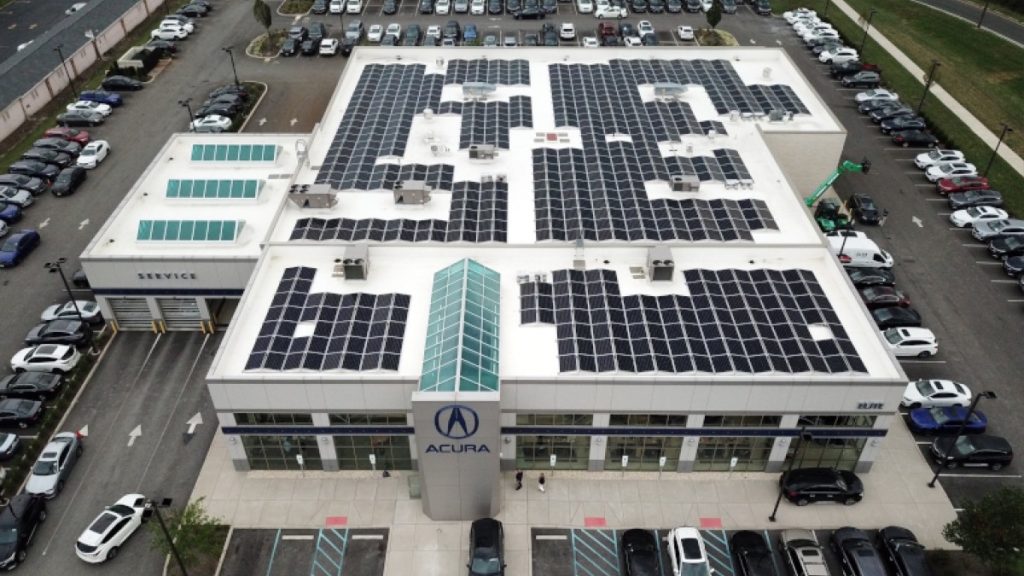
At the center of the post-2025 solar tax credit is US Code § 48E, often called the Clean Electricity Investment Credit. Unlike the now-expired residential credit (the previously-mentioned Section 25D), which was claimed directly by homeowners, Section 48E is a commercial investment tax credit designed to incentivize businesses that own “clean energy equipment,” which currently includes both solar panels and battery energy storage systems (along with natural gas fuel cells, among other things).
Under this provision, a company that owns a solar installation can claim a tax credit worth up to 30% of its qualified investment in the project then enter into a third-party ownership model (lease or PPA) with the homeowner.
As the July 4th safe haven cutoff date indicates above, however, there are some caveats here that could complicate your particular installation – which allows me to segue nicely into the following disclaimer …
Electrek’s Take Disclaimer
Tax law is a messy, complicated, and high-stakes field. Federal tax credits, state laws, utility programs, and the fine print in the contracts from company to company can overlap or even contradict each other, and navigating any part of it isn’t especially intuitive. That complexity is exactly why the smart people you know hire accountants and tax professionals to make incentives work for them, and you should do the same.
If you’re considering a lease or PPA, a conversation with a qualified professional installer can help you understand what’s being offered and how a given deal is being structured. Take that information to your accountant to understand what’s real, what’s marketing, and what actually saves you money.
Finally, if there’s money on the table, make sure you don’t leave it there! Remember: US tax law could be a single line codified into law. Instead, it’s 4,000+ pages of densely worded legalese. Get you an expert, and get what your democratically elected leaders decided you have coming to you.
Unless, you know, you actually don’t care about money!
Top comment by Brad Lancaster
This is a site about EVs and batteries to save the planet, yet it keeps using Ai slop images, which say to me, the planet can die aslong as we have cool futurist stuff.
YOU MIGHT ALSO LIKE:
- Yes, an EV really CAN power your home – if it’s one of these [update]
- Homeowners share surprising, real-world data after installing solar panels
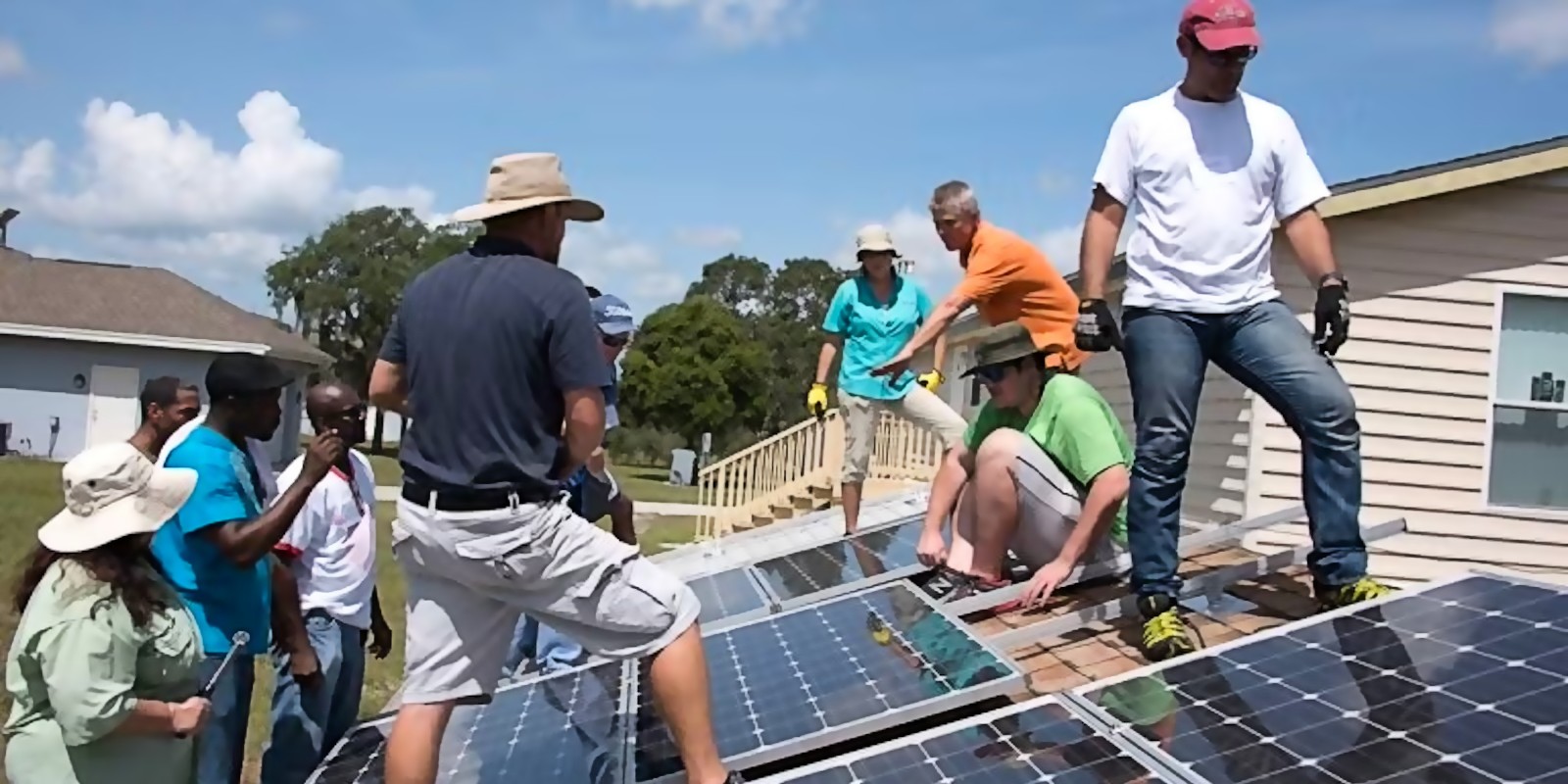
Featured image shows University of Central Florida instructors training installers for the next generation for solar and energy jobs; via UCF.

If you’re considering going solar, it’s always a good idea to get quotes from a few installers. To make sure you find a trusted, reliable solar installer near you that offers competitive pricing, check out EnergySage, a free service that makes it easy for you to go solar. It has hundreds of pre-vetted solar installers competing for your business, ensuring you get high-quality solutions and save 20-30% compared to going it alone. Plus, it’s free to use, and you won’t get sales calls until you select an installer and share your phone number with them.
Your personalized solar quotes are easy to compare online and you’ll get access to unbiased Energy Advisors to help you every step of the way. Get started here.


FTC: We use income earning auto affiliate links. More.





Comments