
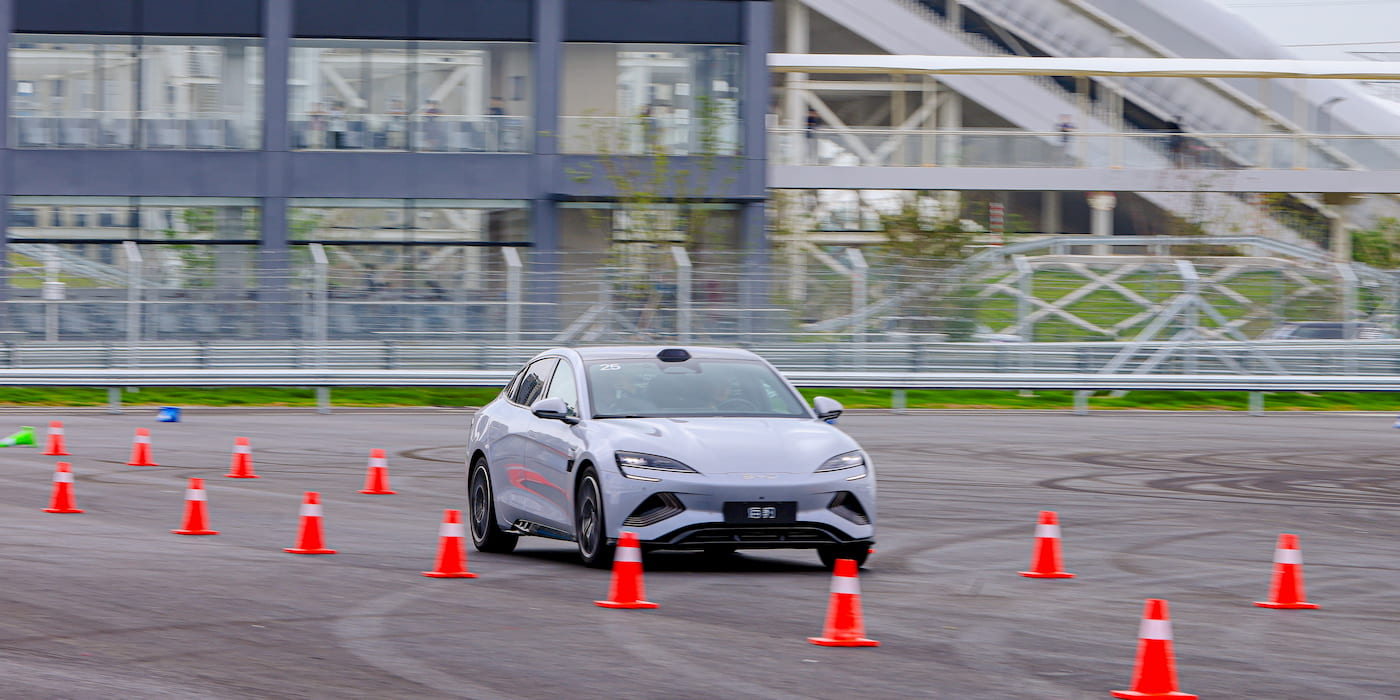
The next generation of EV batteries may be closer than expected. BYD and several others plan to begin deploying EVs with all-solid-state batteries in just a few months.
All-solid-state EV batteries hit the market in 2027
Solid-state battery tech took a major leap this year, with a new “milestone” or “breakthrough” reported seemingly every week.
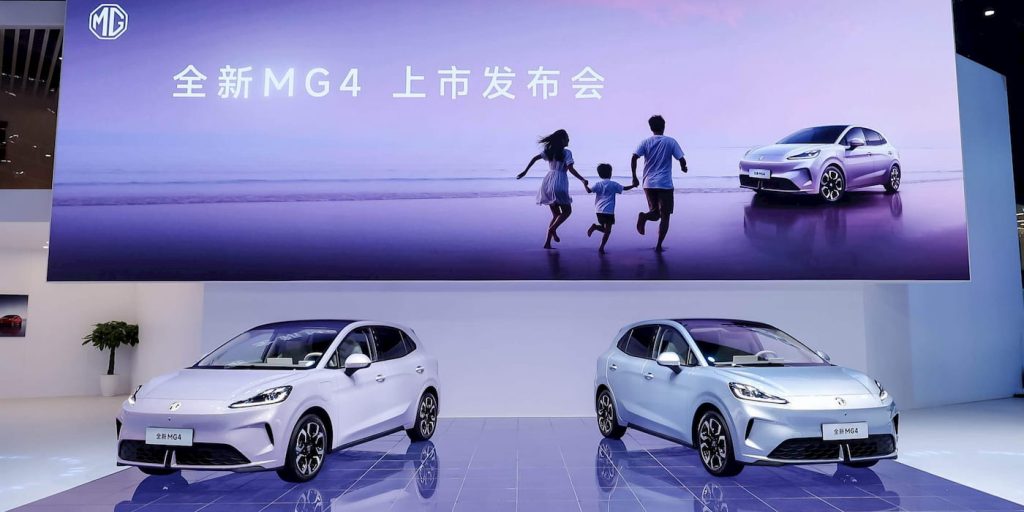
China’s SAIC Motor launched the new MG4 as “the world’s first mass-produced semi-solid-state” electric vehicle last year, but the company is now gearing up to introduce its all-solid-state EV batteries in 2027.
Earlier this year, SAIC and Chinese partner Qingtao Energy produced an electric vehicle prototype equipped with its “Guangqi” all-solid-state battery. Over the next few months, the companies will continue testing prototypes as they aim for mass production in 2027.
SAIC previously said the all-solid-state EV batteries boast an energy density above 400 Wh/kg, enabling a driving range of over 1,000 km (621 miles).
BYD, which just released its Blade Battery 2.0, an LFP battery that provides over 1,000 km (621 miles) of CLTC range, is also aiming to deploy its next breakthrough in 2027.
During a conference in April, BYD Group’s chief scientist, Lian Yubo, said that all-solid-state EV batteries have reached “a critical stage,” but warned there are still hurdles as the new tech moves to commercialization.
BYD aims to begin producing sulfide-based all-solid-state batteries in limited batches in 2027, ramping up to mass production by 2030.
Sun Huajun, the CTO of BYD’s battery business (Shenzen BYD Lithium Battery Co), said last year that sulfide electrolytes last longer and are more stable than traditional liquid lithium-ion batteries, enabling safer, faster charging, and a longer driving range.
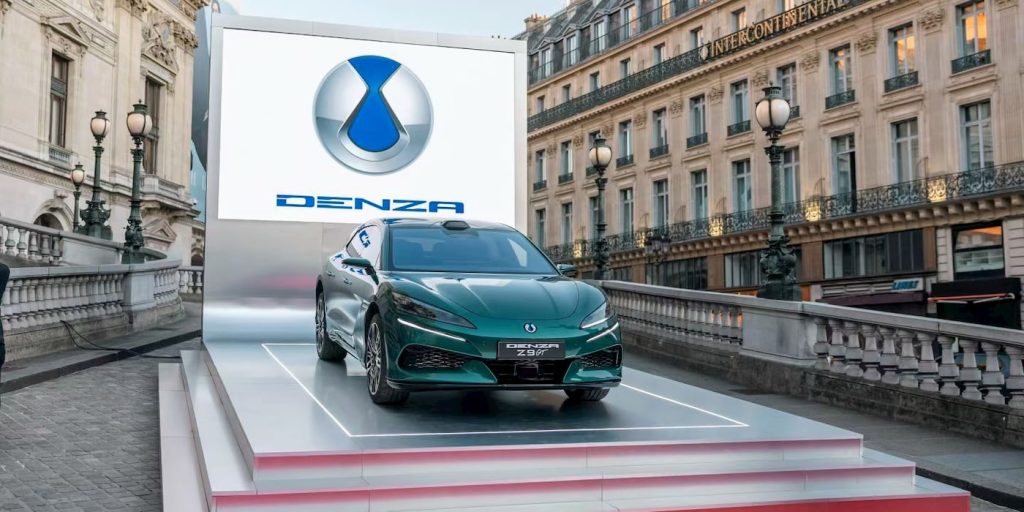
The first models to launch with the new battery tech will likely come from BYD’s high-end sub-brands, like Denza, Yangwang, and Feng Chang Bao, before trickling down to mass-market vehicles.
BYD and SAIC Motor are among a growing list of automakers, battery manufacturers, and other companies racing to introduce next-generation EV batteries.
In February, Changan Automobile, one of China’s “Big Four” state-owned automakers, said it would begin deploying its Golden Bell all-solid-state battery in vehicle prototypes by the end of the year as it scales up to mass production in 2027.
Changan previously claimed its all-solid-state EV battery had an energy density of 400 Wh/kg, enabling a CLTC driving range of over 1,500 km (932 miles). Using AI-powered diagnostics, Changan said it improved safety by 70%.
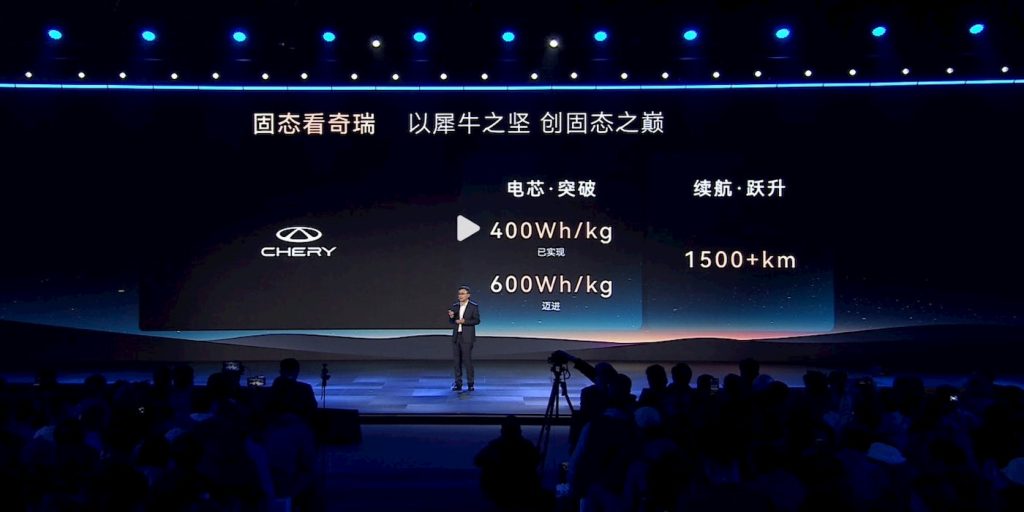
Chery, another leading Chinese brand, revealed its all-solid-state battery a month later, which it said can deliver over 1,500 km (932 miles) of range with an energy density of 400 Wh/kg.
Another one of China’s Big Four automakers, Dongfeng Motors, began testing prototype EVs equipped with a 350 Wh/kg all-solid-state battery, which it said could drive over 1,000 km (621 miles) on a single charge.
Electrek’s Take
While Chinese brands are already dominating global sales, they are betting on the next generation of batteries to stay ahead.
Outside of China, solid-state batteries are also inching toward commercialization. Last year, Mercedes announced it had driven a modified EQS over 1,200 km (745 miles) using solid-state battery cells from US-based startup Factorial Energy.
Top comment by davesax11
Once batteries reach 600 miles in range, you're at mature technology. Then the pressure on efficiency to reduce weight. The die is cast. A gradual transition to electric propulsion as costs come down... And yes, Chinese technology will soon enter the US. Given traditional manufacturer negligence, the Chinese repackaged vehicles will soon dominate the small sedan and SUV market.
Companies are betting on solid-state batteries for their ability to offer higher energy density, enable faster charging, and deliver improved driving range. Since they replace the liquid electrolyte with a solid material, all-solid-state EV batteries have also shown promise to be much safer.
SAIC claimed that reducing the liquid electrolyte content to just 5% in its semi-solid-state battery significantly reduces the risk of combustion and improves the cycle life. All-solid-state batteries contain no liquid electrolyte.
BYD’s chief scientist said that solid-state batteries are not a substitute for liquid batteries. Instead, they complement each other to support the overall shift to electric vehicles.
While moving ahead with all-solid-state EV batteries, Lian urged companies to continue investing in other battery types, including liquid lithium-ion and sodium-ion batteries.


FTC: We use income earning auto affiliate links. More.



Comments