
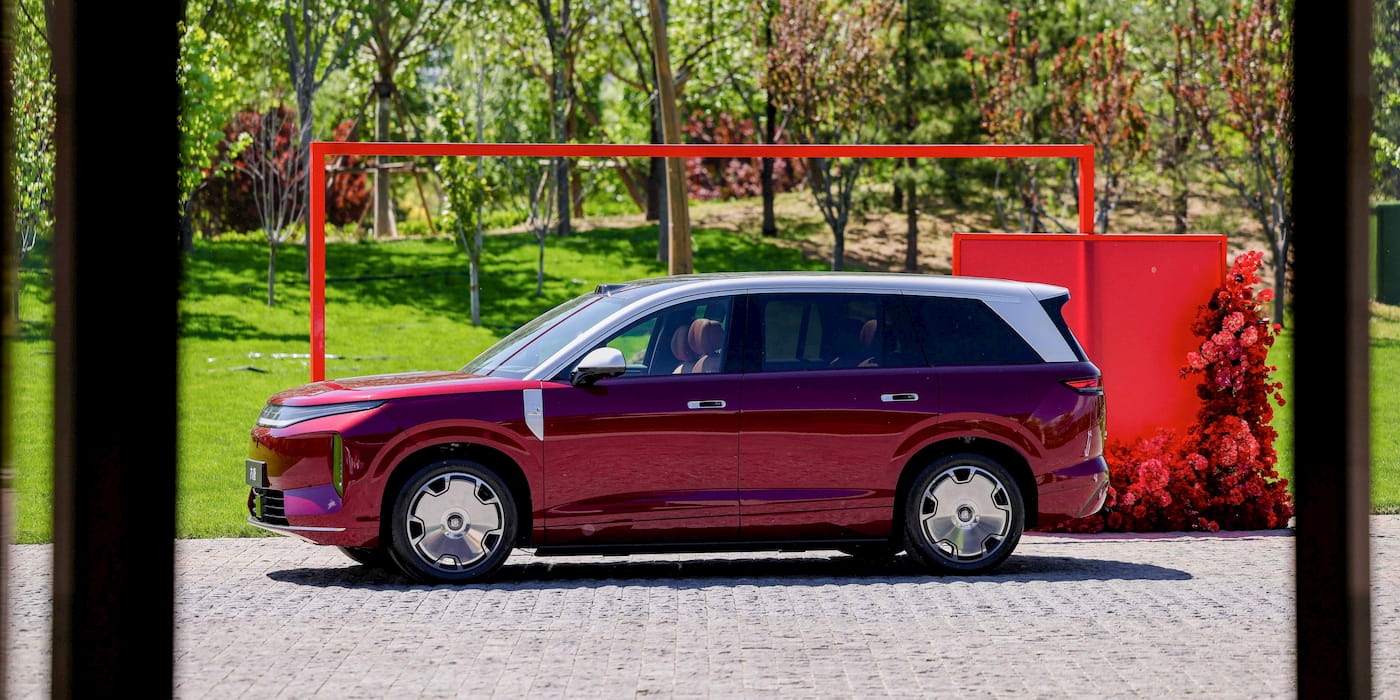
BYD’s new flagship electric SUV, equipped with its new Blade Battery 2.0 and Flash Charging tech, has received over 100,000 orders. The new Song Ultra EV secured over 61,000. BYD said it can’t keep up with demand.
BYD Blade Battery 2.0 demand rises sharply
During its Disruptive Technology event in March, BYD shook the industry, introducing its newest battery and fast-charging tech.
BYD’s next-generation Blade Battery 2.0 and Flash Charging system puts an end to range anxiety, unlocking a CLTC driving range of over 621 miles (1,000 km) and the ability to recharge in as little as 5 minutes.
With a capacity of up to 1,500 kW, which is 50% faster than its previous system, BYD’s new Flash Chargers can charge a vehicle equipped with the new batteries from 10% to 70% in just 5 minutes. To go from 10% to 97%, or what BYD calls a full recharge, it takes 9 minutes. That’s about 30% to 50% faster than current EVs.
Even in temperatures as low as -30°C (-20°F) for a full 24 hours, BYD said its new battery can recharge from 20% to 97% in 12 minutes.


Starting with the Yangwang U7, an ultra-luxury electric sedan launched in March, BYD has introduced several new vehicles equipped with the new battery and flash charging system.
After the new Song Ultra EV went on sale on March 26, starting at 151,900 yuan ($22,000), BYD said the electric SUV received over 10,000 orders in its first week. In one month, it secured 61,240 preorders.
The Great Tang (Datang in China), BYD’s flagship three-row electric SUV, received an even warmer welcome. After opening preorders at the Beijing Auto Show last month, the flagship electric SUV secured over 30,000 orders in its first 24 hours.
Earlier this month, Lu Tian, general manager of BYD’s Dynasty series, said that the Great Tang (Datang) had secured over 100,000 preorders ahead of its upcoming launch.
And that’s just a few examples. BYD has also launched multiple vehicles under its Fang Cheng Bao and Denza sub-brands, featuring its Blade Battery 2.0 and Flash Charging tech, including the Denza Z9 GT and N9, and, most recently, the Bao 8 and Bao 5.
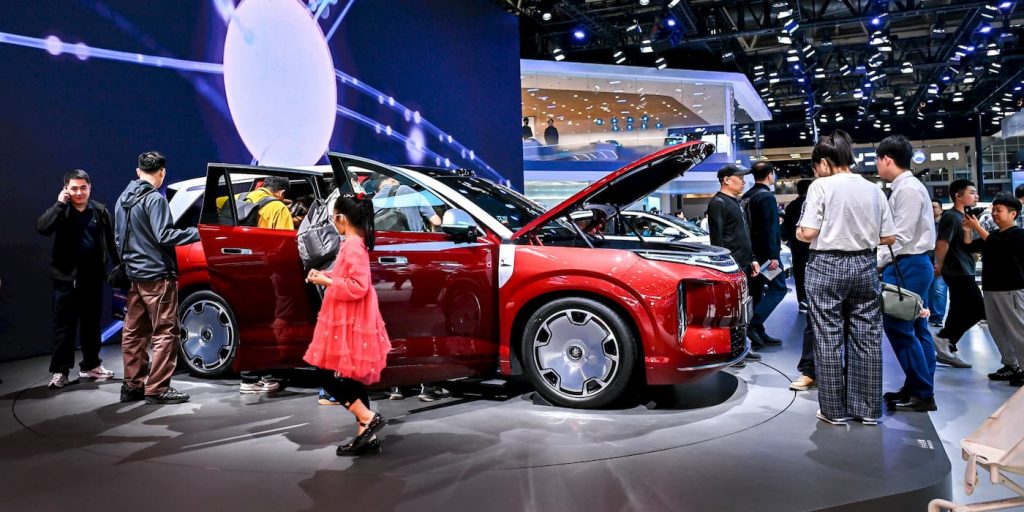
According to local dealers (via CarNewsChina), BYD has pushed back the flagship electric SUV’s official launch date to June 8 due to higher-than-expected demand. Several reports since have claimed BYD was facing the same issue across a few of its sub-brands.
BYD’s CEO, Wang Chuanfu, acknowledged that demand for new EVs equipped with its new battery and fast-charging system has exceeded its production capacity.
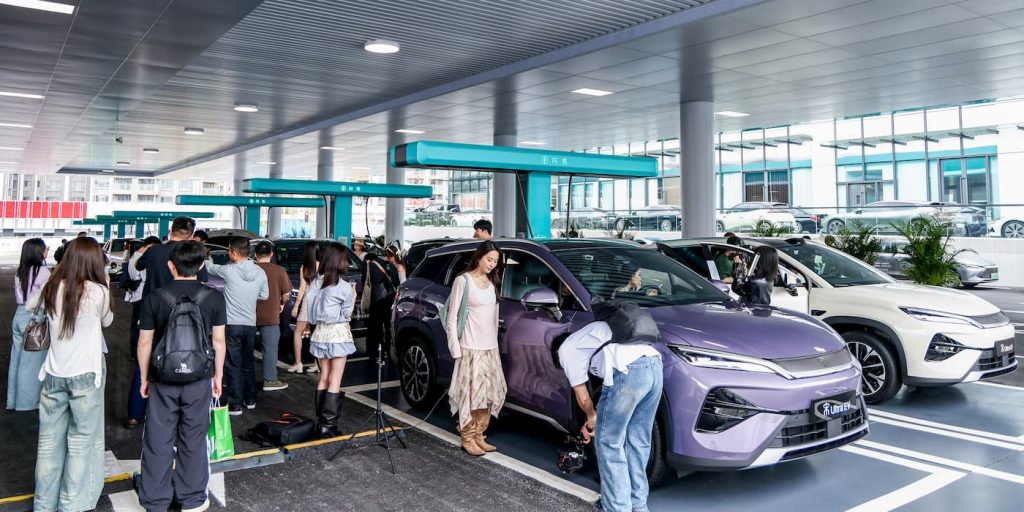
As of May 15, BYD had deployed 5,979 flash charging stations across 312 cities in China. For many of the new vehicles, BYD is also offering 18 months of free charging for those who preorder.
Electrek’s Take
While it’s still early, the higher-than-expected demand is promising. BYD plans to beat the competition with more advanced batteries, drive components, software, and nearly every other aspect of the vehicle.
BYD builds essentially every vehicle component in-house, and even controls its own logistics chain. The vertical integration enables it to produce vehicles and new components faster while offering them at lower prices than the competition.
By focusing on improving safety, efficiency, and vehicle intelligence, BYD looks to stay one step ahead of its rivals. Not only that, it’s promoting the widespread adoption of electric vehicles with low prices, long range, and fast charging.
While the new battery and fast-charging tech is rolling out across China, BYD will bring it to Europe, the UK, and other overseas markets later this year.


FTC: We use income earning auto affiliate links. More.



Comments