
Honda is shelving its massive C$15 billion ($11 billion) EV and battery manufacturing hub in Ontario, Canada, according to a new report from Nikkei. The move escalates what was initially framed as a temporary pause into what increasingly looks like an indefinite retreat.
The decision is the latest domino to fall in Honda’s accelerating withdrawal from electrification, which has already included a $15.7 billion writedown, the cancellation of three key EV models for the US market, and the death of its Sony Afeela partnership.
From ‘historic investment’ to shelved in two years
When Honda announced the Alliston, Ontario project in April 2024, it was billed as the company’s most ambitious EV commitment yet. The plan called for a new EV assembly plant capable of producing 240,000 vehicles per year, a 36 GWh battery factory, and cathode material processing facilities through joint ventures with POSCO Future M and Asahi Kasei. Production was targeted for 2028.
By May 2025, Honda paused the project for approximately two years, citing tariff uncertainty under the Trump administration and softening EV demand. The company said at the time it would revisit the timeline in 2027.
Now, according to the Nikkei report, Honda is going further — shelving the project entirely as EV demand is surging globally. The shift in language from “pause” to “shelve” signals that Honda no longer views this as a temporary delay but rather a project that may never materialize in its original form.
Asahi Kasei, which was building a battery materials plant in Canada tied to Honda’s project, has also pushed its timeline to 2029 or later.
Part of a broader electric collapse at Honda
The Canada plant shelving doesn’t exist in isolation. It’s the latest in a series of moves that have effectively dismantled Honda’s EV strategy over the past three months.
In March 2026, Honda announced a massive restructuring that included canceling the Honda 0 Series sedan and SUV and the Acura RSX — the three EVs that were supposed to anchor its North American electric lineup. The company took a writedown of up to 2.5 trillion yen ($15.7 billion) on its EV business, pushing Honda to its first annual loss as a publicly listed company in nearly 70 years.
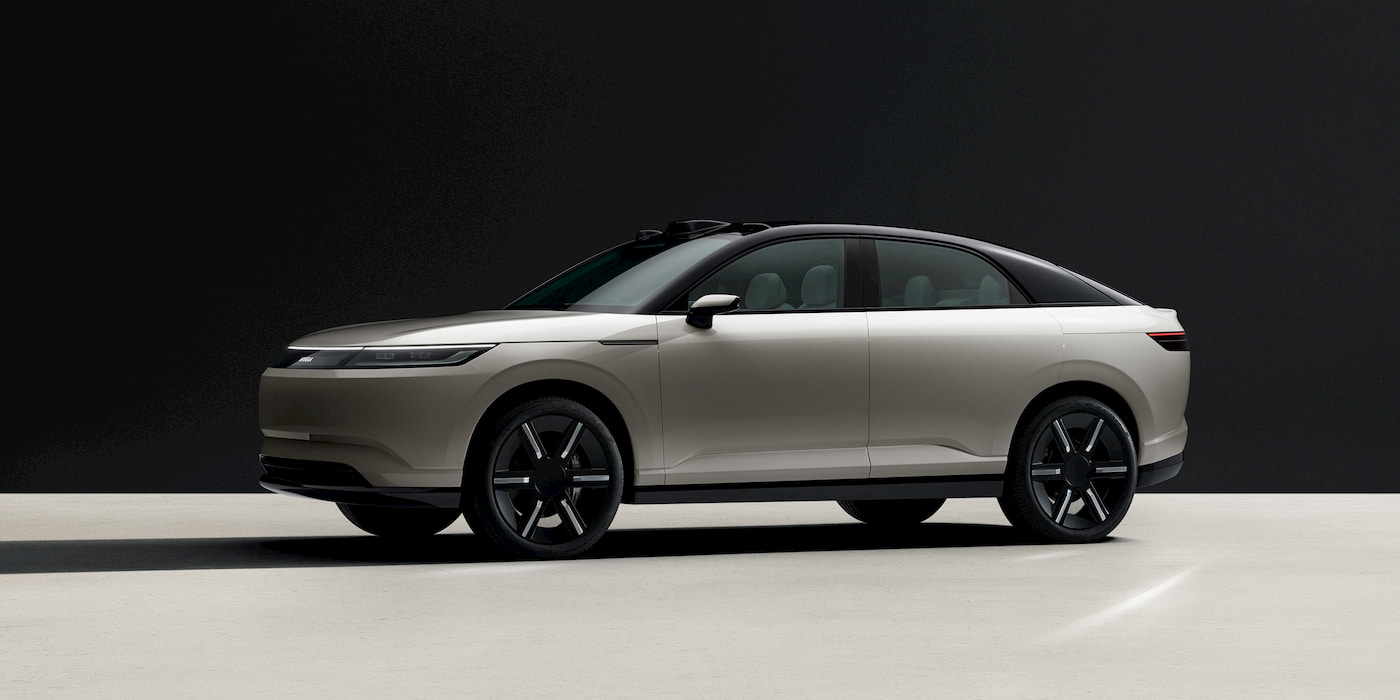
Honda also pulled the plug on the Afeela, the much-hyped EV developed with Sony that was supposed to start at $90,000.
The company projected a 59% drop in operating profit for the fiscal year ending March 2026, with 650 billion yen in losses attributed to tariffs alone — including 300 billion yen from levies on roughly 550,000 imported vehicles.
Honda’s stated strategy now centers on hybrids for the near term, with affordable EVs priced under $30,000 pushed to the end of the decade. The only EV still standing in its US lineup is the Prologue, which recently saw a $7,500 price cut — a GM Ultium-based vehicle that Honda didn’t even engineer itself.
What it means for Canada
The shelving is a blow to Canada’s EV manufacturing ambitions. The Alliston project was the centerpiece of the country’s strategy to build a domestic EV supply chain, announced alongside billions in government subsidies.
Honda says current employment at its existing Alliston plant — which employs 4,200 workers building gas-powered vehicles — won’t be affected. The company is also shifting some CR-V production from Canada to Ohio to navigate the tariff landscape.
Ontario Premier Doug Ford previously vowed to hold automakers “accountable” for pulling back from EV investments in the province. Canada has since repealed its mandatory EV sales standard, replacing the 100% zero-emission vehicle target by 2035 with a softer 75% aspirational goal.
Electrek’s Take
Honda’s trajectory over the past year is one of the most dramatic retreats from electrification we’ve seen from any major automaker. In the span of 12 months, the company went from announcing a “historic” $11 billion EV investment in Canada to shelving it entirely, canceling its entire next-generation EV lineup for the US, writing down $15.7 billion, and posting its first annual loss in nearly seven decades.
The pattern is clear: Honda bet on a gradual EV transition timeline, and when that timeline hit headwinds — tariffs, policy uncertainty, Chinese competition eating into margins in Asia — the company didn’t adapt. It retreated.
Top comment by Pilar Ackerman
My family is a life long Honda family with almost 20 Honda's purchased over the last 35 years. We bought our last Honda in 2018 before switching to Tesla.
I had been holding out on updating my car for either the RSX or 0 Series. Sadly, Honda doesn't offer any electric vehicles of its own.
We've got two Rivian R2s waitlisted and will pull the trigger as soon as our number is called. Sad to see Honda fade into history.
The pivot to hybrids might buy Honda time in the North American market, but it does nothing to address the competitive threat from Chinese automakers like BYD, which are rapidly expanding globally with EVs that undercut Honda on both price and technology. By the time Honda’s sub-$30,000 EVs arrive “by the end of the decade,” the market will have moved on without them.
We said it when Honda canceled the 0 Series, and the Canada shelving only reinforces the point: Honda doesn’t have an EV strategy anymore. It has a retreat strategy.
I don’t agree with the EV pullback in the US, driven by temporary policies shaped by the nation’s ever-changing political winds, but I can understand it on a short-sighted business basis.
However, Canada is going back to moving fast toward EVs, and it sounds like Honda doesn’t want to be part of that.


FTC: We use income earning auto affiliate links. More.


Comments