
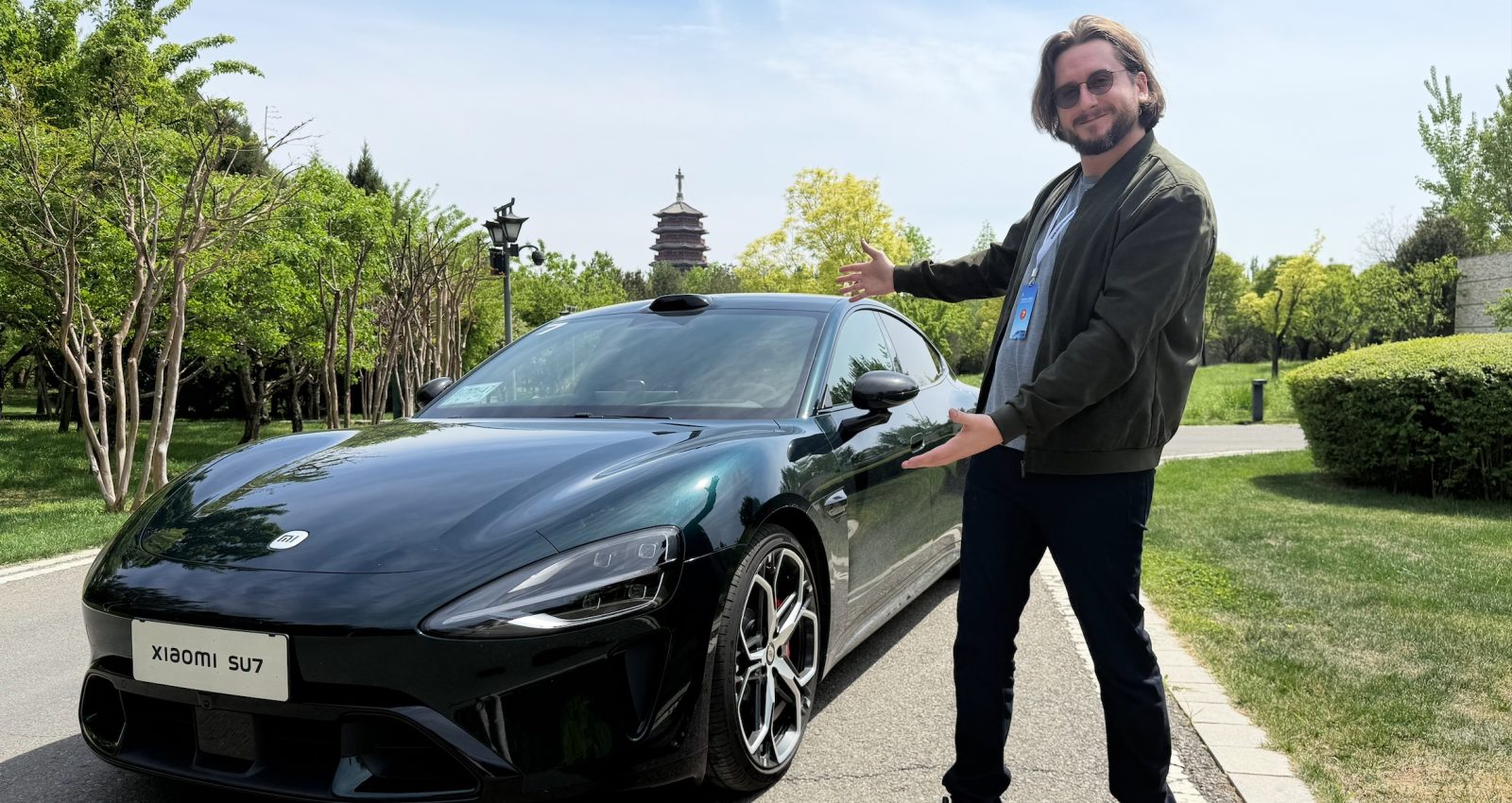
I got behind the wheel of the next-generation Xiaomi SU7, and the upgrades are significant. The refreshed electric sedan delivers up to 902 km (560 miles) of CLTC range, 800V charging architecture across all trims, and standard LiDAR — all while still undercutting the Tesla Model 3 in China.
Xiaomi started deliveries of its updated best-seller in April after securing over 100,000 pre-orders, building on the 381,000 first-gen SU7s sold since the original launch in March 2024.
What’s new in the next-gen Xiaomi SU7
The changes touch virtually every major system in the car. Here’s a rundown of the most significant upgrades:
800V architecture across the lineup. The original SU7 Standard and Pro ran on a 400V platform. The new versions jump to 752V, while the Max pushes to 897V. The result is dramatically faster charging: the Max goes from 10-80% in just 12 minutes (down from 19 minutes), and a 15-minute charge adds 670 km of CLTC range. Even the base Standard model now charges 10-80% in 20 minutes instead of 25.
More range across the board. The Standard goes from 700 to 720 km CLTC, the Pro jumps from 835 to 902 km, and the Max increases from 800 to 835 km. Efficiency improved too — the Standard drops from 12.3 to 11.7 kWh/100km.
More power and torque. The Standard and Pro rear motors now produce 235 kW (320 PS) and 505 Nm, up from 220 kW (299 PS) and 400 Nm. The dual-motor Max climbs to 508 kW (690 PS) and 866 Nm from 495 kW (673 PS) and 838 Nm. Top speed on the Standard and Pro increases from 210 to 240 km/h.
LiDAR and NVIDIA Thor standard on every trim. This is a huge change. The old SU7 Standard had no LiDAR, ran a single NVIDIA Orin chip at 84 TOPS, and was limited to Xiaomi Pilot Pro with highway NOA only. Now, every single SU7 — including the base model — gets LiDAR, 4D millimeter-wave radar, and the NVIDIA Thor-U chip with 700 TOPS of computing power running Xiaomi’s full HAD system with city NOA. That’s an 8x increase in compute for the entry-level model.
Bigger brakes and wider rear tires. The Standard model jumps from floating calipers to fixed four-piston calipers. The rear tires on all models are now wider — 265mm versus 245mm on the old car. This was a needed safety improvement. The SU7 delivers serious power, and a lot of buyers in China were first-time performance car owners. The upgraded braking hardware and wider rubber should help people control that power more confidently.
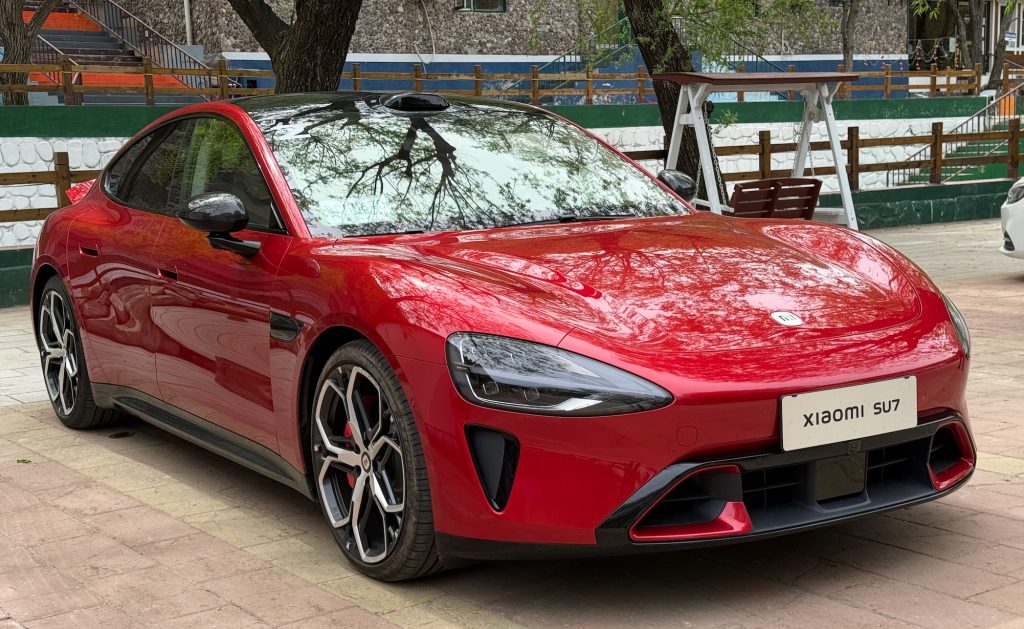
Safety and chassis upgrades
Xiaomi calls it the “Dragon Chassis,” and the improvements go beyond marketing. The Pro now gets closed dual-chamber air suspension with CDC damping and height-plus-stiffness adjustment — features that were previously exclusive to the Max. The Max itself upgrades from single-chamber to dual-chamber air suspension.
The body structure uses 2,200 MPa ultra-high-strength steel in an integrated roll cage design, up from 2,000 MPa door impact beams on the outgoing model. Rear side airbags are now standard across all trims, and there’s a new enhanced rear collision warning system (RCW+).
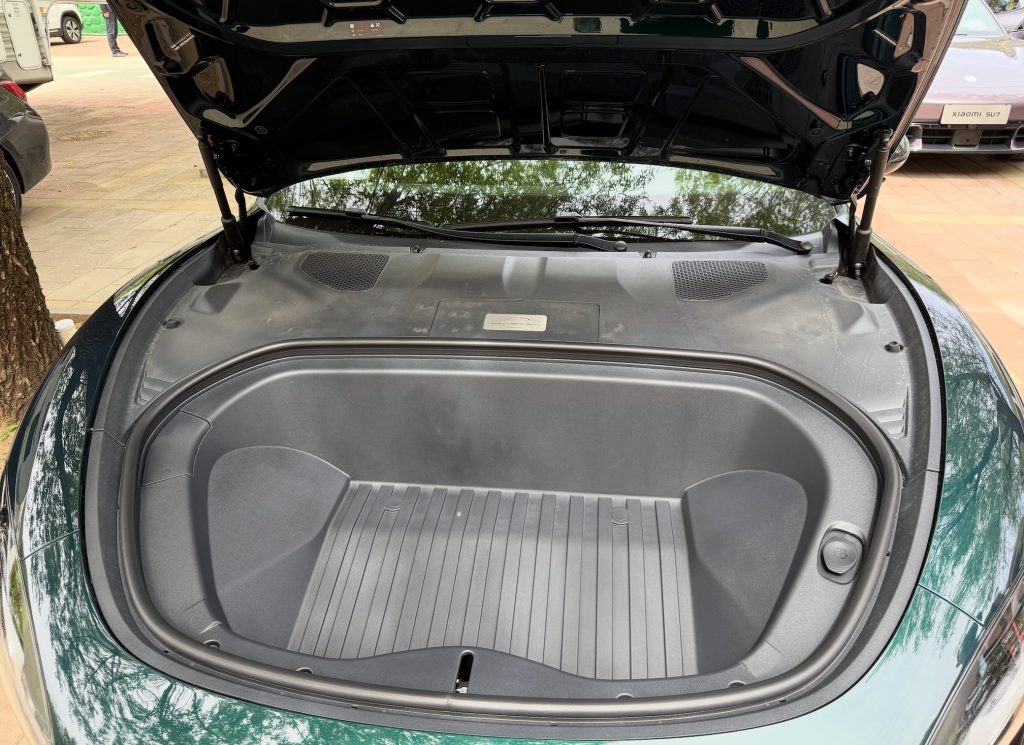
Other notable additions include an electric front trunk (the old car didn’t have one), soft-close doors as an option, door-open safety protection, and surround-view camera cleaning.
Smart cabin upgrades
The cabin chip upgrades from the Snapdragon 8295 to the Snapdragon 8 Gen 3, and Xiaomi introduces what it calls a “Four-in-One Domain architecture” that consolidates multiple systems onto one platform. The speaker count goes from 10 to 14 as standard (with 25-speaker systems optional), and wireless charging jumps from 50W to 80W.
The Max gets an optional customizable AR-HUD, a detachable rear remote control panel, and an optional ultra-quiet cabin package. The Nappa leather is now standard on the Max instead of optional.
A new magnetic ecosystem with a powered 1/4-thread mount opens up accessory options, and an exterior XiaoAi AI voice assistant is new across the range.
Pricing and market position
The next-gen SU7 starts at 219,900 yuan (~$31,000) for the Standard, 249,900 yuan for the Pro, and 303,900 yuan for the Max. That’s a 10,000-14,000 yuan increase over the outgoing model, but the value proposition actually improved given the sheer volume of upgrades.
For context, the Tesla Model 3 RWD starts at 235,500 yuan in China, the Long Range at 259,500 yuan, and the Performance at 339,500 yuan. The SU7 Standard undercuts the Model 3 by about 15,600 yuan while offering more range (720 vs. 634 km CLTC), more power (320 vs. 264 PS), faster charging (3.5C vs. 2C), and now LiDAR with full autonomous driving hardware. The SU7 outsold the Model 3 in China in 2025 by a wide margin — 258,164 units versus 200,361 — and the gap is likely to widen with this refresh.
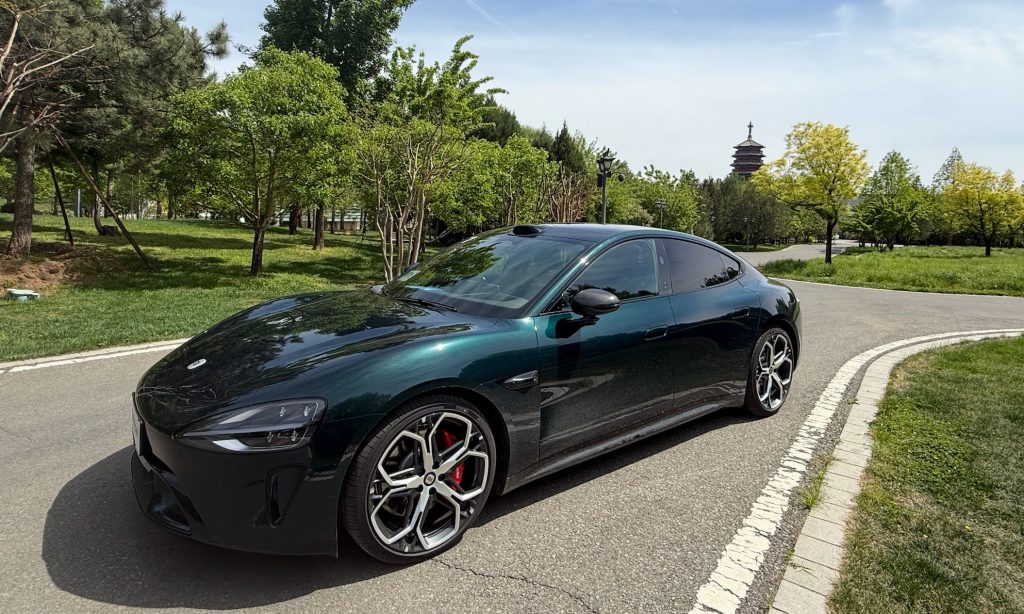
Electrek’s Take
The Xiaomi SU7, and now more specifically this next-gen SU7, represent a microcosm of the Chinese auto industry and its speed.
A few years ago, Xiaomi wasn’t even an automaker. Two years ago, the SU7 wasn’t a car. Now it’s the best-selling vehicle in its segment in the most competitive EV market in the world, with over 381,000 units sold. And now Xiaomi is delivering a mid-cycle refresh roughly twice as fast as most Western automakers would.
It’s a significant one, too. The move to 800V architecture across the entire lineup — including the base model — improves efficiency, range, and charging across the board. The safety upgrades were needed since the SU7 delivered a ton of power to people who often weren’t used to it. The bigger brakes and wider tires should help buyers control that power better.
The NVIDIA Thor and LiDAR standardization on every trim is the kind of move that puts pressure on the entire industry. The new 4D millimeter radar is also a big upgrade. Tesla investors have bet everything on Elon Musk being right about vision-only being enough to achieve unsupervised self-driving safer than human, but the truth is that Elon himself confirmed to me that he believes that high definition radar combined with vision would be safer than vision only:
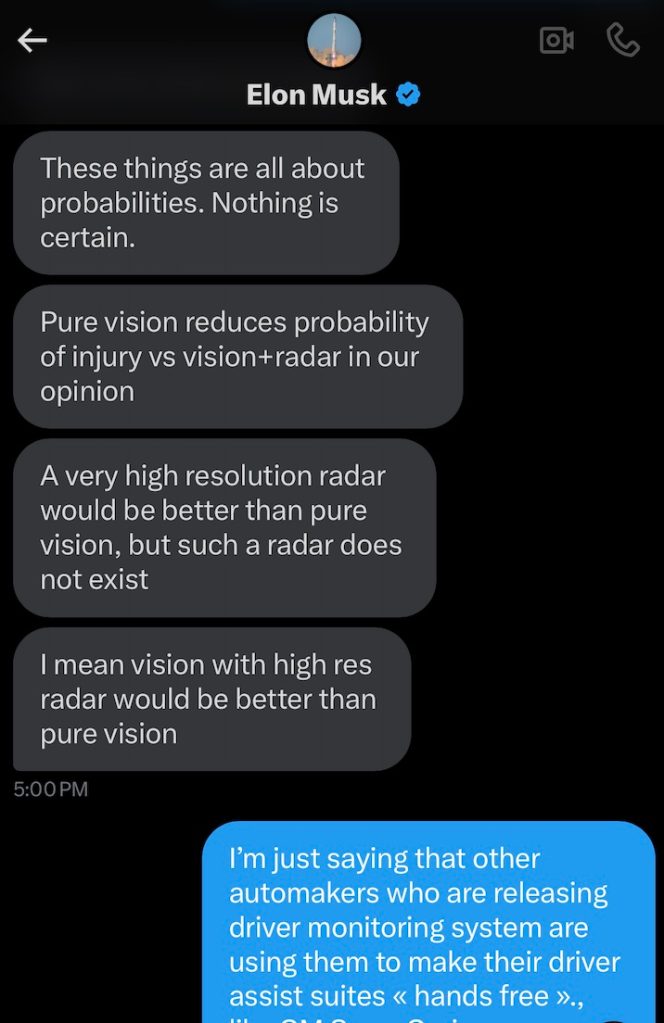
That was in 2021 when Tesla was transitioning to vision-only and he believed such radar didn’t exist, but they certainly do now, and other automakers are implementing them. Just not Tesla.
I couldn’t try Xiaomi’s latest assisted driving features in my short drive in the new SU7 because the vehicle was brand new, and it was still calibrating its system. By the time the drive was over, only the self-parking features were made available. But I’m hearing that it’s quickly catching up to Tesla’s FSD.
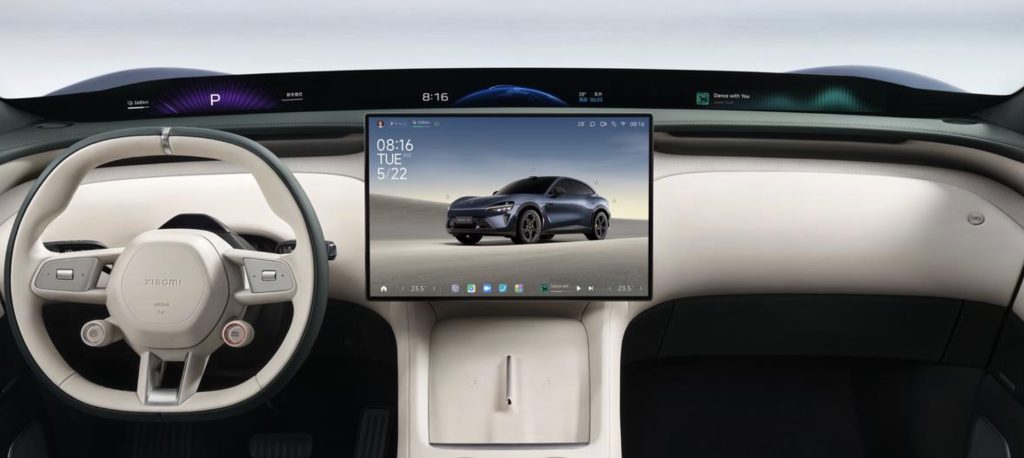
My main complaint is that Xiaomi didn’t bring the YU7’s HyperVision panoramic dash display to the new SU7. That 1.1-meter panoramic display is a killer feature that modernizes the interior, and it’s a better experience for the driver than the traditional instrument cluster or HUD. It would have brought the SU7’s cabin into the next generation as convincingly as the powertrain.
Top comment by Beario
In such a competitive market like China there is no way car companies can be complacent or they will lose ground fast. That is the reason for the insane pace of changes and improvements these companies make to their vehicles. This is one of the primary reasons why western automakers are so afraid of these Chinese car companies and their cars. Here is the US we are too used to the 5 year cadence for updates which would take time for legacy automakers here to catch up to that pace, not to mention being able to compete with the prices if Chinese cars were not being tariffed. What amazes me is how very little is known about these cars here in the US. Its only a matter of time before the news spreads and legacy automakers deal with the storm.
Other than that, I really have to nitpick to find problems. The next-gen SU7 is a comprehensive upgrade that delivers more range, more power, faster charging, better safety, and smarter autonomous driving hardware — all for roughly the same price. With Xiaomi already poaching Tesla’s European operations talent ahead of a planned 2027 European launch, this is the car that will soon be knocking on doors outside China.
But most significant is the speed of iterations at which Xiaomi is executing.
The industry has to pay attention not only to how fast it brought an industry-leading vehicle program to market and how quickly it ramped up production, but now it has to look at the insane pace at which it is improving on those two vehicle programs.
We hear a third is coming soon, too.


FTC: We use income earning auto affiliate links. More.



Comments