
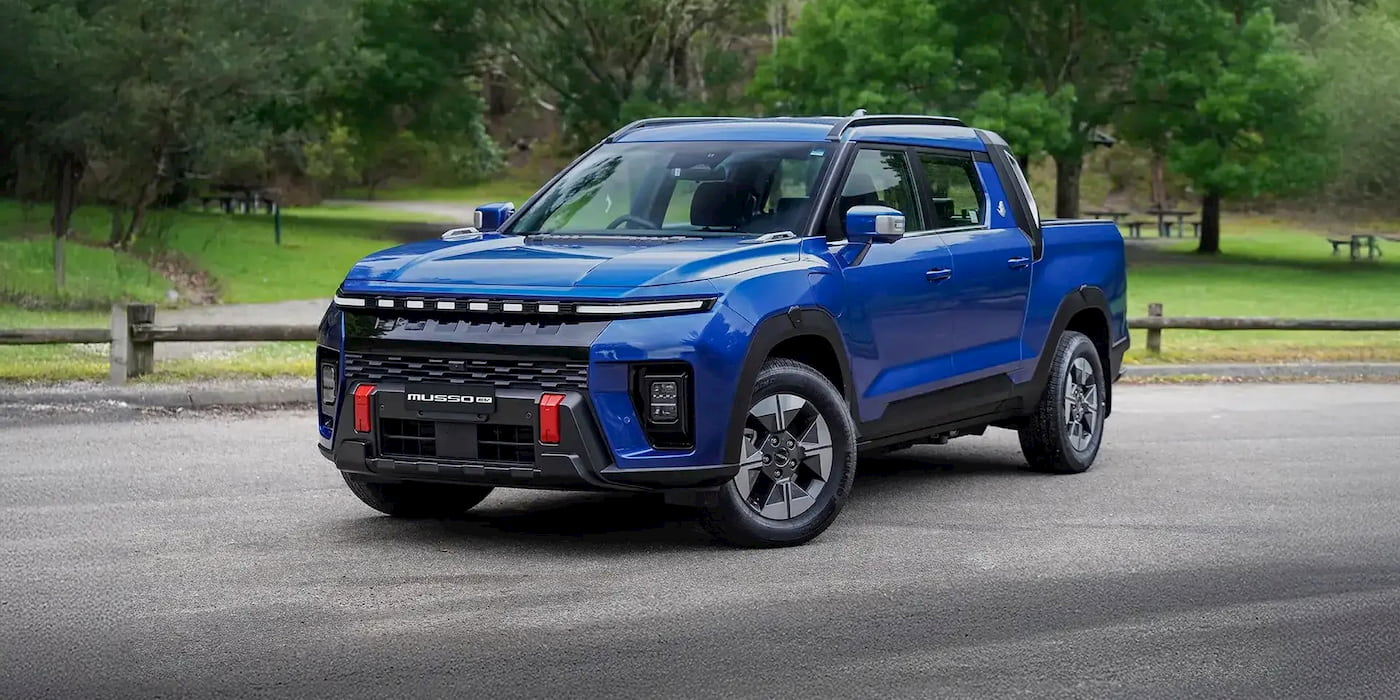
Chinese and Korean automakers are selling more pickups than ever before, thanks to new electric options. The US, on the other hand, is headed in the wrong direction.
Korean and Chinese pickups are in hot demand
America is known for its love affair with unusually large trucks and SUVs. They can tow, offer plenty of interior room, and give that feeling of “Power.”
The “American Dream” wouldn’t be complete without a pickup truck parked out front. Lower gas prices and looser fuel economy standards have led pickup trucks to dominate US vehicle sales over the past several years.
Registration data from Edmunds shows Ford’s F-Series remained the best-selling vehicle lineup in the US last year, followed by the Chevy Silverado. The GMC Sierra and Ram’s truck lineup ranked sixth and eighth, respectively.
While America’s “Big Three” automakers, such as Ford, GM, and Stellantis, are delaying or canceling plans for fully electric pickup trucks altogether, the rest of the world is plowing ahead.
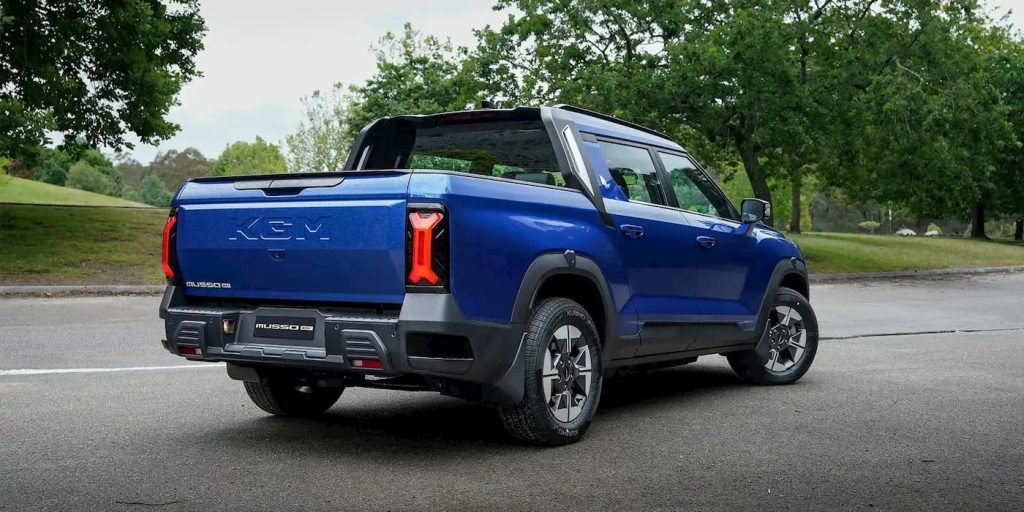
According to data from the Kaiju Data Research Institute (via Newsis), nearly 23,500 pickups were registered in Korea through November, up 68% from the same period in 2024.
KG Mobility’s (KGM) electric pickup, the Musso EV, led the growth with 14,313 registrations, up from 12,231 in the first 11 months of 2024.
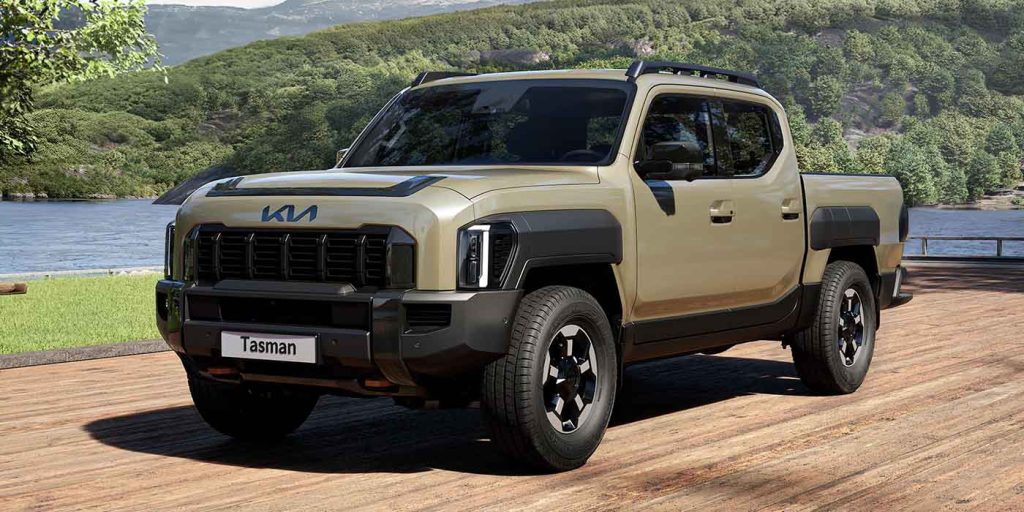
Although not electric (at least not yet), Kia’s first pickup, the Tasman, is off to a strong start. Kia has exported over 15,000 pickups to overseas markets, including Australia and New Zealand. An electric Tasman is in the pipeline, Kia’s head of marketing for South Africa, Christo Valentyn, confirmed last year.
Speaking with CarExpert, Kia Australia general manager, Roland Rivero, said customers are already asking for a plug-in hybrid (PHEV) variant to rival BYD’s Shark 6.
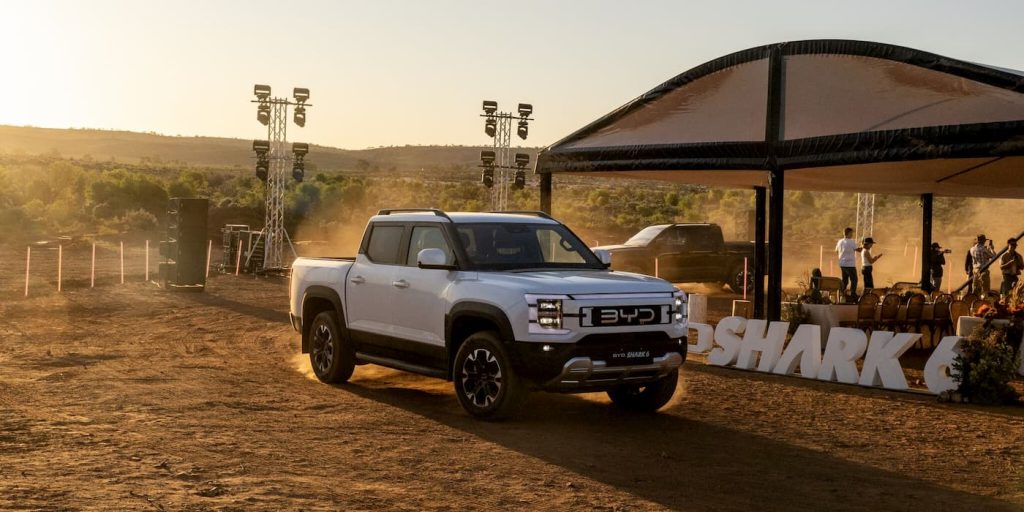
The recent rise in demand for Korean pickups comes as new electrified models and modern tech are making them more everyday vehicles.
And it’s not just Korea. The latest data from the China Automobile Dealers Association shows record pickup truck sales in China.
Through November, 537,000 pickups were sold in China, up 12% from the same period in 2024. Several Chinese automakers are seeing increased demand, both domestically and overseas.
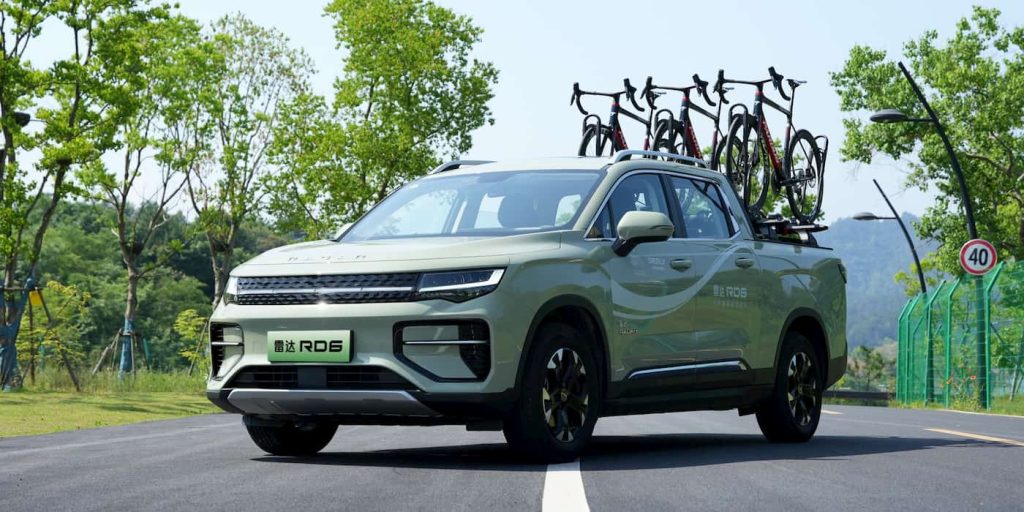
Great Wall Motors leads in China, while Changan Auto, SAIC Maxus, JAC Motors, Radar New Energy Vehicles, are driving export growth.
New energy vehicles (NEVs), including battery electric (BEV) and plug-in hybrids (PHEV), are leading the growth. From January to November 2025, NEV pickup sales are up 335% year-over-year (YOY) with 67,000 units sold.
Last month, BYD sold over 3,500 pickups overseas, and Geely’s Radar sold over 2,000. Radar introduced the R6 as China’s first mass-market fully electric pickup.
Over the past two years, the R6 has been China’s top-selling electric pickup. Now it’s arriving in overseas markets like Eastern Europe, the Middle East, Central Asia, and Central and South America.
Electrek’s Take
Meanwhile, in the US, Ford confirmed earlier this week that it’s ending production of the current electric F-150 Lightning. The next-generation Lightning will be an extended-range electric vehicle (EREV), which Ford promises will be “every bit as revolutionary” as the all-electric pickup.
Top comment by MJE
The USA is a petro state plutocracy it is only natural that it focuses on ICE vehicles that enrich the wealthy and extract maximum rent from a captured consumer market.
The workers from its Rouge Electric Vehicle Center are being transferred to Ford’s Dearborn Truck Plant as it ramps up production of gas and hybrid trucks.
Ford’s decision comes after Stellantis announced it no longer plans to launch the fully electric Ram 1500 REV pickup. It will also arrive as an EREV.
The recent policy changes under the Trump administration once again enable US automakers to build and sell these massive gas guzzlers.
While it may work out for US automakers domestically in the short term, it will only put them further behind on a global scale.


FTC: We use income earning auto affiliate links. More.


Comments