
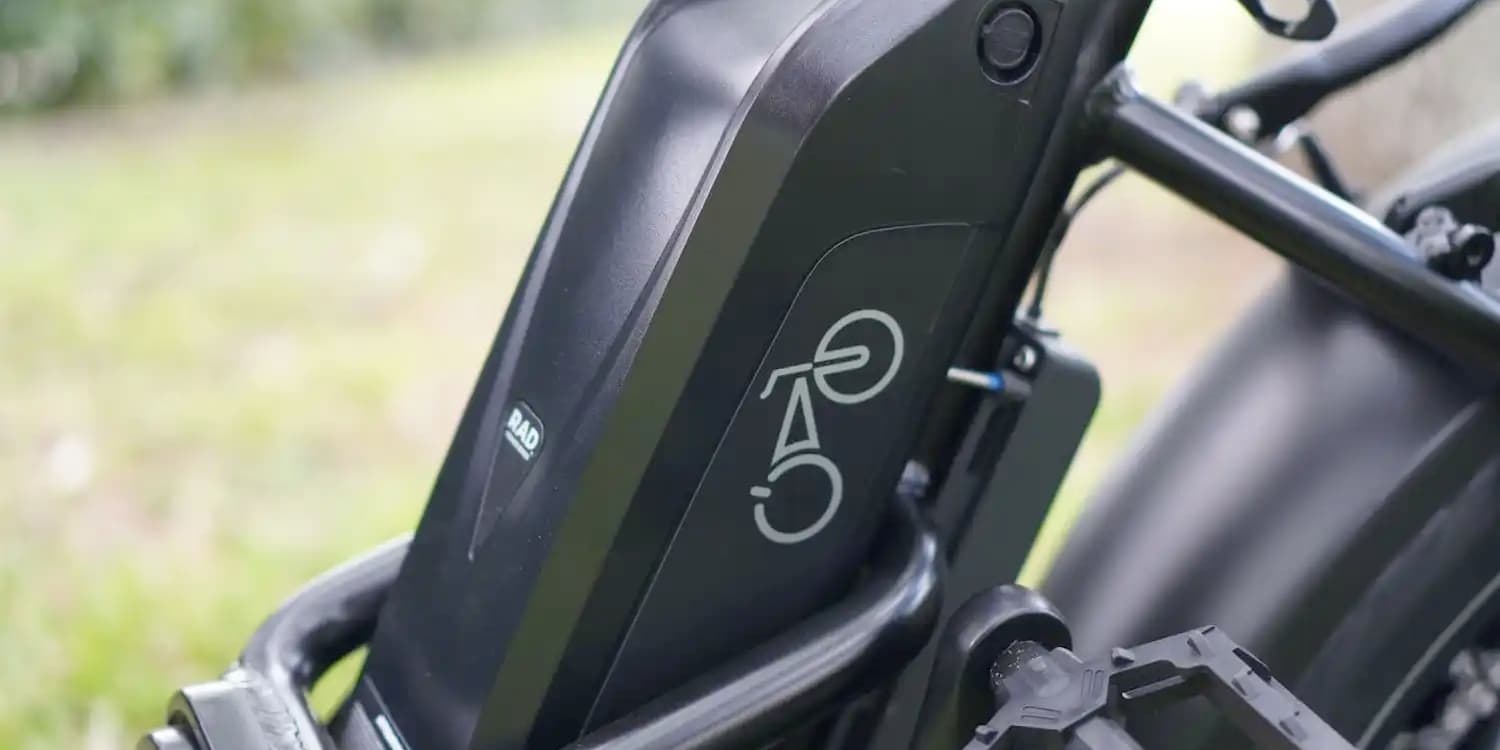
In an unprecedented move, the US Consumer Product Safety Commission (CPSC) has issued a public safety warning urging owners of certain Rad Power Bikes e-bike batteries to immediately stop using them, citing a risk of fire, explosion, and potentially serious injury or death.
The warning, published today, targets Rad’s lithium-ion battery models RP-1304 and HL-RP-S1304, which were sold with some of the company’s most popular e-bikes, including the RadWagon 4, RadRunner 1 and 2, RadRunner Plus, RadExpand 5, RadRover 5 series, and RadCity 3 and 4 models. Replacement batteries sold separately are also included.
According to the CPSC, the batteries “can unexpectedly ignite and explode,” particularly when exposed to water or debris. The agency says it has documented 31 fires linked to the batteries so far, including 12 incidents of property damage totaling over $734,000. Alarmingly, several fires occurred when the battery wasn’t charging or when the bike wasn’t even in use.
Complicating the situation further, Rad Power Bikes – already facing significant financial turmoil – has “refused to agree to an acceptable recall,” according to the CPSC. The company reportedly told regulators it cannot afford to replace or refund the large number of affected batteries. Rad previously informed employees that it could be forced to shut down permanently in January if it cannot secure new funding, barely two weeks before this safety notice was issued by the CPSC.
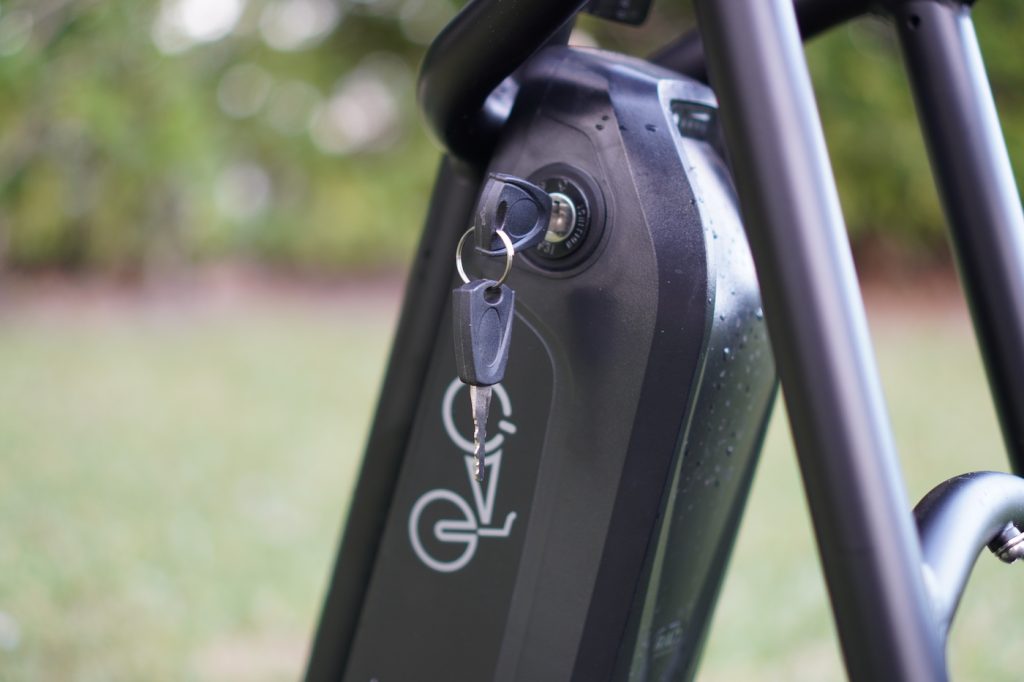
For its part, Rad pushed back strongly on the CPSC’s characterization. A Rad Power Bikes Spokesperson explained in a statement to Electrek that the company “stands behind our batteries and our reputation as leaders in the ebike industry, and strongly disagrees with the CPSC’s characterization of certain Rad batteries as defective or unsafe.”
The company explained that its products meet or exceed stringent international safety standards, including UL-2271 and UL-2849, which are standards that the CPSC has proposed as a requirement but not yet implemented. Rad says its batteries have been repeatedly tested by reputable third-party labs, including during the CPSC investigation, and that those tests confirmed full compliance. Rad also claims the CPSC did not independently test the batteries using industry-accepted standards, and stresses that the incident rate cited by the agency represents a tiny fraction of a percent. While acknowledging that any fire report is serious, Rad maintains that lithium-ion batteries across all industries can be hazardous if damaged, improperly used, or exposed to significant water intrusion, and that these universal risks do not indicate a defect specific to Rad’s products.
The company says it entered the process hoping to collaborate with federal regulators to improve safety guidance and rider education, and that it offered multiple compromise solutions – including discounted upgrades to its newer Safe Shield batteries that were a legitimate leap forward in safety in the industry – but the CPSC rejected them. Rad argues that the agency instead demanded a full replacement program that would immediately bankrupt the company, leaving customers without support. It also warns that equating new technology with older products being “unsafe” undermines innovation, noting that the introduction of safer systems, such as anti-lock brakes, doesn’t retroactively deem previous generations faulty. Ultimately, Rad says clear, consistent national standards are needed so manufacturers can operate with confidence while continuing to advance battery safety.

Lithium-ion battery fires have become a growing concern across the US and internationally, with poorly made packs implicated in a rising number of deadly incidents.
While Rad Power Bikes states that no injuries or fatalities have been tied to these specific models, the federal warning marks one of the most serious e-bike battery advisories issued to date – and arrives at a moment when the once-dominant US e-bike brand is already fighting for survival.


FTC: We use income earning auto affiliate links. More.



Comments