
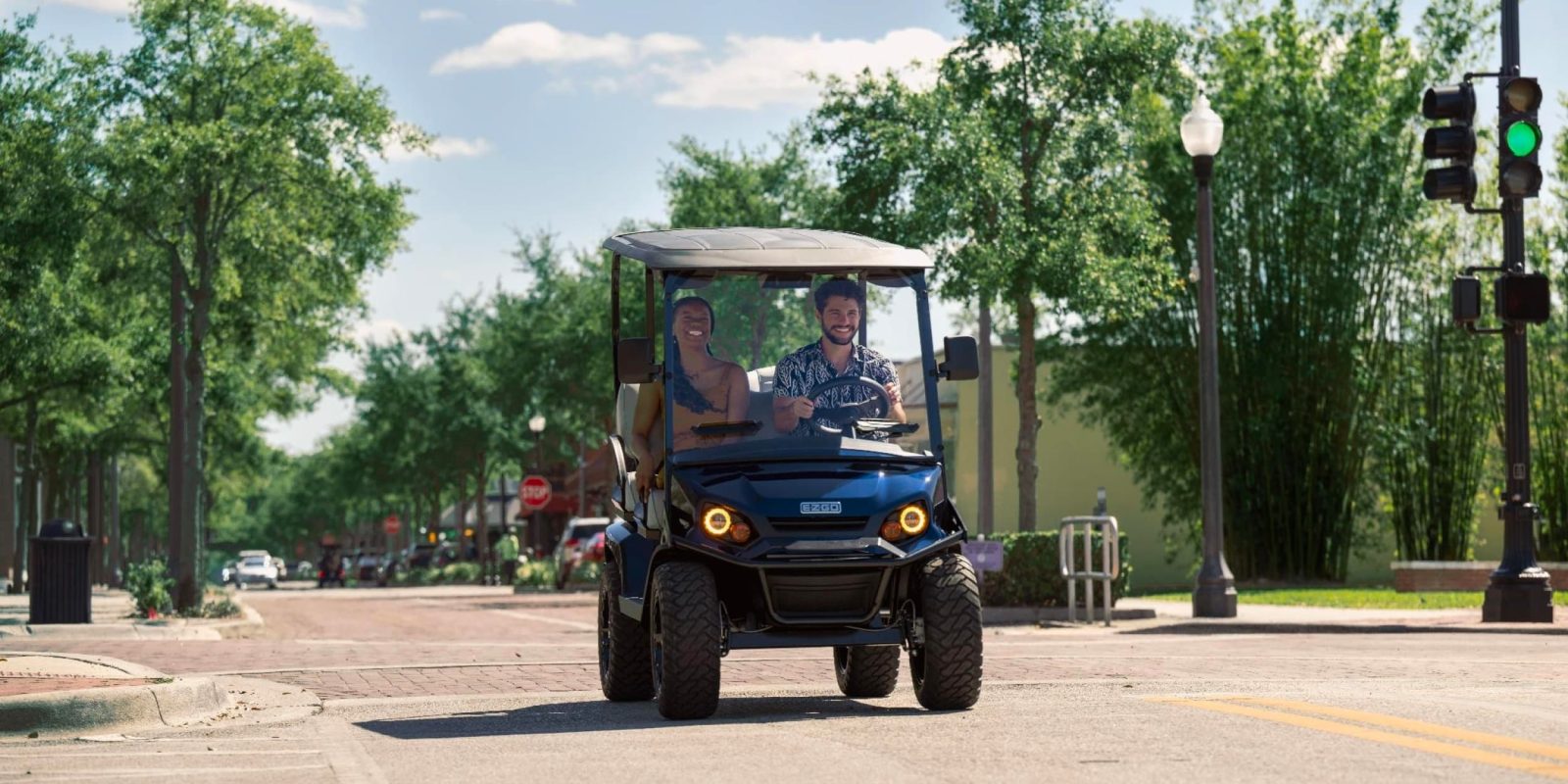
First, it was e-bikes, offering an efficient, effective, and low-cost way for teens and just about everyone to zip around town, yet drawing the temper of suburban traditionalists. Now golf carts are the new public enemy number one in suburbia, at least if you ask the growing number of online groups where residents complain about these small electric vehicles “clogging” their streets.
But beyond the hand-wringing, golf carts and their more sophisticated cousins known as Neighborhood Electric Vehicles (NEVs) or Low Speed Vehicles (LSVs), are quietly becoming a popular alternative to cars for short trips around US cities and suburbs.
While most people still associate golf carts with retirement communities in Florida or slow rides across 18 holes, street-legal versions have been around for the last few decades.
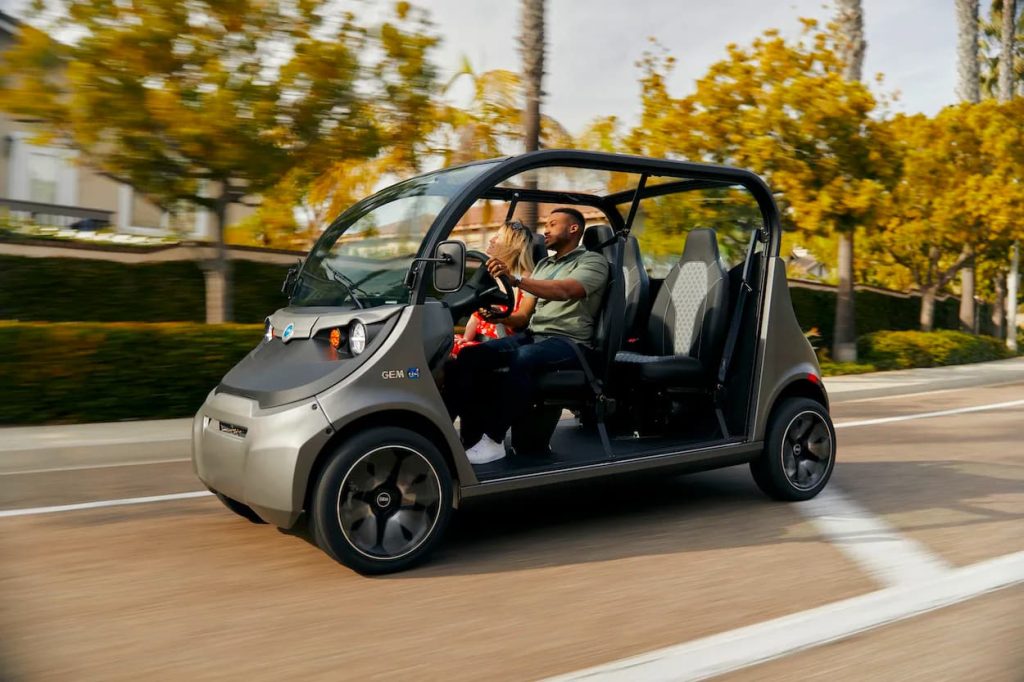
But these aren’t your grandpa’s bare-bones carts, complete with a golf pencil clip. Many now come with DOT seat belts, lights, turn signals, mirrors, backup cameras, and speed limiters that allow them to operate legally on roads up to 35 mph, as long as they meet all the federal requirements for Low-Speed Vehicles (LSVs).
That means such vehicles are legally allowed to operate like cars, trucks, bicycles, or motorcycles on the vast majority of residential streets and a surprising portion of urban grids. In other words, for grabbing groceries, school drop-offs, or cruising to a friend’s house, they’re a practical, cheaper, and far greener substitute for firing up a 5,000-pound SUV.
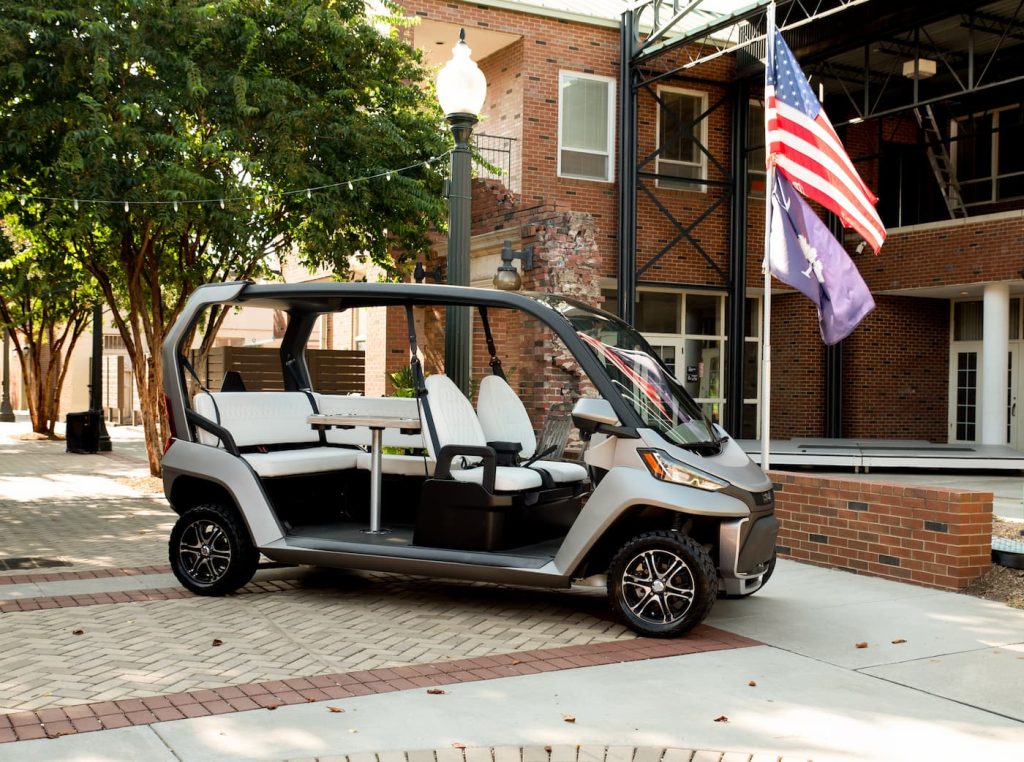
Golf carts have been slowly taking off for years, but the pandemic accelerated the trend. Sales of golf carts and LSVs spiked as families looked for safe, outdoor transportation and an easy way to get around their neighborhoods. Now, in cities all over the country, the sight of parents driving their kids to school or running errands in a cart is increasingly common. In some towns, petitions have even popped up with hundreds of residents asking for local ordinances to legalize them on more streets, according to the Daily Mail.
Of course, not everyone is thrilled. There’s growing backlash against the increase in golf carts on streets, with many residents calling them a “plague” and complaining that they’re taking up space on the roads, in parking lots, or creating unsafe conditions. While rare, there have been serious accidents too, with a handful of tragic cases highlighting the dangers of mixing small, lightweight carts with full-size vehicles. Critics argue that carts lack the crash protection of cars and don’t always fall under homeowners’ insurance policies if an accident happens.
But for every critic, there’s a supporter pointing out that golf carts take cars off the road, save money on fuel, and are no more dangerous than scooters or e-bikes – modes of transport that already share the streets. And major golf cart makers have been happy to respond to the demand with boosted sales and new models. Companies like E-Z-GO, Club Car, WAEV, Kandi, and others are all rushing new models to the market as more suburban commuters discover that their next electric vehicle might just cost a fraction of what they thought it would – and come with a better breeze, too.
Electrek’s Take
If I didn’t know any better, I’d say it’s like the Karens are just following me around to poo-poo on any alternative vehicle I happen to drive that week. They’ve hit all my favorites. Pretty soon, they’ll be coming for my electric tractors, too!
Top comment by MS2017
I have no problem at all with these on smaller, residential roads with speed limits ~35mph or lower.
It’s when someone tries to take one of these out onto a major, multi-lane road with speed limits of 45mph or higher that they become incredibly annoying and dangerous to people around them.
But seriously, this feels like déjà vu. The same arguments we’ve heard for years against e-bikes are now being recycled against golf carts: too unsafe, too disruptive, too “different” from the car-centric status quo.
But the reality is, again, quite the same as e-bikes. These are small electric vehicles that make a ton of sense and are totally street legal, at least when they’re built correctly to conform to the proper laws.
They come with a lot of the same benefits, too. They’re cheap to operate, easy to park, perfect for short trips, and they prevent larger cars from needlessly clogging residential streets. Will they ruffle feathers among the kind of folks who have had one too many frisbees land in their yard? Perhaps. But much like e-bikes, their popularity is only going one direction – up.
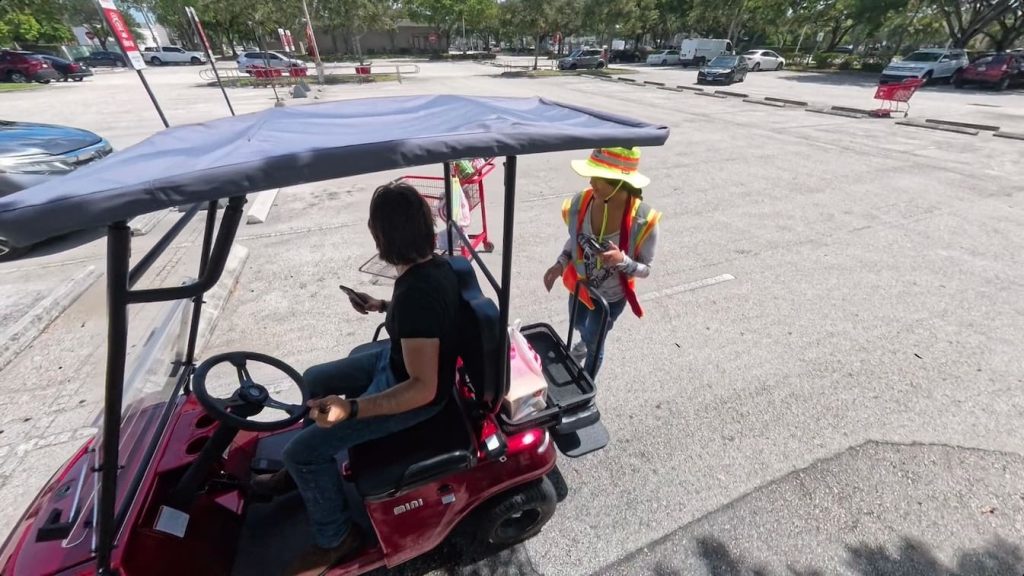
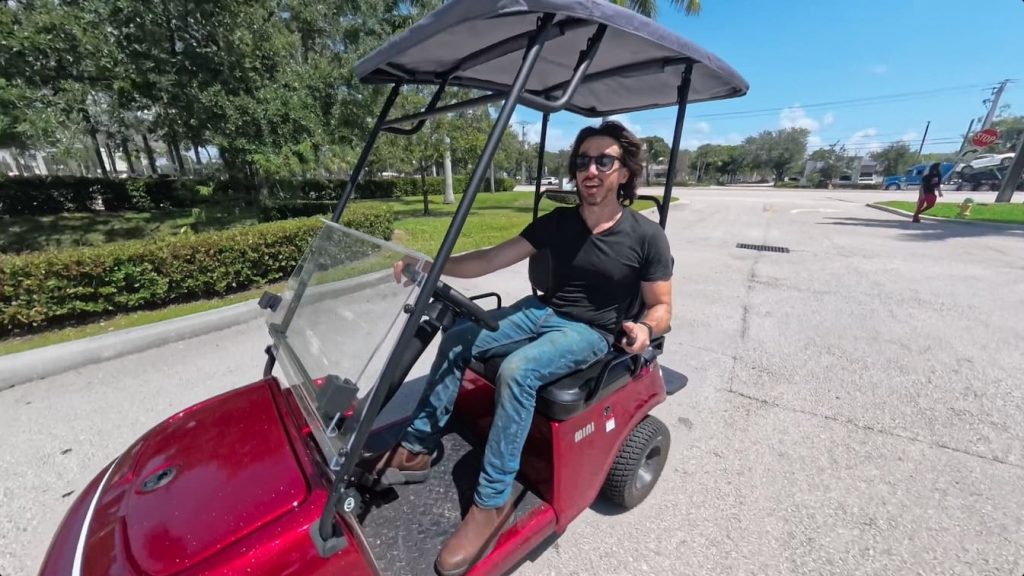
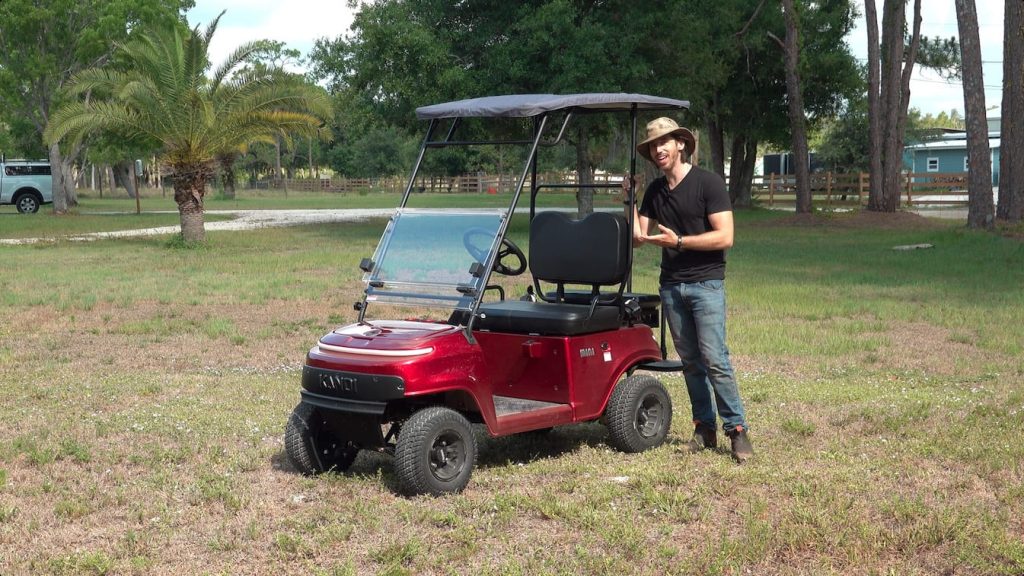
I leave you with a few images of perhaps my favorite of all, the Kandi Mini. The nay-sayers can pull it from my cold, dead, golf cart driving gloved hands.



FTC: We use income earning auto affiliate links. More.


Comments