
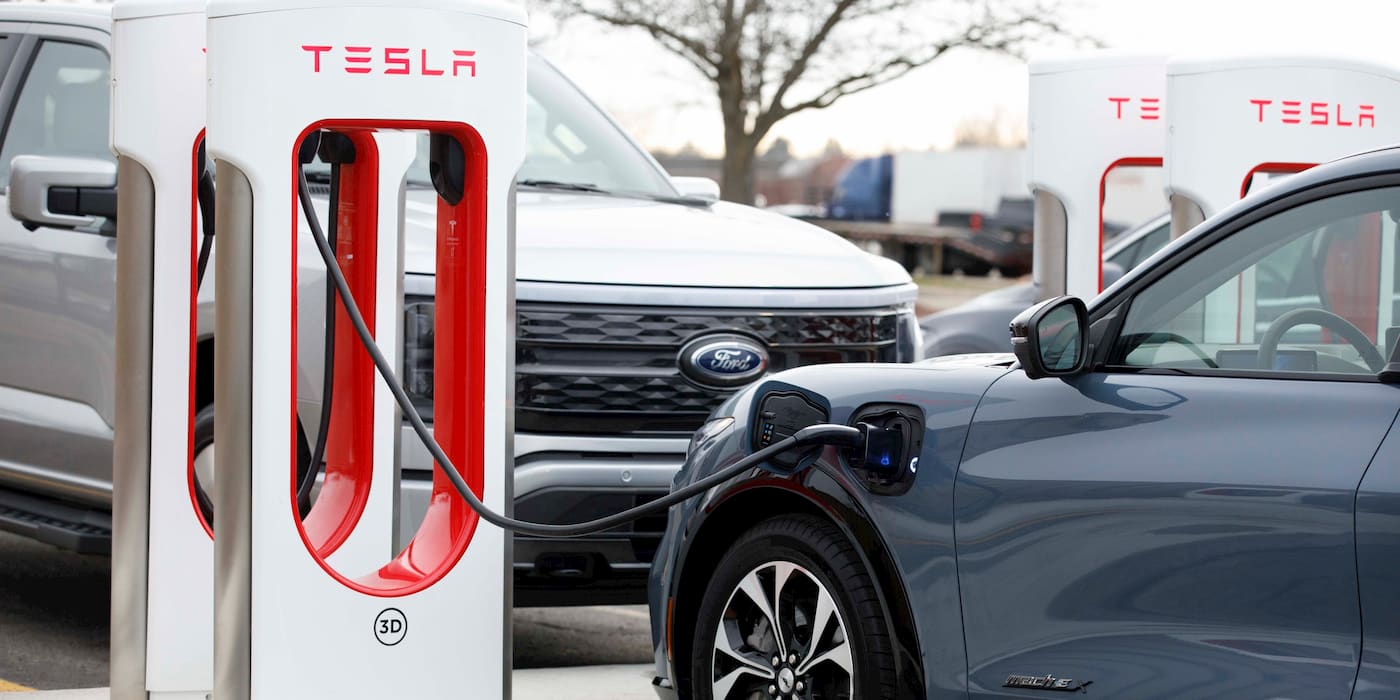
Ford is on track to start producing LFP batteries in the US next year, a big milestone as it prepares to launch its lower-cost, next-gen EVs. The company said that the new facility will help deliver “truly affordable vehicles” and also enable the US to finally compete globally.
Ford will start LFP battery production in 2026 for new EVs
Although the new battery plant was announced over two years ago under the Biden administration, Ford confirmed this week that it’s still on track to start production in 2026.
Ford invested $3 billion to build the LFP battery plant in Marshall, Michigan, but expected to receive roughly $700 million in federal tax credits to help offset the cost.
With the Trump administration and Republicans in Congress aiming to end incentives for electric vehicles, batteries, and other clean energy projects, Ford could face an uphill battle.
Since Ford is licensing battery and manufacturing tech from China’s CATL, it’s especially vulnerable. Republicans in Congress are already working to pass a bill that would ban federal support for US battery plants using tech, materials, and other supplies from China.
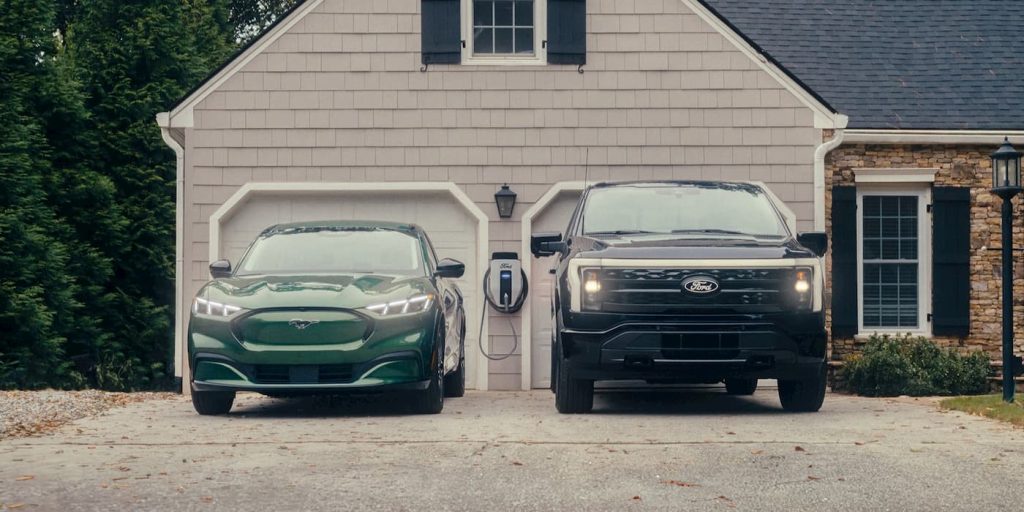
Despite this, the automaker is standing by the facility. Lisa Drake, Ford’s vice president of technology platform programs and EV systems, confirmed on Monday that the company “remains on track to start production of these batteries next year.”
Ford’s exec explained that “Because our timeline for investment is so long, when these rules change so fast, they’re very material for us,” adding, “We don’t want to back off on this facility. If anything, we want to go faster, to be honest with you. So that PTC is important to just keep the tailwind to the headwind.”
Drake said the facility is “a historic step” for an American automaker as it prepares to build LFP battery cells and battery packs domestically.

Ford is already producing C-sample cells at an off-site equipment supplier location, which will be used for its next-generation EV program.
“To really deliver truly affordable electric vehicles,” Drake explained, Ford decided to build prismatic LFP batteries in the US years ago.
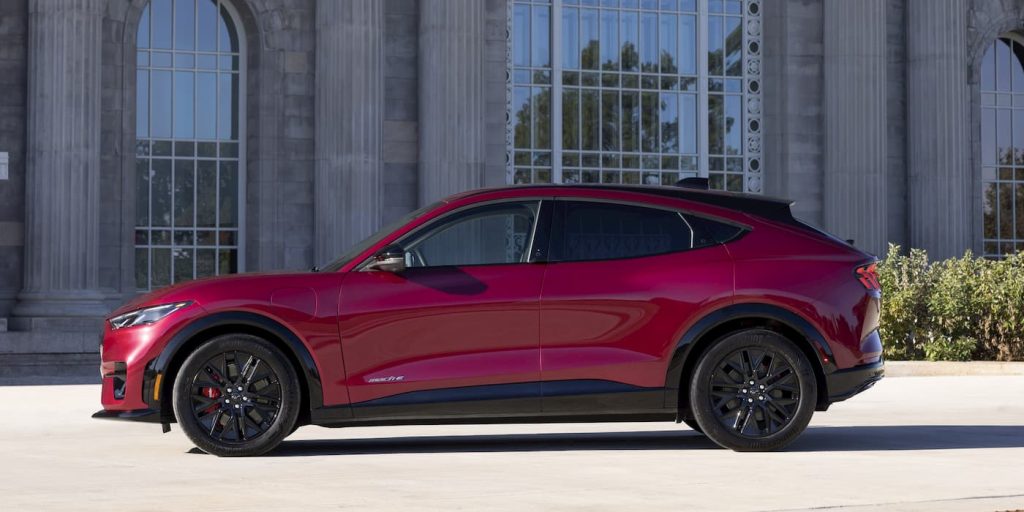
The plant will help lower EV costs while “allowing the US to finally build LFP batteries at scale and pave the way to compete globally on energy storage production,” according to Ford’s exec.
Once up and running, Ford expects to add around 35 GWh of LFP battery capacity and approximately 1,700 new employees.
Drake said during the event that “these are very good-paying jobs,” adding, “it would be a shame to build these facilities and then all of a sudden you have to scale back.”
Electrek’s Take
Although it was a first mover in the US with the electric Mustang Mach-E, F-150 Lightning, and E-Transit, Ford has delayed or canceled several EV projects, including plans for a three-row electric SUV.
The LFP battery plant is still on track and is expected to be a cornerstone behind Ford’s push for lower-cost EVs in the US.
During a candid dinner discussion (via Axios) earlier this month with Daniel Roeska, Bernstein’s lead automotive analyst, Drake revealed a few new details behind Ford’s low-cost EV platform.
Roeska said that “Lisa Drake was explicit: Ford intends to match the cost structure of leading Chinese players,” in a note to investors, adding “That means not just battery pricing, but full system cost from chassis and thermal systems to inverters and electronics.”
Top comment by Andrew Gould
Republicans have less than 2 years left in power as there will almost certainly be at least one chamber of congress that swings to Democratic control in 2026 (if history is an indication). For Ford to change direction to placate policies that will either stagnate or reverse in 1.5 years doesn't business make sense.
Drake also explained that the next-gen EV platform will support eight body styles, including trucks, crossover SUVs, and maybe even sedans.
The first EV built on Ford’s new low-cost platform, a midsize electric pickup, is expected to resemble its current Ranger.
Thanks to the new electric Equinox, or “America’s most affordable 315+ mile range EV,” as GM calls it, Chevy is outselling Ford in the US. Through May, Chevy sold over 37,000 compared to Ford, which sold 34,000.
Will Ford’s upcoming lower-cost models help it regain the lead? Let us know your thoughts below.


FTC: We use income earning auto affiliate links. More.


Comments