Solar, wind, and batteries are set to supply virtually all net new US generating capacity in 2026, according to EIA data reviewed by the SUN DAY Campaign, continuing their strong 2025 growth.
Europe’s power mix hit a tipping point in 2025. Wind and solar generated more electricity across the European Union than fossil fuels for the first time last year, according to Ember’s newly released European Electricity Review. Wind and solar supplied a record 30% of EU power, edging past fossil fuels at 29%.
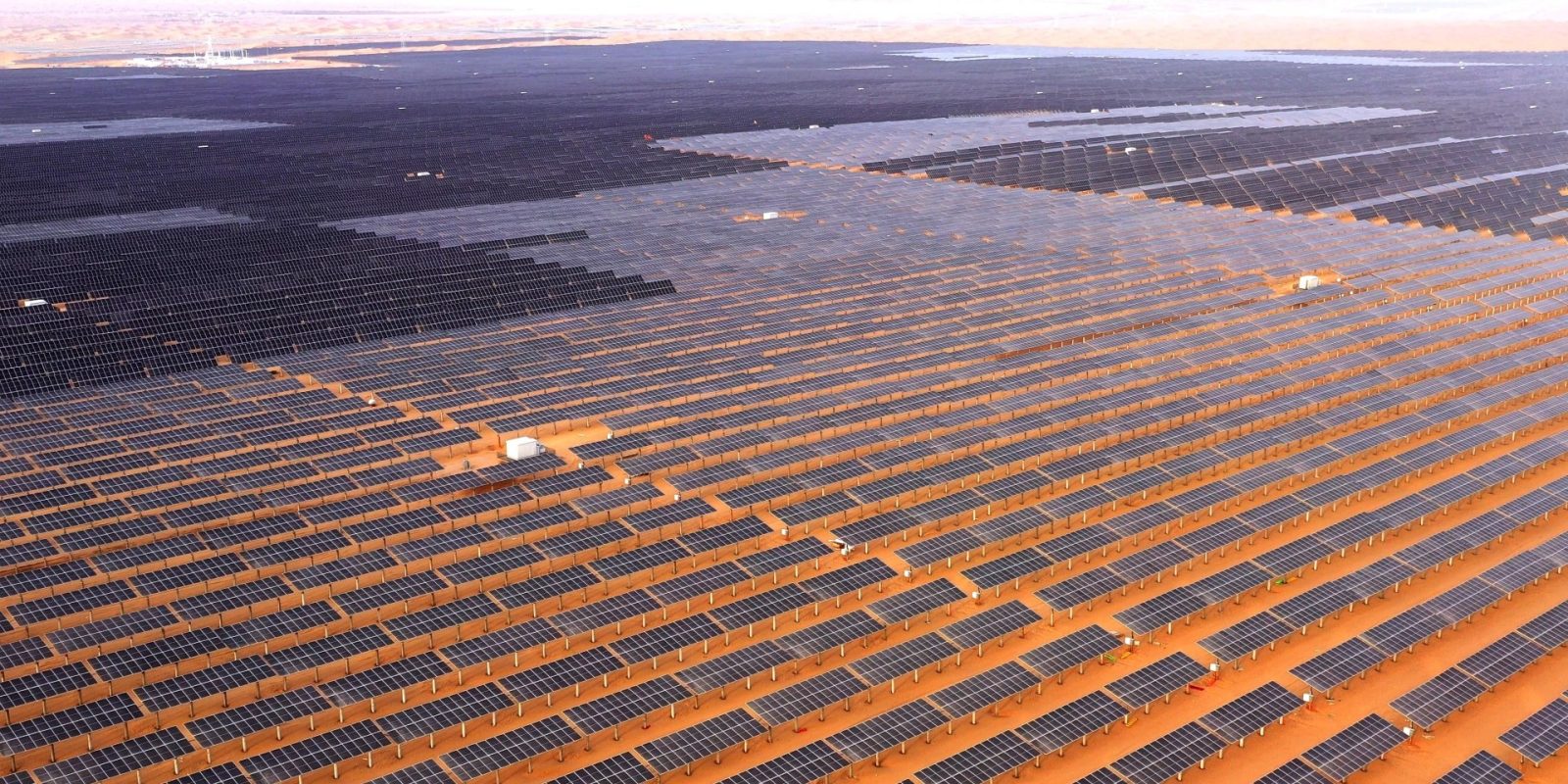
Solar continues to dominate new capacity additions and has held the lead among all energy sources for 26 consecutive months. As a result, installed utility-scale solar capacity now exceeds wind capacity for the first time, according to data released by the Federal Energy Regulatory Commission (FERC) and reviewed by the SUN DAY Campaign.
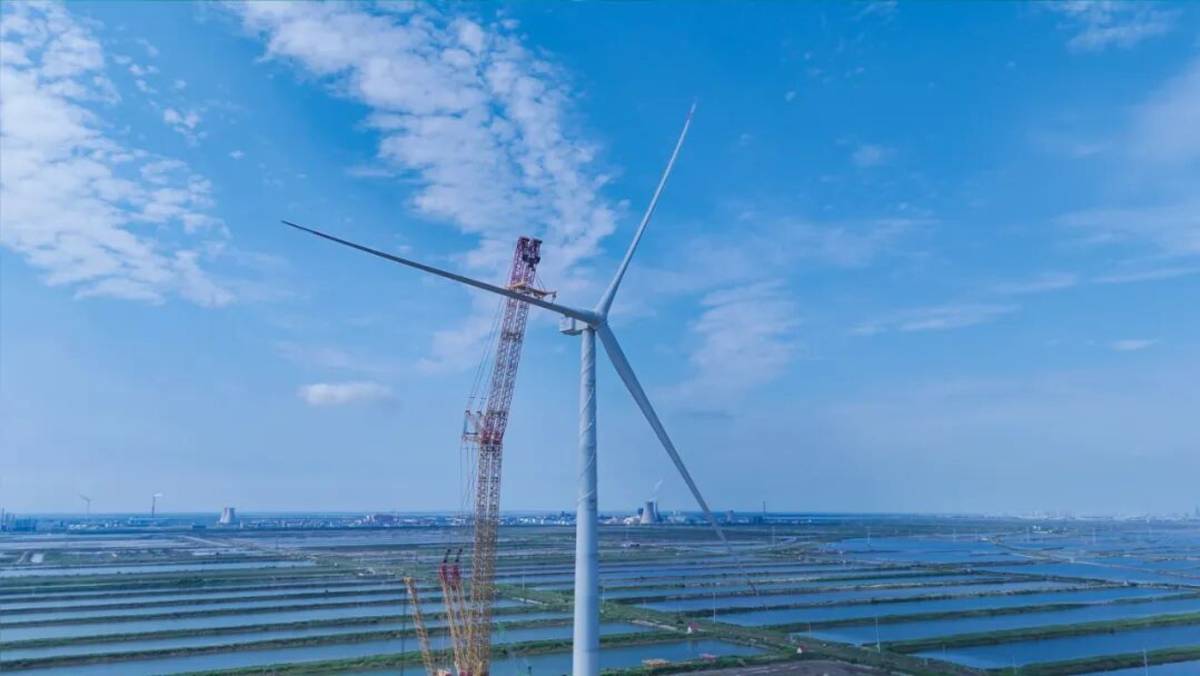
Ming Yang Smart Energy says it has rolled out what it’s calling the “world’s first fully recyclable carbon fiber wind turbine blade” — and it’s a big one.
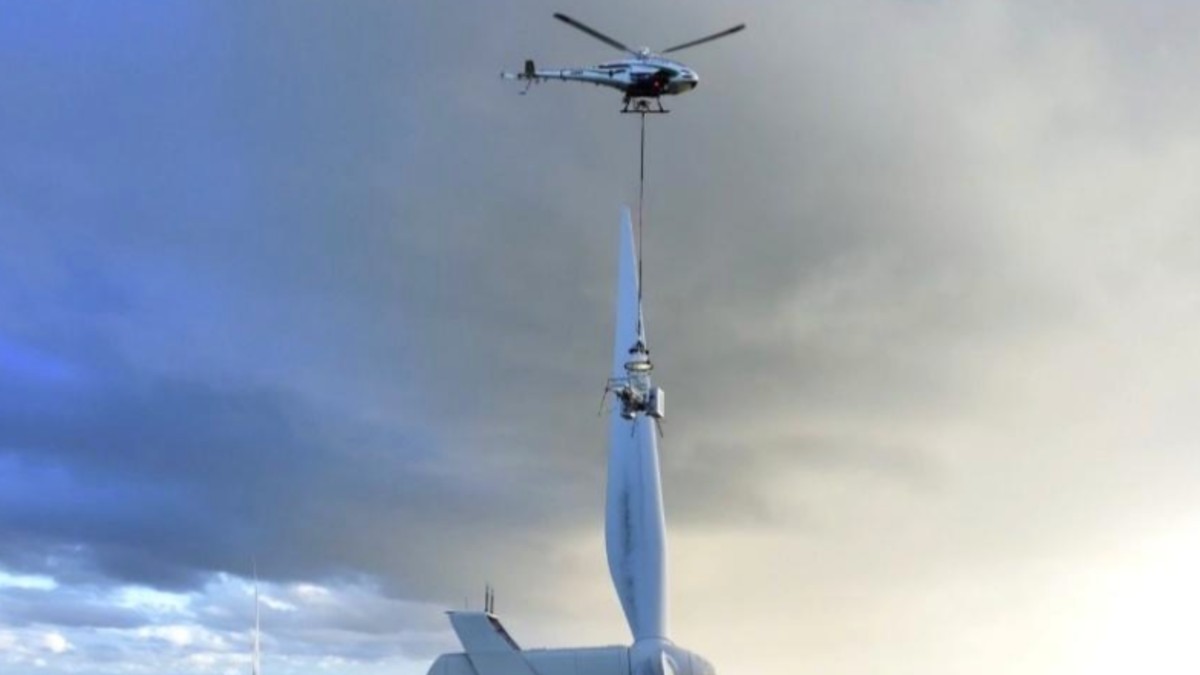
Kawasaki and BladeRobots, a Vestas company, are using a crewless helicopter and a blade maintenance robot to automate one of the most challenging jobs in wind power: turbine blade maintenance.
During the first 10 months of 2025, solar and battery storage have dominated growth among competing energy sources. Further, all net new generating capacity in 2026 is forecast to be provided by renewable energy and batteries, according to data recently released by the US Energy Information Administration (EIA) reviewed by the SUN DAY Campaign.
After a sluggish stretch, US wind is heading into a pivotal moment, with a near-term rebound colliding with rising power demand, tariffs, and stubborn permitting bottlenecks.
Newly published data from the Federal Energy Regulatory Commission (FERC), reviewed by the SUN DAY Campaign, reveal that solar accounted for over 75% of US electrical generating capacity added in the first nine months of 2025. In September alone, solar provided 98% of new capacity, marking 25 consecutive months in which solar has led among all energy sources.
Year-to-date (YTD), solar and wind have each added more new capacity than natural gas has. The mix of all renewables remains on track to exceed 40% of installed capacity within three years; solar alone may be 20%.
US Energy Information Administration (EIA) data released on November 25 and reviewed by the SUN DAY Campaign reveal that, during the first nine months of 2025 and for the past year, solar and battery storage have dominated growth among competing energy sources, while fossil fuels and nuclear power have stagnated.
Businesses canceled, closed, or scaled back more than $4.4 billion in major factory and clean energy projects from late September through October, according to new data from E2. That brings total private-sector renewable and EV project losses to over $28.7 billion in 2025 alone.
Cordelio Power’s 135 MW Crossover Wind farm is officially up and running in Cross County, Arkansas, west of Memphis, Tennessee. It is now officially the first operating wind farm in Arkansas.
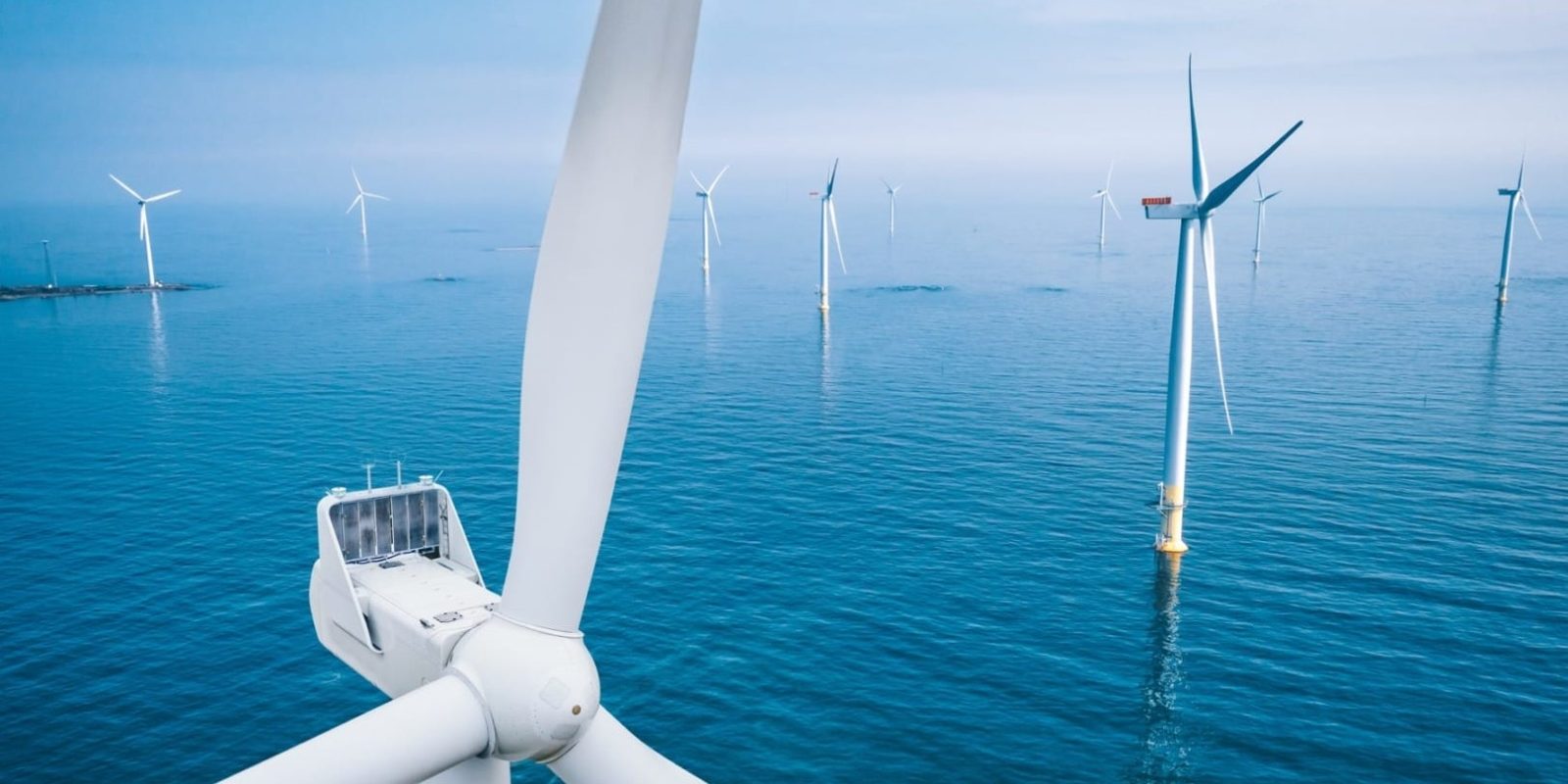
Britain’s wind turbines set a new wind generation record, generating an impressive 22.7 gigawatts (GW) at 7:30 pm on November 11. That was enough electricity to power 22 million homes, the National Energy System Operator (Neso) said.
Solar and wind are growing fast enough to meet all new electricity demand worldwide for the first three quarters of 2025, according to new data from energy think tank Ember. The group now expects fossil power to stay flat for the full year, marking the first time since the pandemic that fossil generation won’t increase.
The world is barreling toward another record-breaking year of solar and wind deployment in 2025, says a new analysis from energy think tank Ember. If current trends continue, we could actually triple global renewable capacity by 2030 – but only if governments catch up to what’s already happening on the ground.
Solar and wind together accounted for 88% of new US electrical generating capacity added in the first eight months of 2025, according to data just released by the Federal Energy Regulatory Commission (FERC) which was reviewed by the SUN DAY Campaign. In August, solar energy alone provided two-thirds of the new capacity, marking two consecutive years in which solar has led every month among all energy sources. Solar and wind each added more new capacity than natural gas did. Within three years, the share of all renewables in installed capacity may exceed 40%.
Solar and battery storage continue to dominate growth among energy sources, while fossil fuels and nuclear power have stagnated. That’s according to data just released by the US Energy Information Administration (EIA), which was reviewed by the SUN DAY Campaign.
Electricity demand is surging in Texas, and solar, wind, and battery storage are meeting it.
According to new data from the US Energy Information Administration (EIA), electricity demand across the Texas grid managed by the Electric Reliability Council of Texas (ERCOT) hit record highs in the first nine months of 2025. ERCOT, which supplies power to about 90% of the state, saw demand jump 5% year-over-year to 372 terawatt hours (TWh) – a 23% increase since 2021. No other major US grid has grown faster over the past year.
According to the latest “US Wind Energy Monitor” report from Wood Mackenzie and the American Clean Power Association (ACP), developers installed 593 megawatts (MW) of new wind capacity in Q2 2025 – a 60% drop from the same quarter last year. But the US wind industry is expected to rebound fast, with 51% of forecasted capacity to come online in Q4 and full-year installations projected to hit 7.7 gigawatts (GW).
Danish wind giant Ørsted announced today that it would cut around 2,000 jobs, or around 25% of its workforce, over the next two years. It will lay off around 500 employees in Q4 2025, including 235 in Denmark.
Solar and wind power aren’t just keeping up with global electricity demand anymore – they’re pulling ahead. According to a new analysis from energy think tank Ember, solar and wind combined outpaced global electricity demand growth in the first half of 2025. That shift led to a drop in both coal and gas generation compared to the same period last year. For the first time ever, renewables generated more power than coal globally.
Solar and wind accounted for 90% of new US electrical generating capacity added in the first seven months of 2025, according to data just released by the Federal Energy Regulatory Commission (FERC). In July, solar alone provided 96% of new capacity, making it the 23rd consecutive month solar has held the lead among all energy sources.
The US Department of Energy (DOE) announced it will spend $625 million to “expand and reinvigorate” the US coal industry, claiming it will boost energy production and help rural communities. Energy Secretary Chris Wright praised “beautiful, clean coal” as “essential to powering America’s reindustrialization and winning the AI race.”
The Trump administration argues this spending will keep aging coal plants running, lower electricity costs, and prevent blackouts. But this so-called coal revival plan wastes millions when clean energy is cheaper and growing at a breakneck pace.