

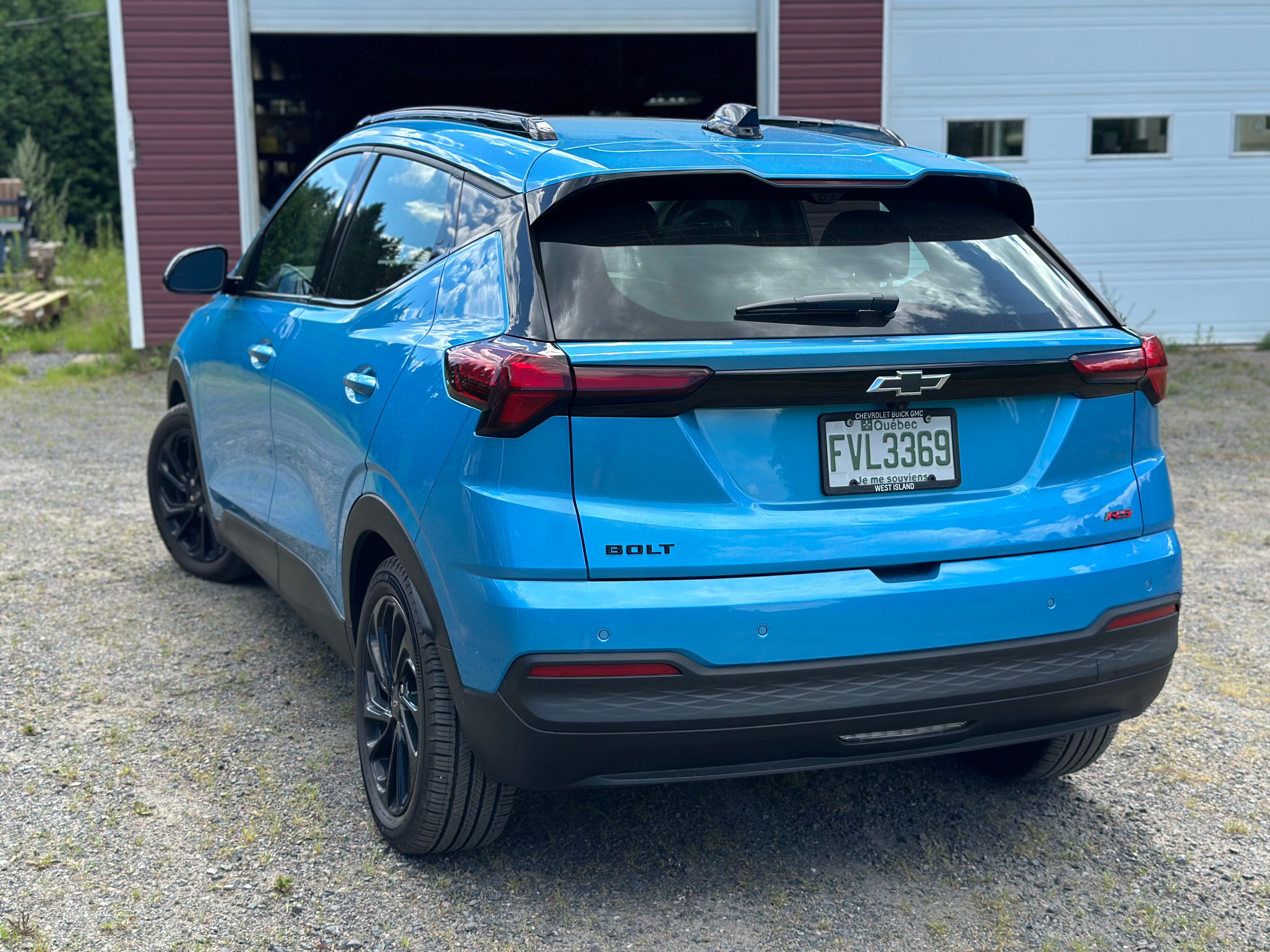
I drove 854.2 km (530.8 miles) with the 2026 Chevrolet Bolt EV 2RS, with a brand-new powertrain for its rebirth, over a week. Back roads, cities, and highways were on the menu, with the usual fast charging from very low SOC. How did it fare?
Abstract
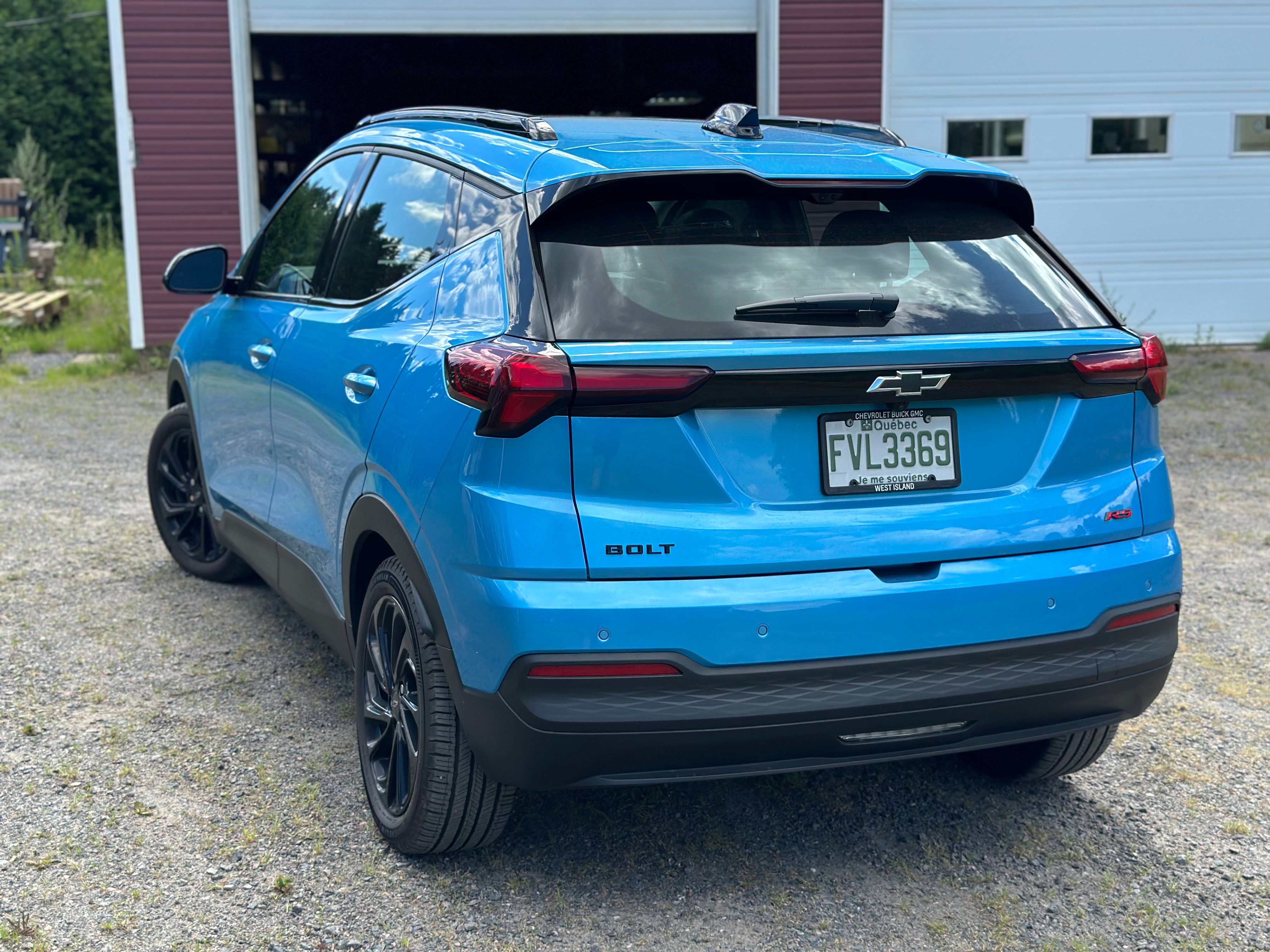
The 2026 Chevrolet Bolt EV I tested is the higher trim, the RS. For this new model year, the Bolt EV is equipped with an LFP battery pack and rated for 422 km (262 miles) of range — an efficiency figure I roughly matched over 854.2 km (530.8 miles) of highway, backroad, and city driving, averaging 5.9 km/kWh (3.7 mi/kWh).
Charging is the weak point: public 10-80% DC fast-charging tests report 33.3 minutes, but my own attempt at a full charge stalled at 66% state of charge before shutting down on its own, most probably due to the battery pack’s high temperature.
The Bolt EV 2026 does bring a nice bonus, though: V2X capability when paired to GM Energy system lets it power a house, and a NACS port plus GM’s Energy Pass can make public charging painless.
Ergonomics are a mixed bag. Two well-placed, physically separate screens and an intuitive Google Built-In infotainment system are the highlights, but hard plastics throughout, narrow seats, and rear headroom too tight for anyone over six feet undercut the cabin.
Driving dynamics are where the Bolt feels most like a budget car: delayed torque delivery, a blended brake pedal that takes some getting used to, and torque steer over rough pavement.
Overall, the 2026 Bolt EV is a competent choice for city driving and a somewhat low-cost entry into EV ownership, but the RS trim doesn’t make sense; buyers are better off sticking to the lower trim.
Scores by category
- Engineering: 7.1 / 10
- Electric Performance & Charging: 10.8 / 20
- Ergonomics, Cabin & Storage: 13.3 / 20
- Driving Experience: 6.5 / 15
- Driver Assistance Systems: 7.1 / 10
- Extra: 4 / 5
- Value: 6.4 / 10
- Fitness for Purpose: 3 / 5
- Safety: 3.5 / 5
Total score: 61.7 / 100
Engineering (7.1 / 10)
For its rebirth, Chevrolet fitted it with an LFP battery this time around, which is commendable. It is a safer and longer-lasting chemistry, at the expense of energy density, but this can be tackled by good energy efficiency.
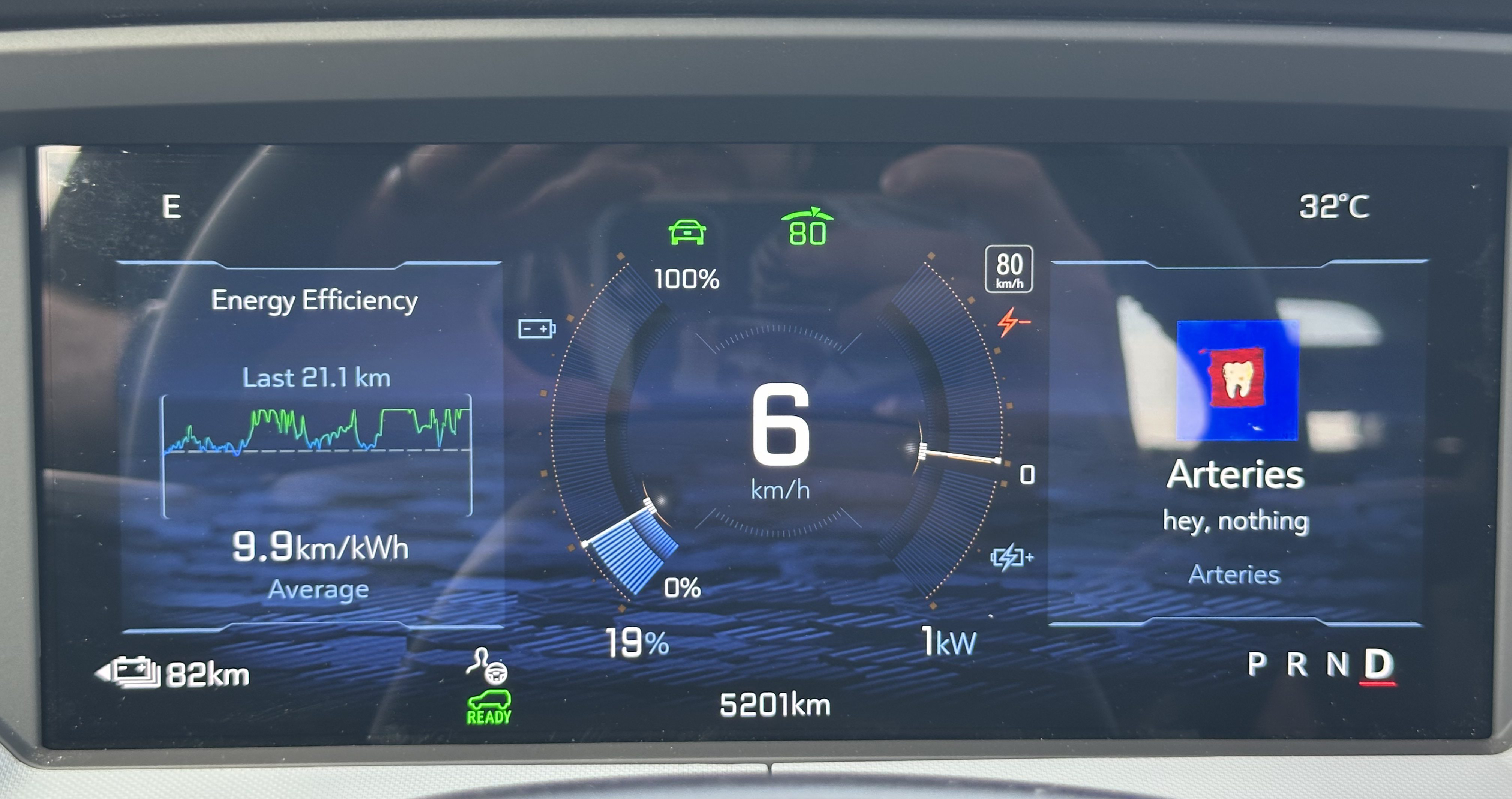
The powertrain for this new version of the Bolt EV isn’t as punchy as it used to be, and is now better tuned for comfort and efficiency on city streets. Torque delivery is very gradual off the line — this is not a swift vehicle by any measure — but that gentle ramp-up does a good job of keeping the front tires from spinning under hard acceleration, which happened quite easily when I drove the original Bolt EV. However, once the vehicle is at speed, full power is available, which can result in surprising torque steering on uneven pavement. Interestingly, even down at 6% state of charge, full power was still available, with no de-rating.
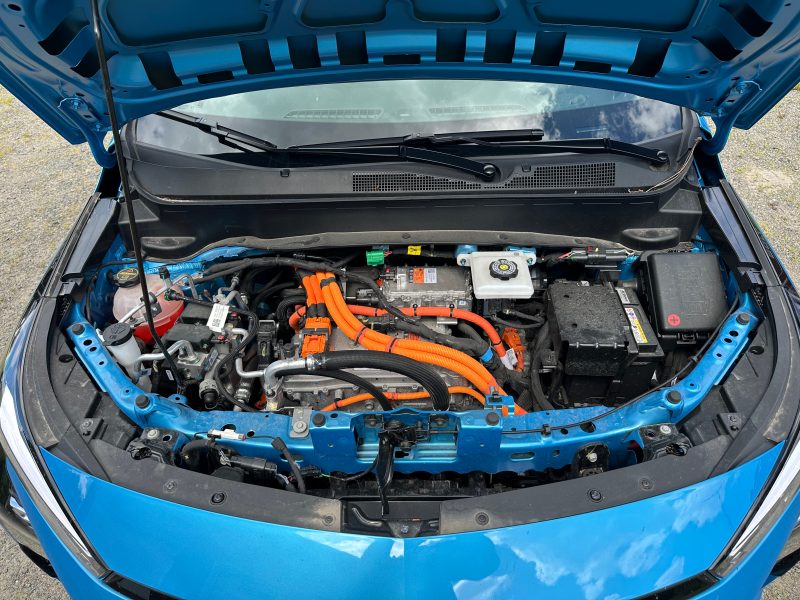
The pack topped out at 385.1V on my highest reading using my home’s DC charging, which places it squarely in the familiar 400-volt class, a sensible choice for a car built to hit a low price point and at a high enough voltage so good charging speed can be achieved on a 400V charging station.
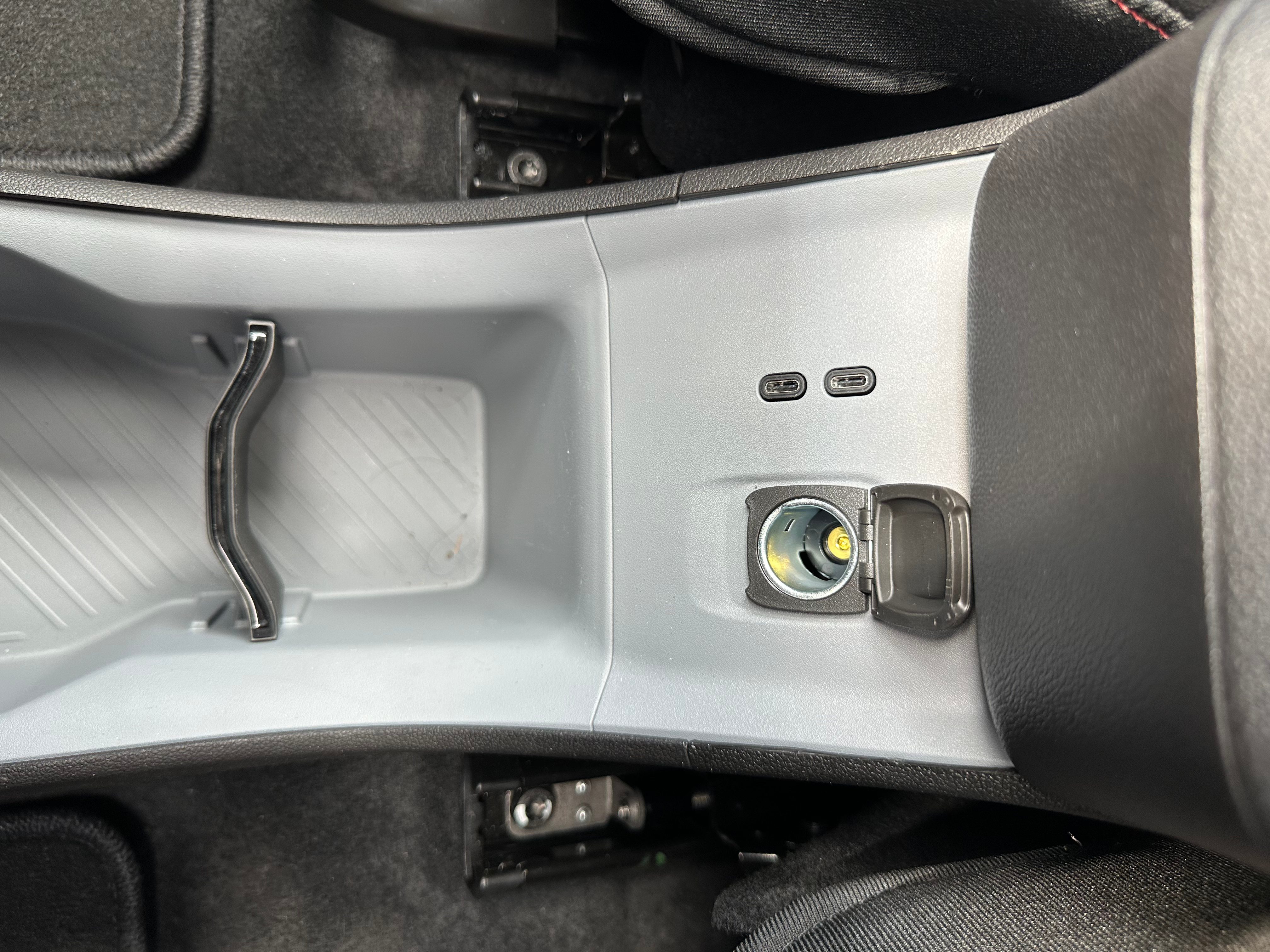
As for the V2X capabilities, the Bolt EV is compatible with GM’s energy products, allowing the Bolt battery to power an entire house for quite some time. The use of LFP cells is even more appreciated when this feature is considered, as the longer battery life allows the user to cycle it for things other than just driving without being concerned about energy retention and loss of range as the vehicle ages. Unfortunately, no 120V 15A outlets are available in the car.
Electric Performance & Charging (10.8 / 20)
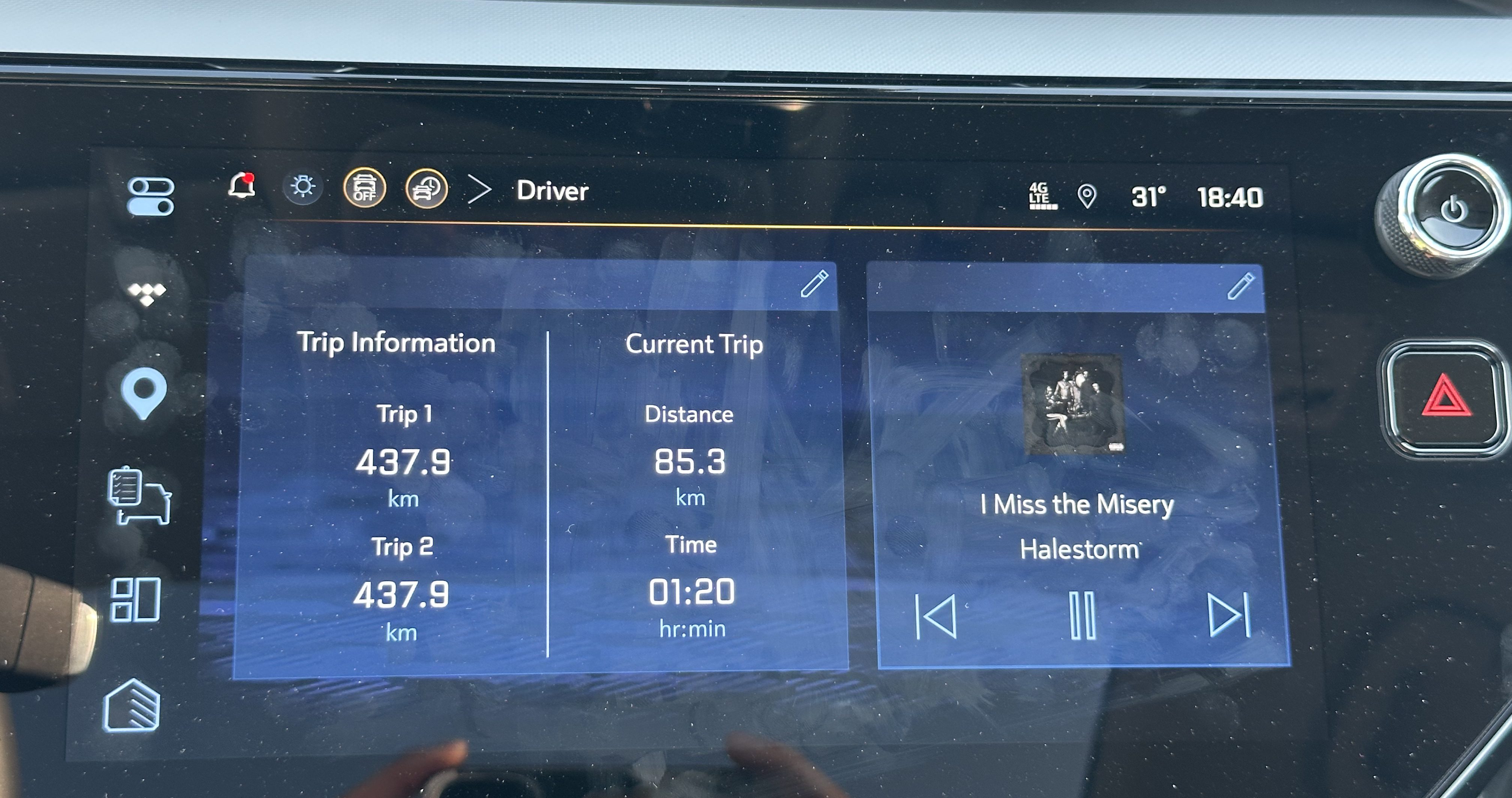
For the 2026 model year, the Bolt EV is rated for a decent 422 km (262 miles), enough for a city car not aimed at road-tripping. I achieved this range using my usual driving style, and by adding about a 30 km (18.6-mile) section of hypermiling in perfect conditions, I surpassed the official rating and reached 437.9 km (272 miles) on a charge.
Efficiency over this test was okay, even if I expected better: I averaged 5.9 km/kWh – 169Wh/km (3.7 mi/kWh – 270Wh/mi) across the full 854.2 km (530.8-mile) loop, on the same mix of highway (held at 110 km/h / 68 mph) and backroads I use for every review. With a 65 kWh battery, that equals 383.5 km (238 miles) of real-world range when driven over a week and facing heavy rain, hot days, and windy conditions.
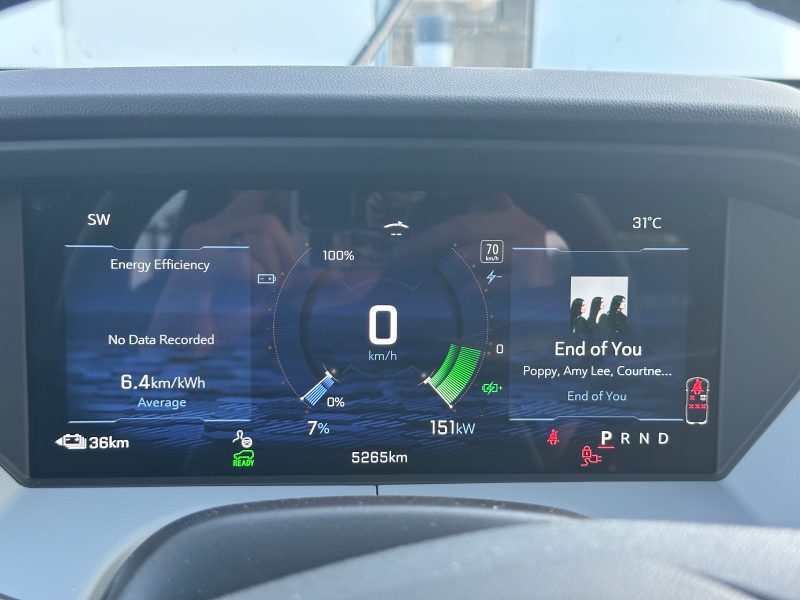
On the day I did the 437.9 km (272 miles), a clear, sunny day without wind, the efficiency was 6.4 km/kWh – 156Wh/km (4.0 mi/kWh – 250Wh/mi) before hypermiling, which would equal a range of 416 km (258 miles). That’s better and now you know what is the efficiency you need to target to reach the rated range.
Hypermiling got me as high as 10 km/kWh (6.2 mi/kWh), but that required specific, favorable conditions that can’t be replicated in day-to-day driving, so treat it as a ceiling rather than a realistic number.
Charging is where the Bolt EV genuinely struggled, and it’s the biggest reason this category scores as low as it does. On my first DC fast-charging session, starting from 5% state of charge, the car averaged 127.9 kW for the first 11% gained, then dropped quickly to an average of 74.9 kW for the next 50%, before the session stopped on its own at 66% SOC, with charging power down to less than 6 kW at that point. It was a hot day, and the A/C was used heavily to cool the cabin, and since a low SOC battery pack has higher resistance, it generates more heat, so maybe the cooling system wasn’t capable of cooling the cabin as well as the battery given the heat generated during the drive at low SOC on route to the charger.
That’s why I think the cause appeared to be the battery pack’s temperature, but regardless of the reason, a session that quits on its own that early (system was set to charge at 100%) is not a good look. A second, shorter top-up session from 60% to 80% behaved more like what you’d expect: 81.6 kW at 60%, tapering to 76.4 kW at 70% and 60.7 kW at 80%.
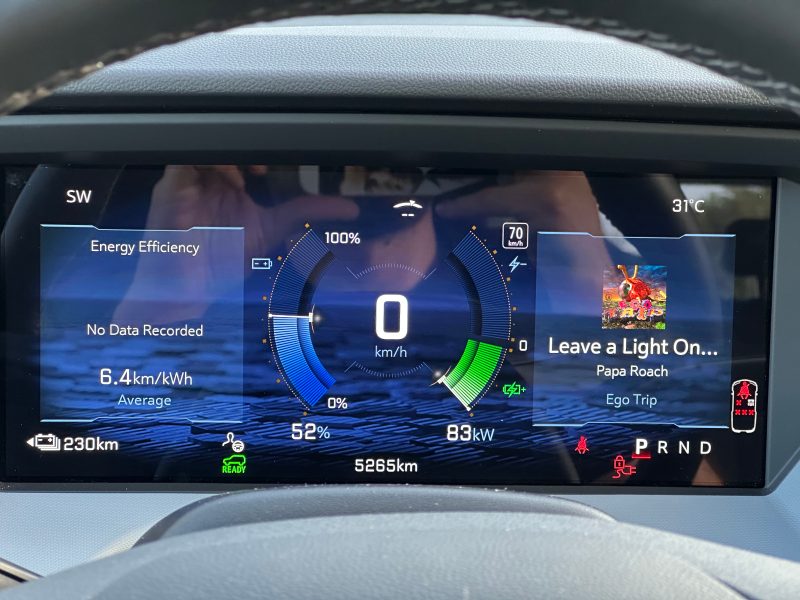
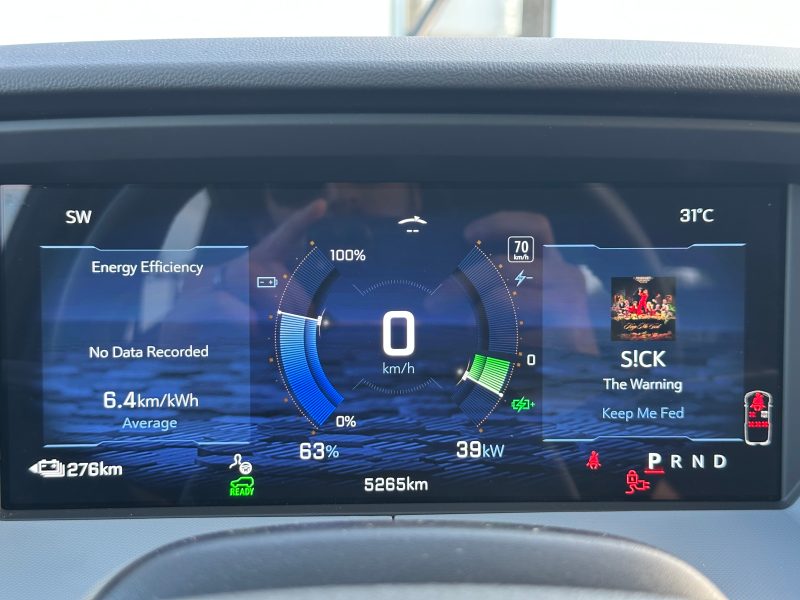
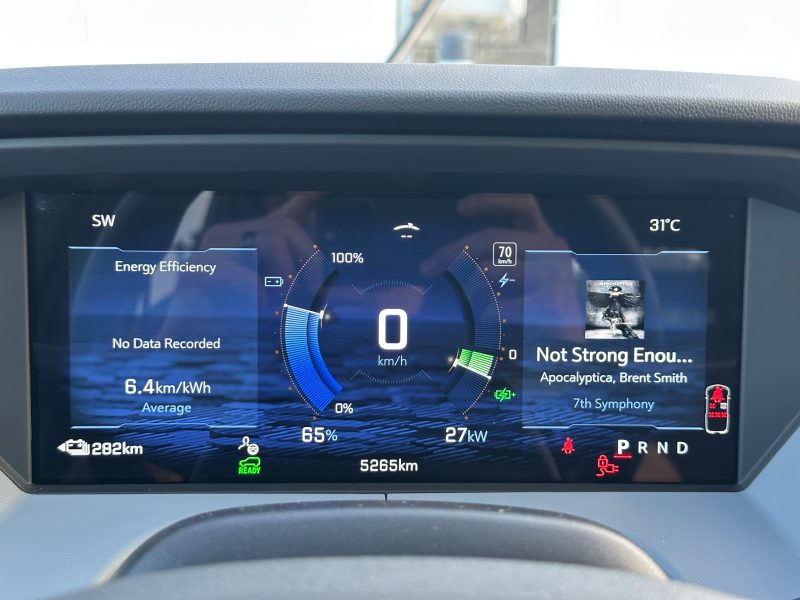
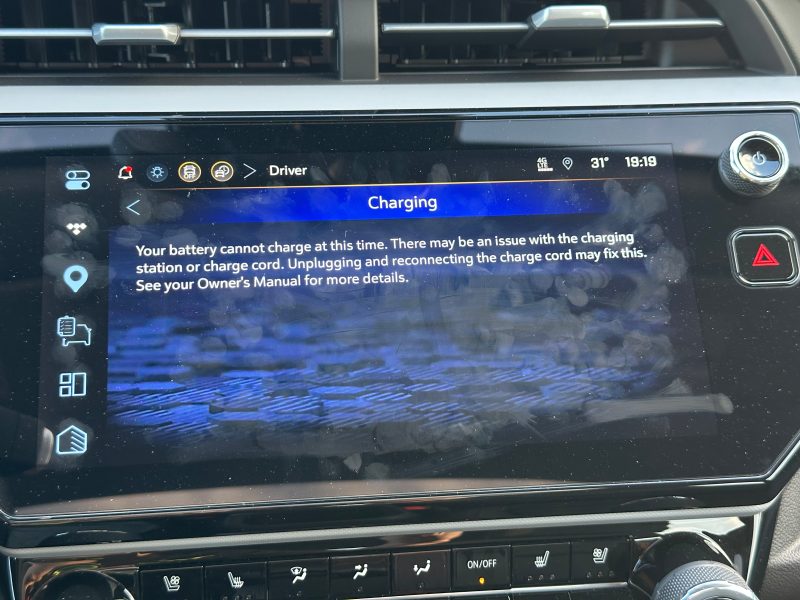
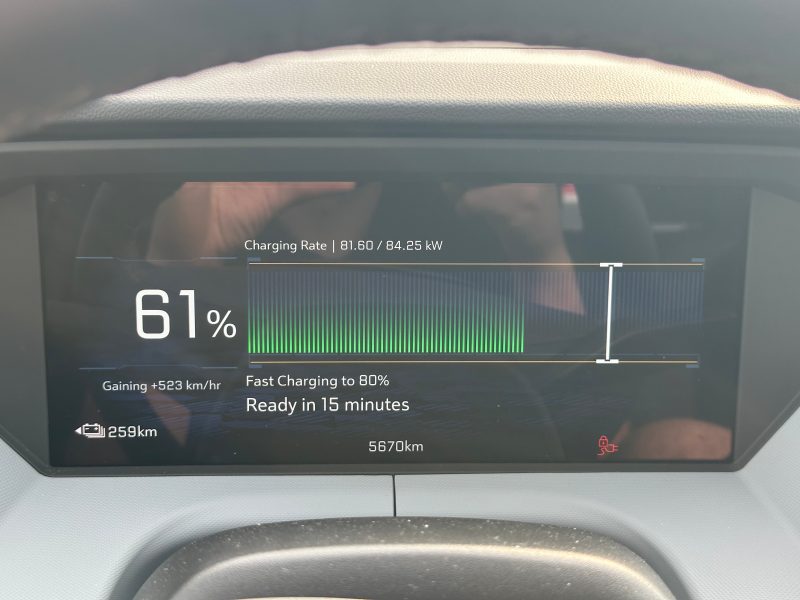
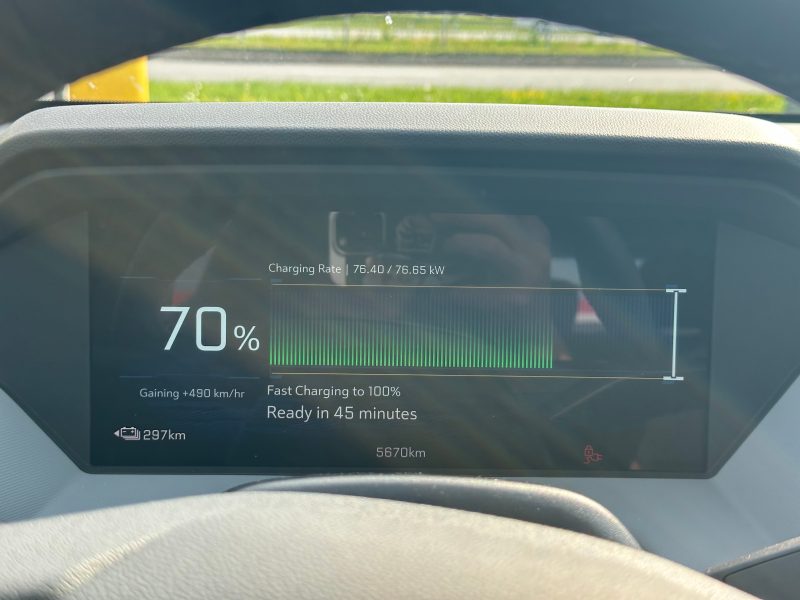
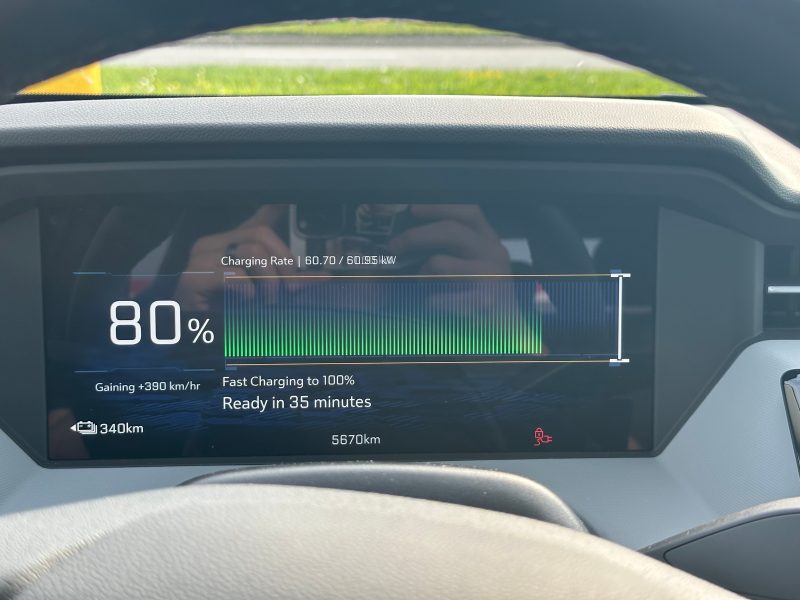
On a separate, complete charge from 2% to 100%, my charger put 67.39 kWh into the pack, and Chevrolet states a usable capacity of 65 kWh. Maybe they are conservative with their values, or my DC charger’s precision is off — I’ll check that in the future.
So, something happened during the one full charging test I managed to run in my time with the Bolt. It might be an isolated incident or a broader problem with the battery pack’s BMS and/or its thermal management. However, other public charging tests state the Bolt charges from 10 to 80% in 33.3 min, with a peak charging power of 157 kW (2.3C) and an average charging power of 86 kW (1.26C).
In other words, with an official range of 422 km (262 miles), up to 295 km (183 miles) can be recharged in 33 minutes. The charging station needs to be able to output more than 410A at 385V to achieve the best charging session for the 2026 Bolt EV.
It is a huge improvement over the previous version of the Bolt, which achieved roughly 160 km (99 miles) of range recharged in 30 min. However, we are on par with other GM EVs and not leading the pack there. Manufacturers need to aim to reduce charging time. It is especially important for a city car like the Bolt EV as many people living in cities don’t have access to home charging at all and rely on DC fast chargers, much like they do on gas stations. Waiting 33 minutes is way too long for that use case.
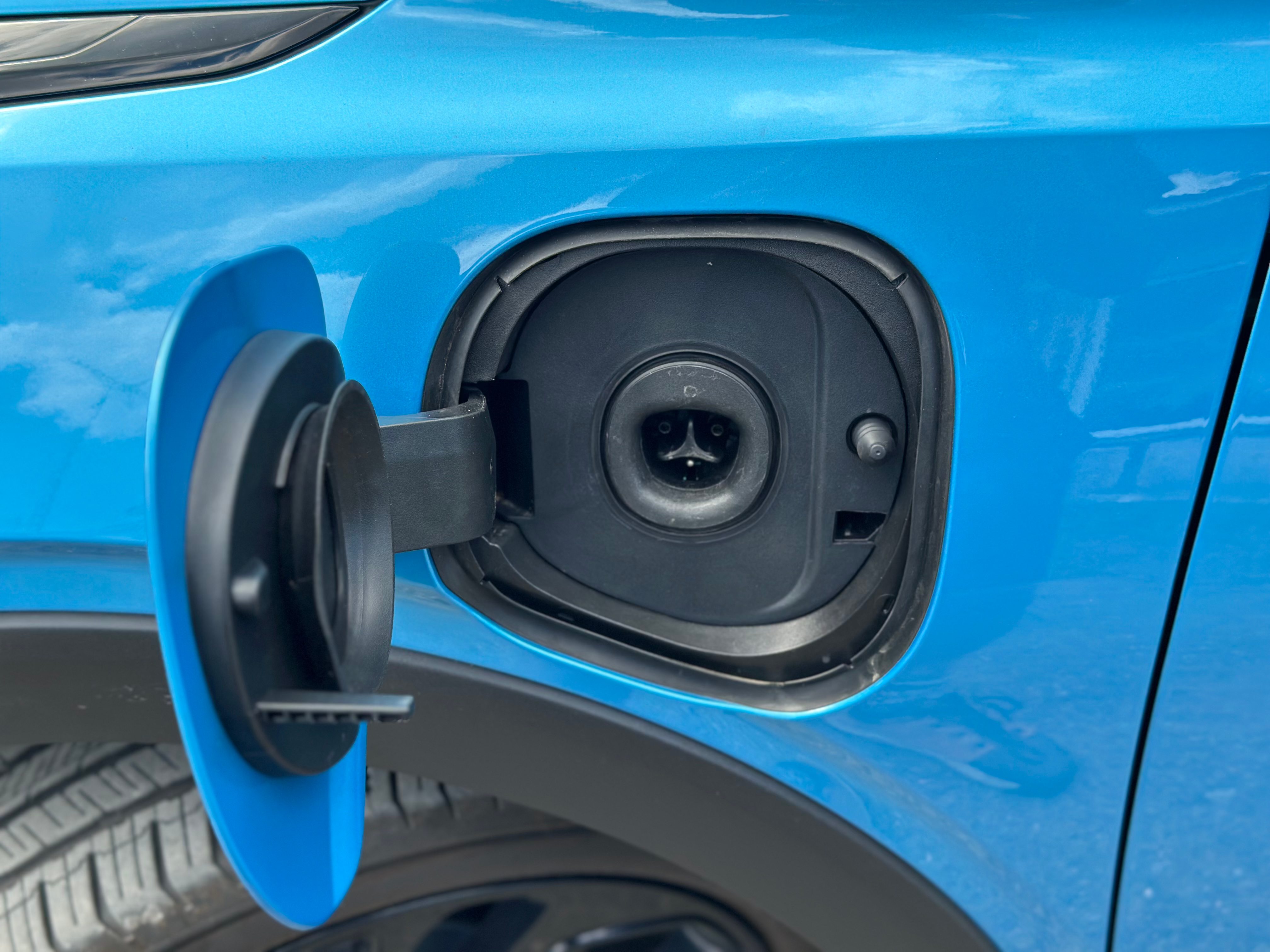
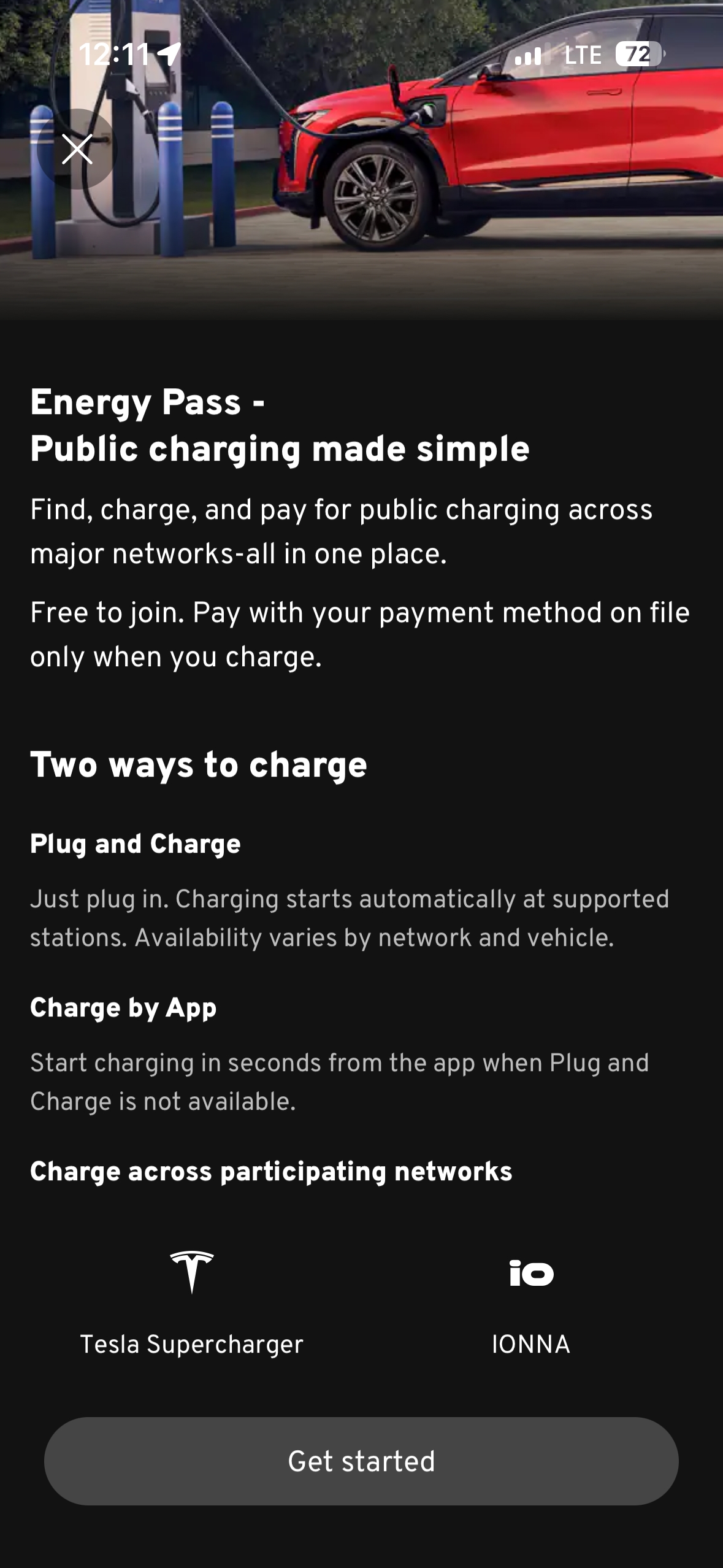
One bright spot: GM’s Energy Pass, its take on Plug & Charge, worked correctly when I tested it at a Tesla Supercharger — plug in, and it authenticates and starts the session on its own, no app or card required. The 2026 Bolt EV is equipped with a NACS port for added convenience. It’s a small thing, but it’s also the kind of detail that makes me wish the rest of the charging experience matched it.
Ergonomics, Cabin & Storage (13.3 / 20)
Get inside, and the Bolt EV’s cabin is okay for its category.
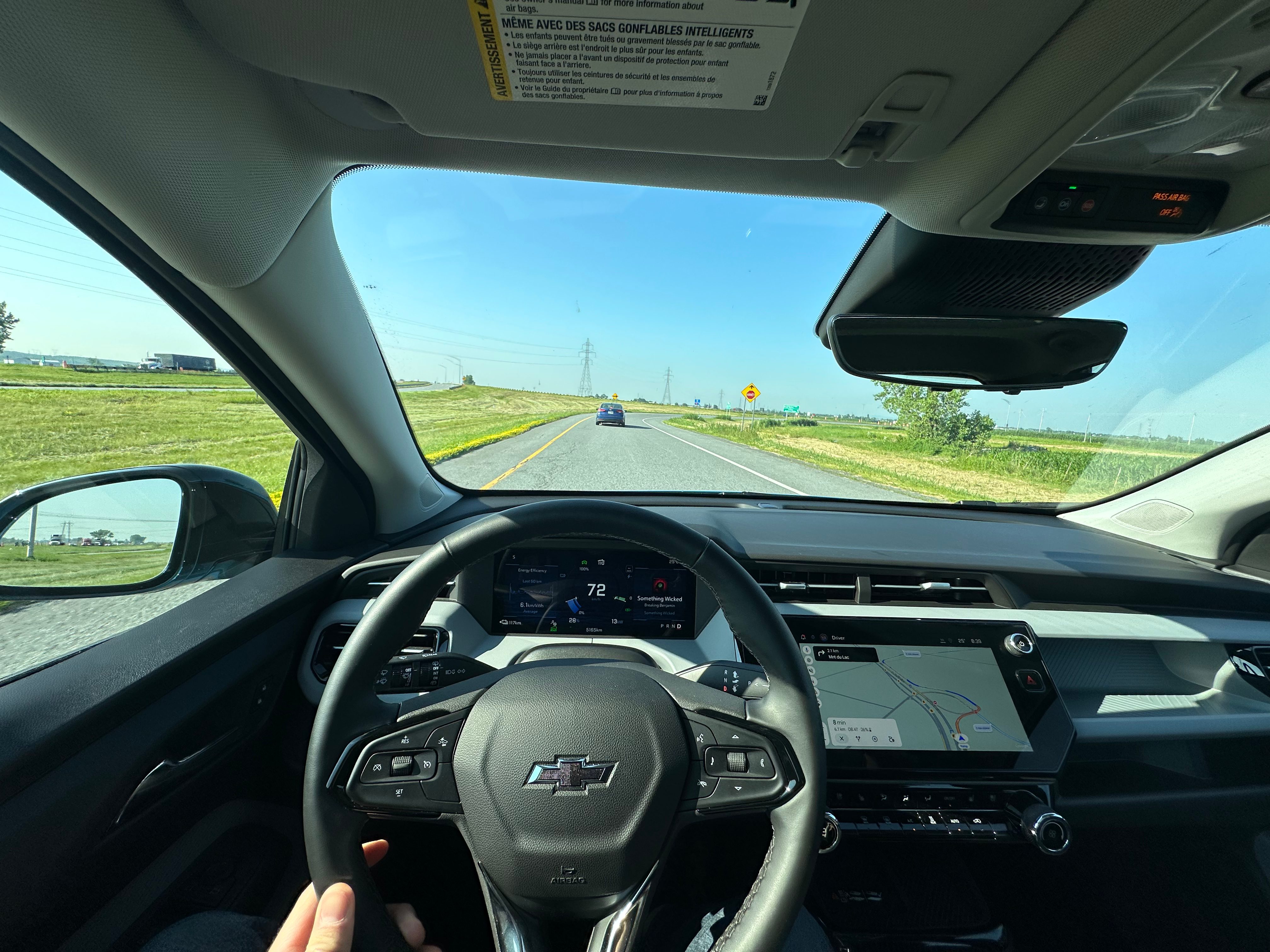
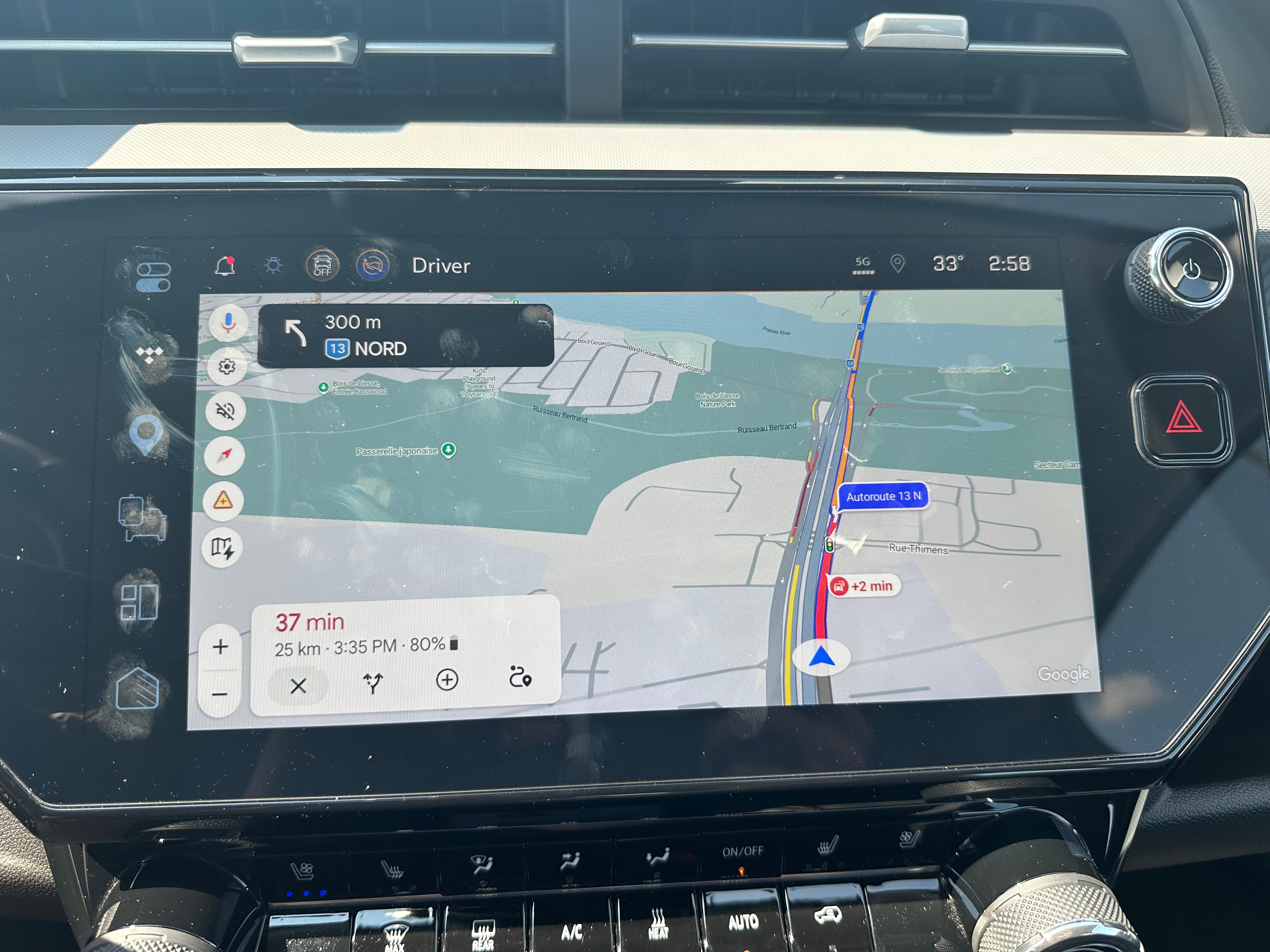
Sitting in the driver’s seat, I liked how the 2 displays are positioned. There is one behind the steering wheel, with the driver information, and one integrated in the center of the dash, showing the media, HVAC, maps, and others. Both are rectangular screens with about a 16:9 ratio, using the same Android-based, Google Built-In system I tested in other GM vehicles — intuitive if you’re used to an Android phone, with native Google Maps that predicts your state of charge on arrival, plans routes around charging stops, and triggers preconditioning automatically, plus access to the Play Store for apps like YouTube and Netflix and a few customizations to set the system as you want.
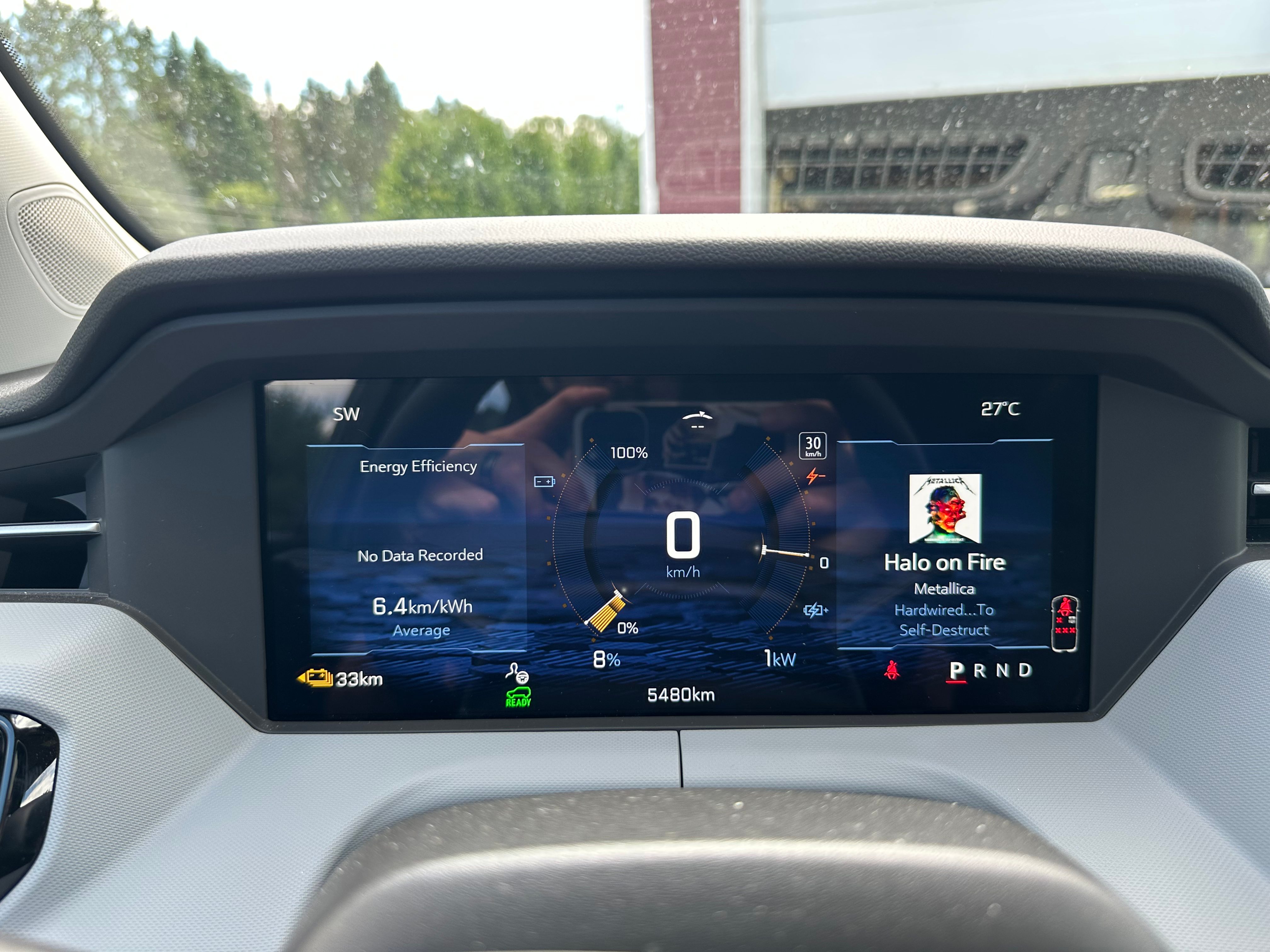
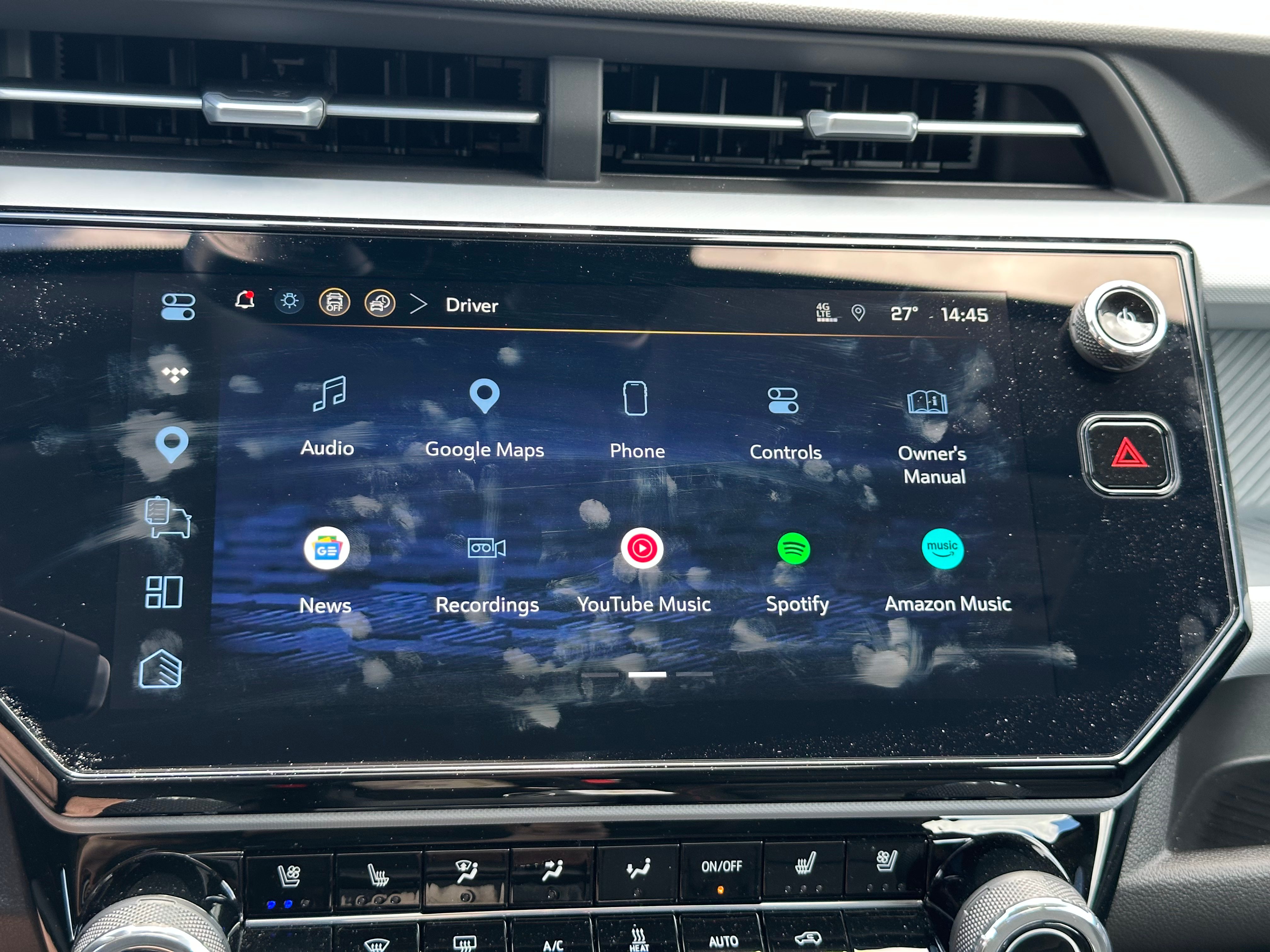
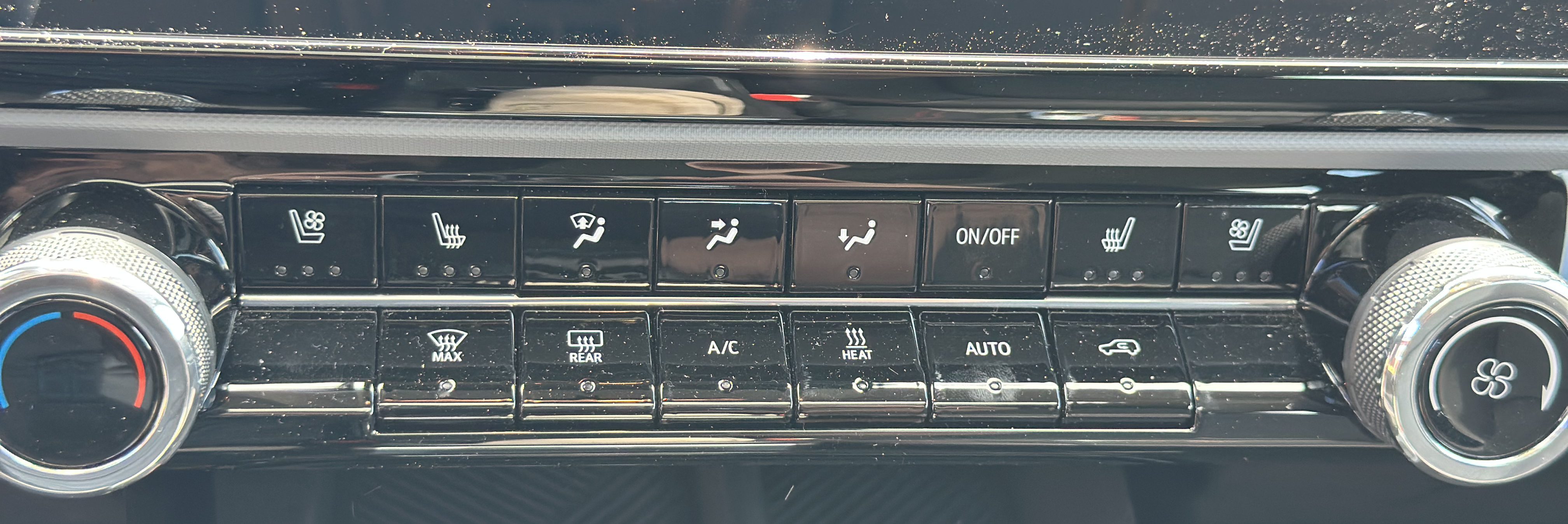
The center touchscreen measures 11.3 inches, and the driver-dedicated instrument screen measures 11 inches. GM actually got the ergonomics right here: the Bolt’s two physically separate screens mean the wheel doesn’t hide any of it. It’s a small thing, but it’s the best execution of this layout I’ve tested from GM so far, and with the few physical buttons for the HVAC, it works pretty well.
The menu for the app selection can feel a bit crowded depending on the number of applications you have installed, and some of the Quick Controls aren’t very intuitive, but all in all it’s a solid operating system.
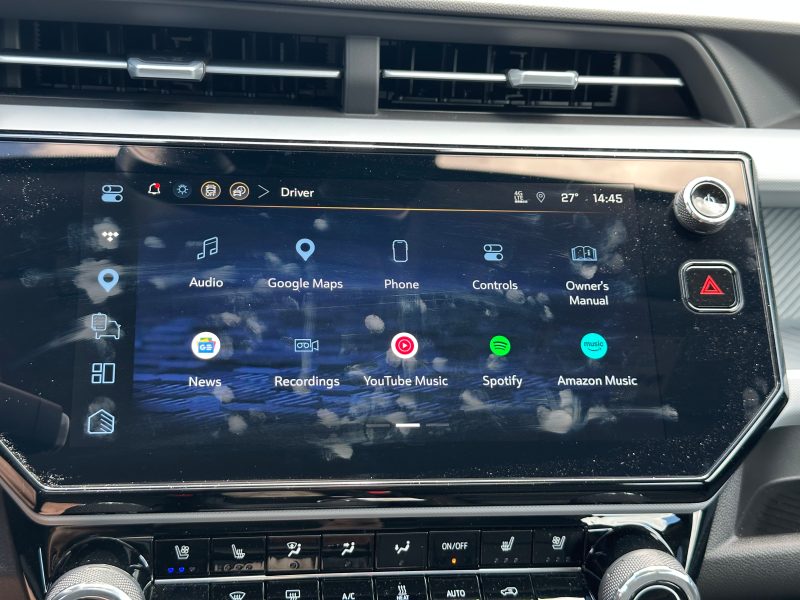
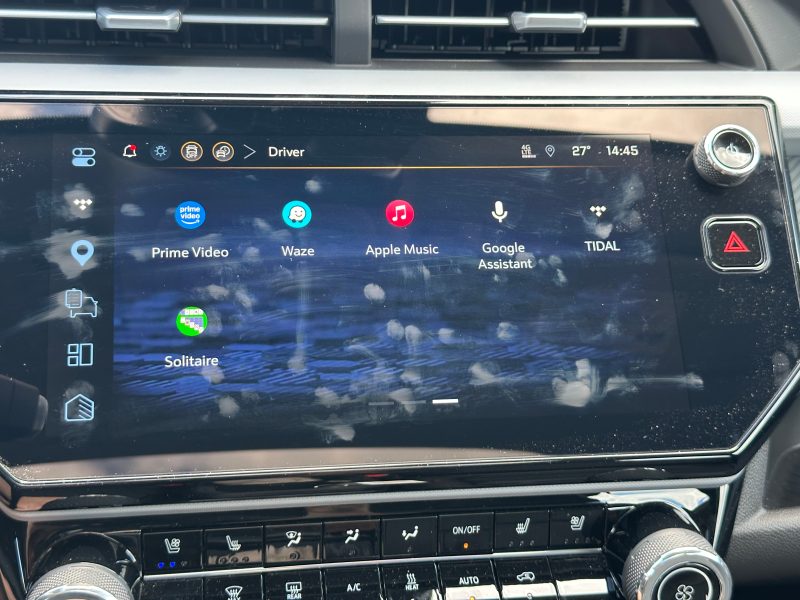
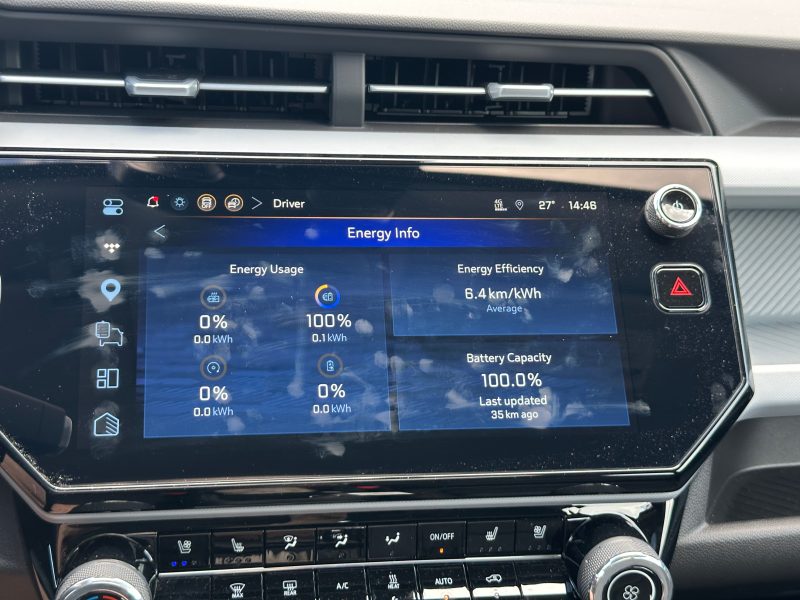
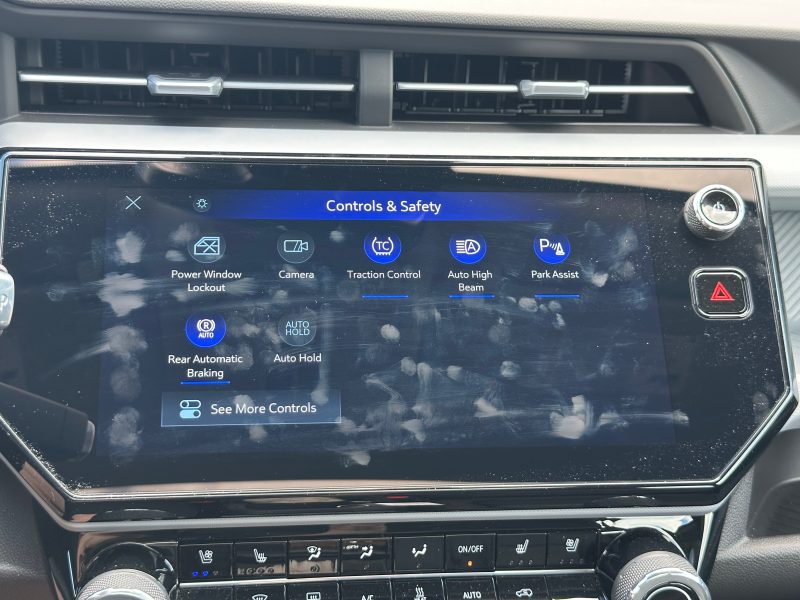
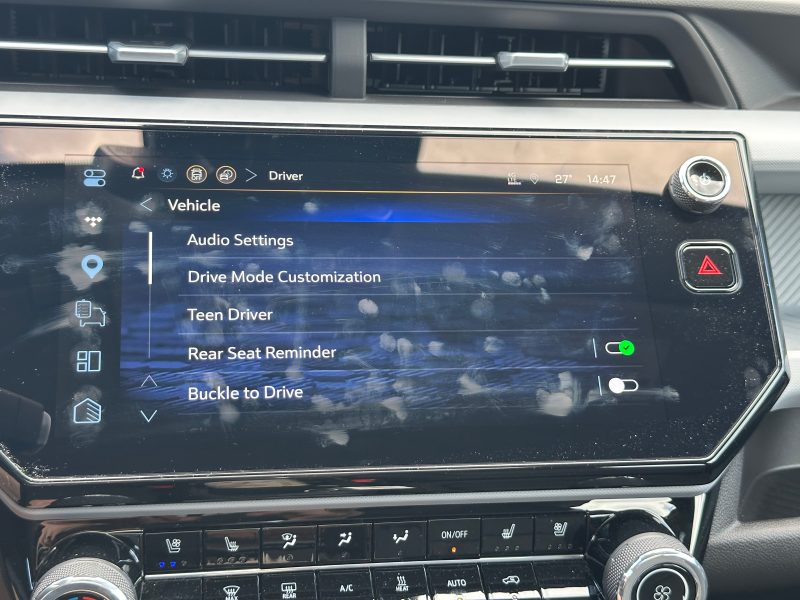
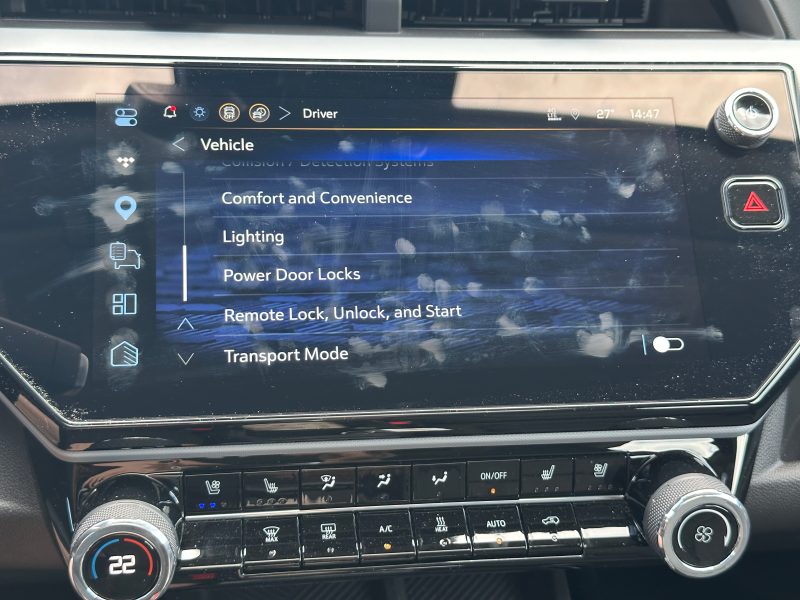
The driver display is configurable too, cycling between efficiency, navigation, the ADAS sensor view, or whatever you’re listening to.
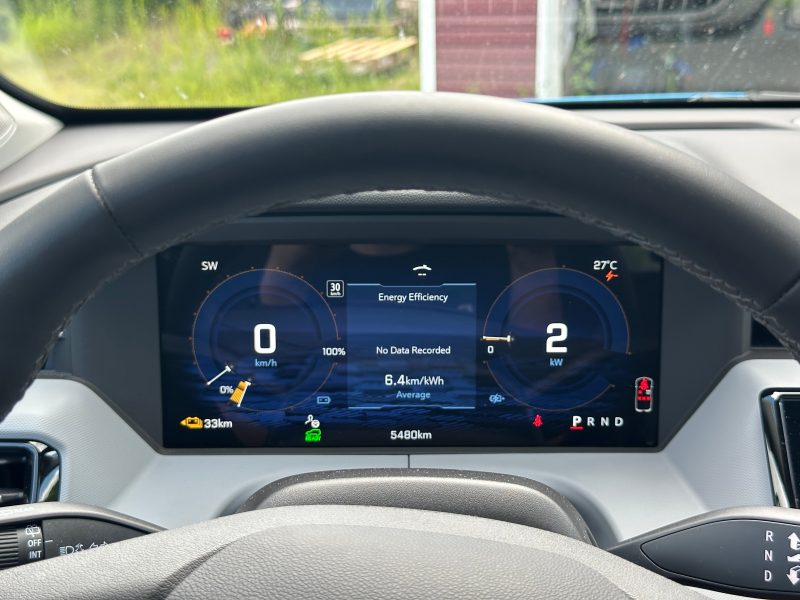
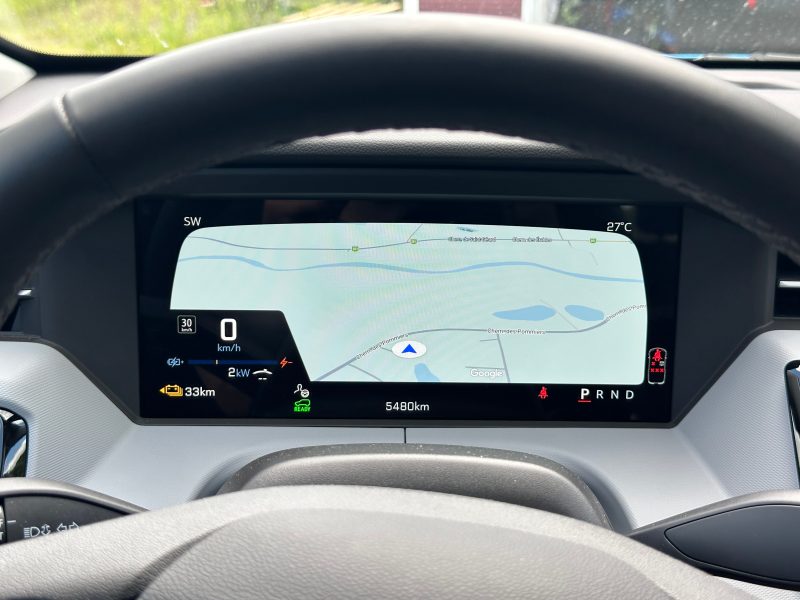
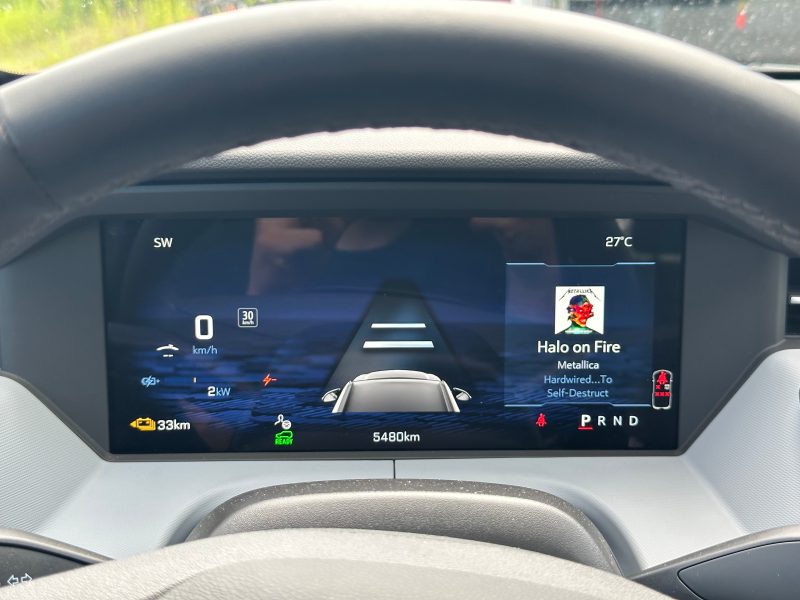
Visibility out of the car is good, the gear selector is well placed and pleasant to use, and there’s no separate start/stop button either—you just get in, buckle up, put it in gear, and go. Every EVs should behave this way at the minimum!
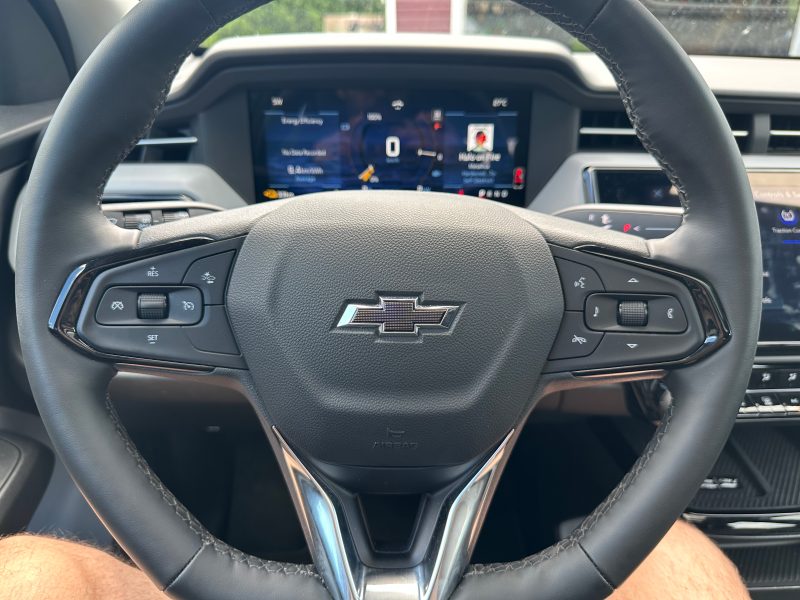
Comfort is where it falls short. The seats are on the narrow side, and by the three-hour mark of a longer drive, I was shifting around, looking for a position that didn’t ache.
The ventilated seats aren’t worth paying for the option — they simply don’t cool enough to make a difference — though I’ll credit GM for a nice touch: heated and ventilated seats can activate automatically based on outside temperature the moment you get in the car, if configured properly.
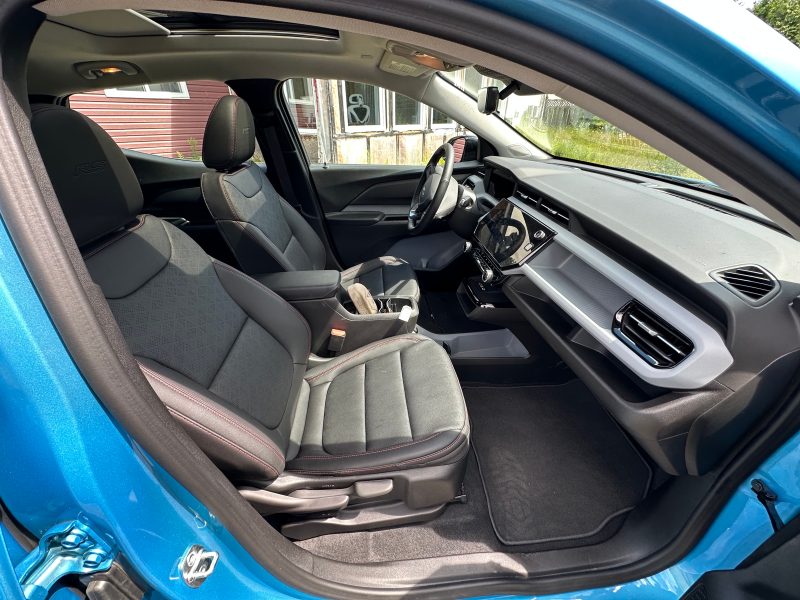
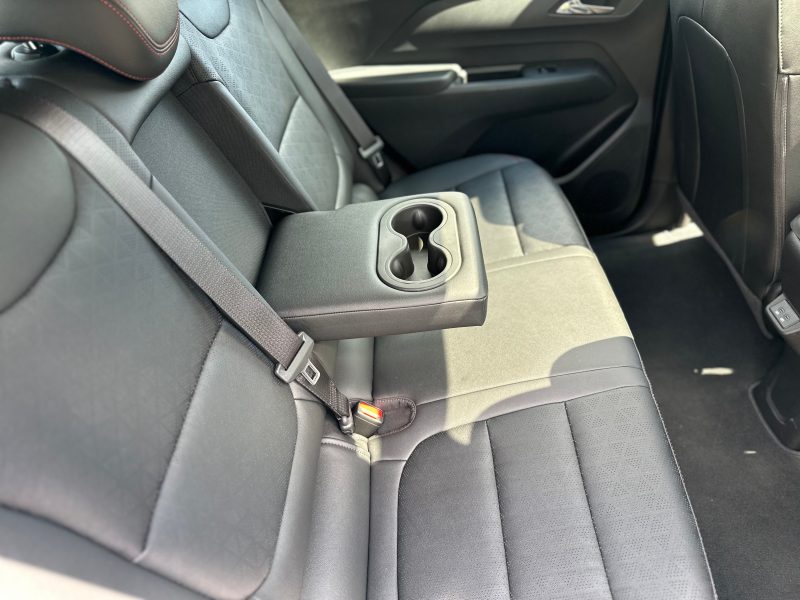
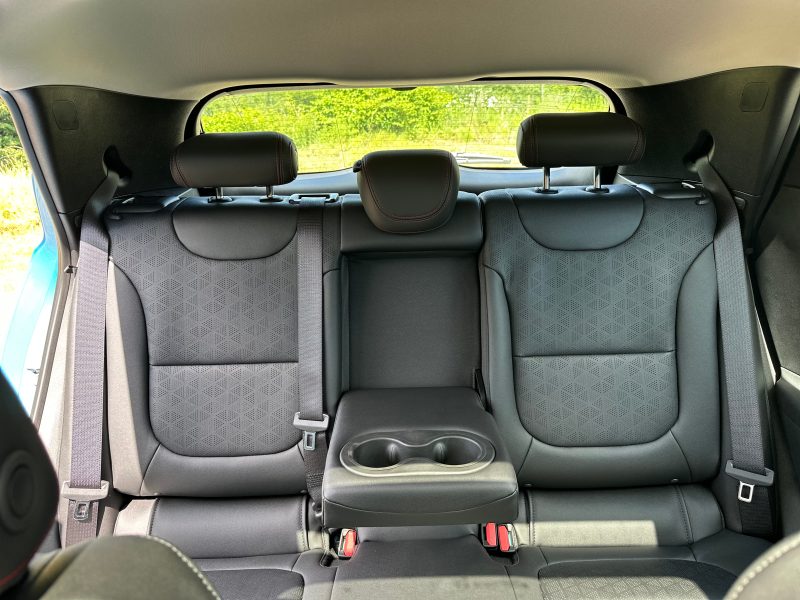
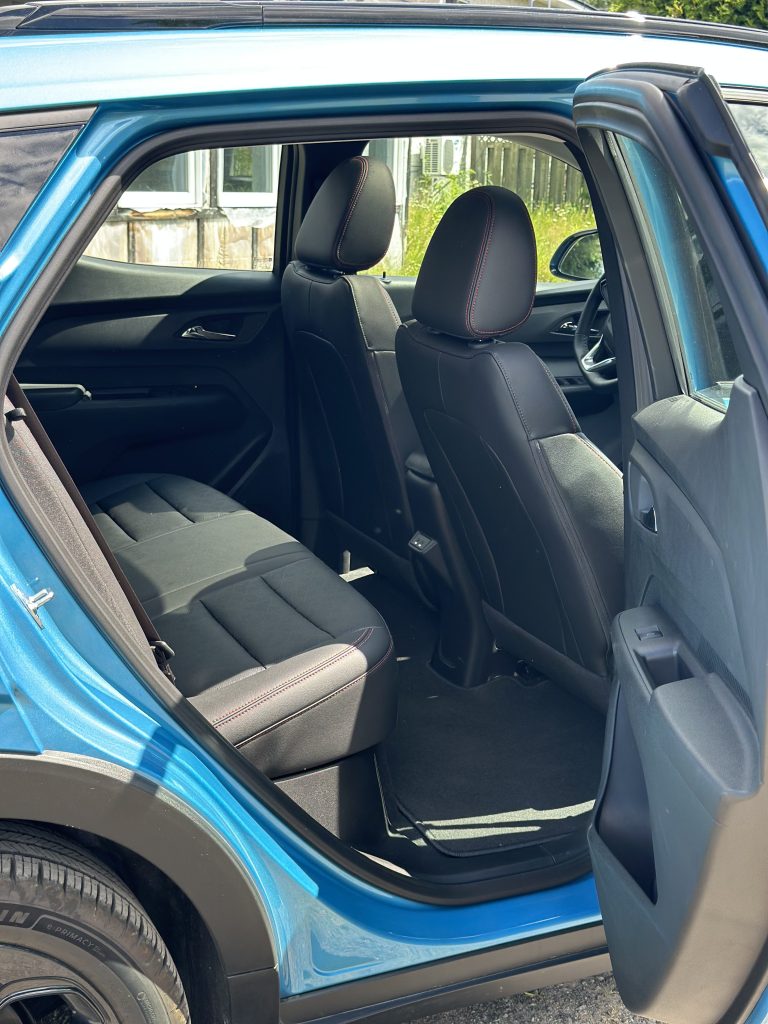
Unfortunately for tall passengers, you cannot realistically use the back seats. My head was literally touching the ceiling (I’m 6’2″). I think the rear seats are higher up than before.

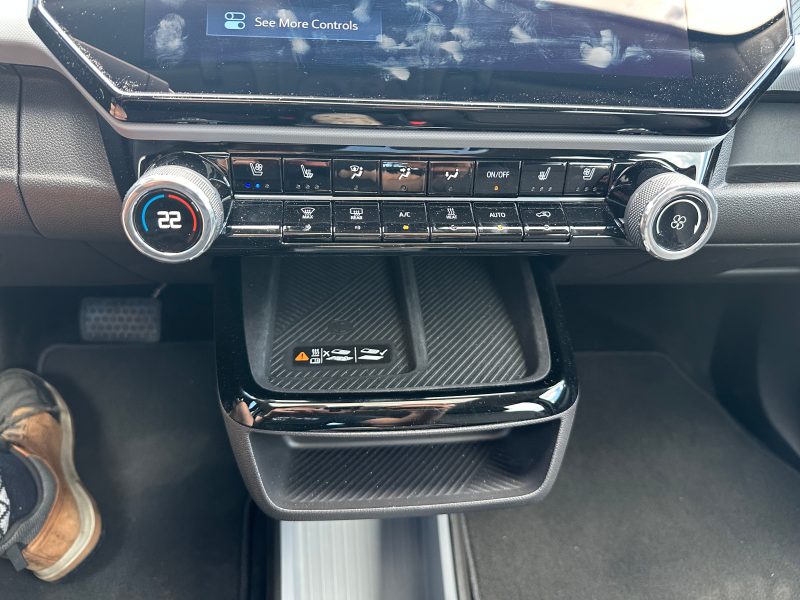
Storage-wise, there was real potential for a generous bin between the front seats, but instead Chevrolet stacked the wireless phone charger directly on top of it (if you choose the Technology Package), eating up space and blocking easy access to whatever’s underneath.
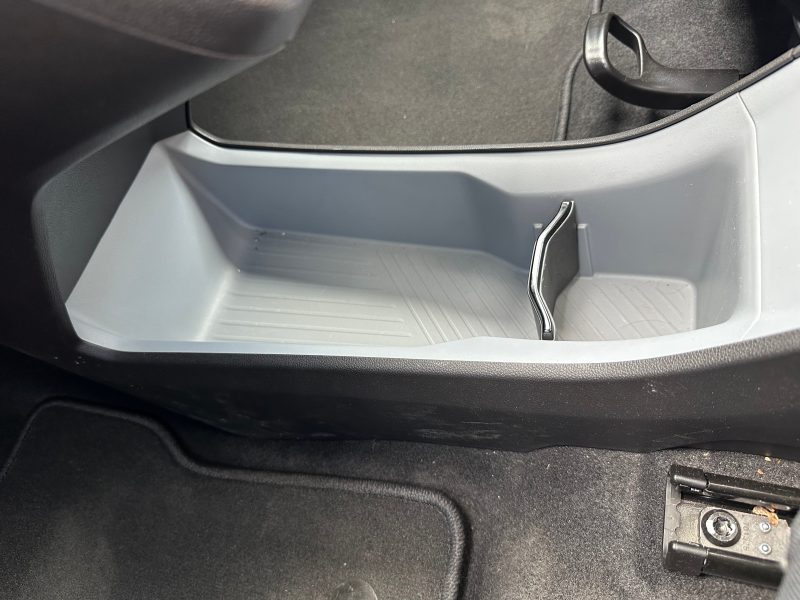
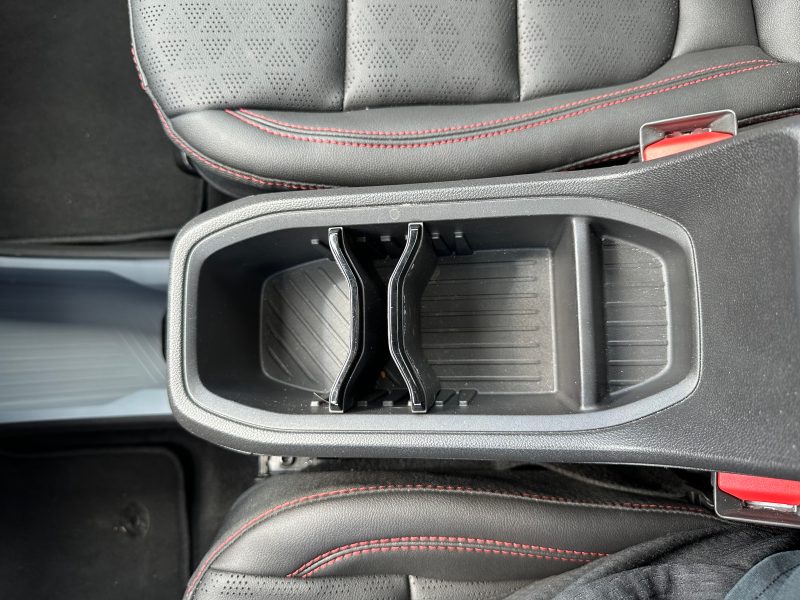
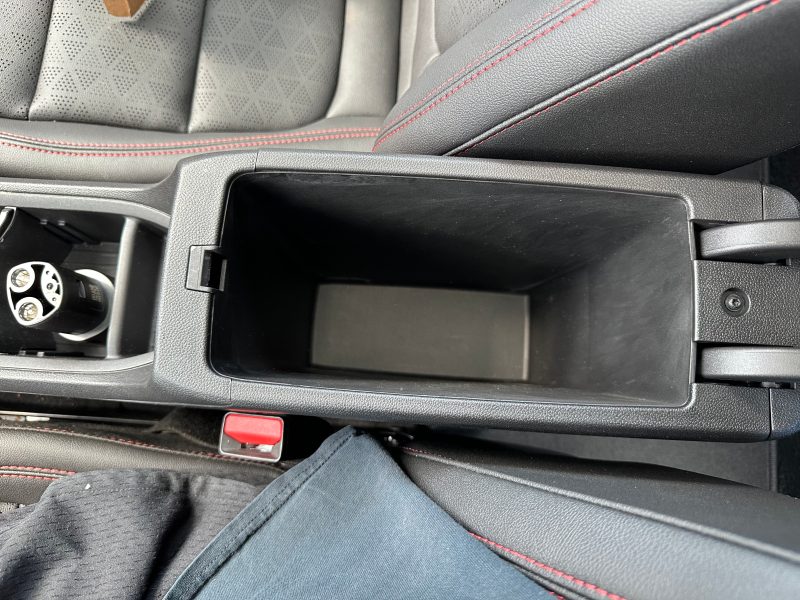
There isn’t a frunk either, which reduces the usable cargo space, but the trunk is a good size for the category, which is a plus.
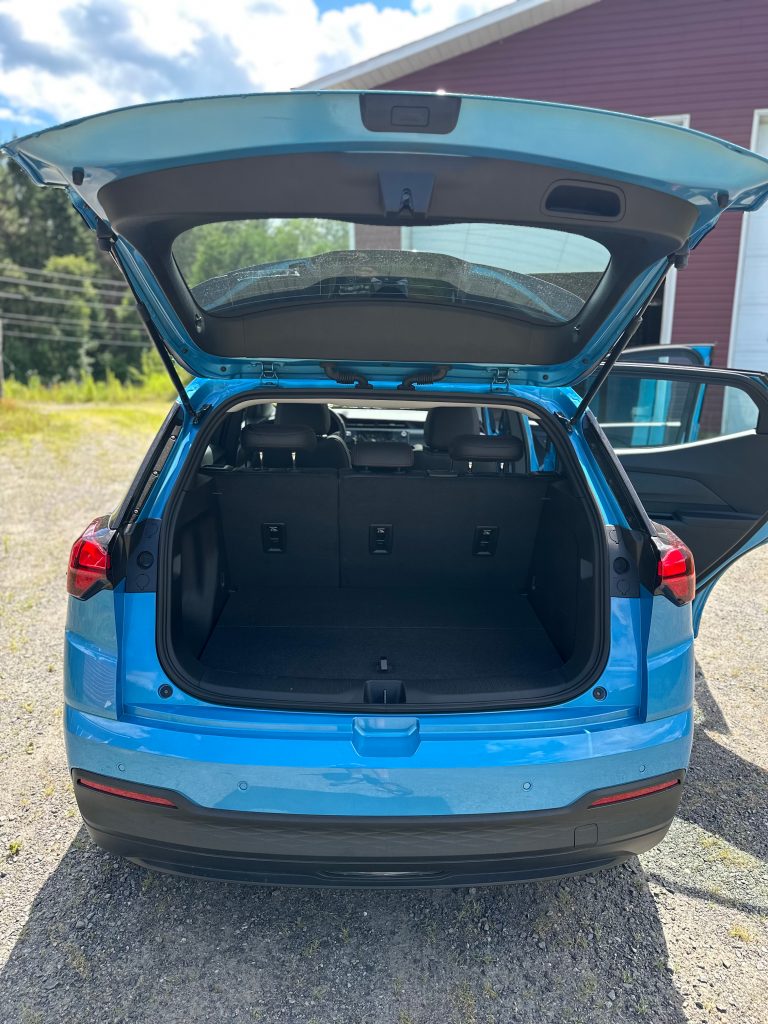
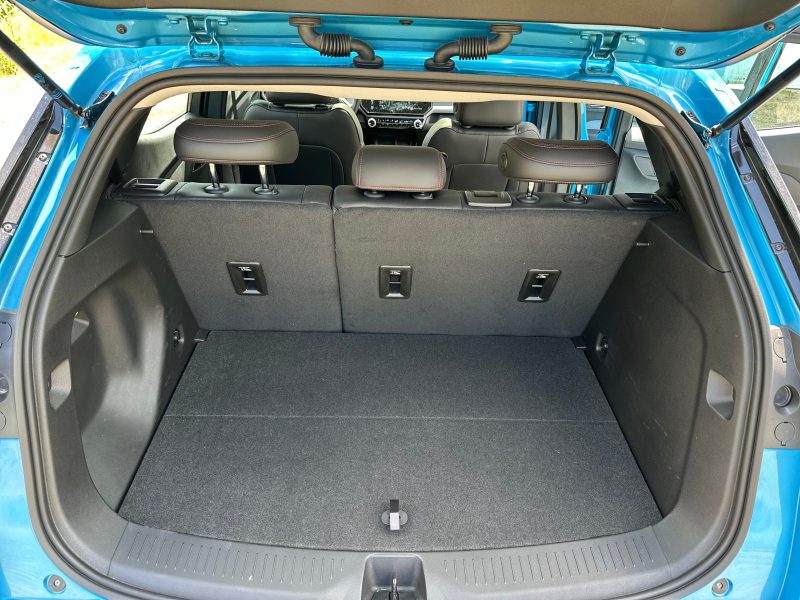
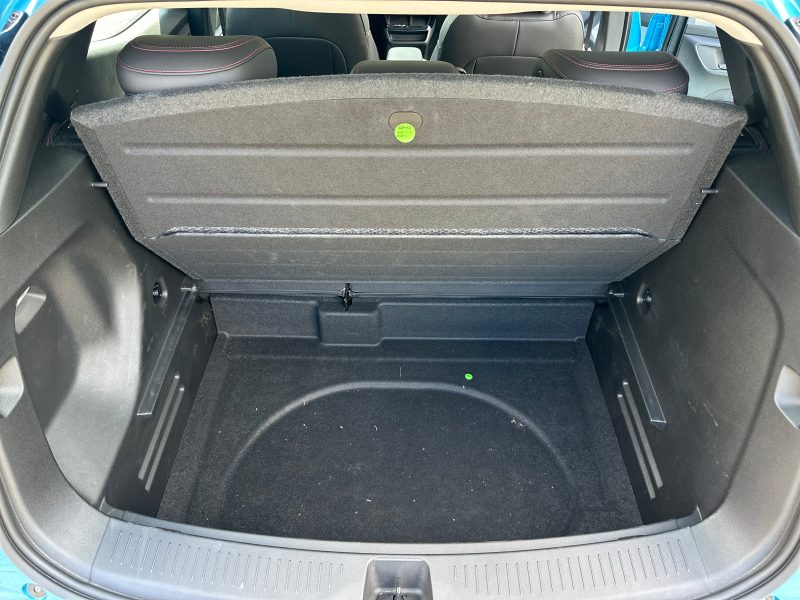
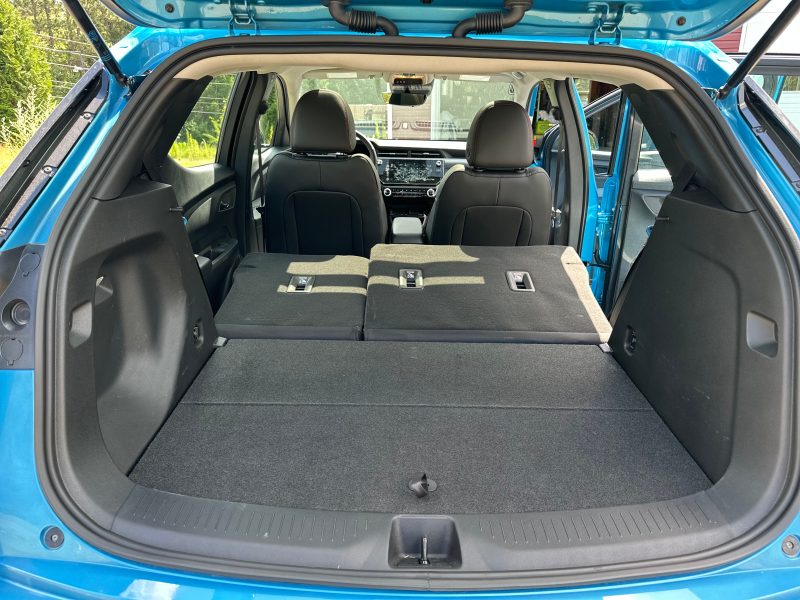
Cabin materials lean hard into hard plastic almost everywhere you touch — more on what that means for value below.
Driving Experience (6.5 / 15)
Maybe I’m getting used to a certain way EVs are engineered, or the new Bolt EV has worse driving quality than the original. Throttle response has a noticeable delay off the top of the pedal, and combined with that gradual torque delivery I mentioned above, this is simply not a quick car — I never expected a hot hatch, but the lag is more than I’d like even for a commuter, to the point where maneuvering through tight parking spaces was a pain.
The brake pedal goes the other way entirely: it’s hypersensitive, with very little travel before you get a strong response, which took some brain recalibration on my part. This is because the first few millimeters of brake pedal travel control electric motor regeneration braking, with the hydraulic brake coming in further along the pedal travel.
For me, the brake pedal should control only the hydraulic, and regeneration should happen when you lift off the accelerator. Or, the blending of electric and hydraulic braking force on the brake pedal needs to be very well tuned. With the Bolt EV, I can guarantee passengers won’t like it when the driver needs to touch the brake pedal.
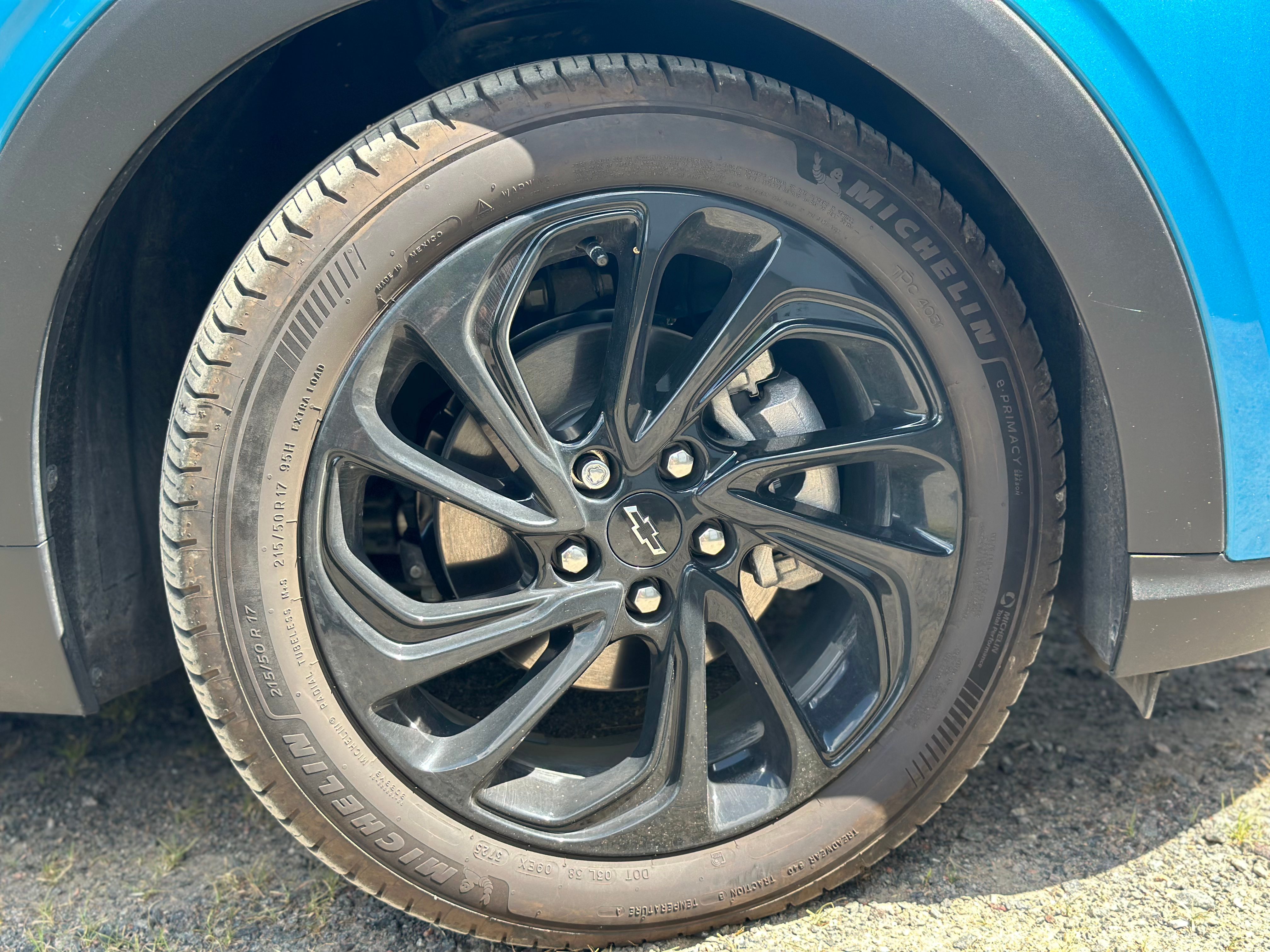
Handling is the bigger issue. There’s a lot of bouncing over anything less than smooth pavement, and combined with a front-wheel-drive layout putting down nearly 200 horsepower through a single axle, acceleration on uneven pavement once at speed can get genuinely unpredictable — full torque is then available, and it can result in some unexpected torque steering, so keep both hands on the wheel when passing other vehicles on backroads.
One-pedal driving is available, and I’ll give GM credit here: regen is strong enough that you can drive around town without ever touching the brake pedal, which I always appreciate. It’s a shame one-pedal mode is disabled, and creep returns the moment you shift into reverse—an odd inconsistency that can be a safety issue. Manufacturers need to stop doing this!
Sound quality out of the speakers is bad, worse than anything else I’ve tested this year, but as I said, for at least another vehicle, the sound quality is still better than listening to music on a cell speaker.
Cabin noise measured 68–69 dB during my drive, which is on the higher side in my experience for a new vehicle, though not a big deal for a low-cost city car.
Overall, the Bolt EV isn’t a great road tripper, but this shouldn’t come as a huge shock: you’re not buying it because it’s fun to drive, or because you’re planning to road-trip it across the country. That’s simply not this car’s purpose.
Driver Assistance Systems (7.1 / 10)
The Bolt EV I had for the review wasn’t equipped with Chevrolet’s Super Cruise technology. However, since it’s available and I’ve tested it extensively on other vehicles from the brand, I expect the same behavior and results from a SuperCruise-equipped Bolt EV.
SuperCruise offers both hands-free and hands-on modes with driver-attention monitoring. Hands-free works on highways and select secondary roads, while hands-on assist is available elsewhere.
On highways, SuperCruise performed very well, enabling relaxed cruising. It follows lanes, automatically passes slower vehicles (if enabled), and returns to the right lane, though it occasionally lingers in the passing lane without reason. It follows navigation logic by avoiding passes near exits but sometimes fails to take the exit itself, instead asking the driver to intervene.
Limitations remain. The system struggles with unclear lane markings, especially on snow-covered or partially covered roads.
SuperCruise reacts to speed-limit changes when activated. Whether it’s vision-based, reading the speed-limit sign, or relying on map data, I don’t know. It works well enough, though, and was useful more than once in my week of driving it.
Hands-on assist offers little benefit on poorly marked roads and frequently nagged me to place my hands on the wheel even when they were already there.
This is clearly an advanced driver-assistance system, not autonomy. It occasionally reacted too late to sudden merges or attempted lane changes that were not possible. Still, it significantly reduces highway fatigue when you understand its limitations.
OTA updates should improve performance over time. However, the monthly subscription fee (after a three-year grace period) for advanced features remains a major downside.
Extra (4 / 5)
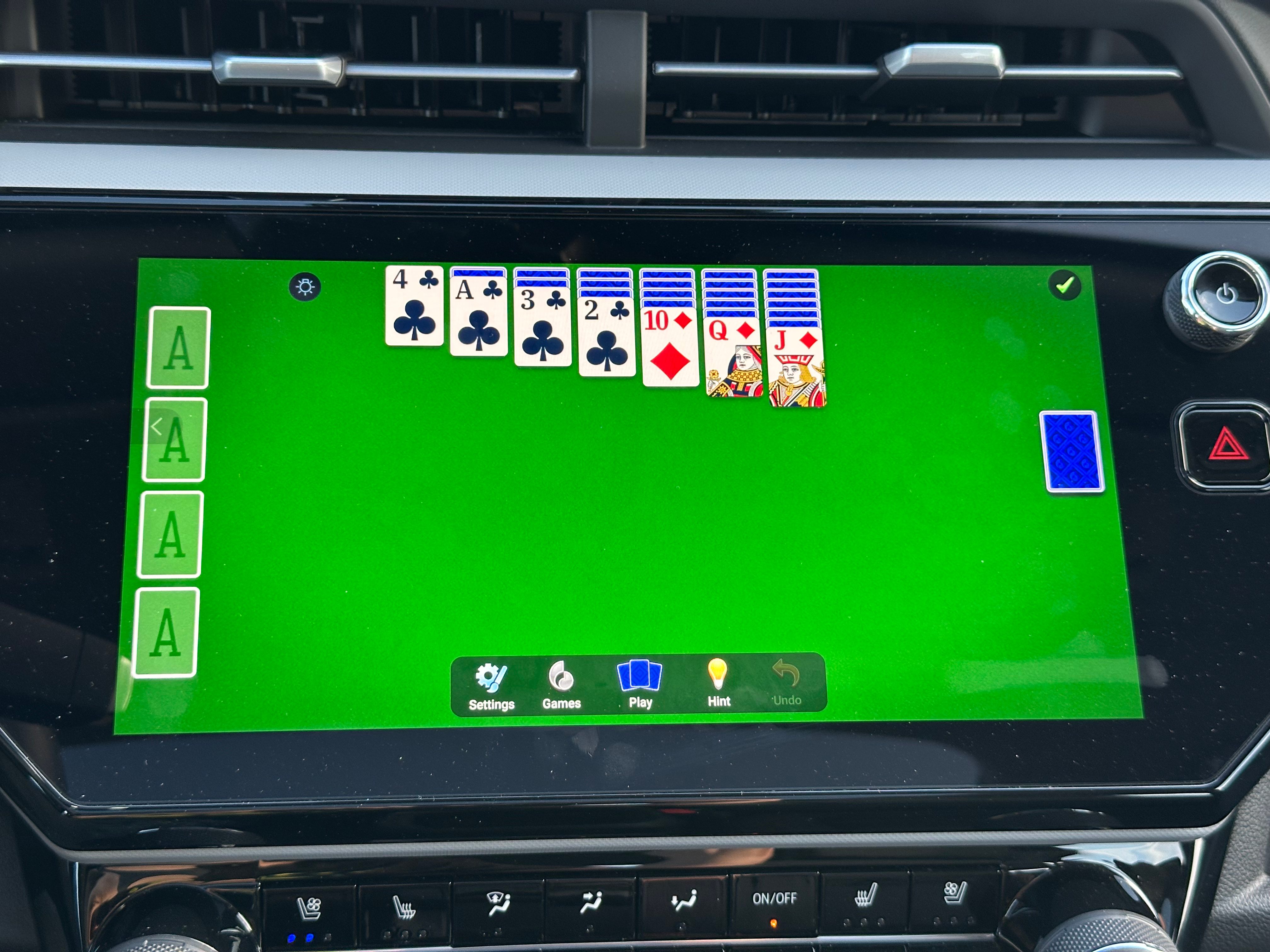
This is one of the Bolt EV’s strongest categories, largely thanks to its infotainment. Native Android OS gives you the full app ecosystem like YouTube, Netflix, Google Maps, and games right out of the box. I like this kind of stuff.
Value (6.4 / 10)
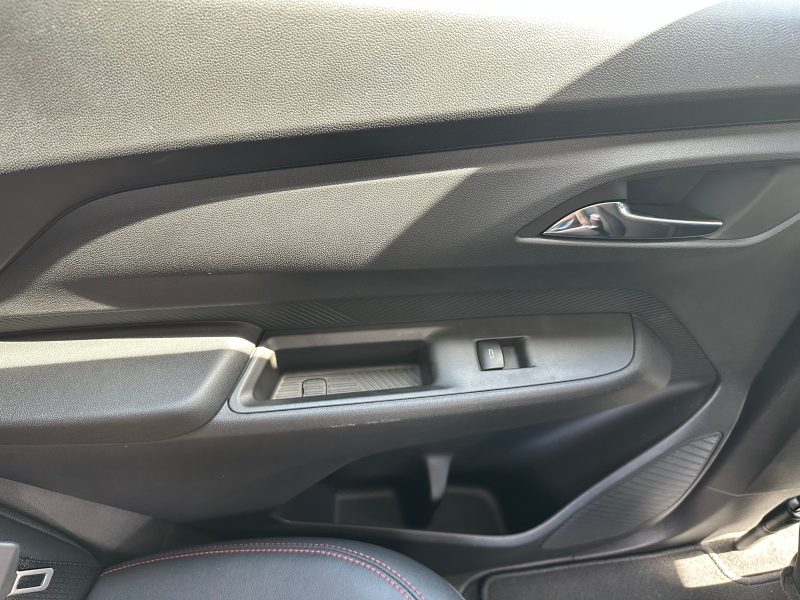
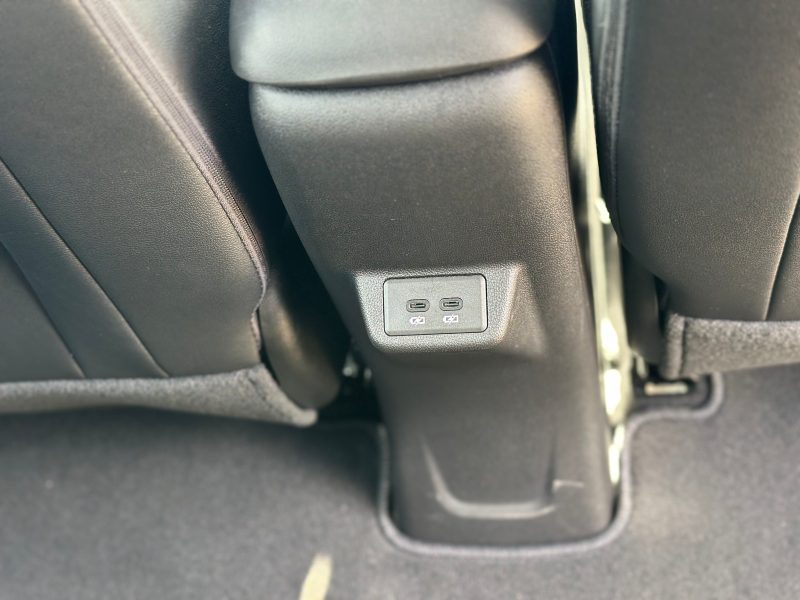
Value is where the Bolt EV’s identity as a cheap car. The hard plastics throughout the cabin, noted above, don’t feel particularly comfortable or upscale, which is fine and even expected for what this car is supposed to be. As an affordable EV, we shouldn’t expect luxury.
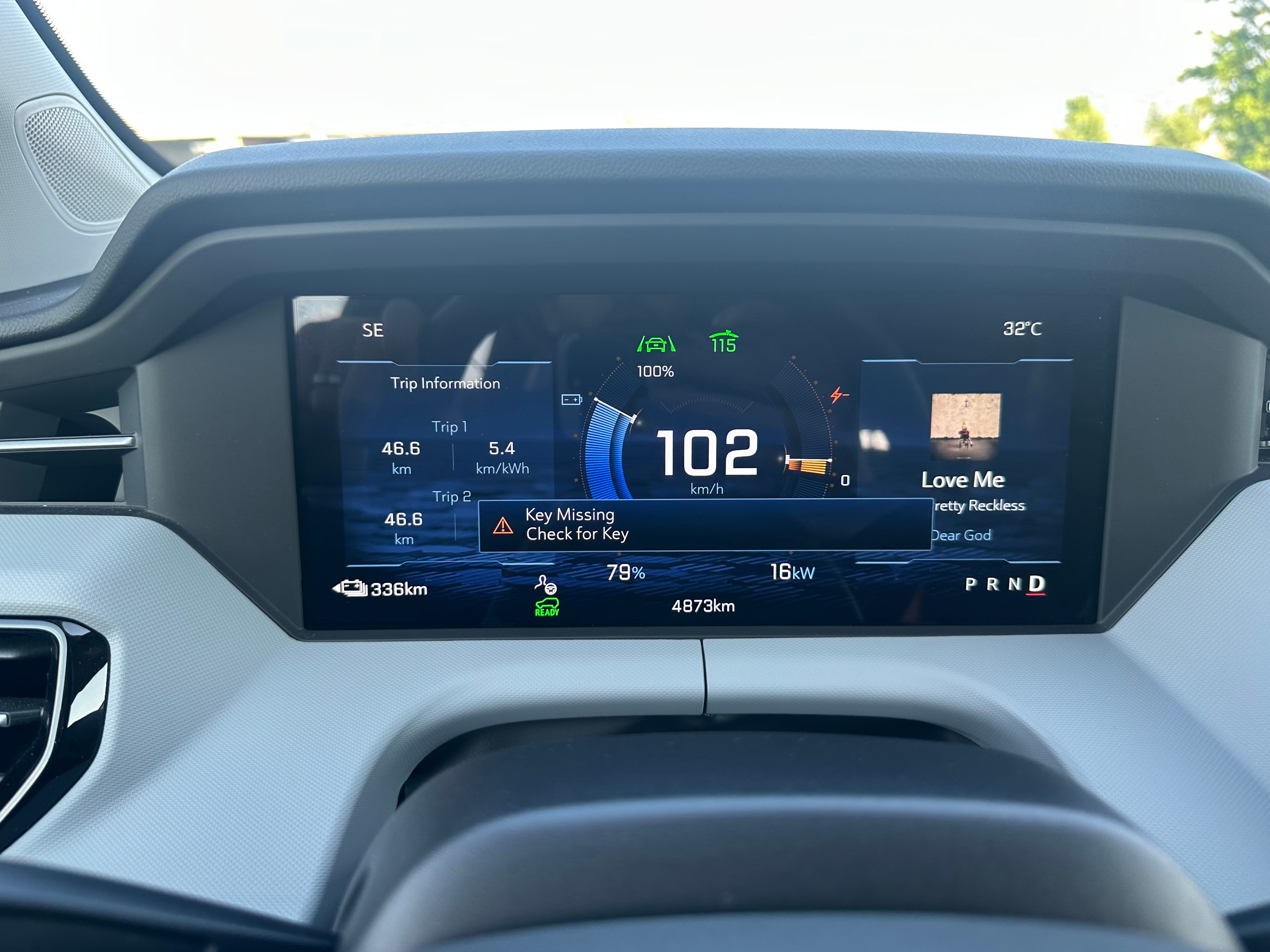
I also ran into a key-recognition bug: leave the key fob in the car for a few minutes, then get back in, and it fails to recognize it, throwing a “key missing, check for key” warning. That kind of software hiccup shouldn’t exist, regardless of the vehicle’s value, but here we are.
My advice: having spent a week in the most expensive Bolt EV available (except for SuperCruise inclusion), do not buy the high trim of this car. The Bolt EV is supposed to be a cheap car, and it feels like one—which is exactly why it makes sense as a low-cost option, not an upsold version of itself.
Mine was detailed at $ 47,537.50 CAD ($ 34,190 US), which is a lot of money for what it offers. However, it can be discounted at some time of the year, and if you find one under $ 35,000 CAD or $ 32,000 US, go for it!
Since the Canadian and US EV markets are now very different because Canada allows imports of made-in-China EVs, prices reflect this reality. Right now, the cheapest EV in Canada is a very compelling sedan detailed at $ 39,490 CAD, which equals about $ 28,000 US.
Fitness for Purpose (3 / 5)
This Bolt EV was never meant to be exciting or road-trip-ready. What it is, is a competent city car: a good second vehicle, or a basic, no-frills way into EV ownership. Judged against that job description, it does fine.
Safety (3.5 / 5)
All trims include the same active safety features, such as Reverse Automatic Braking, Side Cyclist Alert, Rear Pedestrian Alert, and Front Pedestrian and Cyclist Automatic Braking.
At the time of writing, no IIHS rating is available, but if it follows the previous model’s rating, it’s expected to be Good.
Electrek’s take
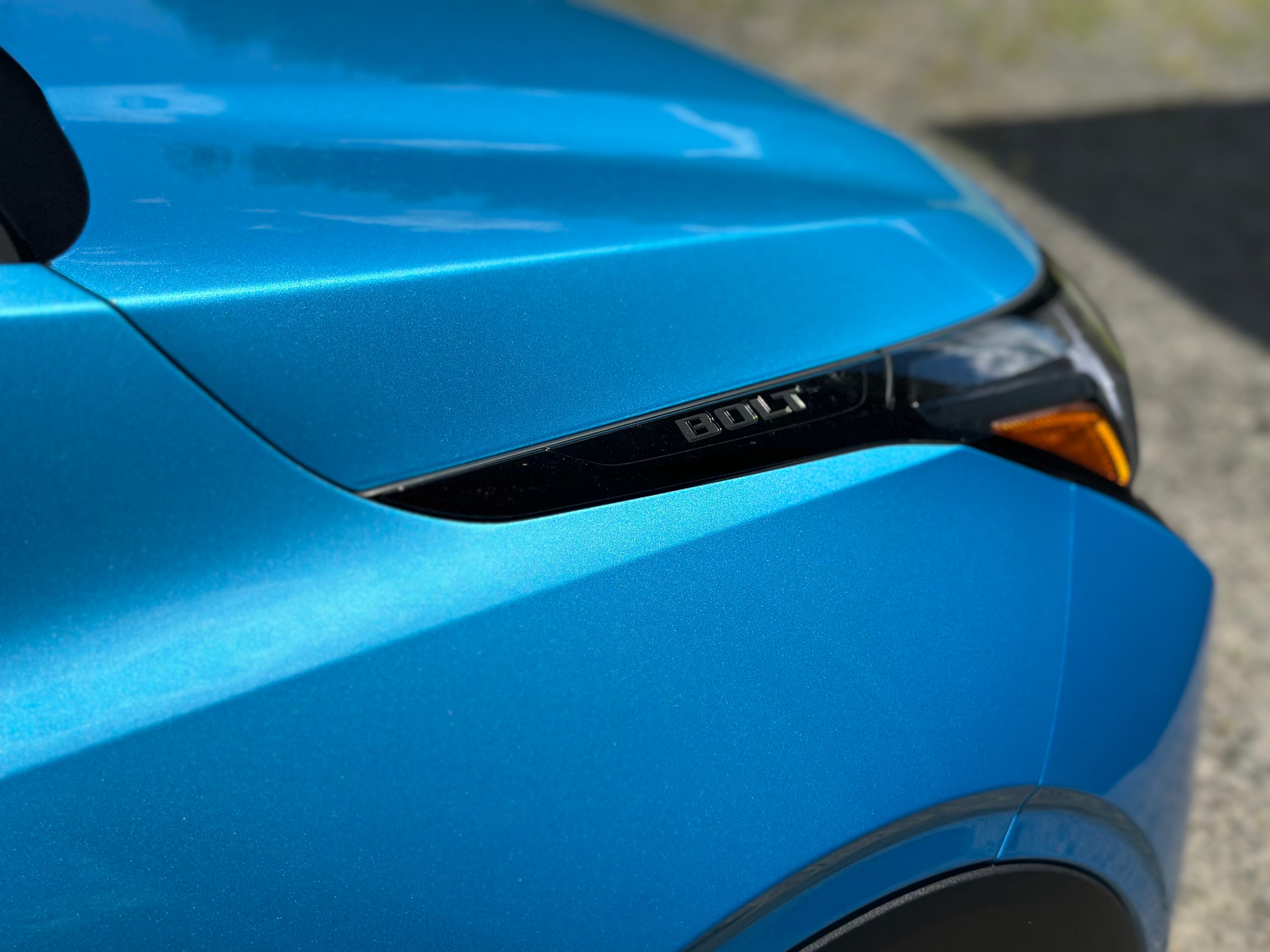
I liked the original Bolt EV. It was a hatchback with punch, and somewhat fun to drive. This new version is, in fact, the previous Bolt EUV model, a bit bigger and taller, which translates into more chaotic handling.
I like the fact that it is now equipped with an LFP battery with better charging capabilities and the way the powertrain is tuned — as a city car, not a hot hatch — but I feel like something has been lost in the process of lowering the price, and I can’t understand why the rear seats aren’t suitable anymore for tall people.
In the end, I was disappointed by this new version of the Bolt EV. It’s not a bad car, but it has quite a few shortcomings. As always, try it before you buy, and see for yourself whether it suits your needs, now that you know its limitations. The sticker price is interesting when discounted, true, but it’s not the only car at this price point — or close to it — when you consider the complete package on offer


FTC: We use income earning auto affiliate links. More.


Comments