
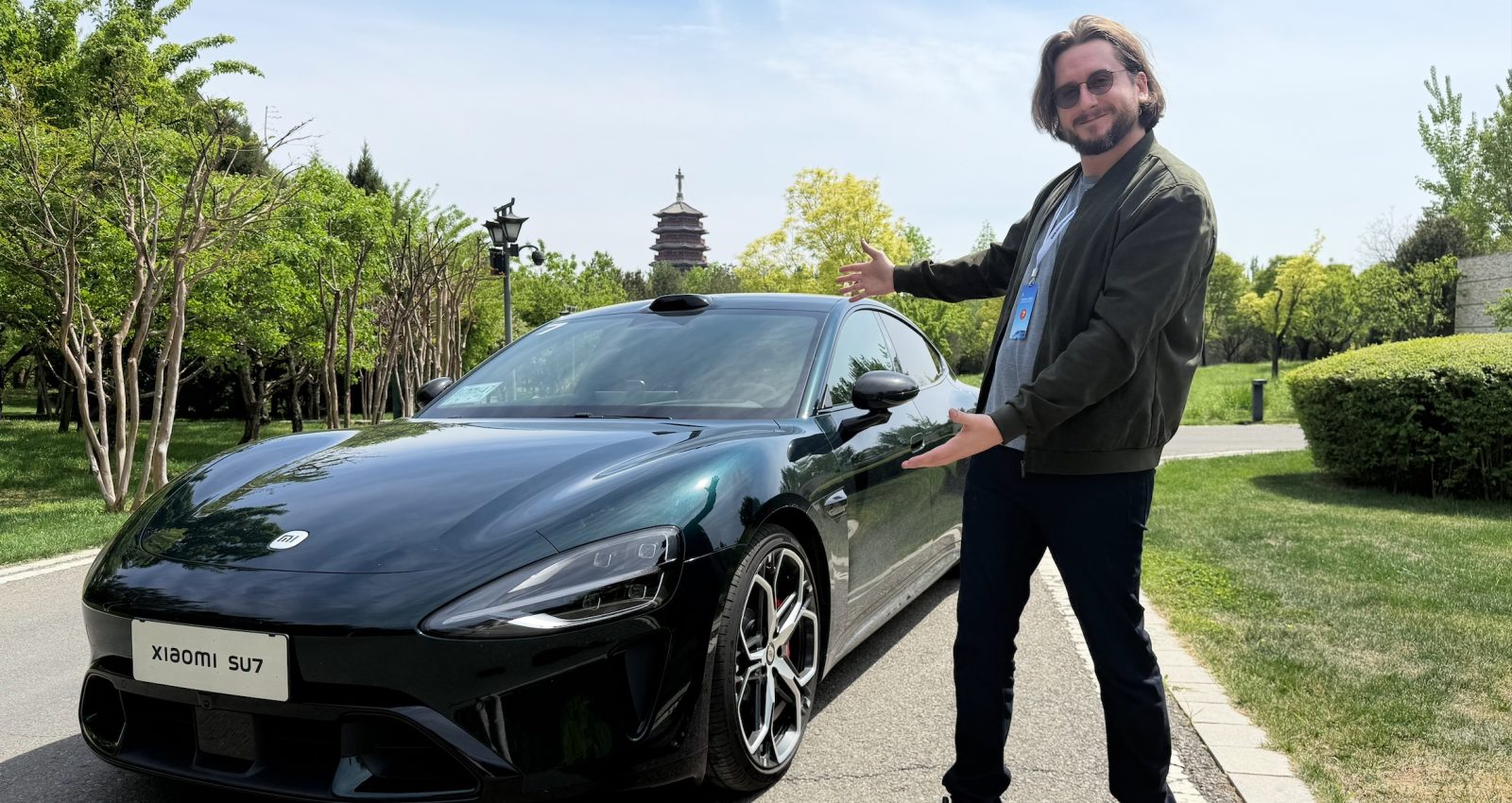
Xiaomi Auto confirmed it will start selling electric vehicles in Europe, including Germany, in 2027, and it’s already lining up the dealers to sell them.
At IFA Berlin today, the Chinese automaker signed memoranda of understanding with eight of Germany’s largest dealer groups. They’re its first retail partners on the continent.
A dealer network before the cars land
The eight groups are Ernst Dello, Autohaus Dinnebier, Emil Frey Germany, Fett & Wirtz, Hahn Automobile, LUEG Mobility, Penske-Jacobs Innovation, and SPT Avior. Xiaomi describes them as among the most established premium-brand dealers in Germany, and the deals cover the “high-quality retail and service network” the company needs before a single car goes on sale.
Most Chinese brands entering Europe have leaned on a mix of direct sales and agency models, and Tesla built its whole European business without a traditional franchised dealer network. Xiaomi is doing the opposite and buying its way into Germany’s incumbent retail infrastructure from day one. A more expensive path, but a much faster one and speed is the name of the game in Europe’s EV takeover.
“Standing in Berlin, we are pleased to begin this new chapter with eight of the most respected automotive dealer partners in Germany,” said Dr. Yu Liguo, the Vice President of Xiaomi Auto who runs its international business. He tied the announcement to the company’s R&D center in Munich, which Xiaomi opened last year, and promised “long-term investment in Europe.”
Xiaomi isn’t arriving quietly
Xiaomi has delivered more than 700,000 vehicles in China since its first EV reached customers in March 2024, and it says it reached profitability within six quarters of starting deliveries. That’s a pace legacy automakers spent years failing to match on their EV programs.
The SU7 sedan crossed 500,000 units in 28.5 months, and the YU7 SUV, which undercuts the Tesla Model Y on price, pulled in more than 240,000 lock-in orders within 18 hours of launch. The SU7 also topped the large-BEV segment of J.D. Power’s China quality study two years running.
Xiaomi has been laying European groundwork for months. It poached Tesla’s European delivery operations manager in the spring, launched a global website and international social channels in August, and it’s showing its “Human × Car × Home” ecosystem, including the Vision Gran Turismo concept, at IFA this week.
Walking into a market Tesla is losing
The timing is the interesting part. Xiaomi is aiming at a European market where the established EV leader is bleeding share. Part of that is due to Chinese automakers taking over and Xiaomi wants to be part of that.
So Xiaomi enters in 2027 into a market that’s growing but no longer locked up. Whether EU tariffs on Chinese-built EVs blunt its pricing advantage is the open question.
Electrek’s Take
Top comment by Beario
This was bound to happen. There is no way that Xiaomi was going to let BYD and others sell a lot in Europe without them and it certainly looks like there is a lot of room for competition. All Canada has to do is loosen things up and allow more sales and Xiaomi will be there too.
If you have been following my reporting on Xiaomi, I’m quite hyped about their EVs. The YU7 is the best value EV I’ve ever tested.
I am glad that Europeans are getting them next year, but selfishly, I’m hoping they come to Canada soon. I think it would be a great shakeup in the market.
It will be interesting to see what kind of distribution they do in Canada.
If you’re buying an EV, powering it with home solar can cut your fueling costs to nearly zero. With electricity rates up almost 10% last year and expected to keep climbing, going solar is one of the best ways to protect yourself against rising costs. And with lease and PPA options, you can do it with zero upfront cost and start saving immediately. If you want to find the best deal, check out EnergySage. It’s a free service with hundreds of pre-vetted installers competing for your business, so you save 20 to 30% compared to going it alone. No sales calls until you pick an installer. Get your free quotes here.


FTC: We use income earning auto affiliate links. More.




Comments