
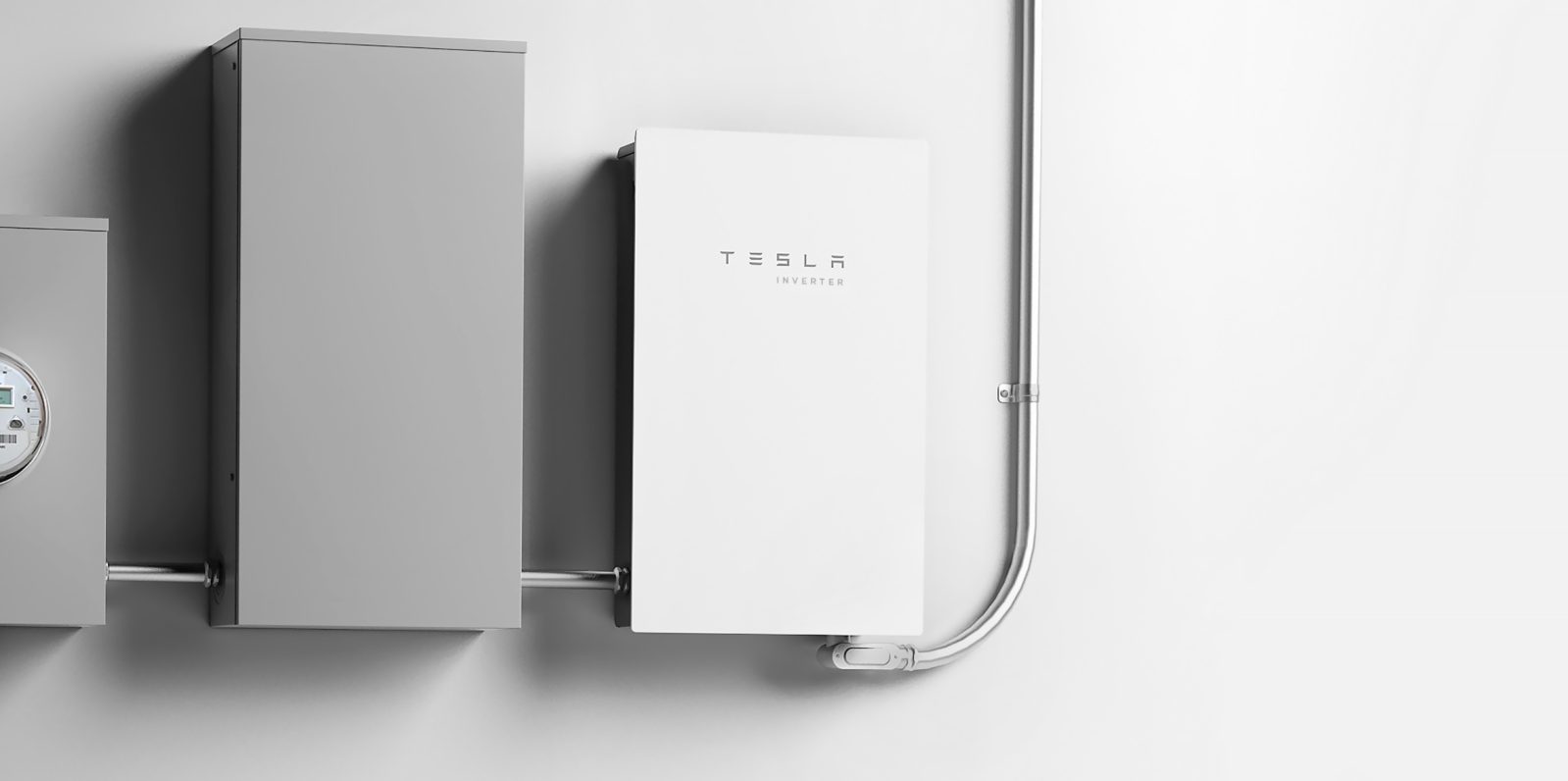
The FCC added foreign-made connected power inverters to its Covered List on July 28, cutting off the federal authorization new models need to be imported, marketed, or sold in the US.
It’s aimed at the radios inside modern inverters, not the power electronics. And it lands on a market where US factories are on track to supply just 40% of combined solar and battery demand next year, according to testing firm Intertek CEA.
‘Foreign-made’ doesn’t mean Chinese
Read the fine print and the “Chinese inverter ban” framing falls apart. “Foreign-produced” here isn’t about where a company is from. It’s the Buy American domestic-content test out of federal procurement rules: a product needs more than 65% US content and US manufacture to stay off the list, according to a legal breakdown from Morgan Lewis.
So a US brand assembling in Vietnam is covered. A Chinese brand clears the bar only if it builds enough of the product in the US. The FCC says the producer’s nationality is irrelevant.
The scope is just as wide. The order covers any inverter that turns DC into AC or back, whether micro, string, hybrid, or battery-based, as long as it carries a radio for remote communication, control, or monitoring over Wi-Fi, cellular, or Bluetooth. A dumb inverter with no radio is exempt. Every app-connected inverter in a modern solar or storage system is not.
It only hits new models. The installed base keeps phoning home.
The restriction is forward-looking. Models that already held an FCC grant on July 28 can still be sold, installed, and used, and the FCC says retailers can keep moving previously approved inventory. Systems already on roofs and in RVs aren’t touched. Neither are federal purchases.
To get a new foreign-made model approved, a manufacturer has to petition the Department of Homeland Security or the Department of War for “Conditional Approval” by January 1, 2028. The filing wants beneficial-ownership disclosure, a component-level bill of materials with countries of origin, and a time-bound plan to build factories in the US. There’s no stated review timeline.
None of this came out of nowhere. In May 2025, Reuters reported that US experts found undocumented communication devices, including cellular radios, inside some Chinese-made inverters, with one case of hardware switched off remotely from China. Senators opened a “kill switch” investigation. This is the fourth swing of the same bat, after drones in December 2025 and consumer routers in March 2026. The robot half of the same order is broad enough to sweep in connected robot vacuums and mowers over 4.4 pounds.
Off-grid and portable solar take the hit
Utility-scale solar can mostly ride this out for now. Developers sit on warehouses of certified inventory, and Canary Media reports the near-term hit there is modest.
However, smaller off-grid and solar projects will get affected long term. Short product cycles, small vendors, and a supply chain that’s almost entirely offshore: Bluetti, Victron, EG4, Growatt, Renogy, EcoFlow, Redarc. There’s no domestic Bluetti waiting to take over, and no US-built 3,000W 12V inverter/charger sitting on a shelf. The Conditional Approval paperwork Enphase can absorb is not something a 40-person shop making DC-DC chargers for overland rigs survives.
How hard any of this actually bites is still an open question. Intertek CEA notes that makers could dodge the rule by shipping “dumb boxes” with a bare communications port and letting installers add approved radios later. It also points out that most inverter makers’ existing FCC authorizations cover the communications component, not the finished inverter, so it’s unclear which products even count as grandfathered. And FCC approval was never a precondition for selling an inverter in the first place, which raises a basic enforcement question. When the FCC restricted routers, makers landed Conditional Approvals within weeks, though not one Chinese router brand made the approved list.
The winners
The market read this as a domestic tailwind the moment the draft leaked. Enphase jumped as much as 17%, SolarEdge around 11%, and Sunrun about 7%, while Tesla traded flat.
But “domestic winner” means US production, not a US logo. Enphase started assembling microinverters in the US and later shut down its Mexico line, which makes it the cleanest case. SolarEdge only began shipping US-made inverters out of Austin and Florida this year. Tesla builds the Powerwall 3P and its native inverter domestically.
Electrek’s Take
Top comment by Mrvc
Alot of the Chinese inverters / pv charge controllers especially in the past. Had an extra normally extremal module for network connectivity sold separately. That seems like the work around here. The actual inverter charger isn't network connected but this accessory box that might be made in "safe" country is. With can standards it could be from a number of vendors.
Nobody sane wants a foreign state holding a switch on grid hardware, but the mechanism used to address this threat is poor to say the least.
Grandfathering is the whole design, so the millions of connected inverters already installed and phoning home today go untouched. The order also mandates zero security properties on the new gear it does cover. If the worry is unpatched, cloud-tethered power electronics, then the policy points in the wrong direction.
Obviously, the real threat here is to the grid, but with this broad approach, they are kneecapping home solar and off-grid projects that are no security risk. Ultimately, it will limit choices for buyers, increase prices, and reduce innovation as grandfathered devices will have a big advantage – locking power inverter tech to what’s available in 2026.
Home batteries and off-grid solar are reshaping the economics of residential energy, and pairing panels with storage is the best way to get the most out of both. With electricity rates up almost 10% last year and expected to keep climbing, going solar is one of the best ways to protect yourself against rising costs. And with lease and PPA options, you can do it with zero upfront cost and start saving immediately. If you want to find the best deal, check out EnergySage. It’s a free service with hundreds of pre-vetted installers competing for your business, so you save 20 to 30% compared to going it alone. No sales calls until you pick an installer. Get your free quotes here.


FTC: We use income earning auto affiliate links. More.



Comments