
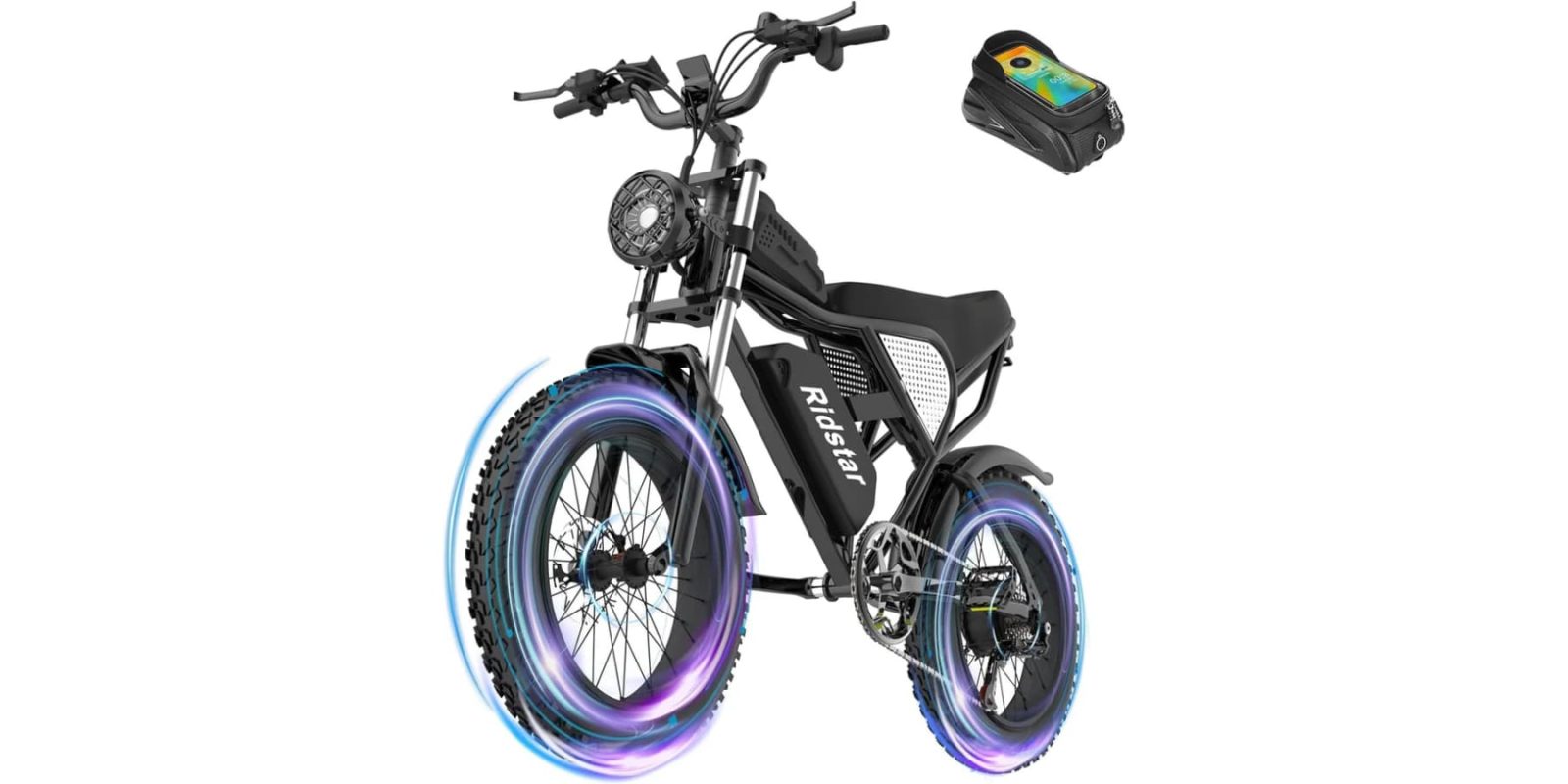
The US Consumer Product Safety Commission (CPSC) has issued a stark warning to riders of the Ridstar Q20 and Q20 Pro electric bikes, urging owners to stop using them immediately due to a serious fire risk. But in a troubling twist, the manufacturer has refused to cooperate with a recall.
Without an agreement, the CPSC’s notice isn’t an official recall, but rather a warning to owners of the apparent danger hidden in this specific manufacturer’s e-bike.
According to the CPSC, the issue stems from the bikes’ lithium-ion battery systems and associated wiring, which can ignite and pose a significant fire hazard. The agency says it is aware of at least 11 incidents involving fires linked to the e-bikes. Those incidents include one reported burn injury, five cases of smoke inhalation, and two instances of property damage totaling more than $40,000.
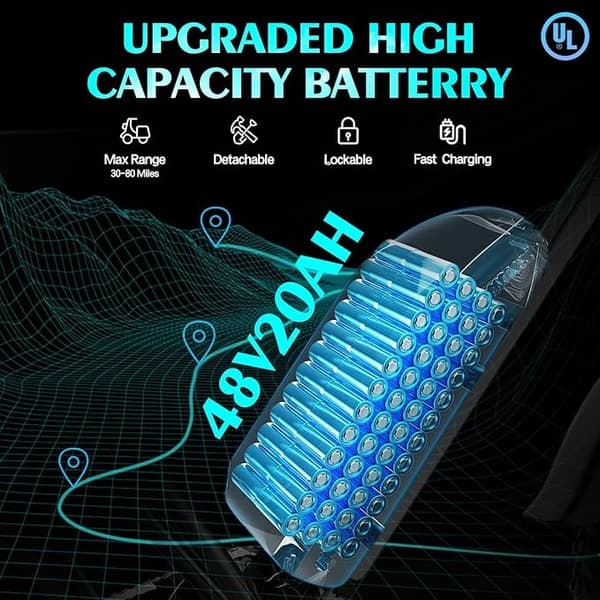
The bikes included a 48V20Ah battery, and advertisements even included a UL logo, though we’ve seen previous cases of cheap e-bikes fraudulently displaying the UL logo in their advertisements despite lacking any official certifications from UL. While there has not been any statement from Underwrite Laboratories about Ridstar specifically being one of these companies, it is exceedingly rare for such low-cost e-bike manufacturers to have actually obtained UL safety certifications.
The CPSC warning, issued on March 19, 2026, goes beyond the usual “stop using” guidance. The CPSC is urging consumers to remove the battery from the bike immediately and dispose of it through proper hazardous waste channels. Importantly, the agency stresses that these batteries should not be thrown in the trash, placed in standard recycling streams, or even dropped off in typical battery recycling boxes, such as those at home improvement stores, due to the heightened fire risk.
The affected bikes are sold under the Ridstar brand, with the Q20 and Q20 Pro models typically featuring black frames and a battery labeled with the Ridstar name. They were widely available through major online retailers including Amazon, Walmart, and the company’s own website. With many of Ridstar’s e-bikes selling for $700 or less, these are seen as some of the cheapest electric bikes on the market. Most educated e-bike media recommend avoiding such low-cost “Amazon specials”, though the price tag often attracts those on shoestring budgets still hoping to snag a fast and powerful e-bike.
What makes this situation particularly concerning is the response from the manufacturer, Huizhou Xingqishi Sporting Goods Co., Ltd., based in China. According to the CPSC, the company has refused to agree to an acceptable recall, leaving consumers without a clear path to refunds or replacements.
That lack of cooperation highlights an ongoing challenge in the e-bike industry, where low-cost imports sold through online marketplaces can sometimes bypass the kinds of safety oversight and accountability seen with more established brands. It’s an issue we’ve seen play out time and again.
For riders, the takeaway is clear: if you own one of these bikes, stop riding it immediately and handle the battery with caution. As e-bike adoption continues to grow, incidents like this serve as a reminder that not all batteries – and not all manufacturers – are created equal.


FTC: We use income earning auto affiliate links. More.


Comments