
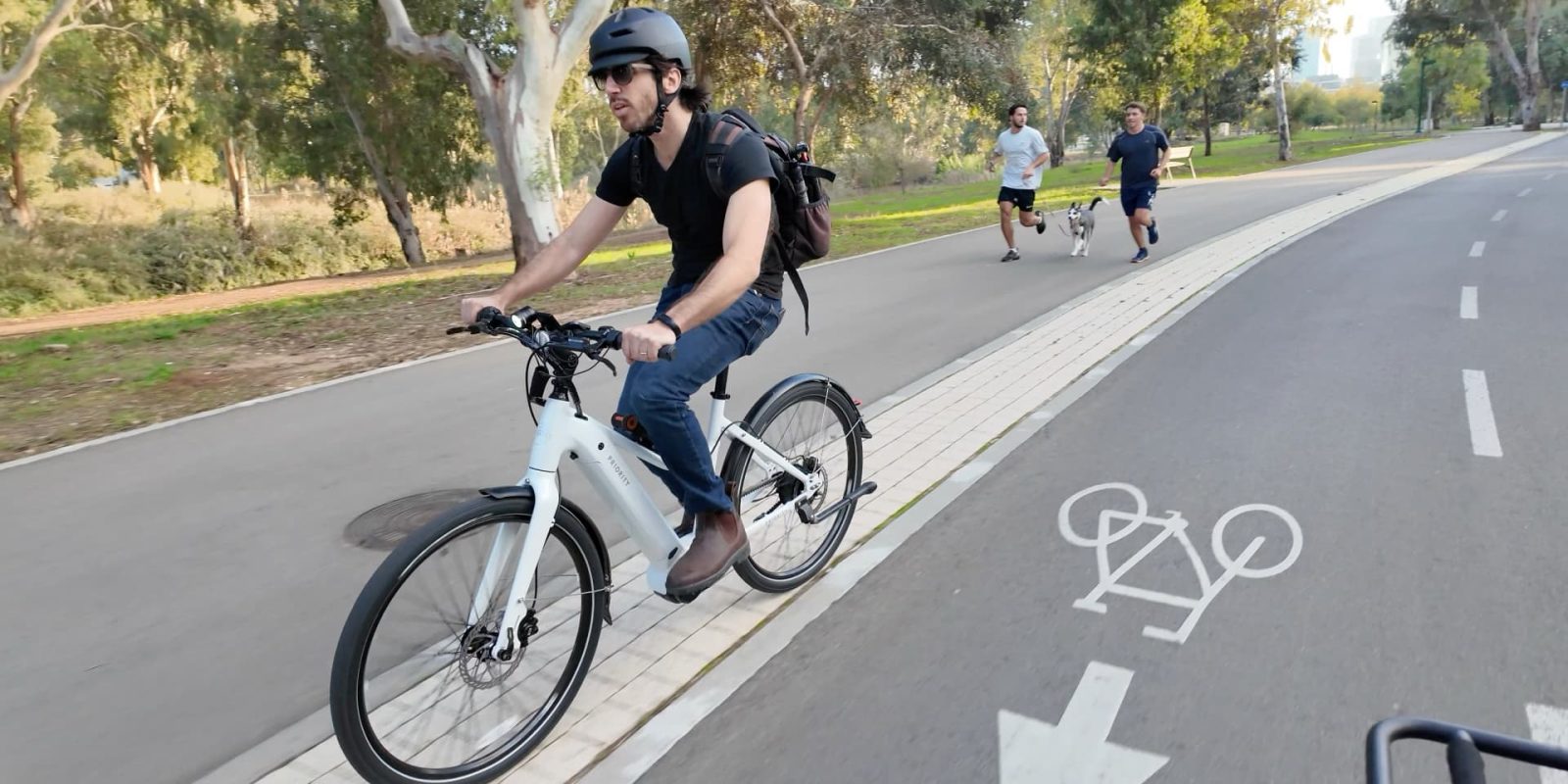
When I first got into e-bikes, I treated them exactly as they felt at the time: tiny electric motorcycles with pedals attached. This was back around 2009 or 2010, years before the 3-class system was even a twinkle in the eye of an e-bike industry lobbyist. I had one of maybe a half-dozen e-bikes in a city of 400,000 people, and they were so new and hard to find that I had to build mine myself from mail-order parts and an old bike frame.
Back then, most e-bikes were clunky and either underpowered by today’s standards or so powerful that they wouldn’t even be considered electric bicycles today (which is what I had built, basically a 35 mph or 56 km/h moped that had once been a Trek mountain bike in a previous life).
In those early days, e-bikes mostly existed to solve one problem: how to get around a city faster and cheaper without sitting in traffic. For me, an engineering school student just looking to zip around town fast and cheap, pedals were basically footrests. The motor did all the work, and the goal was simple efficiency: get from A to B quickly, arrive not sweaty, and spend around $0.50 on “fuel” per month. Rinse and repeat.
It was a blast. And for a long time, that mindset stuck. E-bikes weren’t for exercise, at least not for me.
I run around 30 km a week, give or take. Not marathon-training numbers or even brag-worthy, but I share it to explain that I’ve always been an active, fit person who exercises enough to keep myself healthy, sane, and feeling like my body still works the way it’s supposed to. Riding an e-bike wasn’t supposed to be about fitness for me; it was about mobility.
If anything, pedaling felt optional at best and old-fashioned at worst.
Even when I did pedal, I kept the assist cranked up. High power meant easy spinning, minimal effort, and no real need to think about cadence, gearing, or contribution. The bike did the heavy lifting, and I was along for the ride. For all intents and purposes, my e-bikes of 15 years ago were simply my electric steeds.
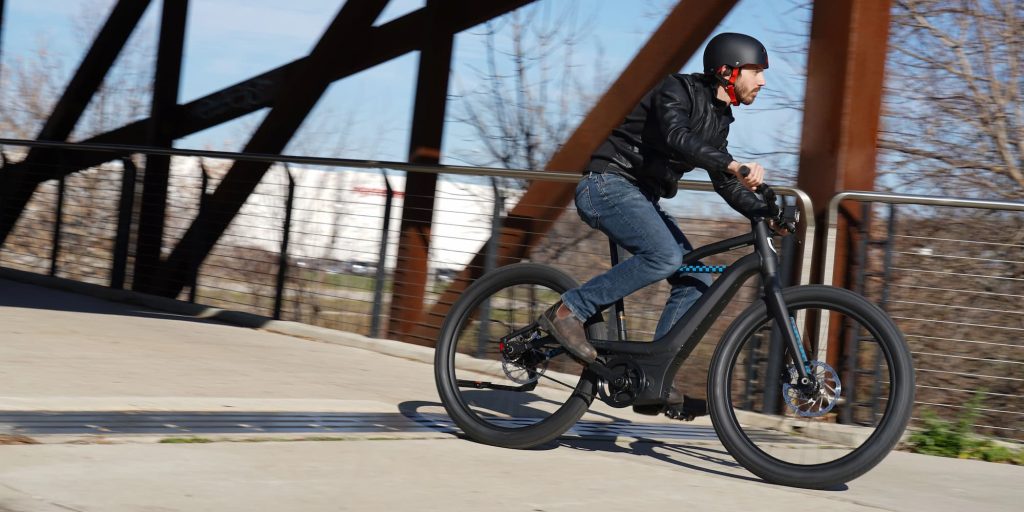
But something funny happened over the many years as I spent more time on e-bikes.
I started enjoying the rides themselves, not just the destination.
That meant slower rides. Sometimes it was riding out to my beach runs, where I wasn’t on a schedule to get there fast. Other times, it was rolling over to meet friends for slacklining. Maybe I was cruising out to the quieter edges of the city where I like to explore, and I could just slow down and enjoy the nice ride without fretting about timing.
On those types of trips, there was no rush, no traffic battle to win, and no reason to blast around at full power.
So I started dialing the assist down a notch.
At first, it was barely noticeable. One level lower, still easy, still comfortable. But it required just a bit more input from me. A bit more pressure on the pedals. A bit more engagement. And over time, that became normal.
Then I dropped it another level.
What surprised me wasn’t that I could do it, but that I kind of liked doing it.
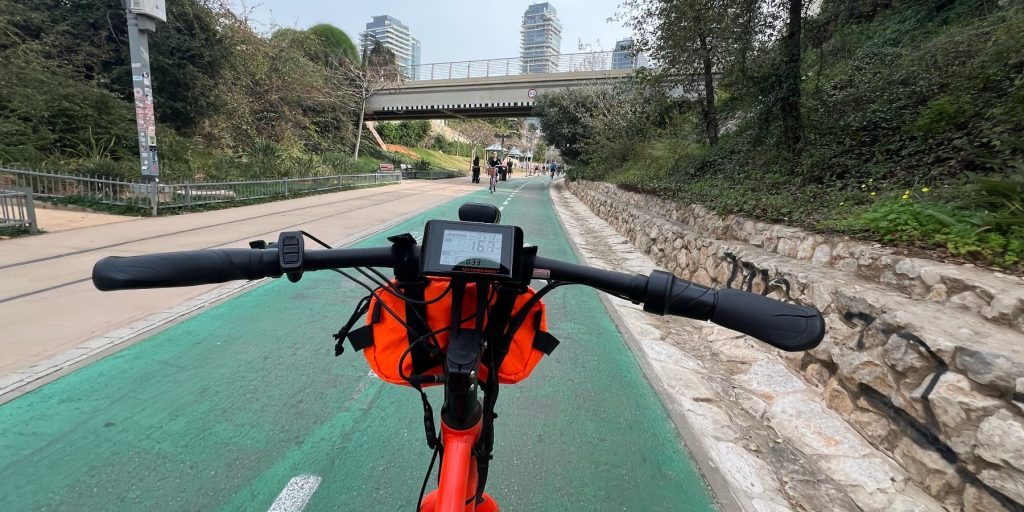
To be clear, I wasn’t suddenly “working out” on my e-bike.
My heart rate wasn’t spiking (my fitness tracker showed me that it was around the same pulse rate I see on my brisk dog walk each morning).
I wasn’t chasing numbers or anything like that, but I was definitely participating more. The bike felt less like a motorized appliance and more like, well, a bicycle again. One that just happened to be extremely forgiving on the inclines.
Slowly, without really planning to, I became a stronger pedaler.
Not in a Lycra bodysuit, watts-per-kilogram sense. I’m still rocking Levi’s and my daily work boots on most of my rides. But in a practical, everyday way, I was just becoming a stronger pedaler and one who enjoyed it. Hills that used to demand higher assist stopped feeling like a big deal, and I was even doing them in pedal assist level 1. Well, most of the time.
I noticed my cadence more and was more in tune with my bike. Eventually, I finally found myself naturally choosing pedal assist level 1 as the default, not as some kind of exercise in discipline or self-torture, but because it felt like the right number to match the level of power I wanted for a relaxing ride.
The more I rode like that, the more the higher assist levels actually started feeling like too much.
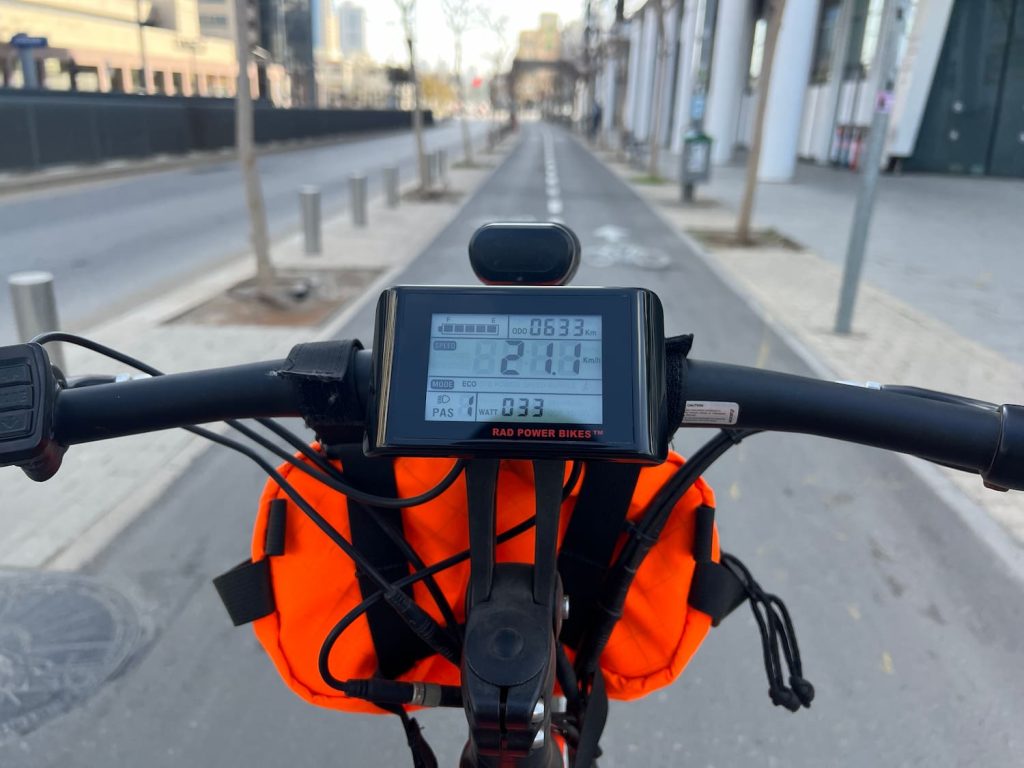
Last week, I looked down during a ride to realize I had accidentally switched into level 0, i.e., no electrical assist, and hadn’t even noticed for several minutes. I do that now occassionally just to push myself, but level 1 definitely feels like the sweet spot for me now.
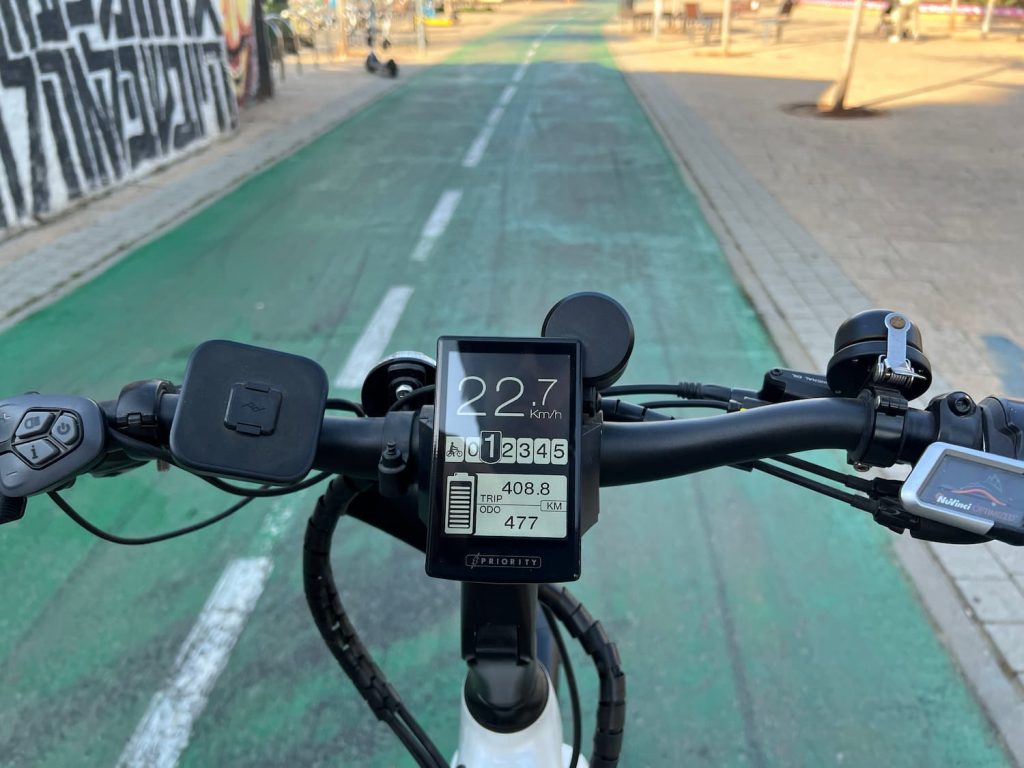
These days, level 1 is where I ride most of the time. And it’s surprisingly low power. My handlebar display on my old RadMission tells me that I’m usually getting between 30-50 watts of assist at that level, which is roughly equivalent to having a decently healthy eight-year-old pedaling along with you, if you wanted a really strange analogy for what that might feel like.
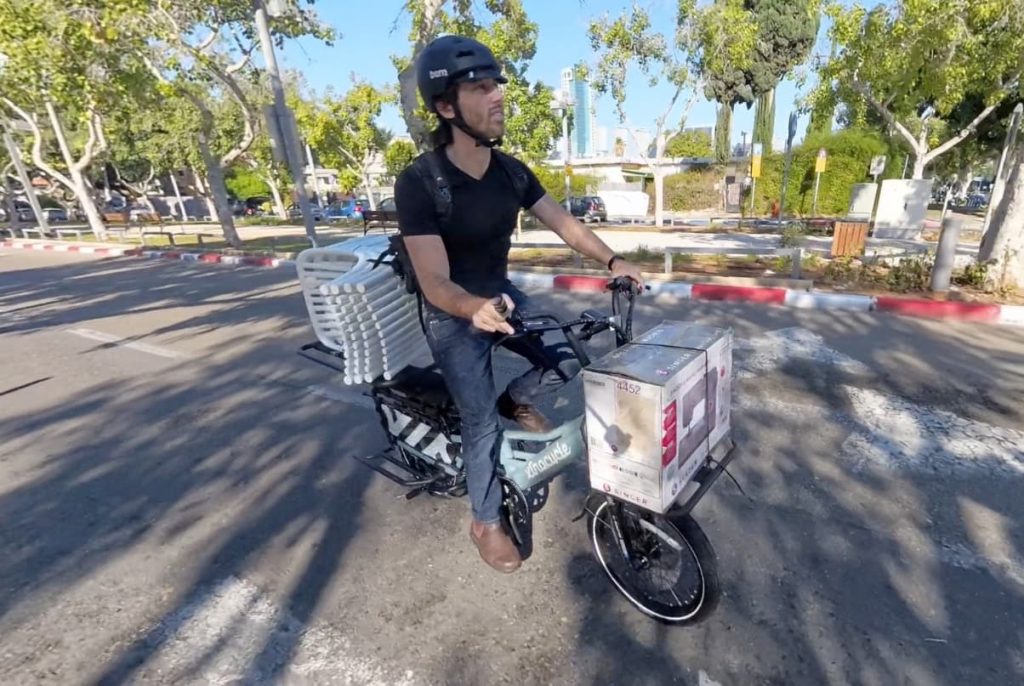
Don’t get me wrong, I still love having power on tap. If I’m late, fighting a headwind, hauling something heavy, or need to squirt out of a sketchy traffic situation, I’m not shy about bumping the assist up or laying on the throttle. I actually like having a throttle as a safety feature, not just a convenience. Instant acceleration can matter. There are times when the throttle has gotten me out of very sticky situations where two seconds made all the difference.
But when nothing’s on fire, pedal assist level 1 is where I’m happiest most days. And to think, that’s coming from someone who first got into e-bikes over a decade and a half ago because it could basically be a mini 2kW motorcycle for me.
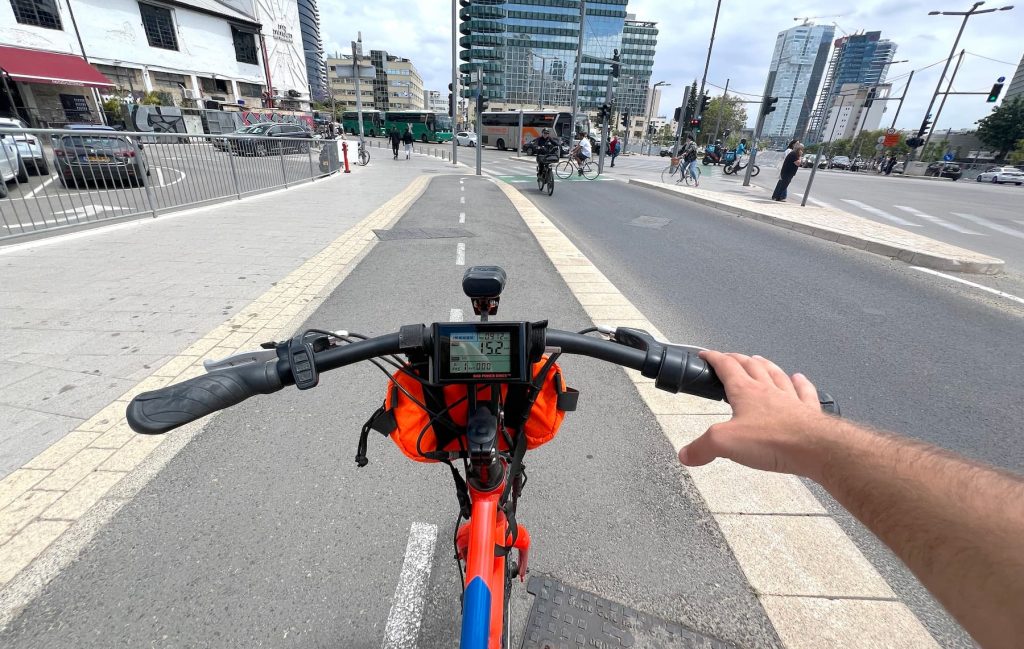
What I’ve come to realize over my many years in the saddle is that e-bikes don’t have to be all or nothing. They don’t have to be either motorcycles or workout machines. There’s a huge middle ground where you’re getting around efficiently, enjoying the ride, and quietly getting more movement into your day without even trying.
Top comment by Chris M
I agree with the sentiment in the article. The first thing I did when I got my Trek e-bike was to turn down the level 1 assist to 7%, because even the low default felt like too much help. I want to ride that bike with a bit of assistance, not be propelled.
Of course, I also have an e-moped for when I just want to twist the throttle and go. Best of both worlds for me!
And the beauty of it is that you don’t have to start there. E-bikes are like getting into the cycling pool at the shallow end, arm floaties optional.
If you’re riding around on high assist power level all the time, that’s fine too! That’s still an e-bike doing exactly what it’s meant to do. But if you ever find yourself on a relaxed ride with nowhere urgent to be, try dropping the assist down by just a single level. Not to suffer. Not to prove anything. Just to see how it feels.
You might be surprised how quickly your body adapts, and how much more connected the ride feels when you’re doing a little more of the work yourself.
I certainly was.


FTC: We use income earning auto affiliate links. More.



Comments