
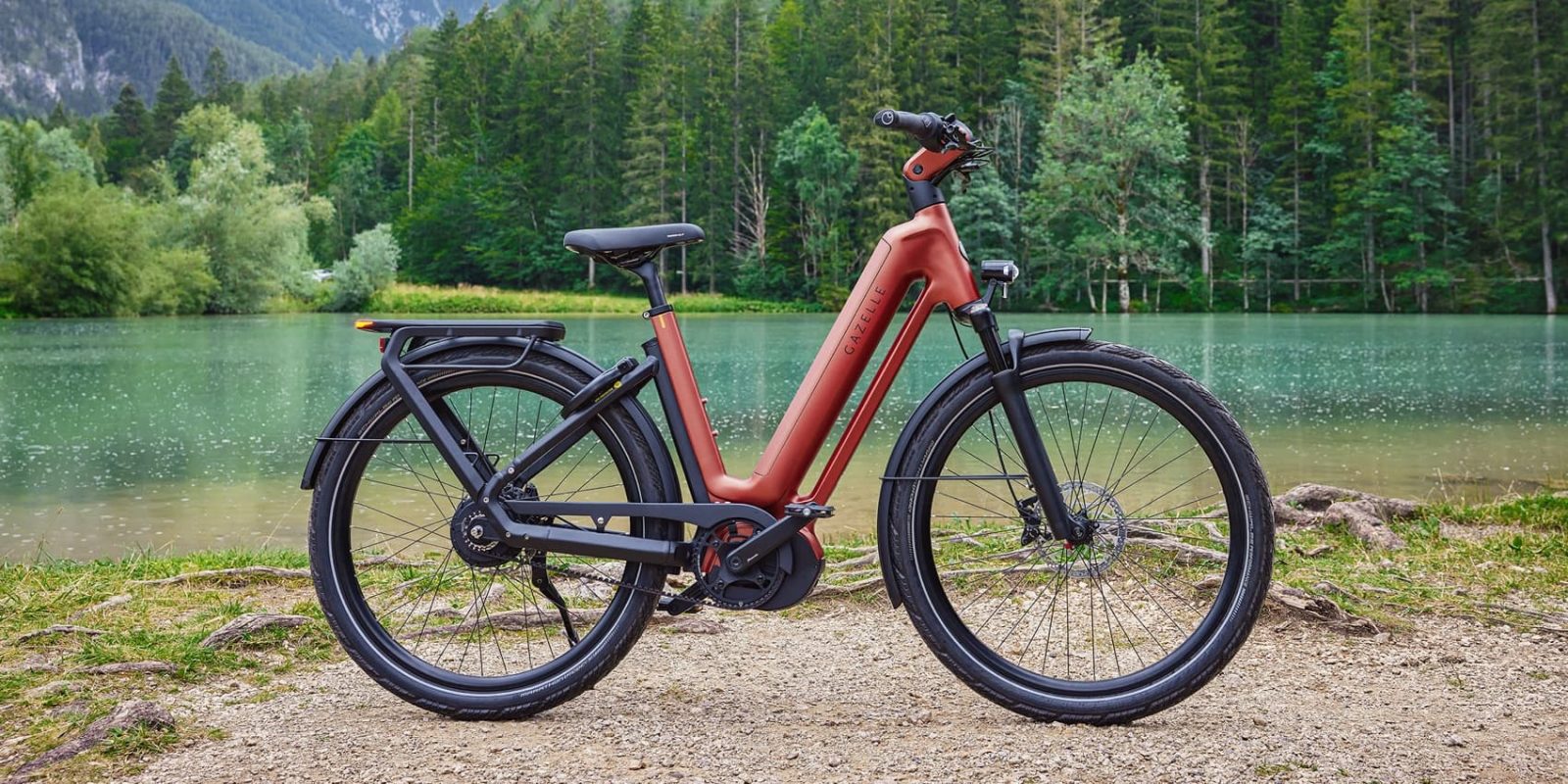
From a fitness perspective, electric bikes are often framed as a way to make cycling easier on the legs or more accessible for people who might otherwise avoid riding. But new research suggests the biggest benefits of e-bikes for older riders may be happening somewhere else entirely: the brain.
A study performed by researchers from the University of Reading and Oxford Brookes University found that cyclists aged 50 to 83 experienced measurable cognitive and mental health benefits from regular cycling – whether they were riding traditional pedal bikes or electric-assist models. In other words, e-bikes didn’t dilute the benefits of cycling. In some cases, they may have enhanced them.
The researchers tracked older adults who rode for around 90 minutes per week over an eight-week period, splitting participants between standard bicycles and e-bikes. The result was improved executive function and processing speed in both groups, along with noticeable boosts in mental health and wellbeing.
Lead researcher Dr. Louise-Ann Leyland said the findings were especially encouraging because they occurred outside a controlled lab setting, in real-world urban and natural environments. That can make a big difference since riding outdoors adds layers of sensory input, navigation, and social interaction that stationary exercise simply can’t replicate.
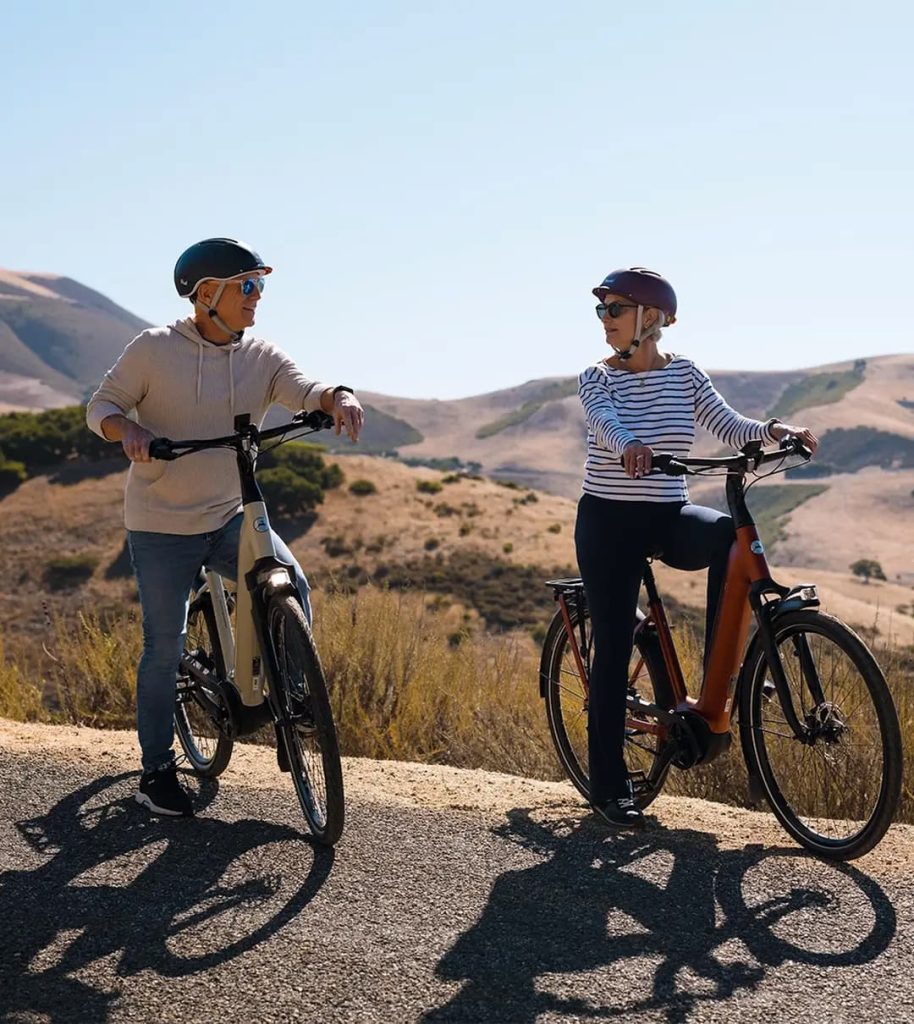
What surprised the research team most, however, was that the e-bike group often showed greater improvements in certain cognitive and wellbeing measures than the pedal-only cyclists. Conventional thinking assumed that higher cardiovascular exertion would translate to stronger brain benefits. Instead, confidence and consistency turned out to be key factors.
Prof Carien Van Reekum, a Professor of Psychology at the University of Reading, explained:
“Among the older adults involved in this project, e-bikes have a number of very positive benefits and in some cases even more so than standard cycles. The findings were not fully what we expected as we thought that the biggest benefit would be seen in the pedal bike group, with cognitive and wellbeing benefits linked to cardiovascular exertion.
This study confirms that getting out on your bike is good for the brains of older people. But what surprised us is that these benefits are not only linked to the extra levels of exercise.
We had thought that those who used traditional, pedal-only powered bikes would have the greatest brain and mental health boost, as they would be giving their cardiovascular systems the biggest workout.
Instead, people who used e-bikes told us that they felt more confident in completing the requested activity of three 30-minute rides a week for eight weeks, compared to pedal bikers. The fact that the group was able to get outside on a bike, even without much physical exertion, is likely to make people feel mentally better.
If having a bit of extra help from an electric motor encourages more people to cycle, the positive effects can be shared across a wider age range and with people who are less confident on a bike.”
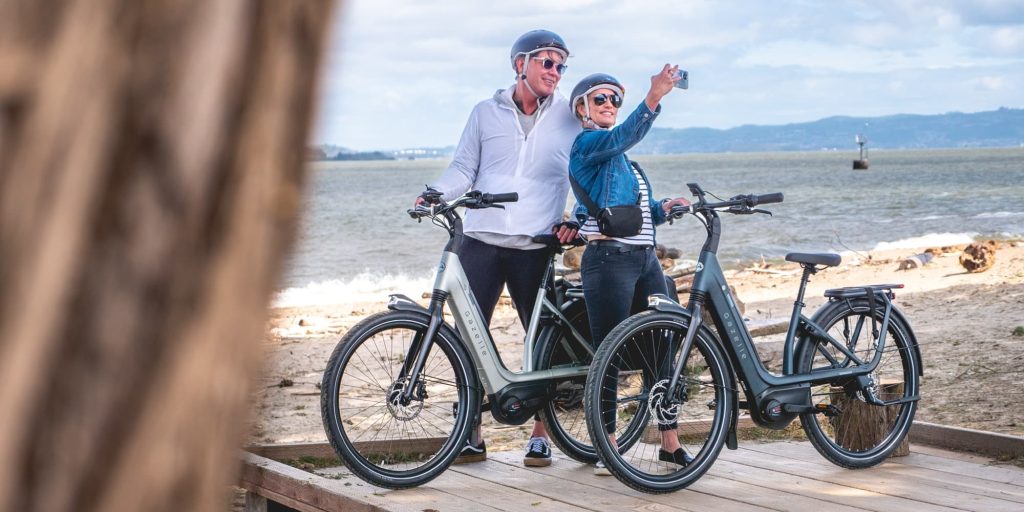
The fact that participants using e-bikes reported feeling more capable of completing the required three 30-minute rides each week may have had a big impact on the confidence and resulting mental boost provided to the riders. That sense of reliability – knowing they could get home without overexertion – appeared to reduce stress and increase enjoyment. Interestingly, the e-bike riders weren’t relying solely on the motor, either. On average, they spent 28% of their riding time in the lowest assist mode and 15% with the motor turned off entirely.
Top comment by Bill Schweet
I think we'll see this benefits for kids too. I've seen a lot of people complain about kids not getting exercise from ebikes, but I'm sure it's still far better than them being on their screens all day.
The findings challenge the idea that physical intensity alone drives cognitive gains. Simply getting outside, engaging with the environment, and feeling confident while riding may be just as important.
Additional insights from the project suggest e-bikes also help older adults reconnect with their communities, visit friends, and rediscover familiar places – all of which may further support mental health.
The researchers are careful to note that the study involved around 100 participants and that larger, longer-term studies are needed. Still, the takeaway is compelling: if a bit of electric assistance helps more people ride more often, the brain may end up being one of the biggest beneficiaries.
via: Bicycling


FTC: We use income earning auto affiliate links. More.


Comments