
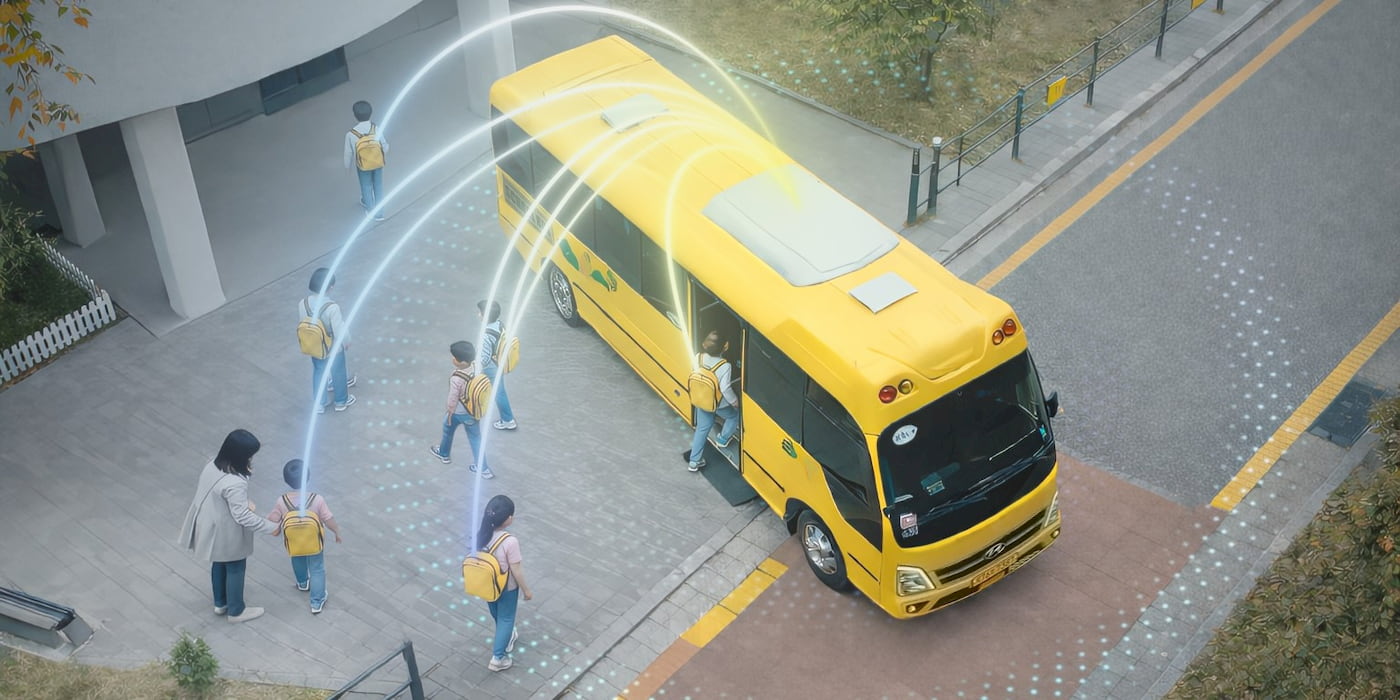
Hyundai Motor Company and Kia unveiled a new advanced sensing technology, “Vision Pulse,” which they say can dramatically improve driving safety.
Hyundai, Kia unveil Vision Pulse advanced sensing tech
As the auto industry shifts to smarter, software-defined vehicles (SDVs), buyers are seeking the latest technology, safety advances, and other features that make driving a little more enjoyable
Hyundai Motor Company, including Kia and Genesis, is investing heavily in personalized experiences, new software, advanced driver-assistance systems (ADAS), AI, robotics, and more to drive future growth.
After reshaping its R&D leadership by hiring former talent from NVIDIA, Tesla, and BMW to lead the movement, Hyundai showcased its latest advancement on Thursday: Vision Pulse.
According to Hyundai, it has developed “the world’s first advanced sensing technology” that uses ultra-wideband (UWB) radio waves to identify people and other obstacles in real time. When a vehicle is equipped with Vision Pulse, the UWB emits radio waves to sense objects that pose a hazard, but there’s a catch.
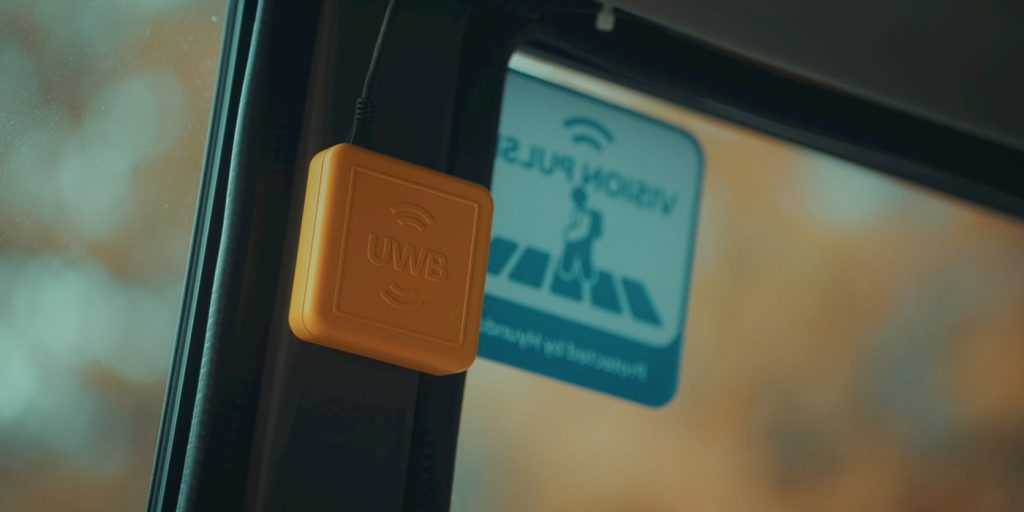
Other vehicles, motorbikes, bicycles, or pedestrians also need a UWB device to be identified. Hyundai said that, instead of a physical key, drivers can use Digital Key 2, a digital key card that allows them to lock, unlock, and start their car on a smartphone.
Since the system uses UWB radio waves with a GHz width, there is minimal interference with other radio waves. Hyundai said the system can pinpoint an object within a 100m radius with a 10cm error range, even in tight city streets.
In addition, it eliminates the need for expensive LiDAR and radar sensors, which Hyundai said will enable it to offer advanced safety assistance features at a significantly lower cost.
The company previewed how Vision Pulse works in the real world in a video, “Sight beyond Seeing: Technology to See the Invisible,” which shows the new tech helping keep children safe as they board the school bus.
Hyundai said the new sensing tech has many use cases across industries, including construction, industrial, education, and others, in addition to driver and safety-assistance functions. It can even be used to find buried victims after a disaster.
It’s already using the Vision Pulse system in a demonstration project at Kia’s PBV Conversion Center to prevent collisions between forklifts and workers. In October, Hyundai secured an agreement with the Busan Port Authority to test and verify the new technology.


FTC: We use income earning auto affiliate links. More.


Comments