
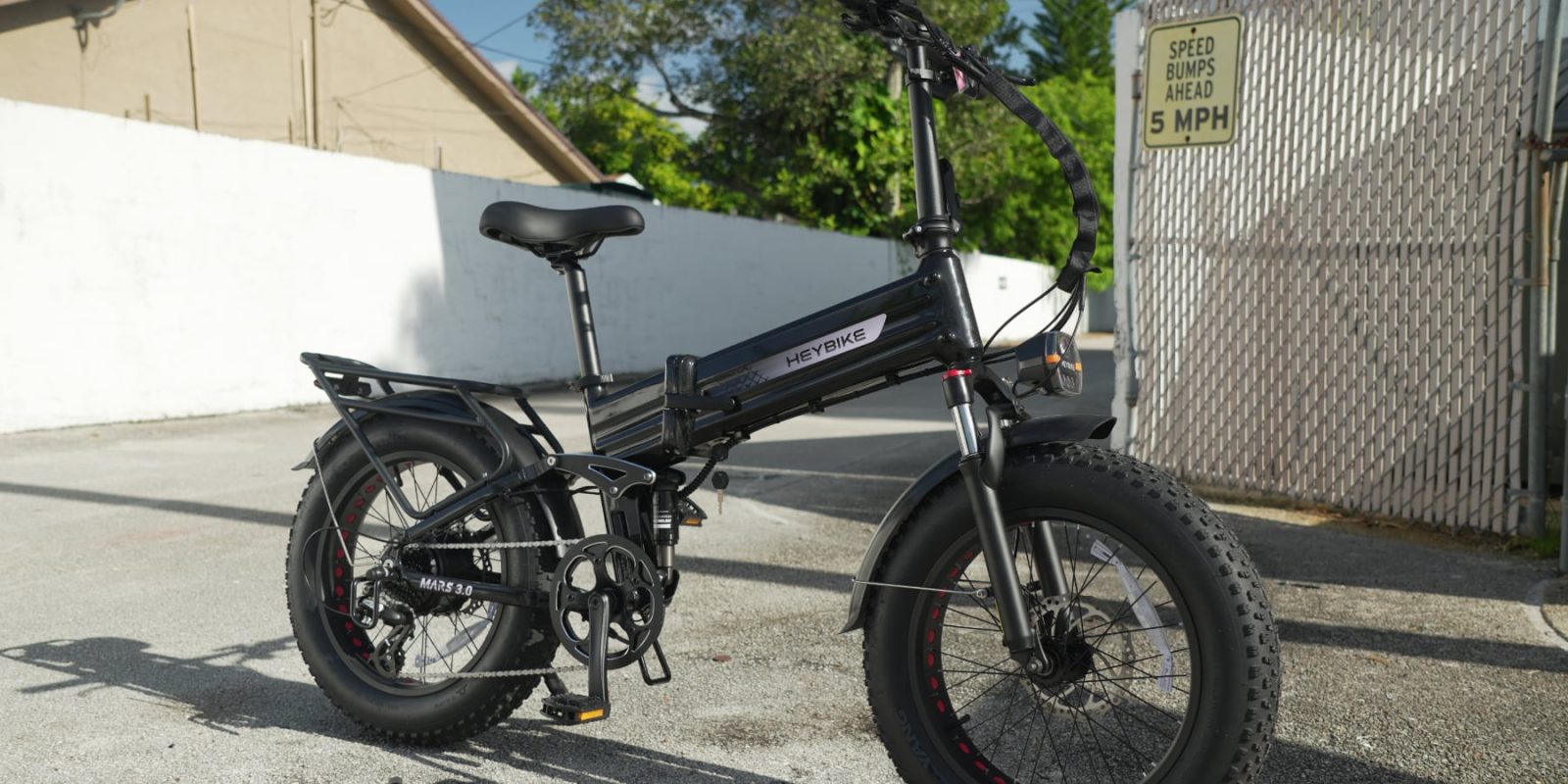
When storms roll through and the power goes out, most people think about flashlights, candles, or portable power stations. But there’s a backup power source sitting in a lot of garages that often gets overlooked: your e-bike battery.
As a powerful winter storm sweeps across large parts of the US, millions of people are once again dealing with widespread power outages, icy roads, and limited access to basic services. From downed lines to precautionary shutoffs, the result is the same: homes without electricity for hours or even days, right when staying connected matters most for weather updates, emergency alerts, and communication with family.
Many modern electric bikes include a built-in USB port, either directly on the battery itself or integrated into the display on the handlebars. That port is usually meant for charging a phone during a ride, but in an outage, it can quietly become a lifeline. Phones, radios, headlamps, bike lights, and pretty much any other USB-powered device can all sip power from an e-bike battery that may hold 500 to 1,000 watt-hours or more.
That’s a lot of energy compared to a phone battery. In practical terms, a fully charged e-bike battery can recharge a smartphone dozens of times over, or keep a weather radio running for days. If your power is out and cellular networks are strained, that can make a real difference.
Even just turning on the e-bike’s headlight can be a welcome source of lighting in your home or apartment when the power is out and you may not have a flashlight in your emergency kit. It also keeps you from having to use your phone as an impromptu flashlight for hours on end.
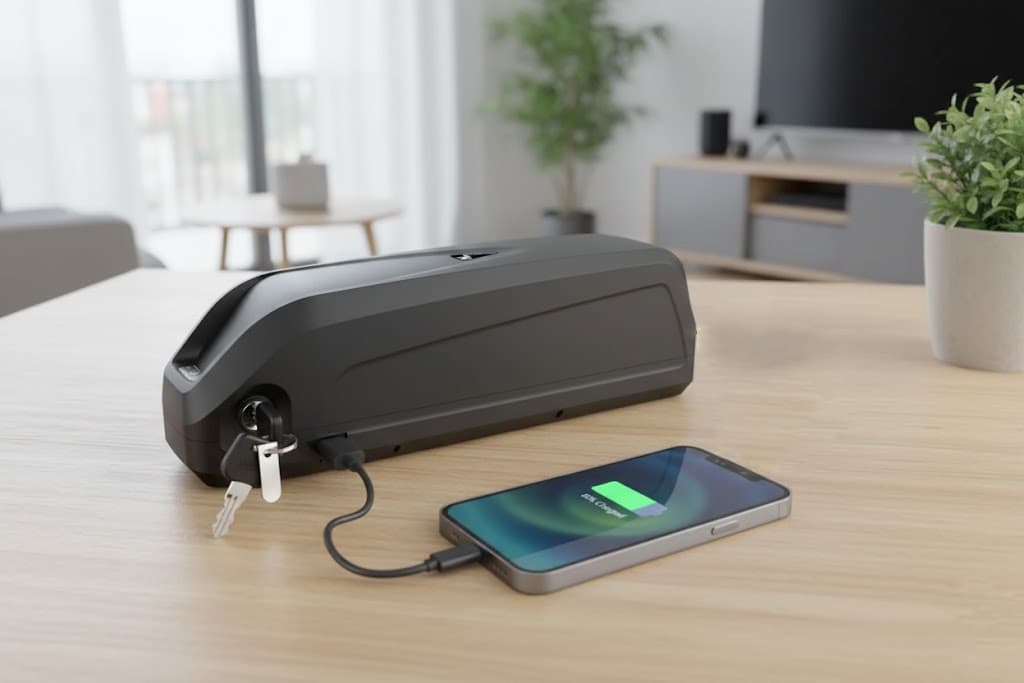
There are a few things worth checking before you actually need it. First, find the USB port now. Some bikes hide it on the battery casing, while others place it on the display. A surprising number of riders don’t realize their bike has one at all since it’s usually in an obscure spot to protect it from splashes. Second, test it. Plug in a phone and confirm it actually delivers power when the bike is turned on or the battery is awake.
Preparation matters too. If a major storm is forecast, top off your e-bike battery ahead of time, even if you don’t plan to ride. That way, you’re not starting an outage with a half-empty energy reserve. If your battery is removable, storing it indoors during severe weather can also protect it from temperature extremes and moisture.
An e-bike battery won’t run your fridge, but when the lights go out, it can keep your most important devices alive. And sometimes, that’s exactly what you need.
And in the worst-case scenario, if you do need to bug out or go in search of supplies, your e-bike can be a handy form of transportation that can travel places cars can’t when storm debris blocks roads.



FTC: We use income earning auto affiliate links. More.


Comments