
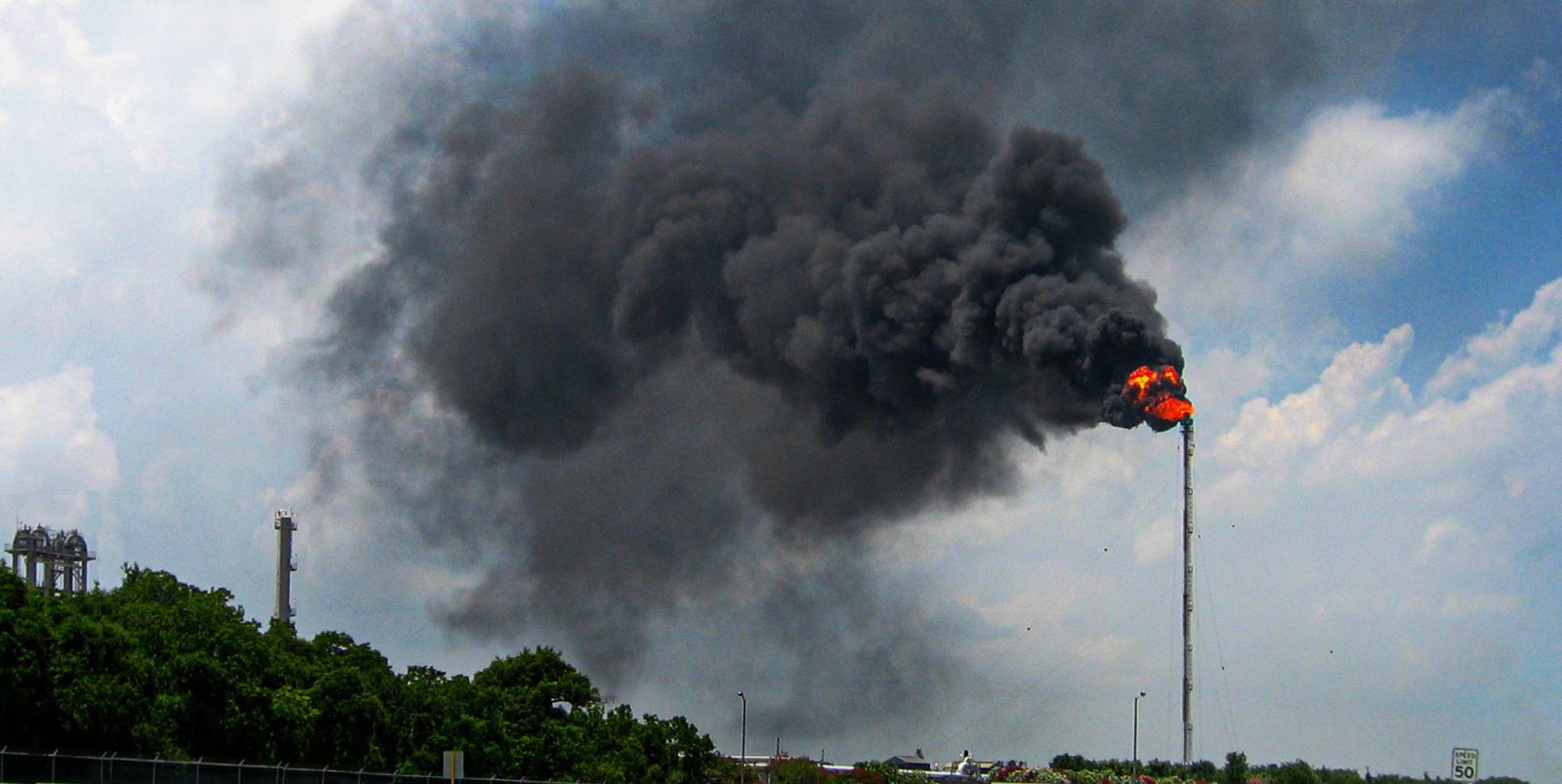
The US is planning a lot more gas power – and data centers are the culprit. Proposed grid-connected gas capacity has nearly tripled since early 2023, while plans for new wind power are shrinking.
A new analysis and interactive map from Environment America Research & Policy Center and Frontier Group puts the planned gas buildout at 60.4 gigawatts (GW) through the end of 2030. That’s up 44% from the 41.8 GW expected in December 2025, based on filings submitted to the federal Energy Information Administration (EIA).
For perspective, that proposed new gas capacity alone exceeds the total generating capacity of every individual US state except Texas, California, and Florida, according to the groups.
These are planned projects, so the figures don’t mean all that capacity will get built. But they show how quickly the US power industry’s plans are shifting toward gas as electricity demand climbs.
Meanwhile, planned solar additions have stalled, and planned wind additions have dropped 33.9% since December 2025. Solar still leads the list of expected new generating capacity, but the groups warn that clean energy plans aren’t keeping pace with the data center boom.
“The data is clear: Surging electricity demand to power data centers is putting our nation’s transition to clean energy at risk,” said Andre Delattre, senior vice president and chief operating officer for The Public Interest Network. “Given the lifespans of new gas plants, these facilities could lock America into decades of continued fossil fuel dependence. Any potential benefits of data centers won’t mean anything if we destroy the planet in the process.”
Texas leads the gas buildout
Texas accounts for 33.2% of the proposed new grid-connected gas capacity through 2030 – roughly a third of the national total. If built, those projects would expand the state’s existing gas generating capacity by almost 25%.
Louisiana follows with 6.6 GW, then Pennsylvania with 4.4 GW, Oklahoma with 3 GW, and Mississippi with 2.6 GW. Together, those five states account for about 60% of the planned additions.
And the tally leaves out a potentially big chunk of the picture: off-grid gas plants built to supply data centers directly. The groups say those projects could add tens of gigawatts more.
The pollution cost
Burning gas produces pollution that contributes to soot and ground-level ozone. The climate impact also extends beyond the smokestack: methane, the main ingredient in natural gas, can escape during production and transportation.
The analysis cites modeling that estimates nearly 600,000 asthma symptom cases and about 1,300 premature deaths in 2028 under a high-growth scenario for data centers. That estimate covers pollution from fossil fuel power plants, on-site gas turbines, and backup diesel generators serving data centers.
The concern is how long the consequences could last. Building gas plants to meet today’s demand could leave the US burning fossil fuels for decades.
“If we build new gas plants, in addition to delaying the retirement of coal plants and slowing the growth of renewables, we jeopardize our health, our planet, and the well-being of future generations,” said Johanna Neumann, senior director of the Campaign for 100% Renewable Energy at Environment America Research & Policy Center.
Read more: The world’s tallest wind turbine just reached 1,197 feet

If you’ve ever considered going solar, make it easy by finding a trusted, reliable solar installer near you that offers competitive pricing by checking out EnergySage. It has hundreds of pre-vetted solar installers competing for your business, ensuring you get high-quality solutions and save 20-30% compared to going it alone. Plus, it’s free to use, and you won’t get sales calls until you select an installer and share your phone number with them.
Your personalized solar quotes are easy to compare online, and you’ll get access to unbiased Energy Advisors to help you every step of the way. Get started here.


FTC: We use income earning auto affiliate links. More.



Comments