
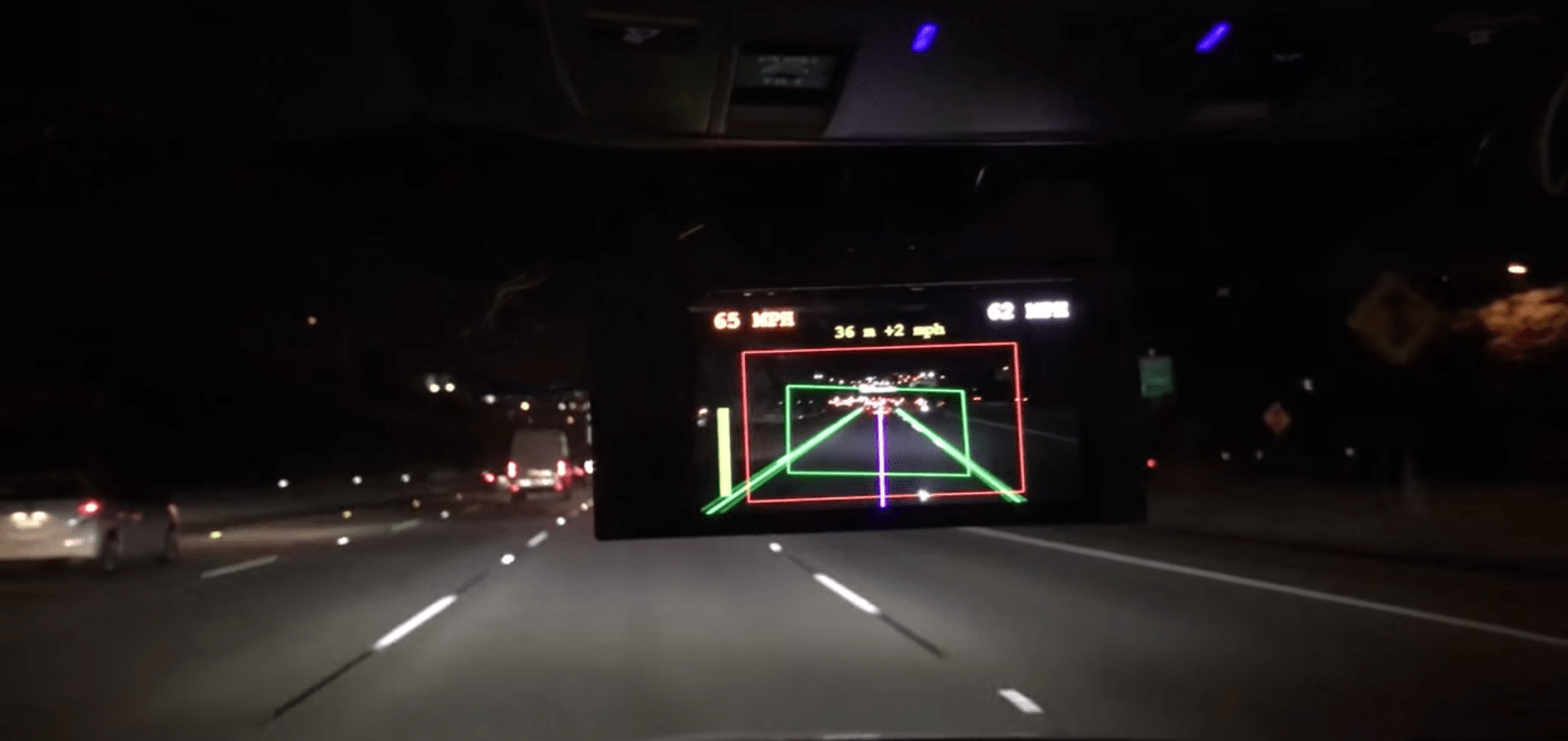
NHTSA has opened a formal investigation into comma.ai’s aftermarket driver assistance devices after five crashes where cars running openpilot plowed into stopped or slow-moving vehicles in their own lane. Two of those crashes killed three people.
The probe covers an estimated 30,000 comma three, comma 3X, and comma four devices. It’s the biggest regulatory problem for George Hotz’s startup since NHTSA pushed it to cancel its first product back in 2016.
NHTSA’s case against comma
The agency’s Office of Defects Investigation (ODI) opened Preliminary Evaluation PE26007 on September 21. It names comma’s last three generations of hardware along with openpilot itself, the open-source software that runs on them.
ODI says it learned about the crashes through a mix of crash reports filed under its Standing General Order, a consumer complaint, and outreach to police. It has confirmed that the comma system was on or engaged in “multiple crashes,” and its early review of the data suggests openpilot “may not have adequately detected or responded to the in-lane vehicles.”
On top of the three deaths, four of the five crashes injured 11 other people, including some serious injuries.
The resume also leans heavily on comma’s own marketing. NHTSA quotes the company’s promise of “hands free driving for the car you already have,” a 15-minute self-install, and software that “[c]an drive for hours without intervention.” But comma’s own fine print says the driver has to be alert and ready to take over at all times.
What the crash reports show
NHTSA lists five crash report IDs in the investigation. We went through the agency’s public Standing General Order data and found four of them. The fifth (30351-1807) isn’t in the released datasets.
The fatal one in the public data happened in February 2026 in Ascension Parish, Louisiana. A 2022 Toyota RAV4 equipped with a comma device hit a stopped first responder vehicle on a highway. In its report, comma says the device “appears to have been running 3rd party non-comma software,” meaning a fork of openpilot.
In September 2025, a 2020 Honda Accord with openpilot “verified engaged” rear-ended a stopped car on a Missouri highway at 82 mph, sending someone to the hospital with serious injuries. Honda filed its own report on the same crash. According to Honda, citing the police report and a lawsuit, the driver had set cruise control to 80 mph and then fell asleep.
And in July 2026, a 2021 Toyota Corolla with openpilot engaged hit a stopped passenger car at 56 mph on a highway near Mona, Utah.
Same pattern every time. Highway speeds and a stopped vehicle sitting in the lane ahead.
comma doesn’t think it has to report
The most telling detail is in comma’s own filings. Every one of its crash reports opens with the same disclaimer: comma provides the information “without agreeing with NHTSA’s interpretations or conceding that comma is obligated to respond to the General Order.”
comma also answers “Unknown” on whether the car was within its operational design domain, arguing that it doesn’t make the vehicle or its stock driver assistance systems. On the Accord crash, it added a note in capital letters that adaptive cruise control was “performed by Honda system.”
So comma sells a device that takes over steering and speed, markets it as hands-free, but pushes responsibility for braking back onto the automaker when something goes wrong.
NHTSA is clearly anticipating the fork defense too. The agency says that if a modified version of openpilot is involved in a crash, it’ll evaluate it and consider the components shared between openpilot and the fork. Popular community forks like sunnypilot and FrogPilot are built on the same driving model and code base.
From comma one to 30,000 cars
This isn’t comma’s first run-in with NHTSA. In 2016, the agency sent Hotz a special order about the comma one, and he killed the product rather than answer it. comma then open-sourced openpilot and went back to selling hardware as “dev kits.”
That approach clearly worked. comma now says more than 30,000 cars use its devices, which have logged over 400 million miles, and it claims to be second only to Tesla in hands-free miles driven. The comma four launched last November at $999 and supports over 350 car models, according to comma’s website.
The crash type NHTSA is looking at should sound familiar. It’s the same failure mode that got Tesla Autopilot investigated in 2021 over crashes into stopped first responder vehicles, a probe that ended with a recall of about 2 million Teslas to add more driver alerts.
Electrek’s Take
We’ve had a soft spot for comma for a long time. openpilot has a driver-facing camera for monitoring, it doesn’t pretend to be “Full Self-Driving,” and Consumer Reports ranked it the best driver assistance system it tested back in 2020. For $999, it’s impressive tech.
It’s sort of the Android of ADAS to Tesla’s Apple.
But you can’t market “hands free driving” and “hours without intervention” with a 15-minute DIY install, and then tell the federal regulator you’re not sure you even have to report your crashes. Those two positions don’t go together.
Stopped vehicles in the lane are the known weak spot of camera-based systems. Tesla has had the same issue for years.
The fork issue is the bigger headache long term. Open source is great for innovation, but when a modified version kills someone on a Louisiana highway, who’s accountable? comma’s answer so far has been to point at the third-party software. NHTSA’s answer might be different.
A preliminary evaluation can take months, and it can end quietly or escalate to an engineering analysis and a recall. With 30,000 devices on the road and three people dead, what does a recall even look like for software anyone can fork on GitHub?
If you’re driving an EV, powering it with home solar can cut your fuel costs to nearly zero. With electricity rates up almost 10% last year and expected to keep climbing, going solar is one of the best ways to protect yourself against rising costs. And with lease and PPA options, you can do it with zero upfront cost and start saving immediately. If you want to find the best deal, check out EnergySage. It’s a free service with hundreds of pre-vetted installers competing for your business, so you save 20 to 30% compared to going it alone. No sales calls until you pick an installer. Get your free quotes here.


FTC: We use income earning auto affiliate links. More.




Comments