
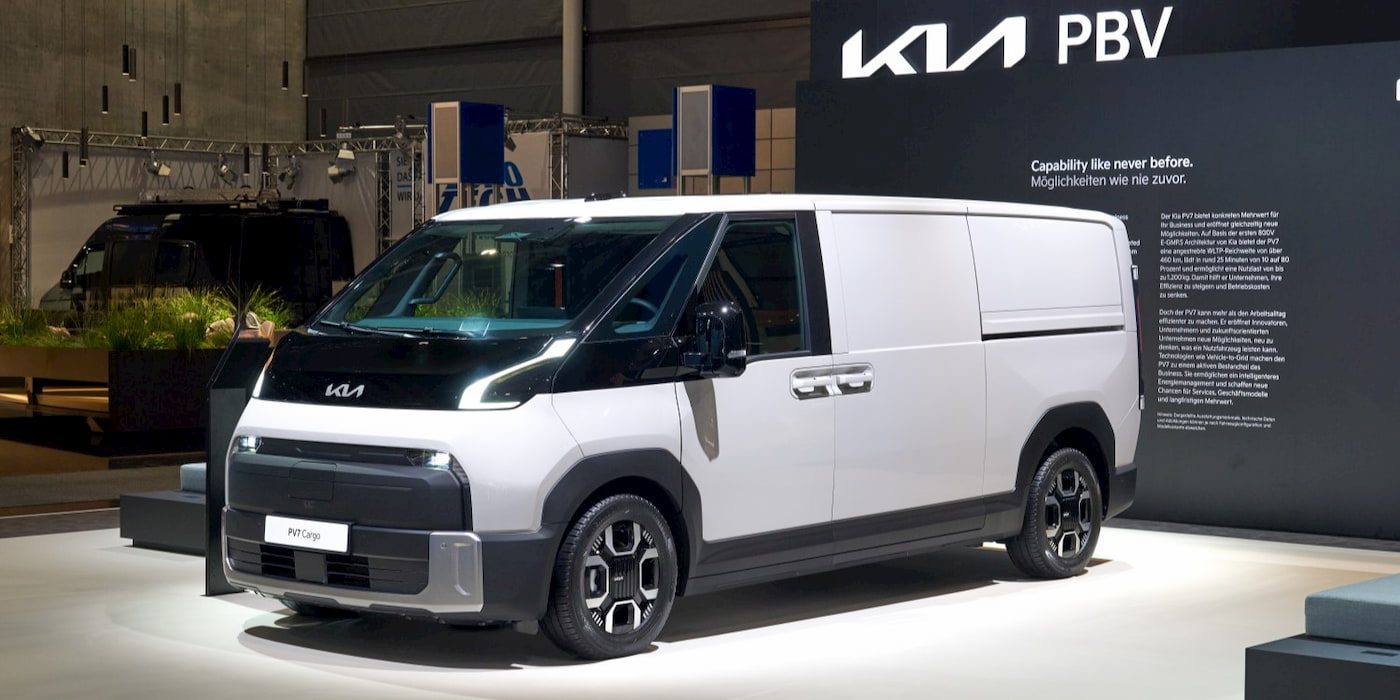
Kia aims to sell 250,000 electric vans by 2030, with the PV7 and PV9 accounting for a larger share combined than the PV5.
Kia bets on bigger electric vans to drive growth
“The real game begins now,” Kia president and CEO Ho-Sung Song said after unveiling the PV7 for the first time at IAA Transportation on Monday.
The PV7 is the second electric van from Kia’s Platform Beyond Vehicle (PBV) series, following the PV5.
Song told reporters at the event (via Yonhap News) that “We are in negotiations with more than 300 companies” and is working to secure fleet contracts ahead of launch. Including the PV5, Kia has “about 4,000 units on standby and more than 17,000 units under negotiation,” Song said.
Kia has secured contracts with Bravida for around 400 PV7 vans, while the UK’s Motability and Kone, a Finnish elevator company, each ordered over 300 units.
By 2030, Kia aims to sell 250,000 purpose-built electric vans, including the PV5, PV7, and a larger PV9 model.
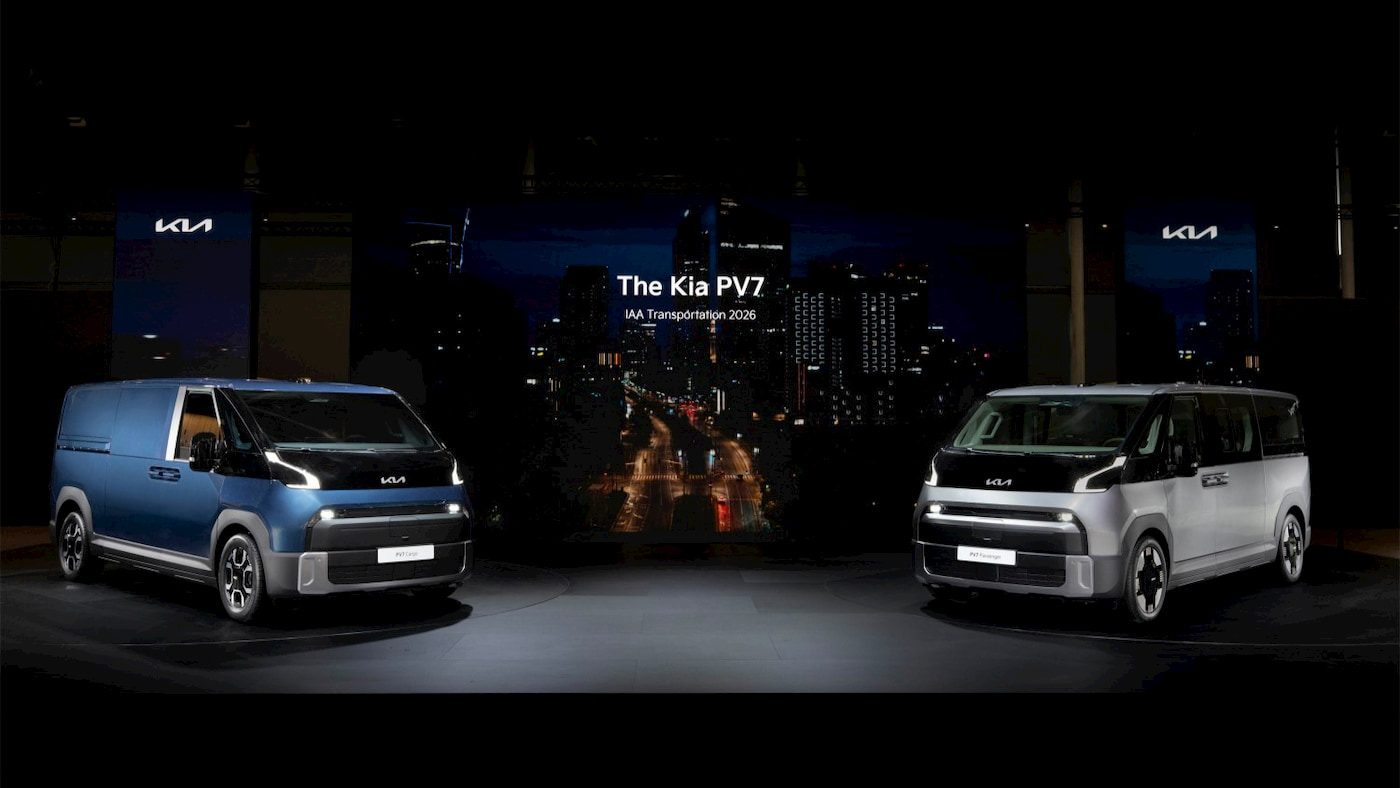
Kia already announced the 250,000 PBV sales target, but Song told reporters that its larger electric vans, the PV7 and PV9, are now expected to lead the way.
“Broadly speaking, the PV5 accounts for about 120,000 units, and the PV7 and PV9 account for about 130,000 units,” Kia’s CEO explained.
Kia’s initial PBV sales target, announced during its 2024 CEO Investor Day, included 150,000 PV5 vans and 100,000 PV7 models by 2030. According to Song, the mid-size van market, where the PV7 will compete, is “the main market for light commercial vehicles (LCVs)” in Europe, at around 800,000 units.
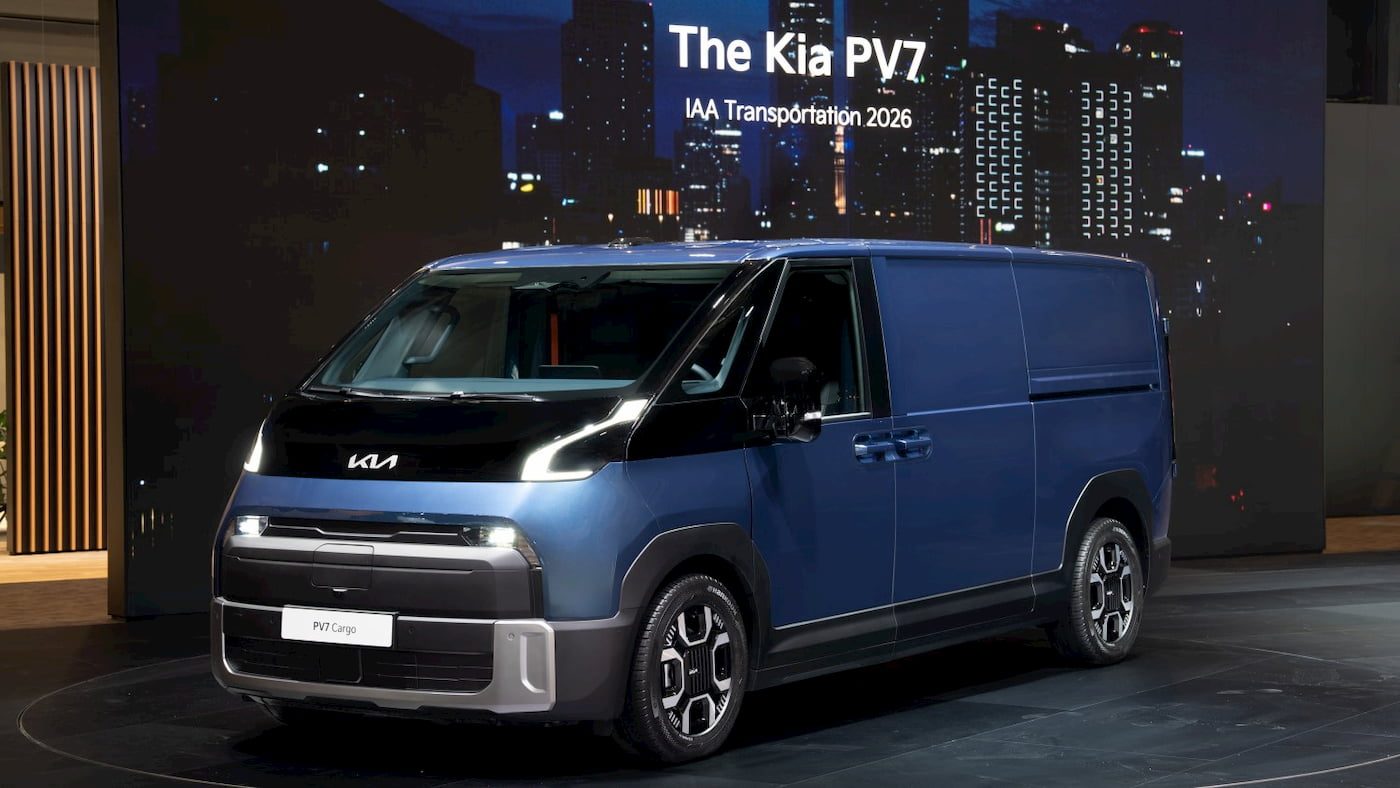
Kia launched the PV5 first because “the competition in the market to which PV7 belongs is that fierce,” Song explained.
After it went on sale last year, the PV5 became Europe’s top-selling small electric van (C-segment), with a 37% market share in the first half of 2026. In five countries, it accounted for over 50% of electric C-segment sales.
The Kia PV7 Passenger and Cargo measure 5,350 mm (17.55 ft) long, 1,995 mm wide, and 1,990 mm high, with a 3,500 mm wheelbase.
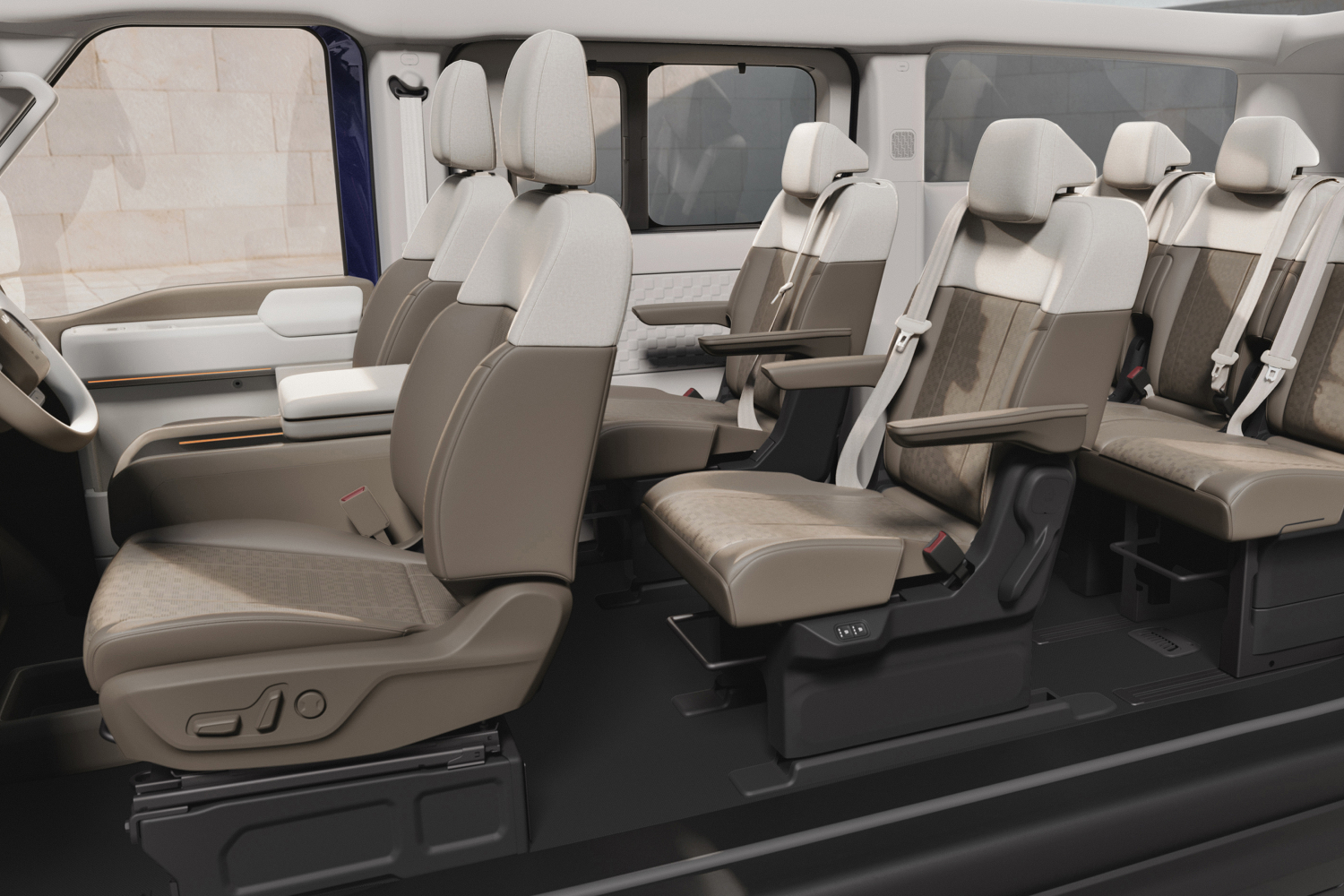
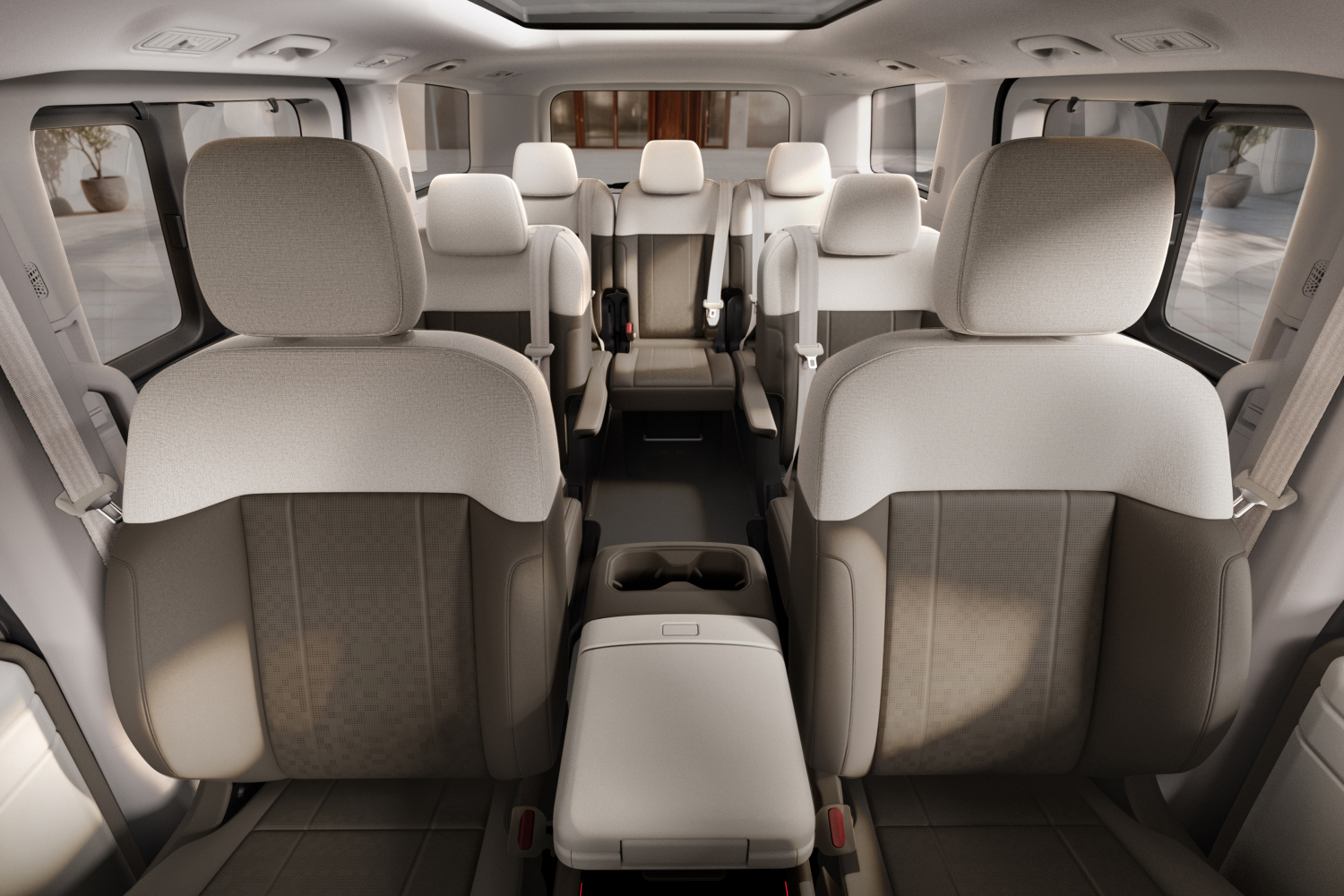
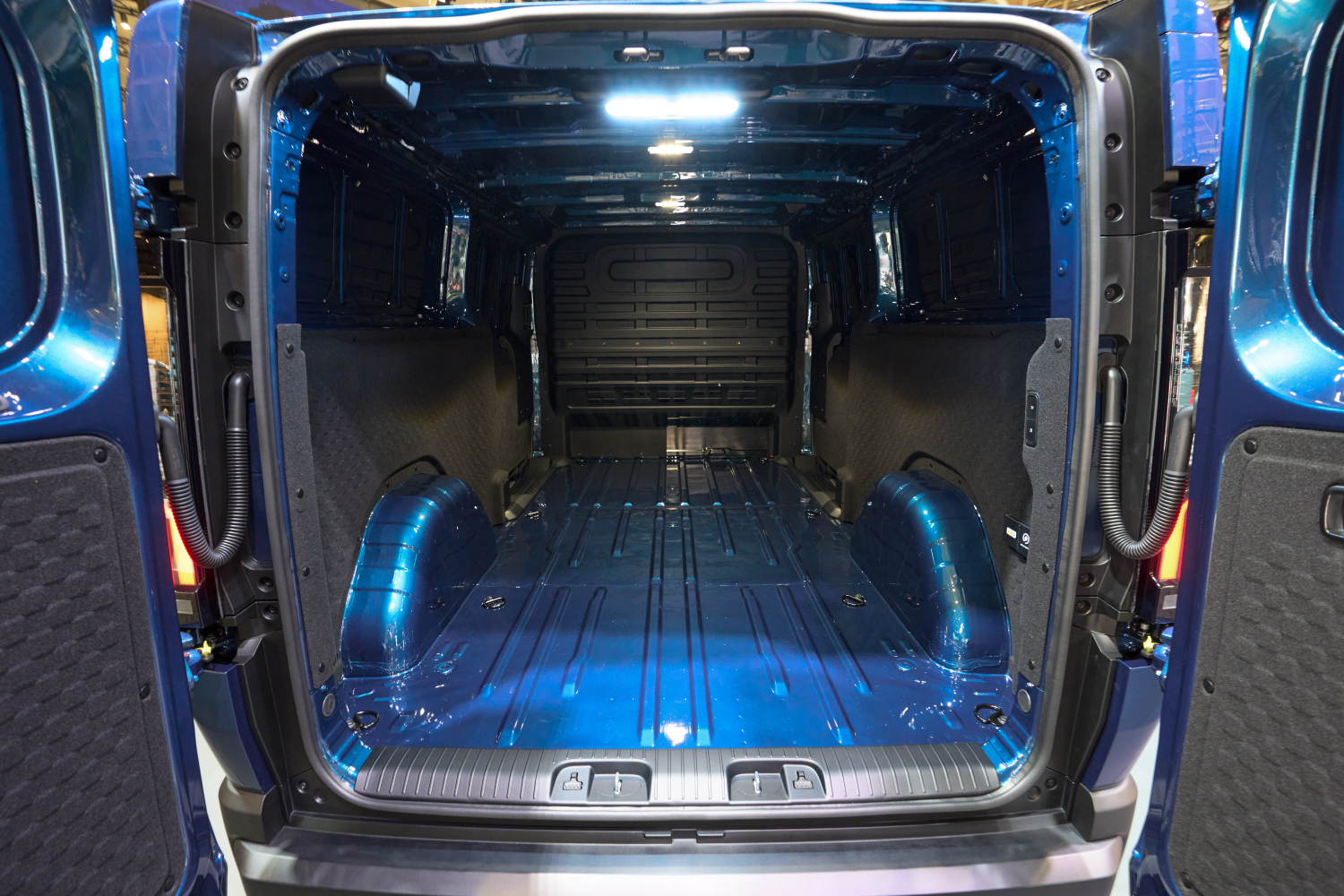
In comparison, the PV5 Passenger measures 4,695 mm long, 1,895 mm wide, and 1,915 mm high, with a 2,995 mm wheelbase.
Following the initial Passenger and Cargo models, Kia plans to introduce 23 PV7 variants. The PV7 will go on sale in Korea and Europe in the second half of 2027. Following that, it will roll out to global markets.
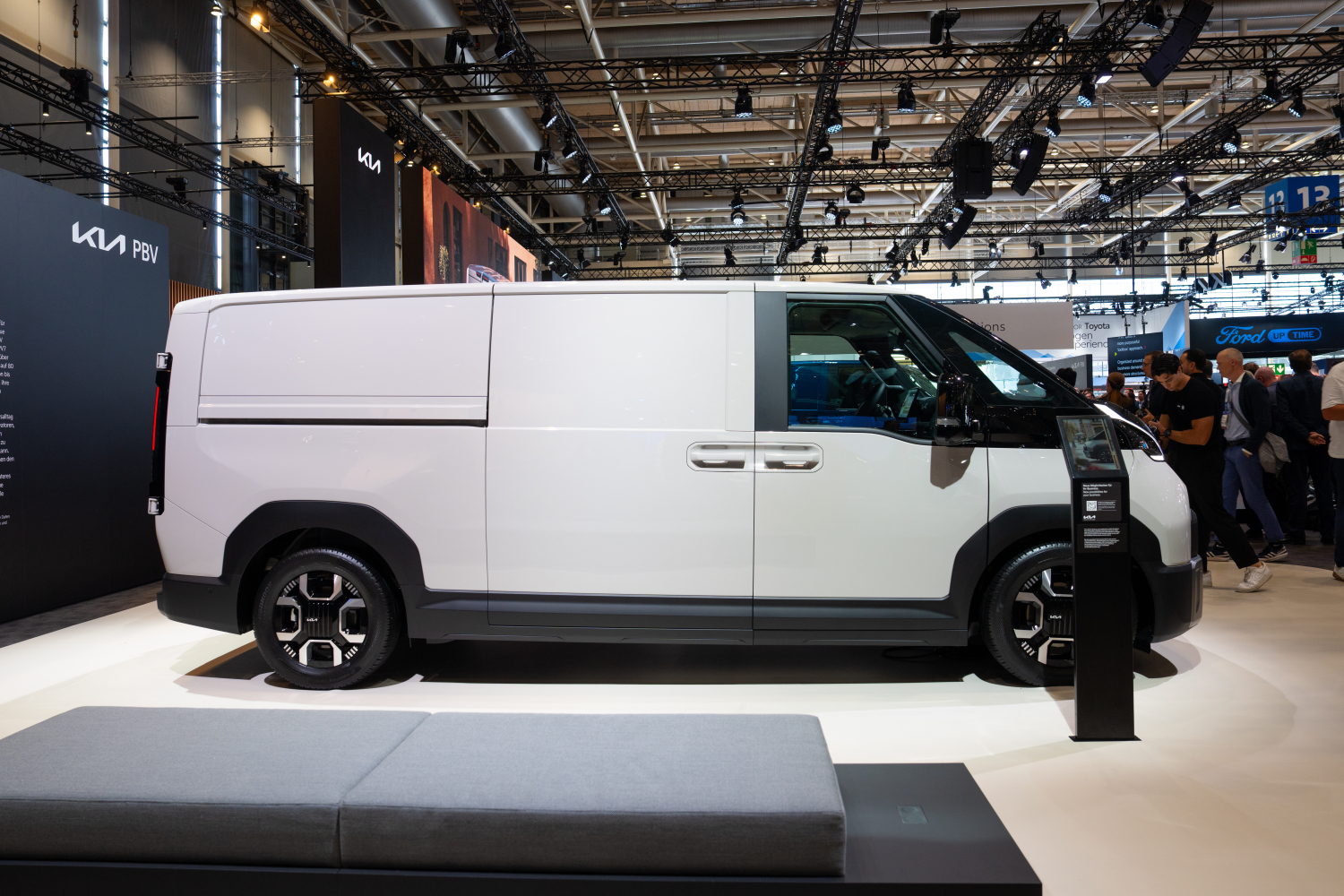
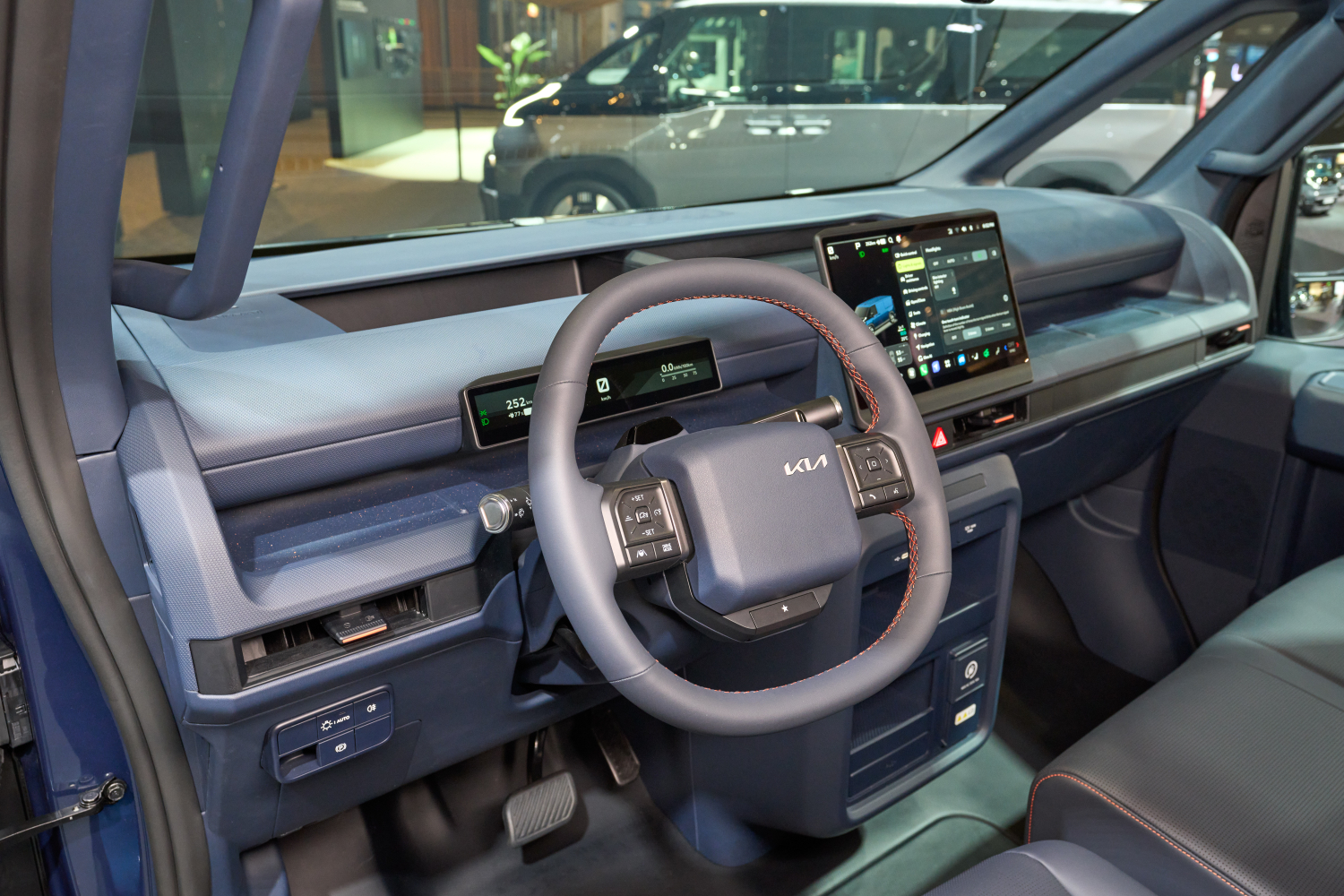
Will Kia bring the PV7 to the US? While it was recently spotted testing in the US, Song said it’s not “currently targeting the US because the long driving distances make it difficult to convert delivery vehicles to electric vehicles.”
Kia does plan to launch the larger electric van in other regions like the Middle East and Asia-Pacific, Song added.


FTC: We use income earning auto affiliate links. More.



Comments