
There’s a tough conversation happening in a lot of households right now. Teenagers want cool, fast electric bikes. Parents see viral crash videos and stories about reckless riding and understandably want nothing to do with it.
And both sides kind of have a point. Group riding and hanging out with friends are an important part of today’s teenage social dynamics, but those same teens can also be a danger to themselves or others when paired with a potent combination of the wrong bike and an underdeveloped prefrontal cortex. Now though, there’s a new wave of e-bikes coming that might just make the best compromise to keep both camps happy.
The reality is that today’s e-bike market is flooded with inexpensive high-speed models that can hit 28 mph or more with little oversight. In many cases, a teenager is just a few clicks away from ordering a bike online that’s faster than anything their parents realize. Some of these bikes are built well. Others… not so much.
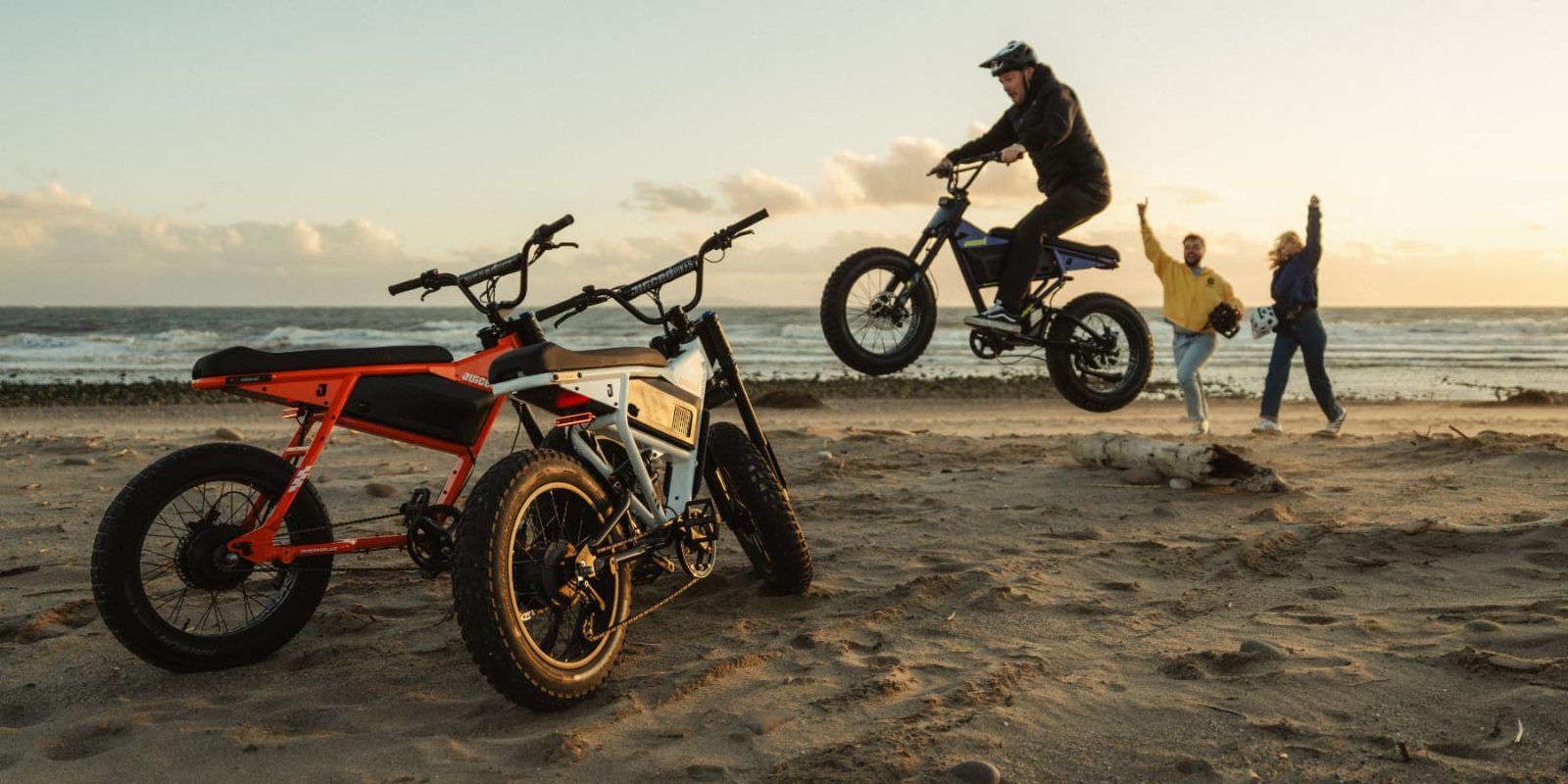
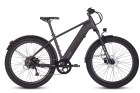
That’s why I think Juiced may have landed on one of the more interesting compromises I’ve seen in this category with the new Juiced Scrambler.
At first glance, it looks exactly like the kind of bike many teens are drawn to: moto-inspired styling, chunky tires, suspension, bright lighting, and enough power to feel exciting. But the standout feature isn’t actually the speed. It’s the parental controls.
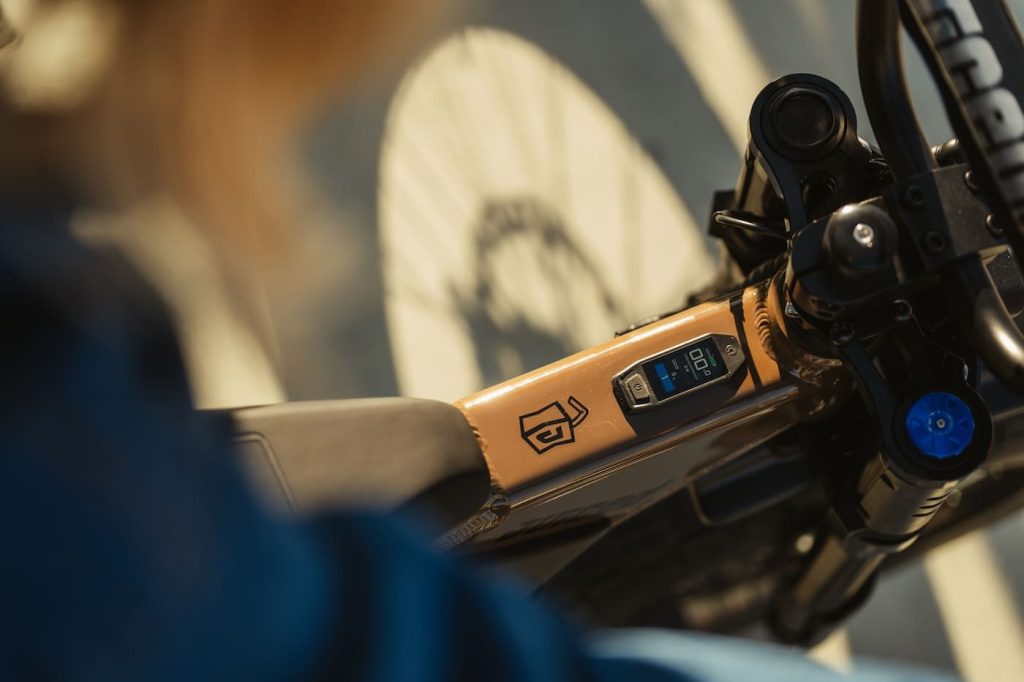
Juiced built the bike with a PIN-based speed-limiting system that lets parents lock the bike’s top speed at their desired levels. That means a parent can decide whether the bike tops out at lower speeds or is capable of higher-performance riding later as the rider gains experience and maturity.
And that touches on one of the key issues surrounding teens and e-bikes: Are they ready to handle the kind of speed most e-bikes are capable of? That answer is usually quite individual, and now an e-bike can match that individuality. Since some teens are more responsible than others, and some parents feel their kids can handle more than others, this feature lets parents dial it in just the way they’d like, and in a way that their kid can’t override later.
With safe riding, teens can even ‘earn’ higher speeds. Do well at 15 mph? Maybe Dad will unlock 18 or 20. Get all A’s this semester? Congrats, you’ve earned 22 mph. The sky is the limit! Well, technically 28 mph is the limit. But you get the idea.
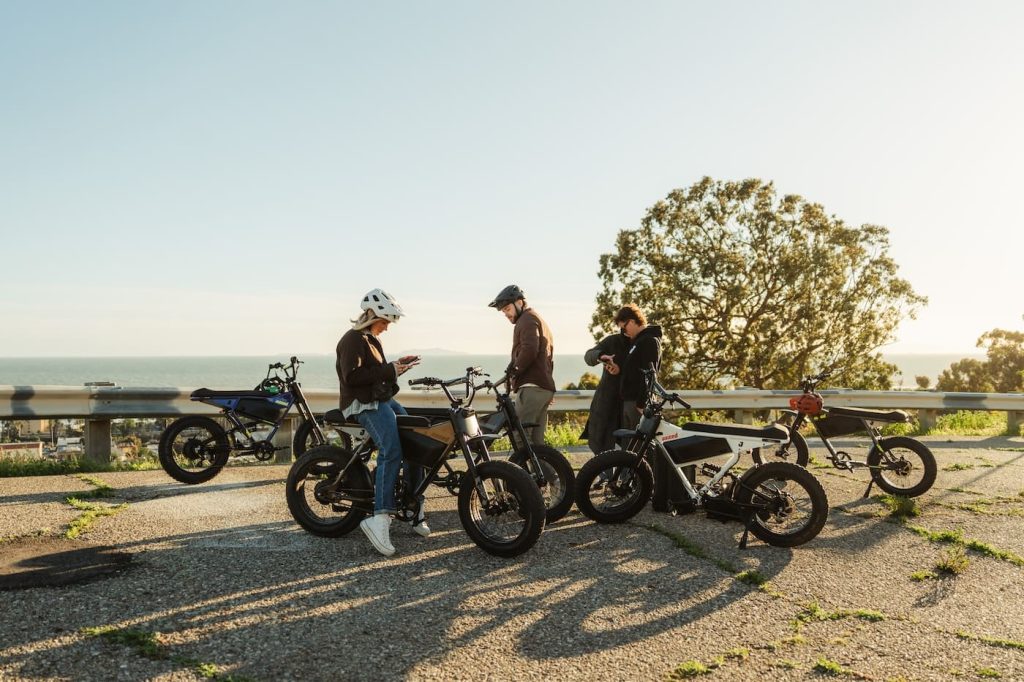
One of the biggest issues parents face with e-bikes is that restrictions are often easy to bypass. Kids are smart. YouTube tutorials exist. But requiring a PIN code to change ride modes gives parents a much more realistic level of control without completely killing the fun factor.
And I get it: kids want independence. They want to ride with friends. They want something that feels cool and gives them freedom without needing a ride everywhere. E-bikes can actually provide a lot of that in a healthy way. They get teens outdoors, give them mobility, and often become a social activity rather than another hour spent inside texting their friends while alone in their bedrooms.
The trick is finding a version of that independence that doesn’t force parents to surrender all oversight.
Top comment by Mrvc
Easily set up speed limits with an app is something the market needed. Some kind of telemetry could be interesting as well. With wholesale data prices they could probably offer something for $5 a month or even less. With some kind of parameters or even let them go a bit faster on dirt or grass areas vs pavement. Give the parents who worry alot something to get their kids outside too.
Beyond the parental controls, the Scrambler also seems to take safety more seriously than many cheap high-speed bikes flooding the market. It uses larger hydraulic brakes and suspension components that are more in line with light motorcycle hardware than bargain-bin bicycle parts. That doesn’t mean the bikes are motorcycles, but that they are built with safety components more in line with those of higher-performance bikes. With much of the hardware being overbuilt for the bike’s actual weight and speed, parents can rest a bit easier knowing that such levels of over-engineering are exactly what you want from a safety perspective.
It’s also relatively affordable compared to many premium e-bikes, which matters for families who don’t necessarily want to spend several thousand dollars on a teenager’s first electric ride. Starting at just $1,699, it offers better specs than most competitors, while also bringing higher-quality components to the table.
No e-bike is magically “safe,” of course. Responsible riding still matters. Helmets still matter. Supervision and maturity still matter. And perhaps most important, rider education matters. Local community rider training or online e-bike safety courses are some of the best tools for ensuring teenagers know the rules of the road and safe riding techniques that will ensure their e-biking is a success.
But if the choice is between a thoughtfully designed e-bike with actual parental controls versus an unrestricted mystery machine from Amazon, this feels like a much smarter middle ground.


FTC: We use income earning auto affiliate links. More.



Comments