
ESS is moving beyond its long-duration energy storage roots into the crowded short- and medium-duration battery storage market – but not with lithium.
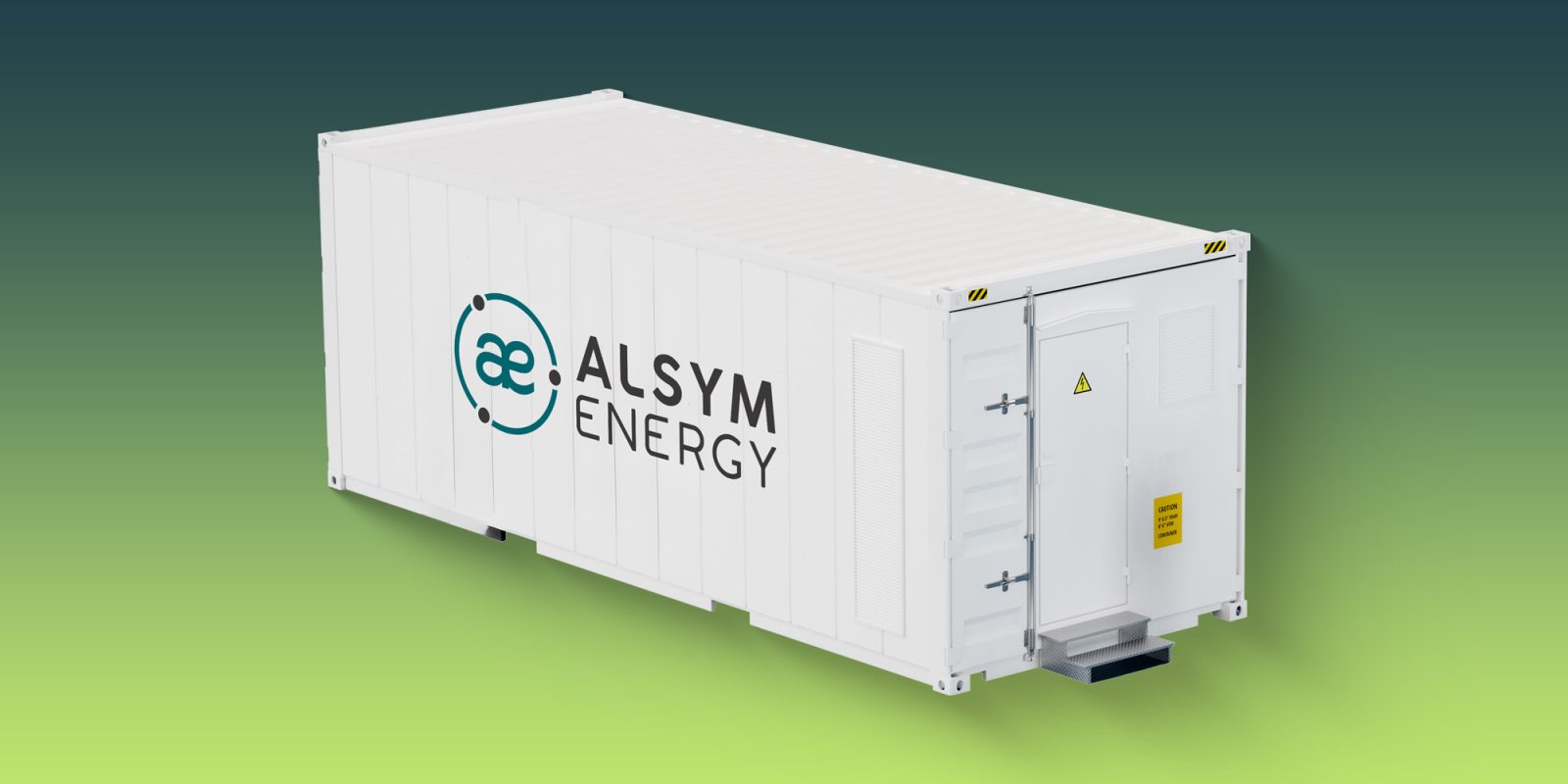
The Oregon-based company said it signed a letter of intent with Malden, Massachusetts-based Alsym Energy to add 8.5 gigawatt-hours (GWh) of sodium-ion battery cells and modules to its portfolio.
The move pushes ESS into short- and medium-duration battery storage – a segment where lithium-ion has long been the default – while building out a broader portfolio alongside its existing iron flow systems.
Why sodium-ion
Sodium-ion batteries are getting attention as a safer alternative to lithium-based chemistries. ESS says the technology it’s bringing in from Alsym is non-flammable and avoids the thermal runaway risks that have been a concern with lithium-ion systems.
That safety profile also means simpler installations. The companies say the batteries don’t need complex HVAC systems or extensive fire suppression, which lowers overall project costs.
Sodium-ion systems are designed for applications that require fast response, high power, and frequent cycling, such as smoothing renewable energy output over a few hours.
Filling the gap between hours and days
ESS built its business on iron flow batteries, designed for long-duration storage – typically 8 to 24 hours – for projects that need to shift energy across an entire day.
By adding sodium-ion to its portfolio, the company is targeting shorter-duration use cases that lithium-ion typically handles today. That gives ESS a way to cover a wider range of grid needs, from quick-response applications to longer energy shifting.
The idea is to let customers mix and match technologies depending on what a project needs, whether that’s balancing renewables over a few hours or storing energy across a full day.
Competing with lithium without using it
This partnership is also a clear play to position ESS as a non-lithium alternative in a market that’s heavily dependent on lithium supply chains.
The companies say the sodium-ion batteries use non-foreign entity of concern (“FEOC”) sourced materials, which could appeal to developers and utilities looking for more secure supply chains.
Alsym says its battery platform was developed using an AI-driven approach to accelerate development and bring products to market more quickly.
What it means
With sodium-ion covering short- and mid-duration storage and iron flow handling longer durations, ESS is trying to build a full-stack storage offering without using lithium at all.
That could resonate with utilities, independent power producers, data centers, and commercial customers who want flexibility in how they store and use energy, especially as renewables continue to grow and the grid needs more ways to balance supply and demand.
Read more: The AI power crunch sparks a 1.5 GWh sodium-ion battery deal
If you’ve ever considered going solar, make it easy by finding a trusted, reliable solar installer near you that offers competitive pricing by checking out EnergySage. It has hundreds of pre-vetted solar installers competing for your business, ensuring you get high-quality solutions and save 20-30% compared to going it alone. Plus, it’s free to use, and you won’t get sales calls until you select an installer and share your phone number with them.
Your personalized solar quotes are easy to compare online, and you’ll get access to unbiased Energy Advisors to help you every step of the way. Get started here.


FTC: We use income earning auto affiliate links. More.



Comments