
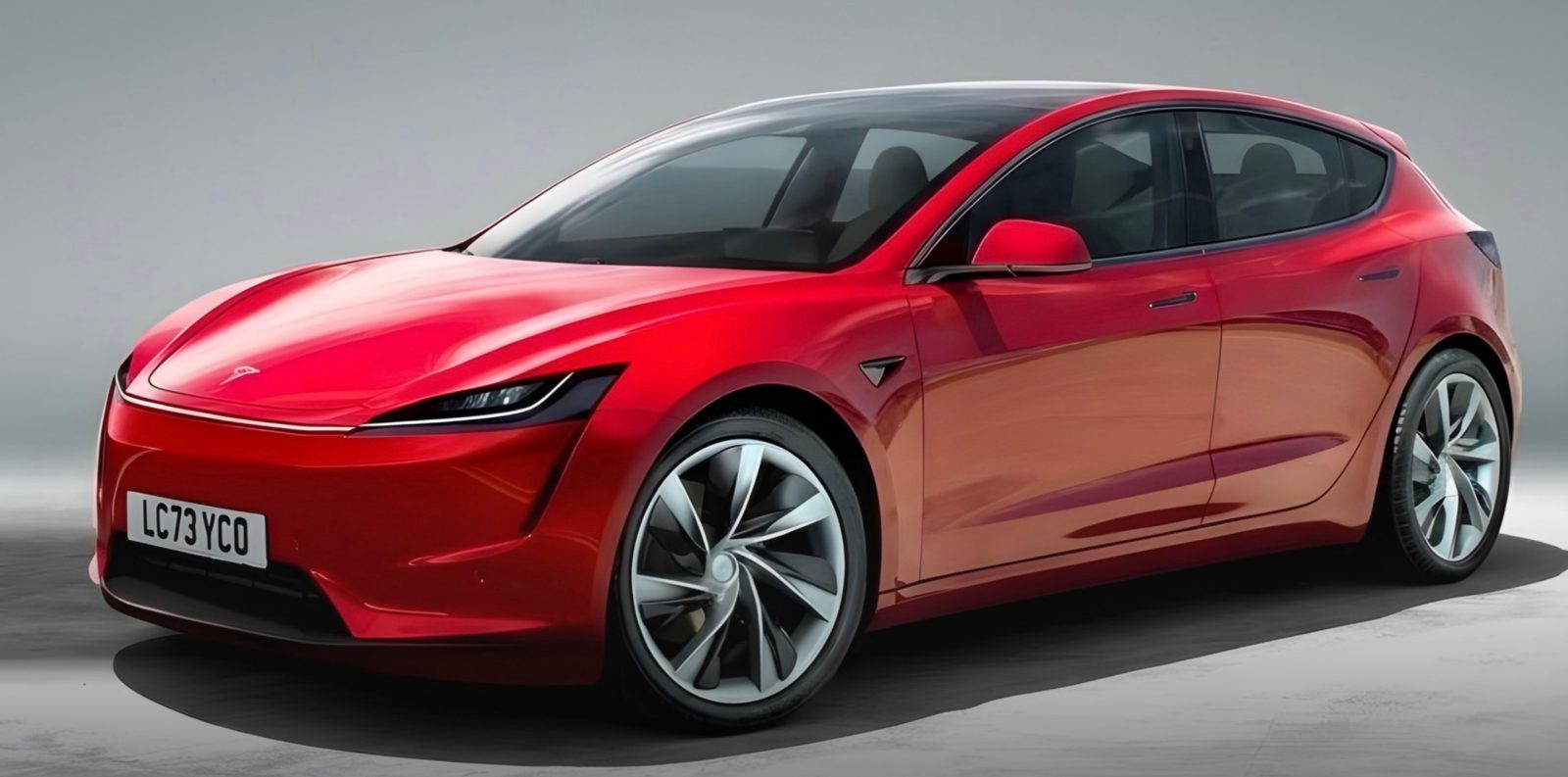
Tesla China has denied a Reuters report claiming the automaker is developing a new compact electric SUV. The denial comes just one day after we reported on the original Reuters exclusive citing four sources.
The denial was reported by Chinese financial wire Cailian Press (财联社), a major and well-established Chinese business news service. Tesla China told the outlet that “market information claiming that Tesla is developing a new, smaller, and cheaper electric SUV is inaccurate.”
What Tesla is denying
As we reported yesterday, Reuters cited four people familiar with the matter who said Tesla is developing an all-new compact SUV measuring approximately 4.28 meters in length — significantly shorter than the Model Y at 4.79 meters. The vehicle would use a smaller battery, a single electric motor, and weigh roughly 1.5 metric tons, with a price substantially below the Model 3’s $34,000 starting price in China.
Three of Reuters’ sources said the vehicle would be produced at Tesla’s Shanghai factory, with plans to eventually expand manufacturing to the US and Europe. The report noted that the project is at an early stage and production is unlikely to begin this year.
Tesla has a history of denying true reports
The denial is worth noting, but Tesla — and specifically CEO Elon Musk — has a track record of denying media reports that later turned out to be accurate.
The most relevant example involves this exact topic. In April 2024, Reuters reported that Tesla had scrapped its long-promised affordable electric car, codenamed NV9. Musk responded on X by saying “Reuters is lying (again).” But within weeks, reporting, including our own, confirmed that Tesla had indeed put the NV9 project on the back burner and redirected resources to the Robotaxi program. Senior Tesla executives were reportedly confused by Musk’s denial because they knew he had personally killed the project weeks earlier.
Tesla China has also previously denied reports that turned out to be accurate. In December 2024, Tesla China denied rumors about bringing the Cybertruck to China, only for the company to receive an energy consumption label from China’s Ministry of Industry and Information Technology just days later — a step in the homologation process needed to sell vehicles in the country.
That said, most of these high-profile denials have come from Musk himself rather than Tesla China’s communications team. This latest denial appears to come directly from Tesla China’s PR operations through Chinese media channels, which gives it a slightly different character.
Electrek’s Take
It would be pretty hilarious if one of the biggest positive reports about Tesla in years, Reuters claiming the automaker is finally building a cheaper EV after killing the Model 2, turns out to not even be true.
That said, I’d take this denial with a grain of salt. While I don’t completely trust Reuters, their Tesla reporting has had its misses, they have been more right than wrong about the automaker. If they have four sources on this, there’s probably something there. And even their own report made it clear that the new program is at an early stage, which gives Tesla plenty of room to deny it with a straight face. A project in early development with suppliers being contacted is real work, but it’s also the kind of thing a company can plausibly call “not true” because no formal production decision has been made.
We’ve seen this exact pattern before. Reuters reported the Model 2 cancellation. Musk called them liars. The report turned out to be substantially correct. Now Reuters reports a new compact SUV, and Tesla China calls it a rumor. The track record suggests skepticism toward the denial is warranted — especially when the alternative is believing that four independent sources all fabricated the same detailed story about a 4.28-meter SUV with specific weight and powertrain configurations.


FTC: We use income earning auto affiliate links. More.


Comments