
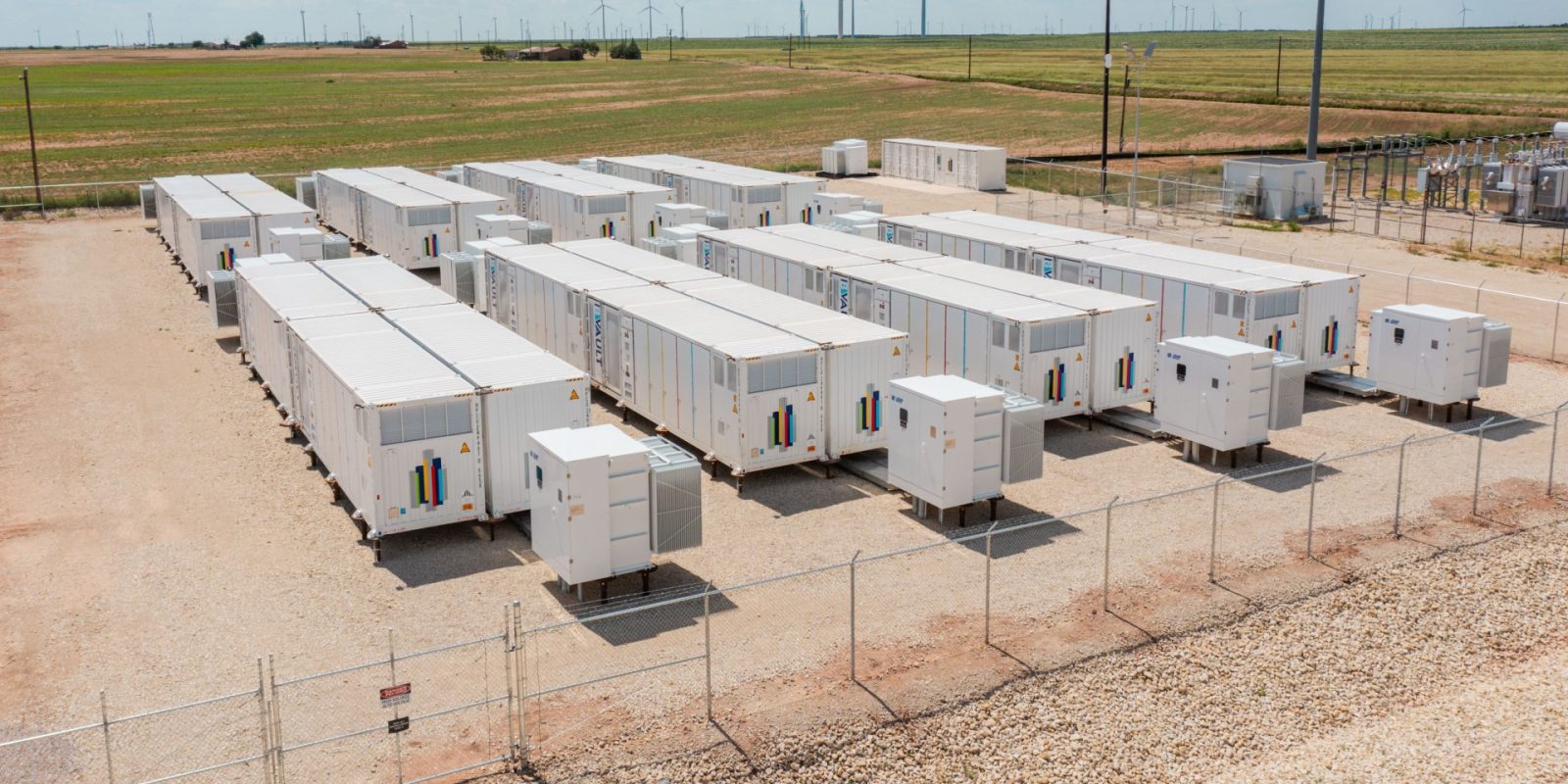
Utility-scale energy storage developer Energy Vault just signed a strategic agreement with Peak Energy, which manufactures sodium-ion energy battery storage systems, to build a battery platform specifically designed for “AI-first” data center operators.
The pitch is simple: AI training and inference create sharp, unpredictable power spikes. Most battery energy storage systems (BESS) were built for steadier grid loads. Energy Vault and Peak Energy say they’re designing a dedicated storage architecture that can handle that volatility from the start.
Sodium-ion instead of lithium-ion
The new system will combine Broomfield, Colorado-based Peak Energy’s sodium-ion battery technology with Energy Vault’s system design and its Vault OS software controls.
According to the companies, sodium-ion batteries offer higher safety and reliability than conventional lithium-ion BESS. The integrated design is intended to speed up deployment, lower upfront costs, and improve operational safety for data center operators dealing with high-volatility compute loads.
Westlake Village, California-based Energy Vault says the solution will be exclusive and will serve as a differentiator for its modular “powered shell” data center offering. Claimed benefits include simpler electrical design, less reliance on traditional uninterruptible power supply (UPS) systems, lower cooling requirements, and better handling of AI-driven load swings.
Energy Vault’s chief revenue officer, Marco Terruzzin, said the rapid growth of AI is exposing limits in conventional power infrastructure, but “this solution enables faster deployment, lower cost, and improved safety by combining Energy Vault’s integration platform with Peak’s sodium-ion technology.”
Alongside the development agreement, Energy Vault has signed a definitive supply agreement for 1.5 gigawatt-hours (GWh) of Peak Energy’s US-manufactured sodium-ion battery systems.
By securing a domestic supply, Energy Vault says both its grid-scale battery storage and AI-focused infrastructure projects are expected to qualify for Domestic Content Investment Tax Credits (ITC).
Peak Energy CEO Landon Mossburg said lowering energy costs is critical to competing in AI, and that sodium-ion offers a lower-cost, faster path to connecting data centers to the grid.
Everything runs through Vault OS
All Peak Energy systems deployed under the agreement will be integrated into Vault OS, Energy Vault’s technology-agnostic energy management platform.
Vault OS will manage the operating characteristics of the sodium-ion batteries, optimize dispatch, extend asset life, and maintain Energy Vault’s operational control of the systems.
Electrek’s Take
AI data centers are, of course, becoming one of the biggest new drivers of electricity demand in the US. That’s forcing developers to rethink generation and how they manage fast, unpredictable load swings.
Sodium-ion has long been pitched as a safer and potentially lower-cost alternative to lithium-ion, especially where energy density isn’t the top priority. In theory, data centers could be a logical fit.
But lithium-ion dominates the storage market for a reason: massive scale, established supply chains, and deep project finance track records. Bankability matters, especially for hyperscale data center operators making multibillion-dollar bets.
And more broadly, the AI power narrative is moving fast. Every storage and generation company now has an “AI-ready” pitch. The real question is whether sodium-ion can prove itself at scale, not just technically, but economically, before lithium-ion continues to drive costs even lower.
If Energy Vault and Peak Energy can demonstrate clear performance advantages under AI-style load volatility, that would be a real differentiator. Until then, this is a strategic bet, and not yet a market shift.
Read more: Peak Energy’s $500M deal will deploy the world’s largest sodium-ion battery system

If you’re looking to replace your old HVAC equipment, it’s always a good idea to get quotes from a few installers. To make sure you’re finding a trusted, reliable HVAC installer near you that offers competitive pricing on heat pumps, check out EnergySage. EnergySage is a free service that makes it easy for you to get a heat pump. They have pre-vetted heat pump installers competing for your business, ensuring you get high quality solutions. Plus, it’s free to use!
Your personalized heat pump quotes are easy to compare online and you’ll get access to unbiased Energy Advisors to help you every step of the way. Get started here. – *ad


FTC: We use income earning auto affiliate links. More.



Comments