
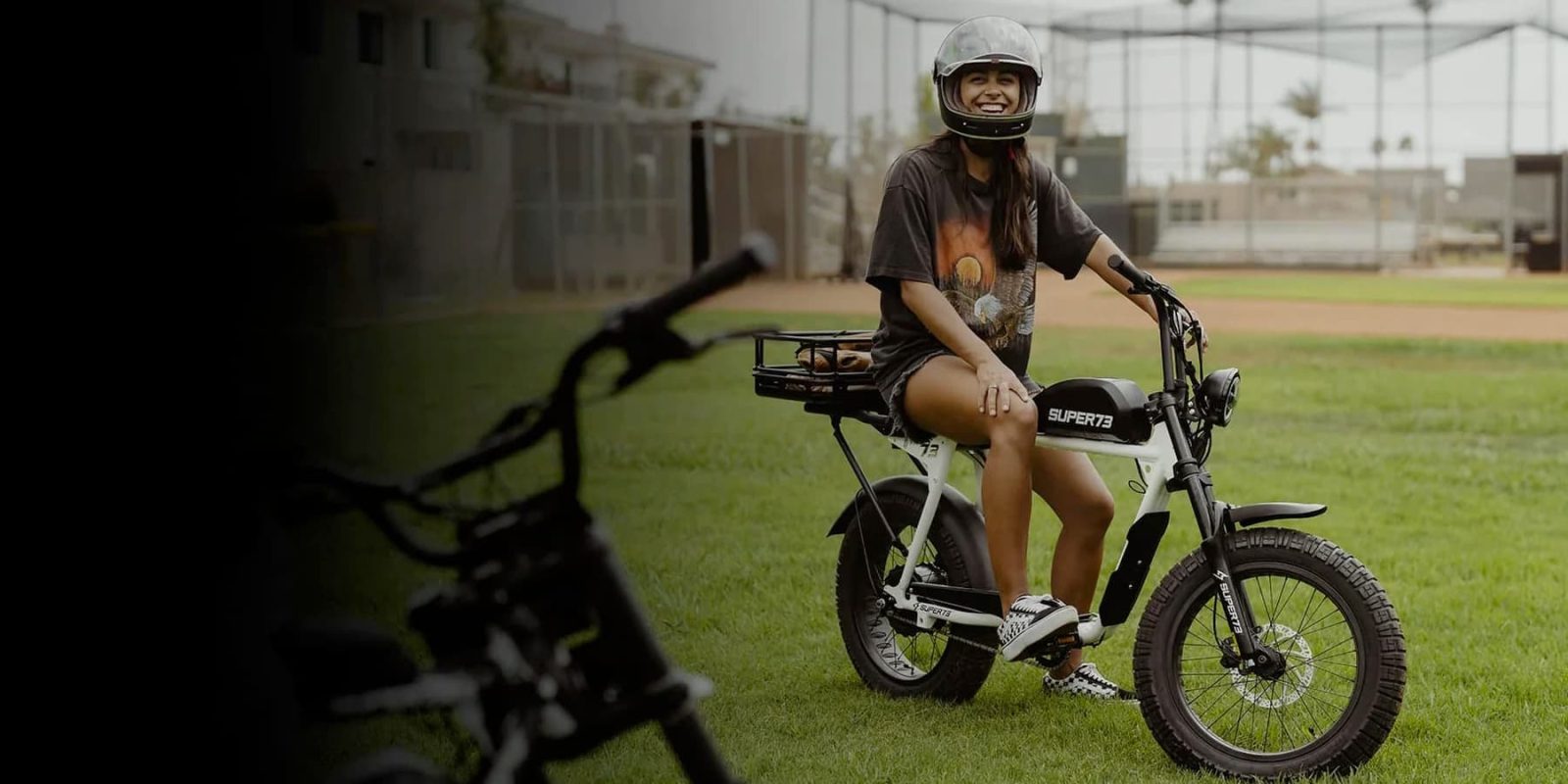
Across the US, the e-bike policy map is starting to look oddly contradictory. In some states, lawmakers are responding to the rise of high-powered, moped-like electric bikes by reaching for blunt instruments: licensing requirements, insurance mandates, registration schemes, and laws that effectively treat e-bikes like motorcycles. New Jersey’s recent move to scrap the widely adopted three-class system in favor of motor-vehicle-style regulation is a prime example of how quickly a state can go from “e-bikes are the future” to “please don’t ride one at all.”
But while some states clamp down, a few shining examples have arisen, demonstrating that common sense legislation can help promote the use of e-bikes while also reining in bad riding behavior and non-street legal models. Oregon’s proposed new law fully embodies that idea of balance that serves riders and non-riders alike, keeping streets and sidewalks safe while also encouraging younger riders to get started early.
A new proposal, House Bill 4007, doesn’t pretend that the e-bike market is problem-free. Instead, it tries to fix the real issues while still acknowledging a basic truth: kids are already riding electric bikes, and pretending otherwise just leaves them uneducated and unprotected.
Lowering the age to raise safety
One of the headline changes in HB 4007 is lowering the legal e-bike riding age from 16 to 14 for Class 1 e-bikes and e-scooters capped at 20 mph, with a helmet requirement for riders under 16. At first glance, critics might see that as letting younger teens loose on electric bikes. But the logic runs in the opposite direction.
Under current Oregon law, Class 1 e-bikes are treated so restrictively that schools can’t even legally teach e-bike safety to the age group most eager to learn. If you can’t ride one until 16, you also can’t be formally educated about them at 14 or 15. HB 4007 removes that paradox. By making e-bike use legal earlier, it opens the door for structured education programs, school-based training, and clearer guidance for families before bad habits form.
“There are a lot of kids excited about these bikes and we want to facilitate using them safely, and now there’s not a lot of clarity in the market to help families make good decisions,” explained political consultant Jake Weigler to Bike Portland.
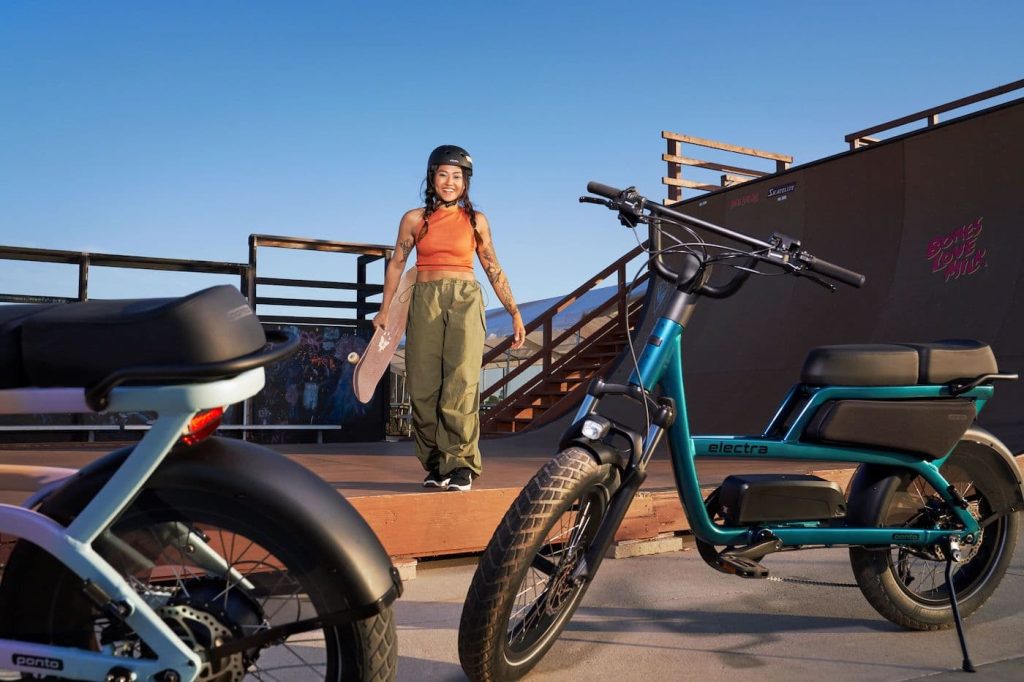
The bill also tackles the confusion created by a flood of products marketed as “e-bikes” that are anything but. HB 4007 introduces penalties for selling impostor vehicles, targeting electric motorcycles and high-speed e-motos masquerading as bicycles.
That kind of mislabeling has fueled safety fears nationwide and helped justify harsh crackdowns elsewhere, including in New Jersey.
Battery safety is another focus. Retailers would be prohibited from selling untested or uncertified batteries, a move aimed squarely at reducing fire risks without punishing legitimate riders.
Perhaps the most forward-looking element of the bill is the creation of a new legal category for powered micromobility devices. OneWheels, electric skateboards, seated scooters “micro e-bikes” like Jackrabbits, and other less common rideables like electric unicycles don’t fit neatly into existing bike or motor vehicle definitions, and Oregon is acknowledging that reality instead of ignoring it. By defining these devices and explicitly allowing them in bike lanes and paths, the state is encouraging legal, predictable use rather than pushing riders into gray areas.
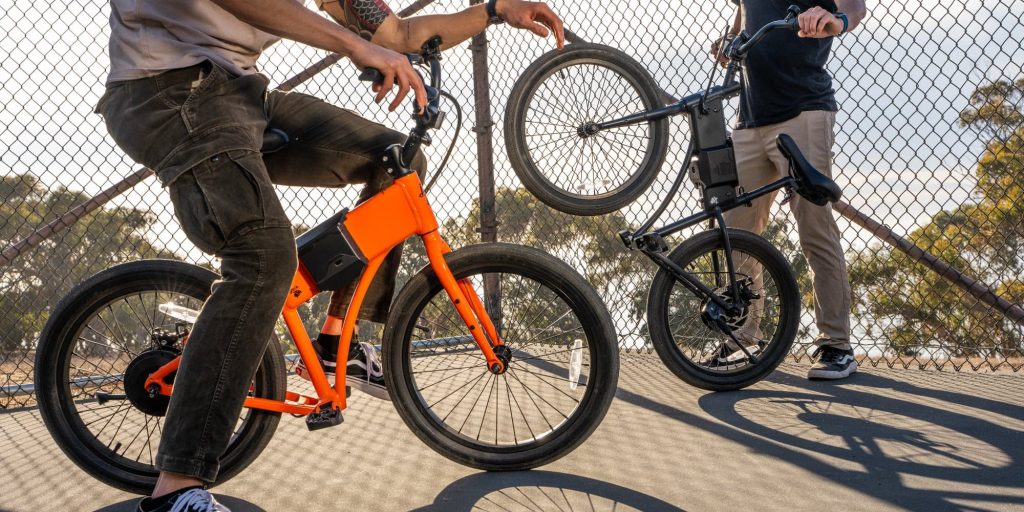
Where some states respond to micromobility growth by restricting it into irrelevance, Oregon is trying to guide it into maturity. HB 4007 recognizes that safer streets don’t come from banning technology, but from setting clear rules, educating riders early, and distinguishing bicycles from motorcycles instead of lumping everything together.
If lawmakers are serious about safety, this kind of nuanced approach may end up protecting kids far better than laws that simply tell them to stay off e-bikes altogether. The proposed bill is receiving support to hopefully make it over the line this legislative session, and could mark an example of more common sense legislation for other states looking to regulate electric bicycles while still encouraging their use.


FTC: We use income earning auto affiliate links. More.


Comments