
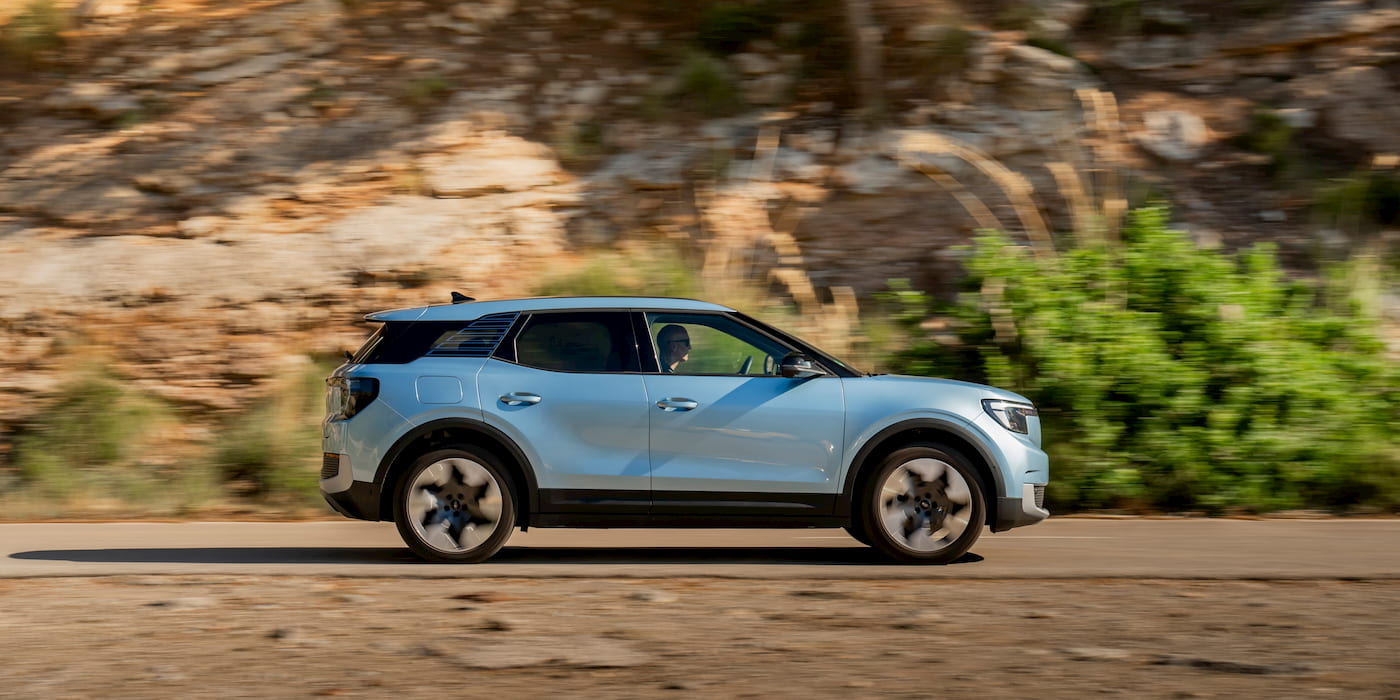
Ford updated the Explorer and Capri Standard Range EVs with a new LFP battery and electric motor. The changes unlock longer driving ranges, more power, and what’s expected to be a lower price tag.
Ford Explorer and Capri get a new battery and EV motor
The electric Ford Explorer and Capri, both built on Volkswagen’s MEB platform, received a few key improvements.
Ford introduced the updated entry-level Explorer and Capri EVs on Wednesday with a new lithium-iron phosphate (LFP) battery and an improved electric motor.
The enhancements increase driving range by up to 70 km (43 miles) and boost torque for quicker acceleration. Ford also said drivers can charge more frequently to 100% with less battery degradation.
Both the Explorer and Capri can now drive over 400 km (248 miles) on a full charge. The electric Explorer Standard Range model now offers a WLTP driving range of up to 444 km (275 miles), while the Capri Standard Range can now drive up to 464 km (288 miles). Both received a 17% improvement in range from the updates.
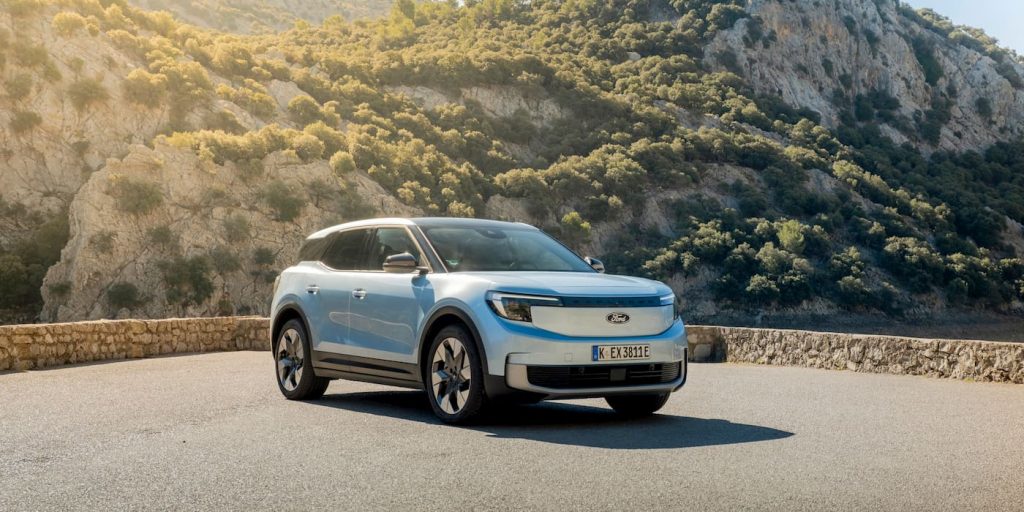
The enhanced electric motor provides up to 190 PS and 350 Nm of max torque. Both models can now accelerate from 0-100 km/h (0-62 mph) in 8 seconds, down from 8.7 seconds.
Ford didn’t reveal prices, but swapping the nickel-manganese-cobalt (NMC) batteries for LFP should help cut costs, enabling it to pass the savings on to buyers.
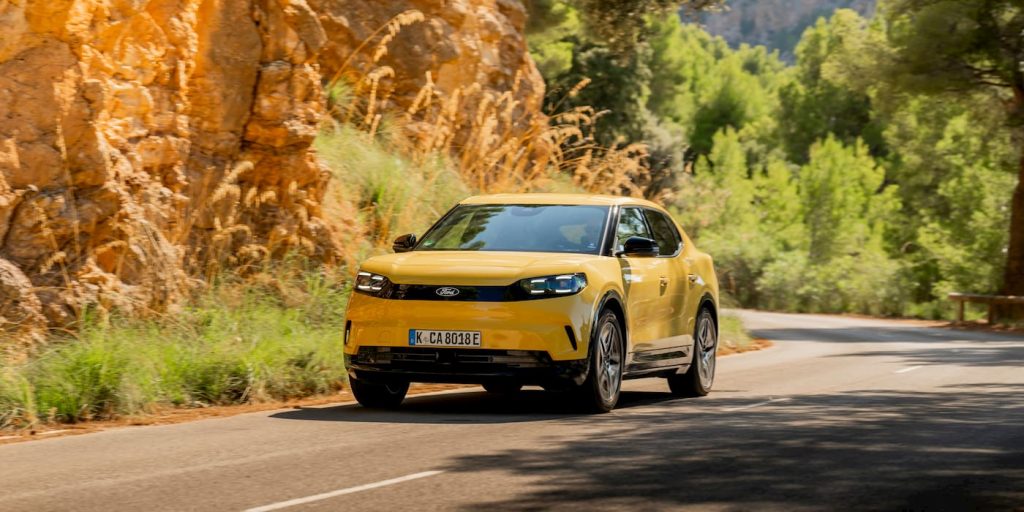
Stefan Tinnemann, senior communications manager at Ford Model e Europe, said, “By refining the battery and motor technology, it ensures that even the most affordable standard range models deliver the unique driving appeal and capacity for adventure that customers expect.”
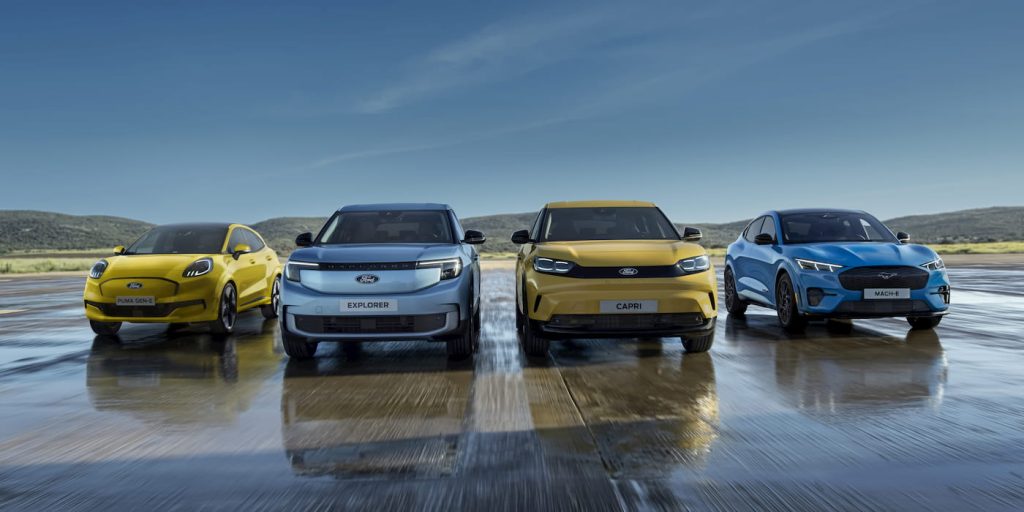
Ford’s electric vehicle lineup in Europe includes the Explorer, Capri, Mustang Mach-E, Puma Gen-E, and E-Tourneo Corrier.
“We know we’re in a fight for our lives,” Ford’s CEO Jim Farley said after announcing a new partnership with Renault to develop more affordable EVs last month. Farley said the Renault collaboration is “a first step” as Ford aims to revamp the brand in Europe.
Electrek’s Take
With lower-cost, oftentimes more advanced EVs launching, Ford has struggled to keep pace in Europe as brands like BYD continue to steal market share.
The American automaker is in the middle of a restructuring in Europe, where it has leaned heavily on its partnership with Volkswagen and is now turning to Renault to help it compete.
Its latest partnership will result in two new Ford-branded electric vehicles based on Renault’s Ampere platform. The first of which is expected to be an electric successor to the Fiesta, while the second is rumoured to be a smaller EV crossover, much like the Renault 4.
The first vehicles are expected to arrive in showrooms, starting in 2028. Although Ford didn’t reveal specifics, Farley told reporters that they will be smaller than anything the company has planned for the US.
“As an American company, we see Europe as the frontline in the global transformation of our industry,” Farley said, adding, “how we compete here will write the playbook for the next generation.”
Meanwhile, in the US, Ford is discontinuing the F-150 Lightning, America’s best-selling electric pickup, and plans to replace it with a next-gen extended-range electric vehicle (EREV).


FTC: We use income earning auto affiliate links. More.


Comments