
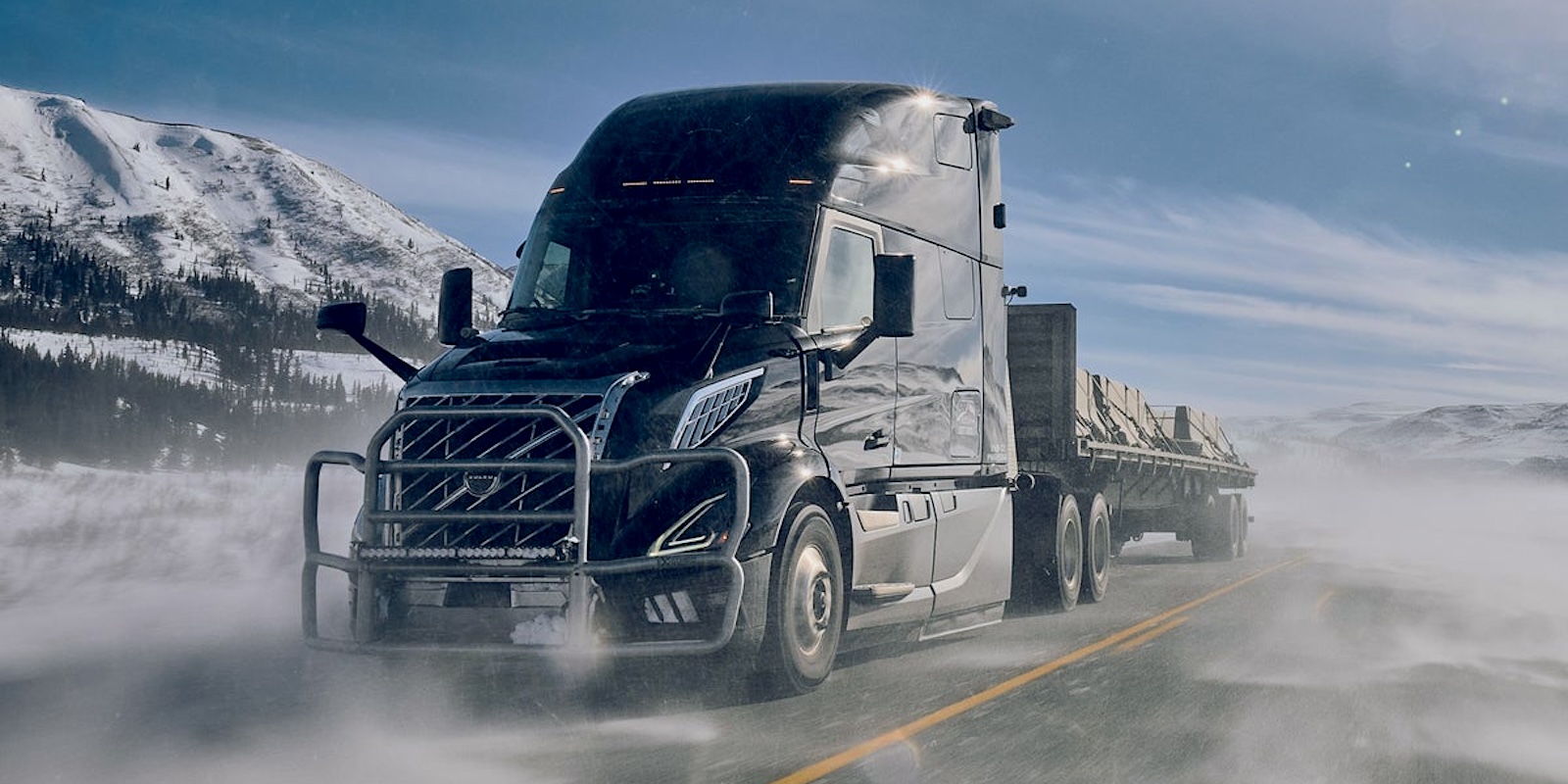
Fleet managers don’t get paid to argue on Facebook. They get paid to look at the numbers, and make decisions in the best financial interests of their companies. According to studies that follow real-world fleets in the most extreme, cold-weather conditions in America, EVs don’t just survive — they thrive, beating out diesel on the balance sheet.
Backed by an NREL study that explored how EVs and EVSE perform in temperatures as low as -40 degrees C (-40 degrees F), researchers from the University of Alaska collected data from drivers in Kotzebue, Galena, and Bethel to determine where and how electric vehicles may be most useful. The study was called, “Are Electric Vehicles a Solution for Arctic Isolated Microgrid Communities?” When the crunching was done, the numbers were brutal for diesel: even in some of the coldest, most remote operating conditions in the world, electric vehicles delivered lower total operating costs than diesel once fuel, idling, block heaters, maintenance, and downtime were fully accounted for.
In only four of the 21 EV use cases, net fueling costs increased with a switch to EV, mainly in communities with less renewable energy and consequently higher electric rates (not subsidized rate), and for vehicles with short daily driving distances, low block heater use, and short warm idling.
That said, just because EVs can win on cost and reliability in bitterly cold conditions, there’s a lot more nuance here than just, “EVs are better.”
Confidence is one issue
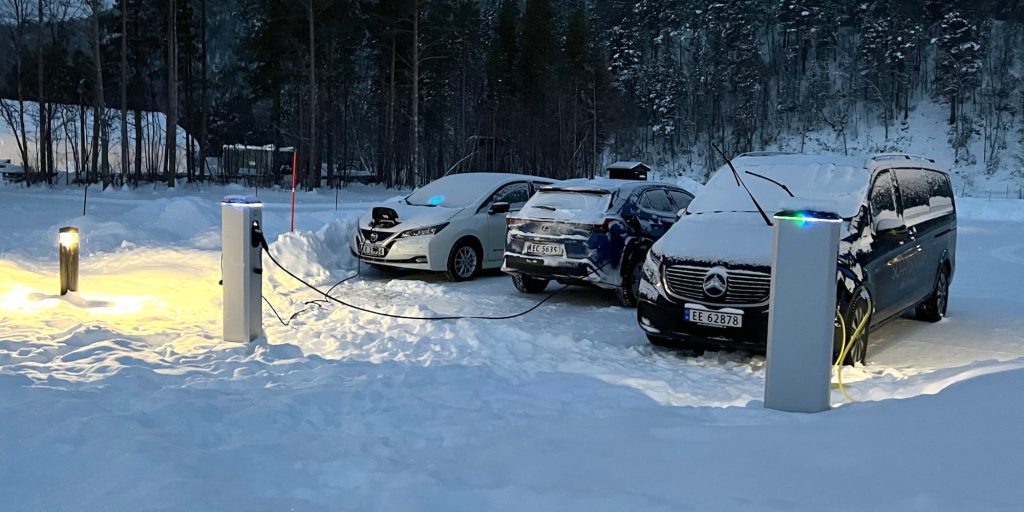
Just about every EV critic will tell you that driving range drop as the mercury plunges and charging takes longer when batteries are frigid. That’s true, but it’s not a phenomenon unique to electric vehicles. Combustion engines also lose efficiency in extreme heat and cold, and diesel fleets in particular rely heavily on 0 mpg idling, external engine block heaters, and winterized fuel to stay operational. That’s all downtime. Worse, it’s downtime for the vehicles while you pay your people to stand around and watch them warm up.
The real difference, then, is familiarity. Fleet managers are confident they can count on diesel pumps to top off vehicles in minutes, while electric fleets require planning — route analysis, charging schedules, and infrastructure deployment.
For many operators, especially in the frozen north, that lack of confidence in existing EV charging infrastructure to have electrons ready when and where they need them is a big part of what’s holding them back.
Duty cycles are another
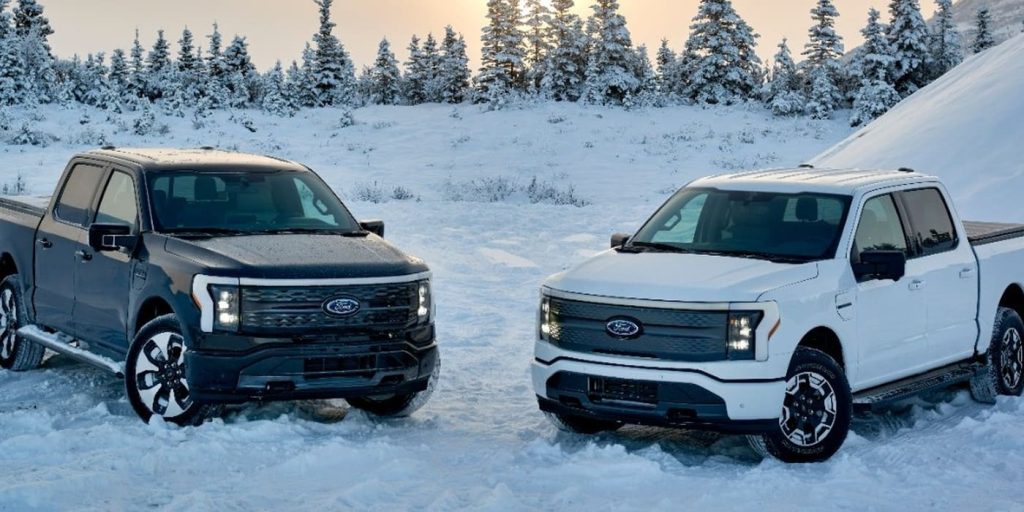
The University of Alaska study found that the short commutes in these communities put a high energy cost on getting passenger cabins warm – either in terms of idling time (ICE) or battery power (EV), increasing costs in either case and significantly raising harmful emissions in the case of ICE, making this one a bit of a draw, with ICE having a bit of an edge over electrics in very short cold-weather commutes.
That’s when the vehicles were stored outside. Storing vehicles indoors, meanwhile, significantly improved things for EVs:
The findings indicate that EVs can successfully function in extreme cold, though efficiency is significantly affected. Vehicles stored in heated environments outperformed those stored outdoors, with efficiency dropping by up to 69% for outdoor storage. Despite these challenges, none of the vehicles experienced failures that prevented travel. Storing EVs indoors led to benefits such as faster preconditioning and improved efficiency, while charging in extreme cold, though slower, remained functional.
The study also showed that high-utilization/high-mileage fleets like ride-shares, taxis, and last-mile delivery vans benefited the most from electrification. As daily operating hours and the miles driven increased and temperatures dropped, EVs consistently outperformed diesel.
The methodology used

Above, you’ll find the methodological workflow summarizing the inputs and outputs of the analysis detailed in the University of Alaska study. The study is commendable for its collection of real-world fuel use by ICE vehicles, as opposed to other fleet analysises (analyses?) that rely more heavily on EPA range and fuel economy estimates that don’t factor in idling time and weather “hits” on ICE vehicles’ fuel economy.
The study quantifies some of the anecdotal evidence we’ve collected from school bus fleets operating in extreme cold, where diesel buses failed to start entirely in some cases, and echoes the sentiments of a number of seasoned EV owners who will tell anyone willing to listen about the benefits of preconditioning their vehicles for winter drives.
You can read the studies mentioned in this article yourself using the source links, below, then let us know your thoughts in the comments section at the bottom of the page.
SOURCES: NREL, MDPI, via EVInfo.

If you’re considering going solar, it’s always a good idea to get quotes from a few installers. To make sure you find a trusted, reliable solar installer near you that offers competitive pricing, check out EnergySage, a free service that makes it easy for you to go solar. It has hundreds of pre-vetted solar installers competing for your business, ensuring you get high-quality solutions and save 20-30% compared to going it alone. Plus, it’s free to use, and you won’t get sales calls until you select an installer and share your phone number with them.
Your personalized solar quotes are easy to compare online and you’ll get access to unbiased Energy Advisors to help you every step of the way. Get started here.


FTC: We use income earning auto affiliate links. More.



Comments