
Sometimes innovation isn’t simply about going faster or adding more tech. Sometimes it’s as simple as giving people a seat.
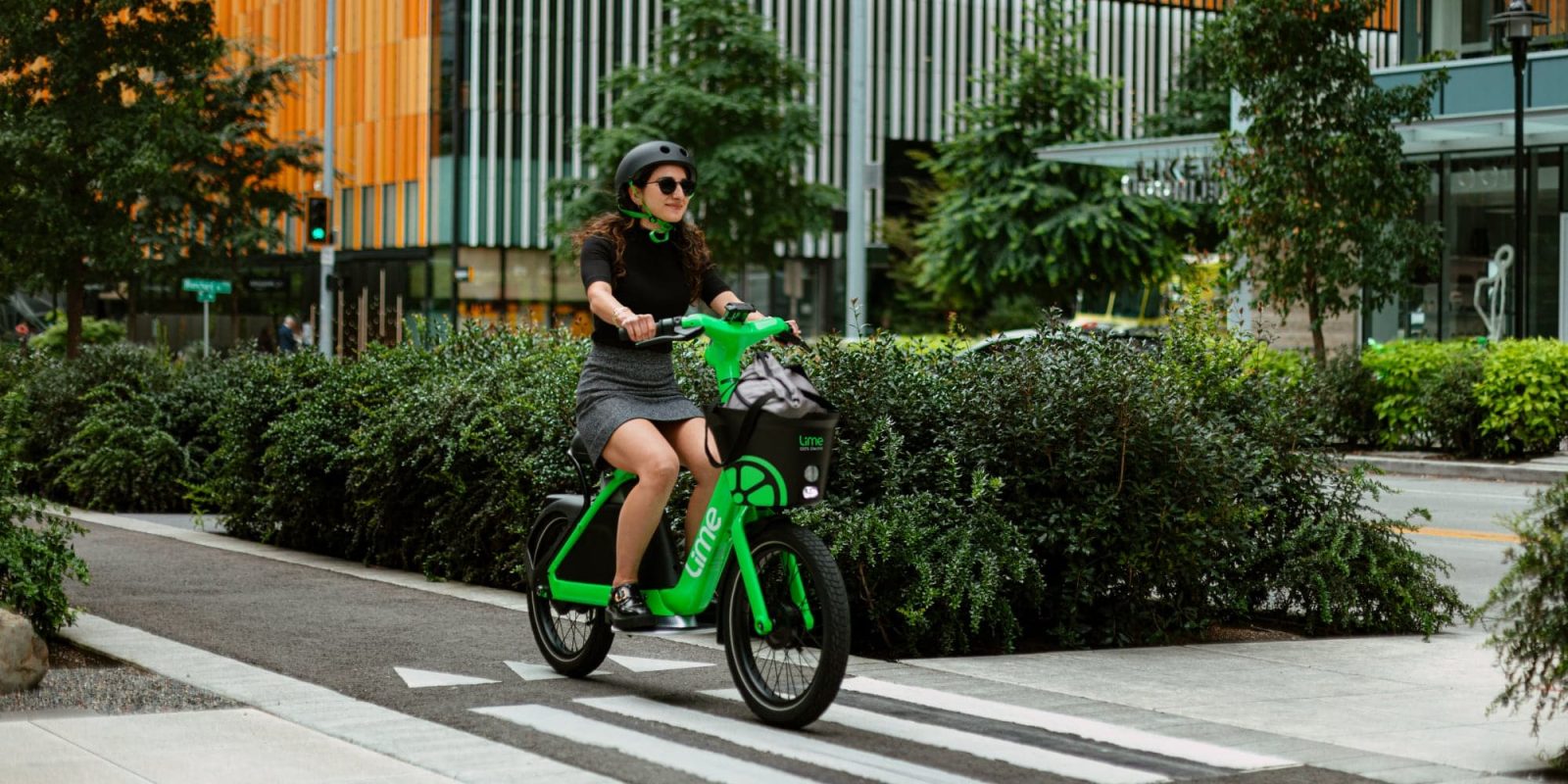
That appears to be the case in Seattle, where Lime says its ridership jumped by an eye-opening 61% last year. According to the company, a major contributor to that growth was the LimeGlider – a seated electric scooter that blends elements of scooters, bikes, and mopeds into a single, highly approachable form factor.
The LimeGlider ditches pedals entirely, but adds a proper seat and a more stable riding position. The result is something that feels less like a stand-up scooter and more like a low-speed Vespa-style runabout. Riders still get the convenience of throttle-only operation, but without the fatigue, balance concerns, or discomfort that can come with standing for longer trips. With many Lime users falling more into the “casual rider” group as opposed to lifelong cyclists or scooter riders, that added stability that comes with a comfortable seat and the ability to put their feet down gives a boost of confidence.
And that confidence factor matters more than it might seem. Seated micromobility opens the door to riders who may not feel as stable standing on a scooter or who don’t want to pedal an e-bike. It’s also simply more pleasant for longer urban trips, errands, or commuting across uneven pavement. In practice, the LimeGlider sits neatly between a traditional scooter and an e-bike as a familiar, unintimidating, and easy to use alternative.

Seattle’s role in Lime’s growth story shouldn’t be overlooked either. The city has been notably supportive of shared micromobility, including the installation of more than 200 new designated parking corrals. Those corrals help reduce sidewalk clutter, address one of the biggest criticisms of shared scooters, and make it easier for riders to end trips responsibly without hunting for a legal parking spot.
The combination of better infrastructure and better vehicle design appears to be paying off. By making shared micromobility more comfortable and easier to use, while also addressing real-world concerns like parking, Lime has managed to significantly expand its rider base in a mature US market.
It’s a useful reminder that growing micromobility adoption isn’t always about radical reinvention. Sometimes, letting people sit down is enough to get a lot more of them moving.


FTC: We use income earning auto affiliate links. More.

Comments