
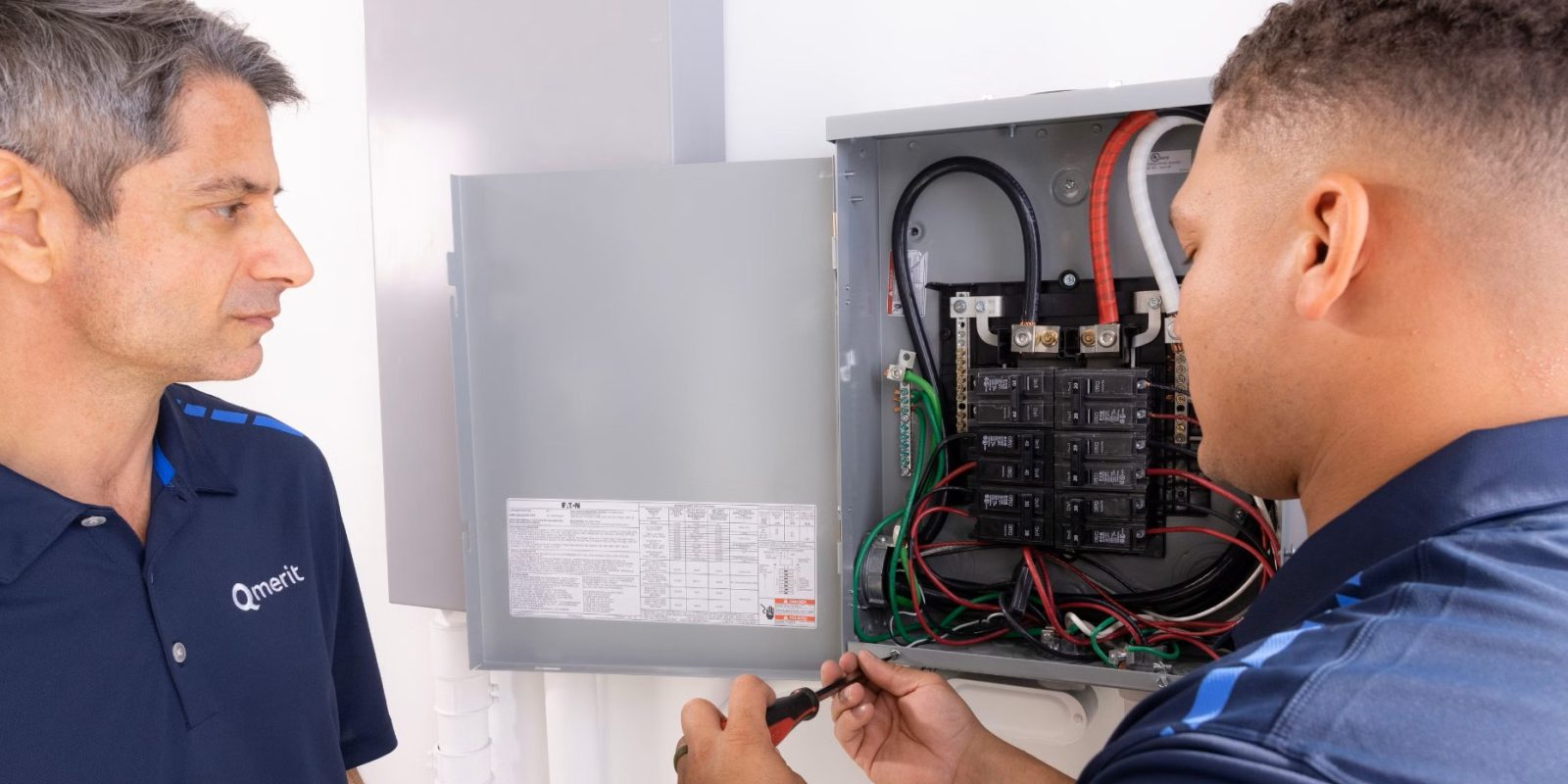
Adding a rooftop solar array to your home or business can be exciting and expensive. As such, it might be tempting to cut corners to keep costs down — but some upgrades are simply much cheaper to do while your solar system is being installed than they are to add later, and we’ve got some prime examples right here.
Just like it’s often cheaper for your mechanic to handle small add-on jobs while the bumper is already off and the engine is already exposed, there are a handful of home energy upgrades that are far easier and less expensive to take while your solar system is being installed that they would be later, if only because that work often means reopening permits, calling electricians back out, or even removing and reinstalling panels — all of which adds labor hours that can get really expensive really fast fast.
To help you navigate which jobs may be worth doing now, here’s a list of common upgrades home solar customers commonly regret skipping:
1. Panel upgrades
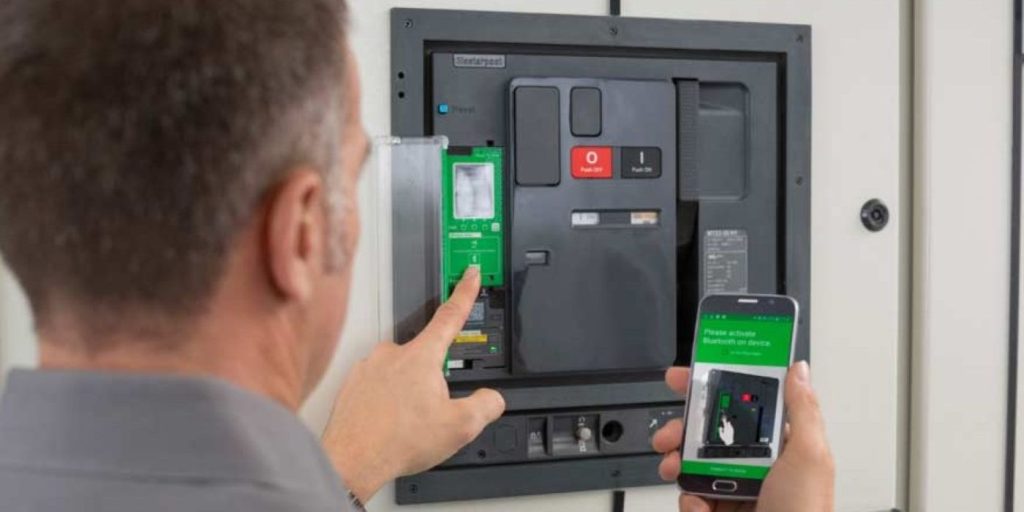
My solar panels work fine … but now I can’t add an EV, heat pump, or backup battery without redoing everything.
PEOPLE WHO SKIP THIS STEP
Even if your home solar setup is working perfectly, skipping a panel or service upgrade can create headaches down the road for homeowners looking to electrify everything, eventually. Upgrading from a 60A to a 100 or 200A service is a no-brainer, and installing a smart panel (like those available from Leviton, Schneider, or SPAN) and adding load-shedding capabilities for future electrification projects makes a ton of sense while your electricians are already there.
Plus, making these changes often requires shutting down the solar array, reopening permits, and calling in the electricians again once the system is live — disruptive and expensive costs that are much easier to handle during the initial installation.
2. Battery-ready electrical (without a battery)
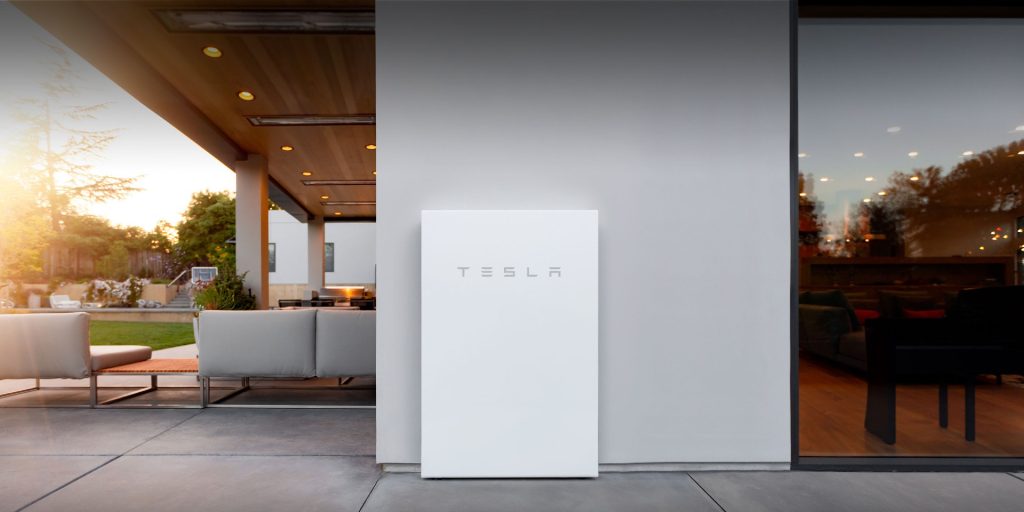
I didn’t think I’d need a battery … until we started getting more outages, our utility started TOU rates, and an EV showed up in my garage.
PEOPLE WHO SKIP THIS STEP
Even if you’re not installing a battery now, homeowners who skip the steps needed to make their homes “battery-ready” often regret not pre-installing a transfer switch, leaving space for battery breakers, or choosing a battery-compatible inverter. Once the system is live, adding these features usually means fresh permits, scheduling another building inspection, and paying for duplicate electrician labor — all before you even purchase a battery.
So, while it may make sense to wait on the right battery, itself as battery prices continue to come down and more competitors enter the market, any savings you might gain from waiting will almost definitely get eaten up by duplicate labor costs.
3. Whole-home energy monitoring
I have solar now and my energy bill is lower … but I still don’t know where most of my electricity is being used.
PEOPLE WHO SKIP THIS STEP
Even after they start to see savings from their home solar setup, many homeowners struggle with knowing exactly how their electricity is being used, and a smart, home energy monitor can help clear things up.
While some of these systems are easier to install than others (see the Sense Home Energy Monitor video, above), adding home- or circuit-level energy monitoring during the initial solar install can be less expensive than adding them on later, for the same reasons given for skipped steps 1 and 2: avoiding the duplicate labor costs that you’ll have to pay to get the job done later, without adding any value to the end result that you’ll end up living with.
4. Roof repairs and solar prep
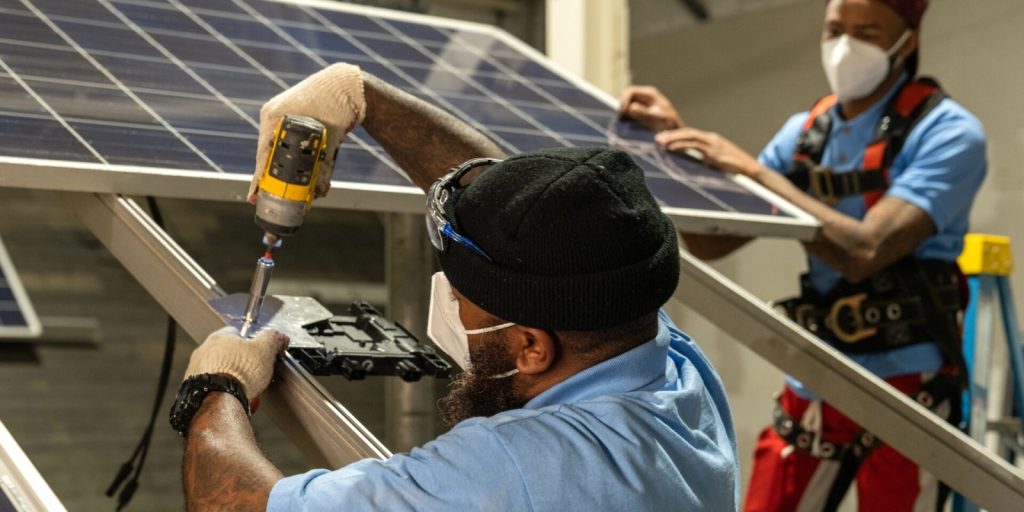
My roof was fine … until we added the solar panels.
PEOPLE WHO SKIP THIS STEP
This one came on my radar while I was writing up that no-cost solar program from BGE. Simply put: even if your roof seems perfectly fine today, you could regret not doing any solar-specific roof prep ahead of or during your rooftop solar installation.
Simple upgrades like putting fresh underlayment below the array area, improving flashing, or beefing up the structure beneath the planned panel layout can prevent costly headaches later, as removing and reinstalling panels a few years down the line is one of the priciest “oops” moments in residential solar.
As always, however, don’t take my word as gospel when it comes to any of this electrical or construction stuff. Your best resource is a reputable, vetted solar electrician who has seen and done this all before — which is just one of the reasons we recommend getting multiple quotes and asking lots of questions if and when you decide to move forward.
Original content by Electrek; featured image by QMerit.

If you’re considering going solar, it’s always a good idea to get quotes from a few installers. To make sure you find a trusted, reliable solar installer near you that offers competitive pricing, check out EnergySage, a free service that makes it easy for you to go solar. It has hundreds of pre-vetted solar installers competing for your business, ensuring you get high-quality solutions and save 20-30% compared to going it alone. Plus, it’s free to use, and you won’t get sales calls until you select an installer and share your phone number with them.
Your personalized solar quotes are easy to compare online and you’ll get access to unbiased Energy Advisors to help you every step of the way. Get started here.


FTC: We use income earning auto affiliate links. More.




Comments