
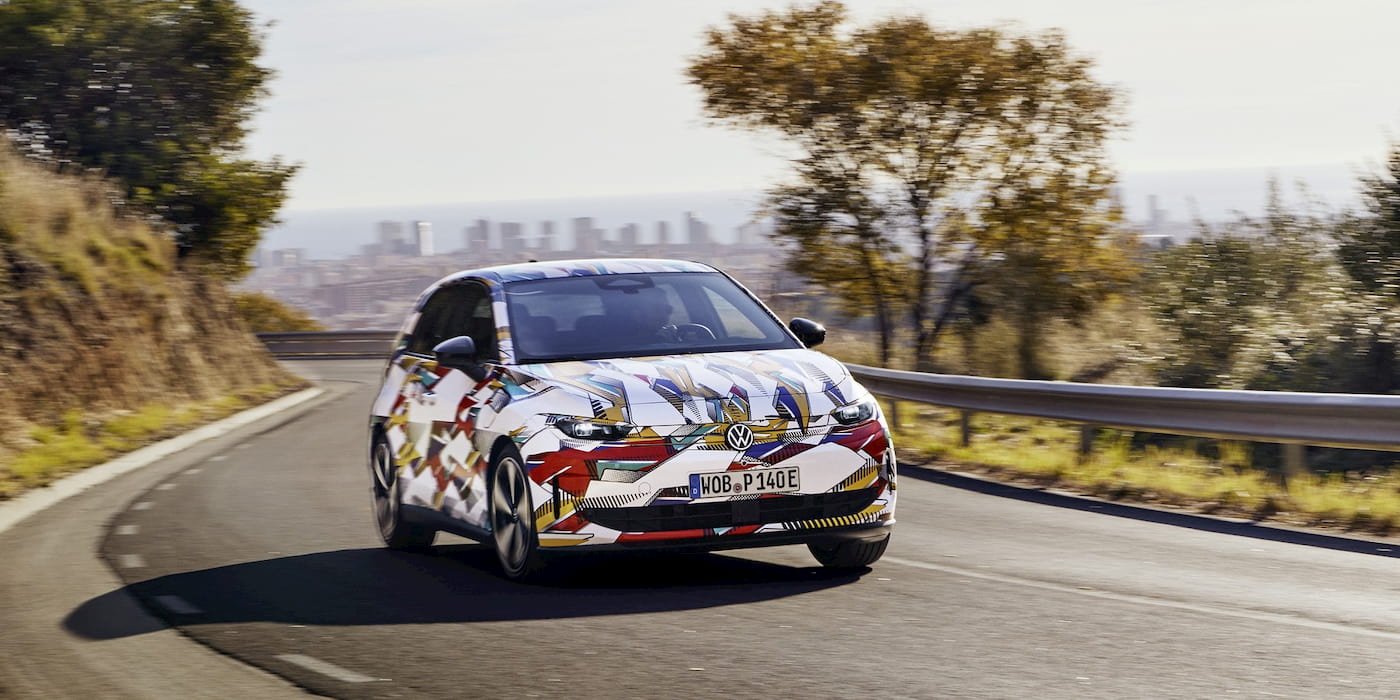
Volkswagen’s upcoming family of smaller, more affordable EVs will not be offered with a gas-powered engine. Volkswagen brand boss Thomas Schäfer said small gas cars make no sense, urging “the future in this segment is electric.”
Volkswagen shifts from small gas cars to EVs
During an interview with Auto Motor und Sport (via Ecomento), Schäfer explained that “Offering new gasoline-powered models in the Polo class and below makes no sense in light of future emissions regulations.”
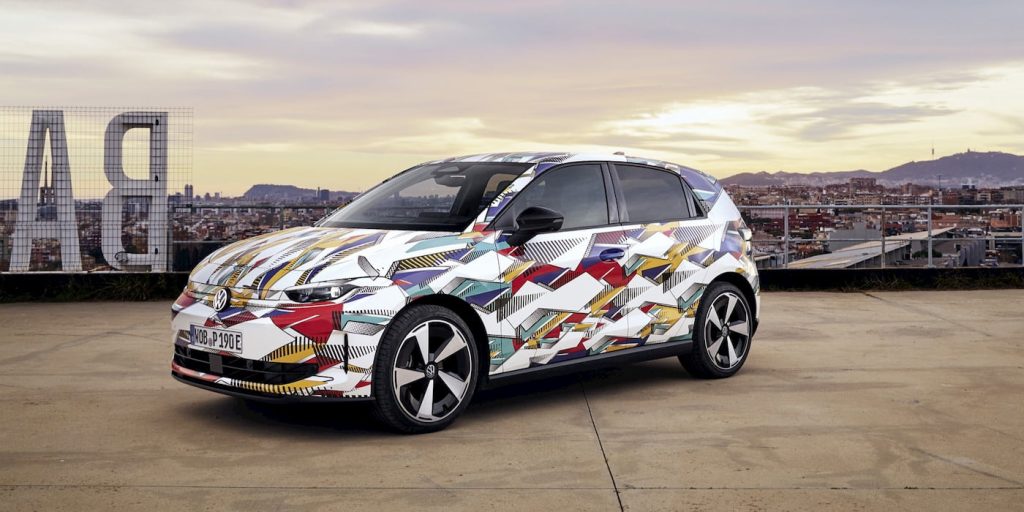
The comments come as the German auto giant prepares to launch its new family of mass-market electric cars, starting with the ID.Polo in Spring 2026.
“The future in this segment is electric,” Schäfer urged, adding that new gas cars would be “too expensive,” and wouldn’t make any sense.
With the Polo-sized electric car due out next year, the report suggests Volkswagen’s upcoming entry-level EVs will not get any sister models with a gas engine. Although the VW brand CEO didn’t say exactly how long it plans to continue selling ICE versions of the Polo and T-Cross, local reports suggest it could still be until 2030.
As for hydrogen-powered cars, Schäfer called them “a sham discussion” for the volume segment. “There simply isn’t enough green hydrogen, the fuel cell is far too expensive, and the technology isn’t efficient either,” he said.
“The only way to quickly decarbonize mass-market cars is through electric drive,” according to Schäfer. The ID.Polo is kicking off a new generation of Volkswagen as its first EV to bear an established brand name.
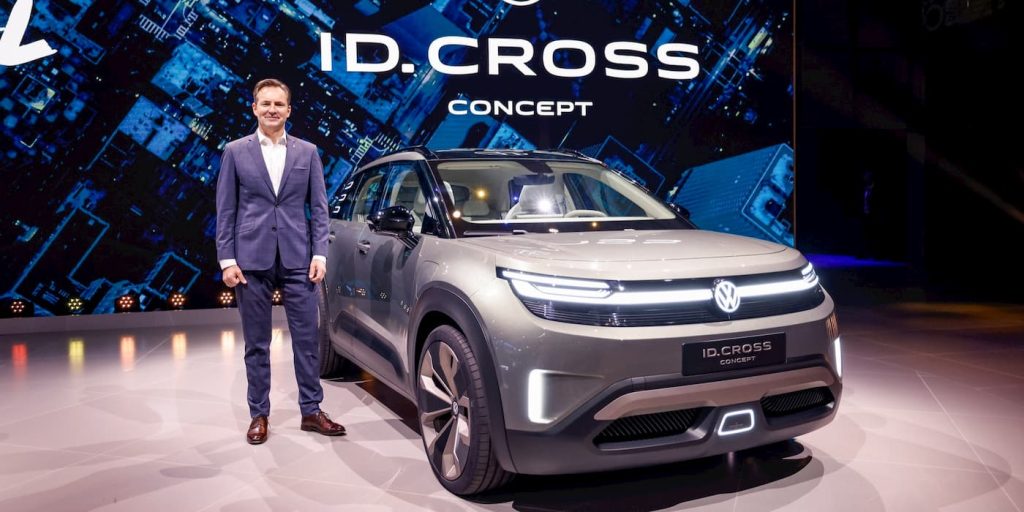
Volkswagen is set to launch the Polo EV in Europe next Spring, starting at around €25,000 ($30,000). The electric version of the T-Cross, the ID.Cross will follow it in mid-2026. Volkswagen has yet to reveal prices, but the ID.Cross is slated to sit below the ID.4, which starts at around €35,000 ($41,000).

Both will be based on VW’s new MEB+ platform, set to underpin Volkswagen’s upcoming entry-level EV series. An even smaller, lower-priced ID.1 is due out in 2027, which will serve as a replacement for the e-UP!.
Electrek’s Take
Finally, a global OEM has the right idea. Volkswagen appears to be finally on the right path with its new entry-level EV lineup.
Top comment by European Bob
Firstly, yes he is correct, ICE cars are too complex and expensive in this segment, just remember that with 10 minutes instruction and some basic pieces, we could all build an electric motor in less than an hour...
Secondly, it seems a shame that VW threw out the last CEO for liking EVs too much.
Thirdly if it drives well, that ID.Polo will sell like hot cakes in many European cities.
Schäfer is correct. Small gas-powered cars don’t have a future, but it’s not just because of stricter emissions rules. Buyers are looking for smaller, more efficient electric vehicles.
Through the first 10 months of the year, electric vehicles accounted for 16.4% of vehicle registrations in Europe, up from 13.2% in October 2024.
According to data from the European Automobile Manufacturers’ Association, the market share of gas and diesel-powered cars fell to 36.6% from 46.3% during the same period.
Chinese and Korean brands, such as BYD, Kia, and Hyundai, are seeing early success in Europe with mass-market EVs like the Dolphin Surf, EV3, and Hyundai Inster EV. Volkswagen looks to grab its share with the ID.Polo and ID.Cross arriving in 2026.


FTC: We use income earning auto affiliate links. More.


Comments