
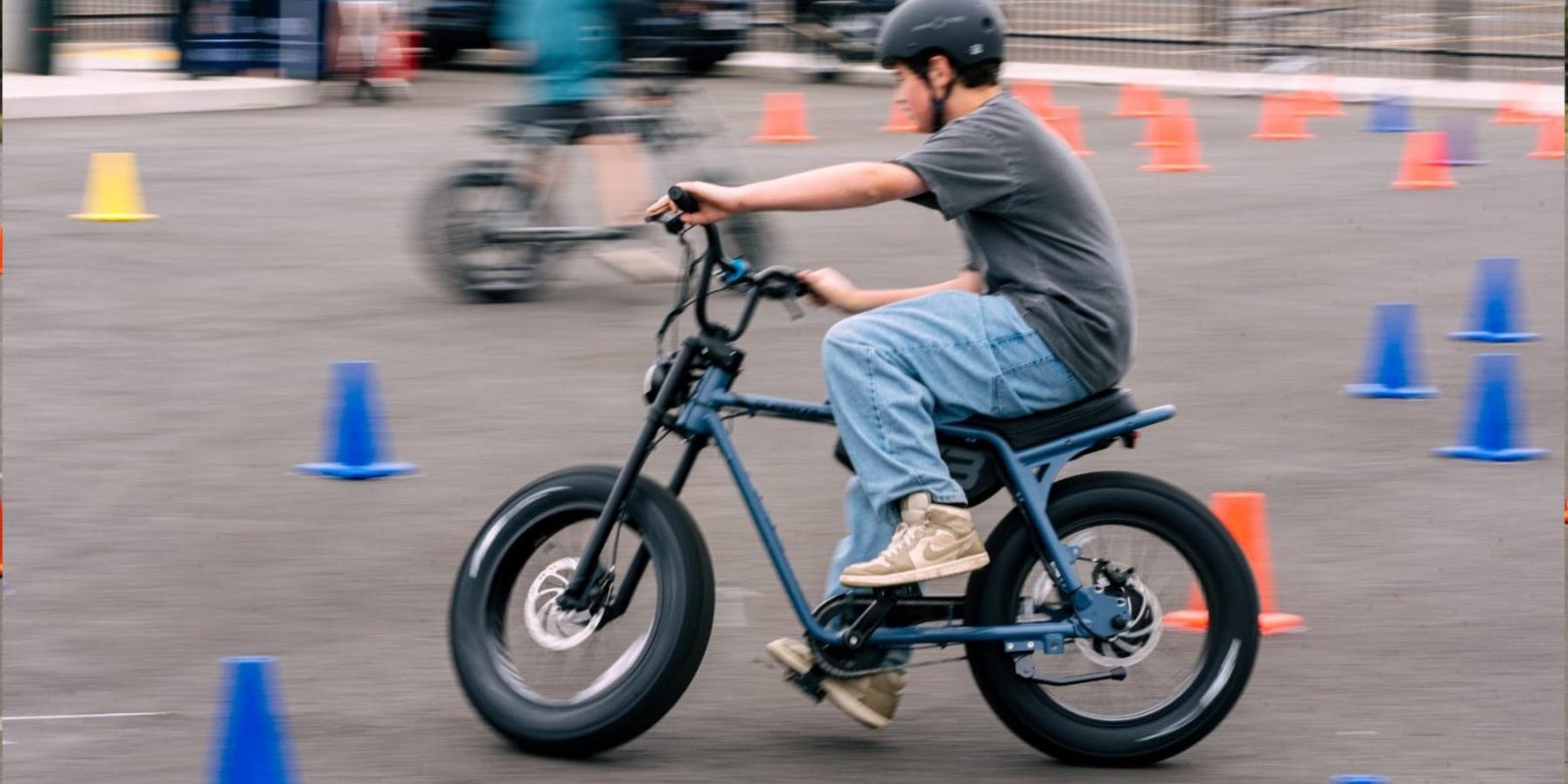
As electric bikes and e-scooters continue to surge in popularity, and as the growing ridership skews towards younger operators with growing questions about safety and road rules, motorcycle training courses might be an unexpected ally. In Las Vegas, motorcycle safety instructors are expanding their classrooms to include e-bike and e-scooter riders, responding to a growing number of traffic incidents involving younger riders and micromobility vehicles.
The new program, led by instructors at the College of Southern Nevada (CSN) and supported by a grant from the Nevada Department of Public Safety, is designed to give e-bike and e-scooter riders formal safety training similar to what motorcycle riders have long had access to. The move comes as local officials report more than 200 traffic collisions involving juveniles during school hours this year alone, many occurring near school zones.
Unlike traditional motorcycle training, these new courses are tailored specifically to the realities of electric micromobility, reports local CBS affiliate KLAS. That includes understanding e-bike classifications, where different types of electric bikes are legally allowed to operate, lithium-ion battery safety, and practical crash-avoidance strategies for riding in mixed traffic. The goal isn’t to discourage riding, but rather to help riders better understand risk management before something goes wrong.
And to sweeten the deal even further, the class is actually free. Riders won’t need to pay tuition, purchase special equipment, or already own an e-bike to participate. The only real barrier is showing up. For many families, that removes one of the biggest hurdles to formal safety education, especially at a time when e-bikes are increasingly being used by teenagers for commuting to school, after-school jobs, and social activities.
The structure of the course also reflects how younger riders actually learn. Participants begin with an online, self-paced portion that covers the basics, followed by an in-person session focused on real-world riding scenarios. That hybrid approach mirrors what’s already common in motorcycle safety programs, but adapted for vehicles that are quieter, lighter, and often ridden without licensing requirements.
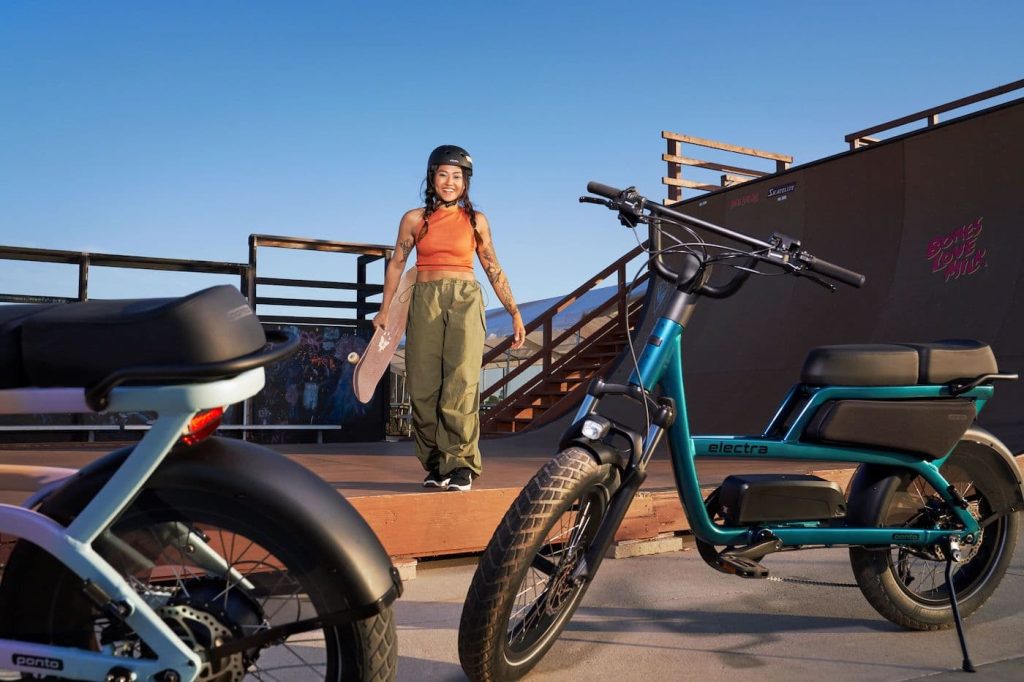
More of these e-bike training programs aimed at younger riders are popping up around the US. This kind of training could play an important role as e-bikes continue to blur the lines between bicycles, scooters, and mopeds. Many new riders jump on an e-bike with little understanding of stopping distances, speed differentials, or how drivers perceive them in traffic. Others may not realize that different e-bike classes come with different rules about bike lanes, paths, and road use. Formal instruction helps fill those gaps in a way that YouTube videos and warning labels often don’t.
There’s also a broader implication here for cities across the US. As e-bike adoption grows faster than infrastructure and regulation can keep up, education becomes one of the most effective tools available. Teaching riders how to safely interact with cars, pedestrians, and traditional cyclists may reduce crashes without resorting to heavy-handed restrictions or outright bans that often follow high-profile incidents.
For new riders especially, programs like this can make the difference between e-bikes feeling intimidating or empowering. Instead of learning through trial and error – or worse, through an accident – riders get guidance from instructors who already understand traffic dynamics and safety principles of two-wheeled vehicles.
The CSN e-bike and e-scooter safety courses are scheduled to begin in January, and if successful, they could perhaps serve as a model for similar programs elsewhere. As electric bikes continue to move from novelty to normal transportation, efforts like this suggest that the future of micromobility safety may look less like enforcement and more like education.


FTC: We use income earning auto affiliate links. More.


Comments