
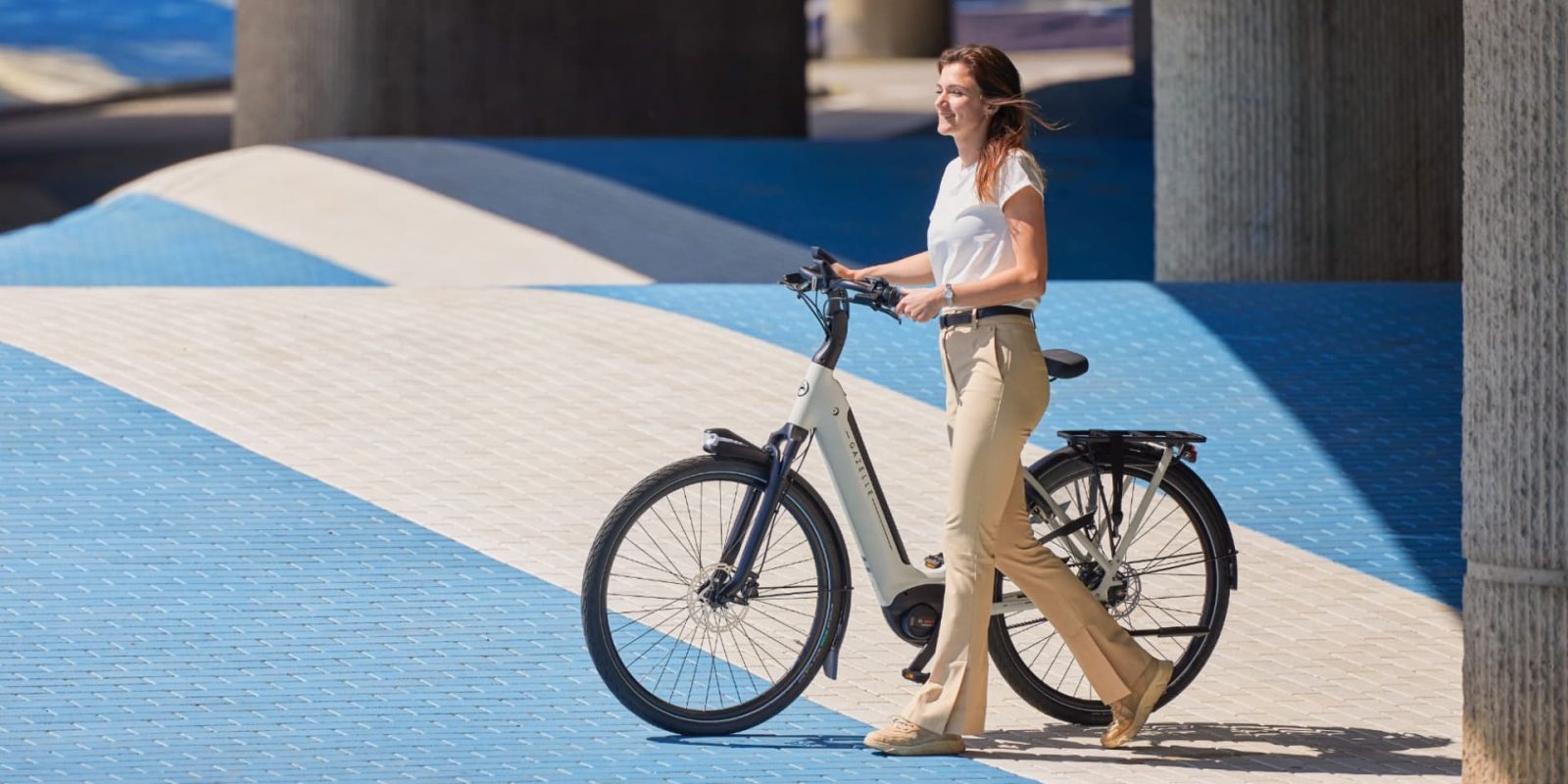
There’s been a lot of hand-wringing lately about electric bikes. You’ve probably seen the headlines – the ones about sidewalk conflicts, teenagers riding too fast, or policymakers scrambling to define what qualifies as an e-bike in the first place. And sure, it’s healthy for cities to ask questions about how new forms of mobility fit into the urban fabric. But let’s not lose sight of something much more important: e-bikes are still one of the best things to happen to cities in decades.
I’d argue they’re the best thing for urban life since flush toilets.
Seriously. It’s hard to name another innovation in recent memory that’s had such a profoundly positive impact on so many fronts of urban life.
Let’s start with the obvious: fewer cars. Every person who hops on an e-bike instead of getting into a car – even just a few times a week – is easing congestion, reducing noise, and freeing up space in crowded cities. And it’s not just about commuting.
E-bikes are being used for school drop-offs, grocery runs, dog park visits, weekend adventures, and pretty mucy any other transportation task you can think of. In many cases, they’re becoming true car replacements – or at least car reducers.
Then there’s air quality. Tailpipe emissions might be invisible, but their impact clearly isn’t. Transportation remains one of the biggest sources of urban air pollution. E-bikes, on the other hand, are virtually silent and emission-free at the point of use. Even including the emissions from production reveals a life cycle analysis that puts e-bikes far and ahead as one of the lowest impact forms of transportation available. There’s a real argument to be made that they’re even more energy efficient and responsible for fewer emissions than even walking (that’s another story for another day, but it’s got to do with the food you eat and the extremely high efficiency of e-bike motors).
Any way you slice it, if you multiply the emissions savings across hundreds of thousands of riders around the US, or millions around the world, then you’re looking at a meaningful reduction in pollution – especially in communities that have long borne the brunt of traffic-related health impacts.

Equity is another massive piece of this story. E-bikes offer an affordable, low-barrier form of transportation. You don’t need a driver’s license, you don’t need insurance, and you don’t need to fill up at $5 a gallon.
When cities invest in e-bike infrastructure and incentives – especially for low-income riders – they’re helping more people access jobs, education, healthcare, and opportunity. Try doing that with a $40,000 EV.
When you start to look at new car prices, or even used car prices, suddenly America’s best-selling 28 MPH e-bike for $999 starts to look pretty darn attractive.
And let’s talk about last-mile delivery, because if you live in a city, chances are someone on an e-bike brought you dinner last week. I know they did for me. Electric bikes, and especially e-cargo bikes, are becoming an increasingly common sight in urban logistics, and for good reason. They can navigate dense city streets faster than trucks, they take up less space, and they’re better for the planet.
In Europe, companies like DHL and Amazon are replacing vans with electric bikes in major metros. The US is catching on, too.
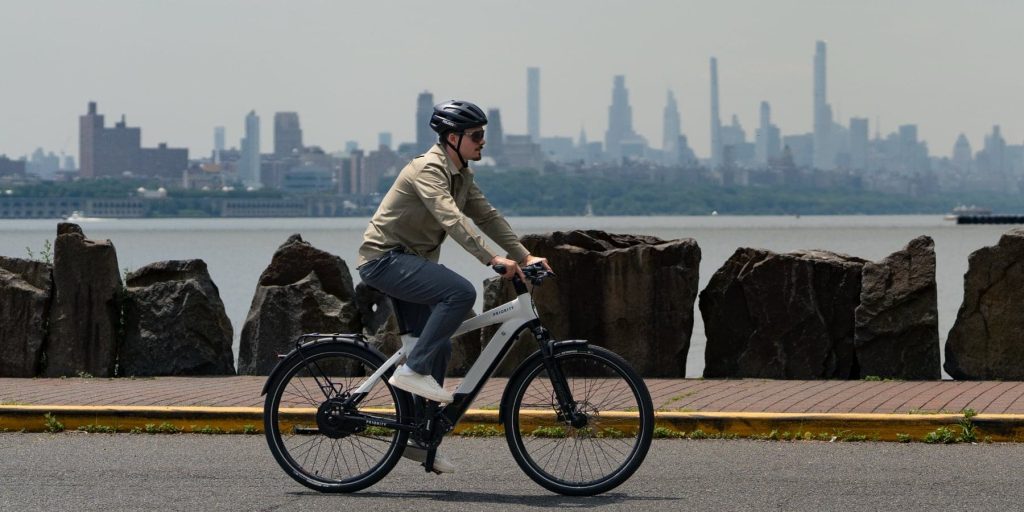
Top comment by Jameson Dow
Man, if people don't like teenagers riding too fast, wait til they learn about 6,000lb death machines that are plowing down pedestrians at the highest rate in 40 years, wasting 1/4 of their available space finding places to park, poisoning their lungs and every other organ in their body, funding all of the worst people in the world, and making the planet unlivable for all species at a 50x faster rate than the greatest mass extinction the world has ever seen.
Sure, some of the criticism around e-bikes isn’t entirely unfounded. Speeding on sidewalks at the risk of pedestrians? That’s got to stop. Modified bikes exceeding legal limits? That needs addressing, too. But those are challenges to manage – not reasons to abandon the incredible potential of e-bikes.
The real danger here isn’t the bikes – it’s the backlash. We’ve spent the last few years building momentum around cleaner, more human-scale transportation. E-bikes have been a critical part of that shift. They’ve helped cities rethink mobility, reduce car dependency, and bring a little more joy back into getting from A to B.
So yes, let’s keep improving safety. Let’s clarify the rules. Let’s invest in infrastructure. But most importantly, let’s not lose sight of the bigger picture. We’re all in this together. We’re either going to collectively find solutions or collectively suffer the consequences, and even more so, our kids.
At the end of the day, e-bikes aren’t the problem. They’re part of the solution, and one of the best solutions cities have seen in a very long time.


FTC: We use income earning auto affiliate links. More.


Comments