
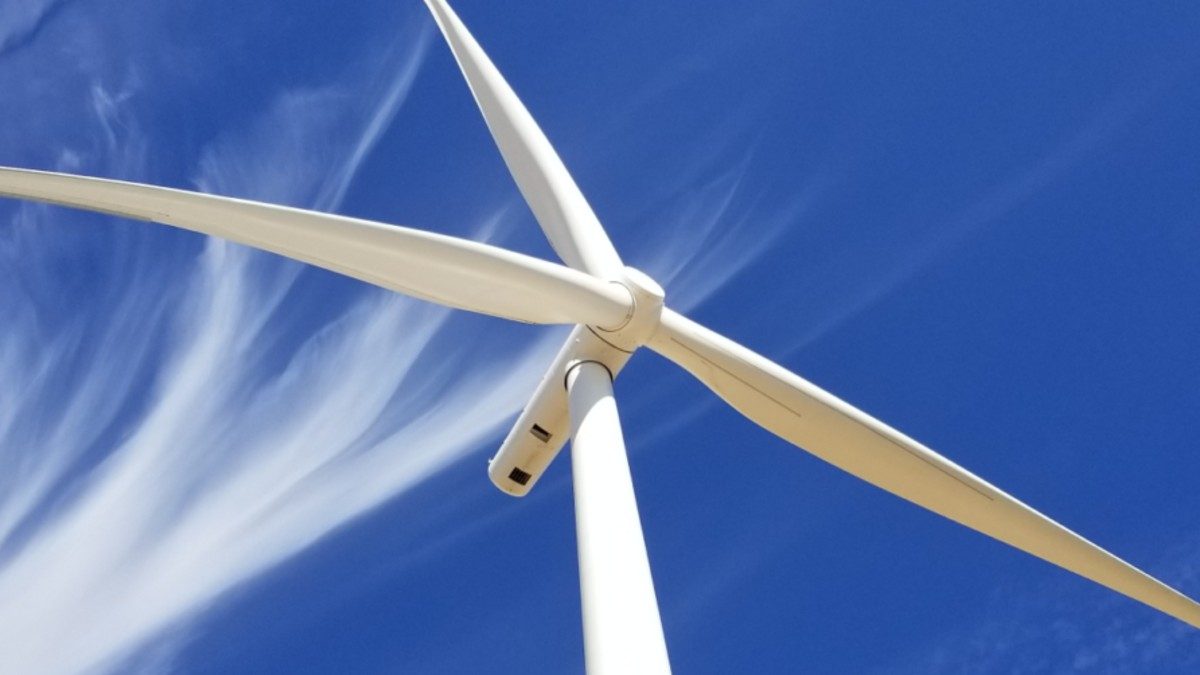
Maine regulators have picked Clearway Energy to develop an 800-megawatt (MW) wind farm in northern Maine – a project that would boost the state’s existing onshore wind capacity by about 66%.
The Maine Public Utilities Commission (PUC) also selected Avangrid Networks, the parent company of Central Maine Power, to develop the high-voltage transmission line needed to carry the wind power from the north of the state to the New England grid.
Clearway’s proposed wind farm would be the largest in Maine, which had 1,214 MW of onshore wind-powered generating capacity as of October 2025.
Maine plans to buy about 600 MW of the project’s output, with the remaining 200 MW going to other New England states.
The Clearway wind farm is planned for commercial timberland in rural, unincorporated southeastern Aroostook County. Clearway told Maine Public that the site has existing roads, access to transmission rights-of-way, and strong, reliable wind.
Getting Northern Maine’s electricity generated by excellent wind to customers has long been the challenge. Aroostook County isn’t directly connected to the regional ISO New England grid, and building enough transmission to move large amounts of power south is expensive.
Avangrid’s proposed 1,200 MW transmission line would change that. The PUC said the company’s proposal makes maximum practical use of existing transmission corridors, and Avangrid has already secured nearly all of the necessary rights of way. The line would terminate at Haynesville, where it would connect to the wider regional grid.
The transmission line will have 400 MW of capacity left after the Clearway wind farm connects, and the PUC plans to issue additional requests for proposals to fill that capacity.
Maine expects $387 million in ratepayer savings
Maine estimates the wind and transmission projects will deliver between $387 million and $425 million in net benefits to the state’s electricity customers over their operating life.
Maine ratepayers will pay for the state’s share of the wind power, but the cost of the transmission line will be spread across participating states. Massachusetts, Connecticut, Rhode Island, and Vermont are taking part in the procurement, leaving Maine responsible for less than 11% of transmission costs.
“This procurement reflects months of careful work to identify projects that will bring reliable, renewable energy to the grid, providing value to Maine and the region, while minimizing costs for Maine ratepayers by sharing costs with other states commensurate with the value provided,” said Maine PUC chair Philip Bartlett.
The PUC estimates that the projects will create more than 2,500 full-time construction jobs over four years, generate around $150 million in new state and municipal tax revenue, and produce more than $2.4 billion in economic output in Maine.
This wind farm isn’t ready to build yet
The PUC still has to negotiate and approve a power purchase agreement with Clearway. The transmission arrangement must also be finalized by the participating states and Avangrid, then submitted to the Federal Energy Regulatory Commission for approval.
Both projects will also face engineering work, environmental reviews, permitting, and community engagement. Clearway’s wind farm can’t be built unless the transmission project moves ahead.
And Maine has been here before. The legislature first directed the PUC to develop northern Maine wind and transmission in 2021, but the projects selected during the previous procurement fell apart in late 2023 after transmission negotiations failed.
This time, five New England states are sharing the costs and benefits, and Avangrid’s use of existing corridors could make the transmission line easier to build. But with contracts and permits still outstanding, it will be years before turbines can begin sending northern Maine wind power onto the New England grid. Given that the Trump administration is aggressively working to stop wind power, a few extra years to keep this project on track is probably a good thing.
Read more: The US announces the Gulf of Maine’s first offshore wind lease sale
If you’ve ever considered going solar, make it easy by finding a trusted, reliable solar installer near you that offers competitive pricing by checking out EnergySage. It has hundreds of pre-vetted solar installers competing for your business, ensuring you get high-quality solutions and save 20-30% compared to going it alone. Plus, it’s free to use, and you won’t get sales calls until you select an installer and share your phone number with them.
Your personalized solar quotes are easy to compare online, and you’ll get access to unbiased Energy Advisors to help you every step of the way. Get started here.


FTC: We use income earning auto affiliate links. More.




Comments