
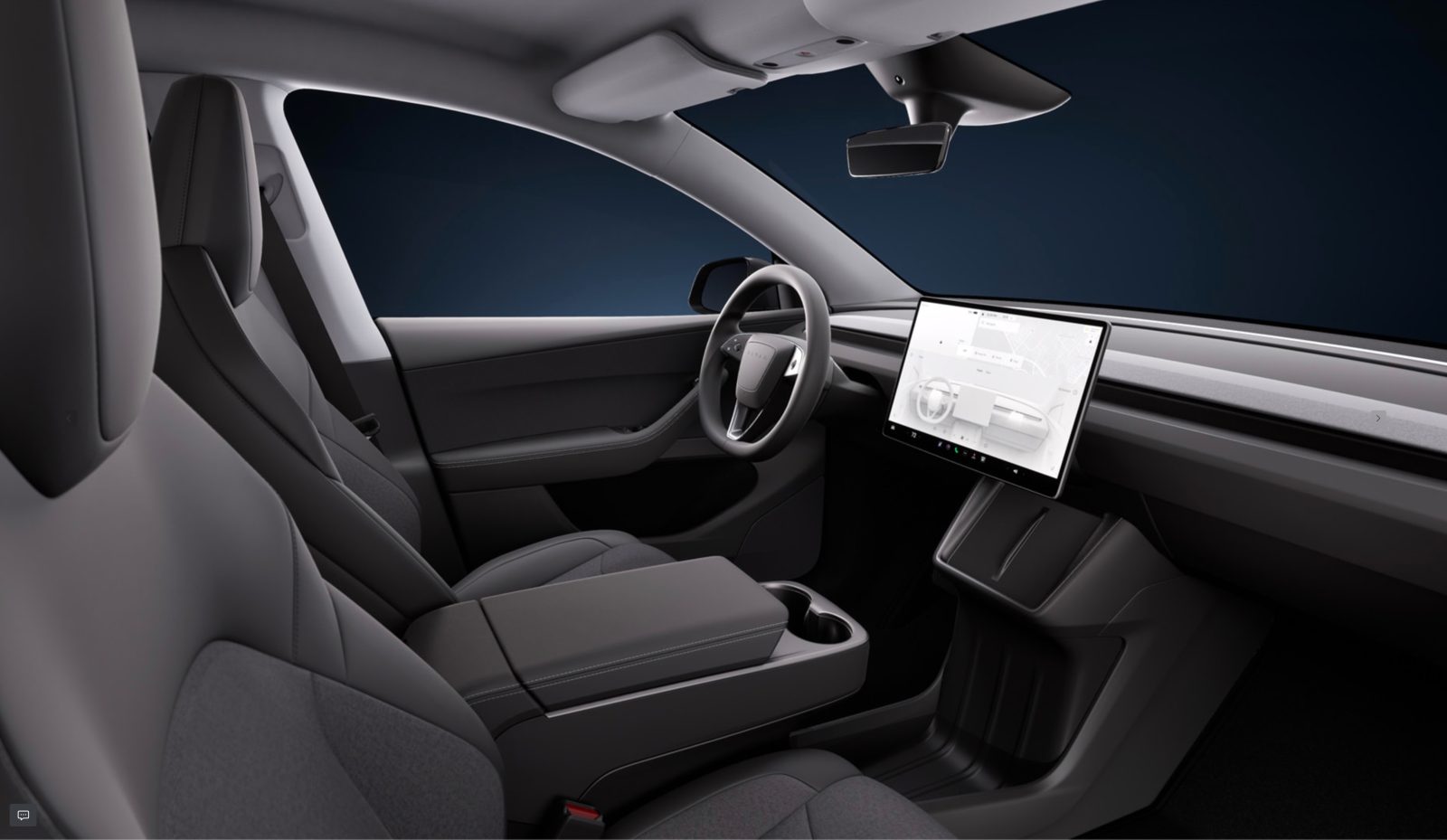
Tesla’s Model Y became the best-selling vehicle in Colombia in March 2026 with 1,791 units delivered — just two months after the automaker’s first deliveries in the country.
The achievement is part of an explosive EV market transformation in Colombia, where electric vehicle registrations surged 304% in April to 5,192 units. But Tesla is already running into trouble with Colombian regulators over delivery delays and misleading claims about its Supercharger network.
From zero to number one in two months
Tesla officially launched in Colombia in November 2025, opening orders for the Model 3 starting at 109 million Colombian pesos (~$29,400 USD) and the Model Y at roughly 120 million COP (~$32,000 USD). First deliveries began in late January 2026.
The ramp was immediate. Tesla delivered over 5,400 vehicles in its first few months of operations, and the Model Y claimed the top spot among all vehicles sold in the country in March — not just among EVs, but all cars. That makes Colombia one of Tesla’s fastest new-market ramps ever.
The broader EV market in Colombia has been surging alongside Tesla’s arrival. Year-to-date EV sales through April 2026 climbed 207% to 14,541 units, and electrified vehicles now account for nearly half of all new vehicle sales in the country. In Q1 alone, Colombia registered 9,349 new EVs, a 171% increase over the same period last year.
The growth is being fueled by a massive regulatory tailwind. In December 2025, Colombia’s government issued Decreto 1432, which raised import tariffs on gasoline and diesel vehicles from 35% to 40% while electric vehicles continue to enter the country duty-free. EVs also benefit from a preferential 5% VAT rate versus the standard 19%. That price gap is significant enough that Colombian banks now report EV loans account for 30% to 40% of their total automotive credit portfolios.
Tesla’s direct-sales model — no dealerships, online ordering, experience centers in Bogotá and Medellín — has proven effective. But the rapid scaling has exposed some cracks.
Regulators order Tesla to fix delivery and transparency issues
On May 14, Colombia’s consumer protection authority, the Superintendencia de Industria y Comercio (SIC), issued an administrative order against Tesla Motors Colombia S.A.S. after reviewing approximately 23,700 orders placed between November 2025 and March 2026.
The SIC found that more than 1,800 vehicles that were supposed to be delivered between February and March remained pending into April. The authority also identified inconsistencies in the information Tesla provided about vehicle warranties — particularly regarding tire coverage — and flagged the company for making potentially misleading claims about the existence and availability of Supercharger infrastructure in Colombia.
Tesla was ordered to correct its online commercial practices, stop presenting tentative delivery dates as definitive, ensure full transparency on warranty terms, and improve its customer service channels for complaints. The SIC warned that failure to comply could result in administrative sanctions including fines under Colombia’s consumer protection law (Ley 1480 de 2011).
Beyond the regulatory action, some Tesla owners in Colombia are reporting spare parts delays of up to three months due to the lack of a consolidated parts network. Home charger installations in residential complexes have also been a challenge, and Colombia’s Energy and Gas Regulatory Commission (Creg) is still developing its charging infrastructure regulation roadmap, expected by June 2026.
BYD still trailing, but competition is building
Tesla’s dominance in Colombia has come partly at the expense of BYD, which had established an earlier foothold in the market. BYD registered 906 units in March — less than half of Tesla’s 1,791 — and accumulated 2,684 units in Q1. In April, BYD sold 1,250 vehicles, maintaining second place behind Tesla.
The competitive dynamic mirrors what’s playing out in other emerging EV markets: Tesla enters with strong brand recognition and a direct-sales model, but Chinese automakers like BYD compete on price with models like the Yuan Up and Seagull (sold as the Dolphin Mini in Colombia). As Colombia’s EV market matures, the price competition from Chinese brands will intensify — particularly in a country where the average car buyer is more price-sensitive than in North America or Europe.
General Motors (Chevrolet) and Toyota have also reported growth in their electrified lineups in Colombia, though neither comes close to Tesla or BYD in pure EV sales.
Electrek’s Take
Colombia is shaping up as one of the most interesting EV market stories of 2026. Going from zero Tesla presence to the Model Y becoming the country’s best-selling vehicle in under two months is remarkable — and it highlights just how much pent-up demand exists in Latin American markets that Tesla has been slow to enter.
The government’s tariff policy is doing the heavy lifting here. A 40% tariff on ICE imports versus duty-free EV entry, combined with a 5% preferential VAT, creates an enormous price incentive that is clearly redirecting buying decisions. President Petro called it “almost a miracle.”.
But the SIC regulatory action is a warning sign we’ve seen before. Tesla has a pattern of launching in new markets with ambitious delivery promises and then struggling to build out the service infrastructure — Superchargers, spare parts networks, service centers — fast enough to match demand. Over 1,800 delayed deliveries out of roughly 23,700 orders isn’t catastrophic, but misleading claims about Supercharger availability is a more serious issue. Customers making a $30,000+ purchase decision based on charging infrastructure that doesn’t yet exist have a legitimate complaint.
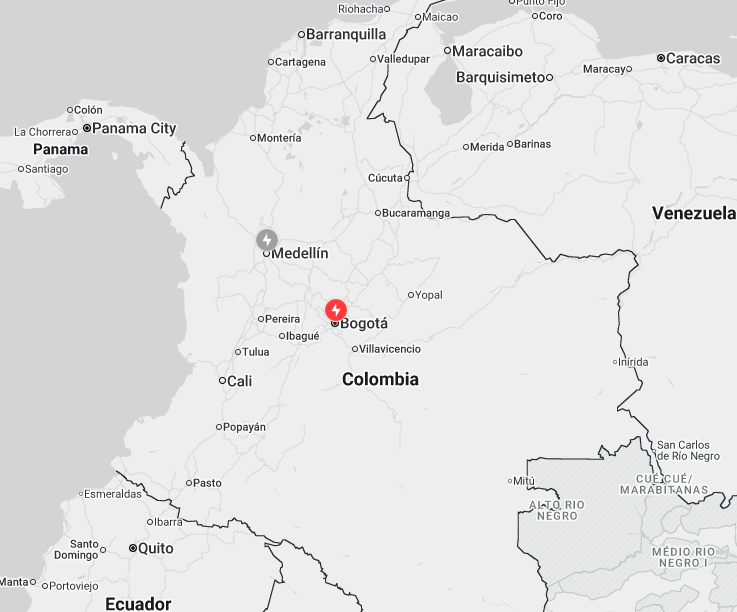
The next few months will be telling. If Tesla can build out its Supercharger network in Bogotá and Medellín, get its spare parts pipeline sorted, and avoid further regulatory action, Colombia could become a template for Latin American EV expansion. If the infrastructure gaps persist, BYD and other Chinese automakers — who are better at building distribution networks in emerging markets — will be ready to capitalize.
If you’re looking to charge your EV with home solar, there’s never been a better time to lock in low energy costs. With electricity rates climbing nearly 10% last year, home solar protects you against future rate increases. And with lease and PPA options, you can go solar with zero upfront cost and start saving immediately. If you want to find the best deal, check out EnergySage. It’s a free service with hundreds of pre-vetted installers competing for your business, so you save 20 to 30% compared to going it alone. No sales calls until you pick an installer. Get your free quotes here.


FTC: We use income earning auto affiliate links. More.



Comments